Institute of Reproductive Health, Tongji Medical College, Huazhong University of Science and Technology, Wuhan, Hubei, China.
Reproductive Medical Center, Renmin Hospital of Wuhan University & Hubei Clinic Research Center for Assisted Reproductive Technology and Embryonic Development, Wuhan, China.
J Transl Med. 2023 Oct 24;21(1):746. doi: 10.1186/s12967-023-04610-9.
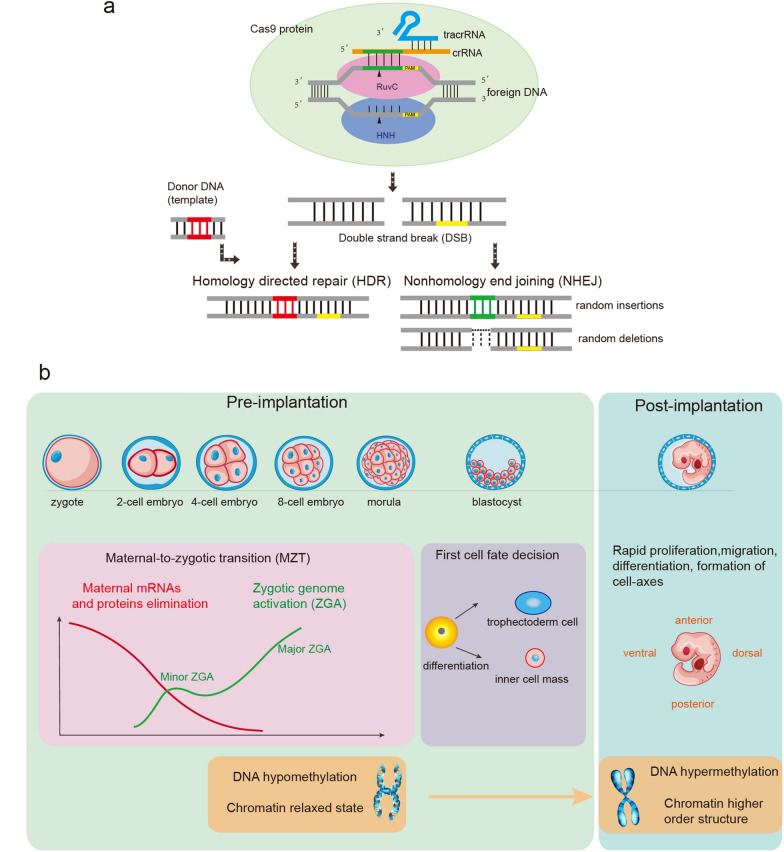
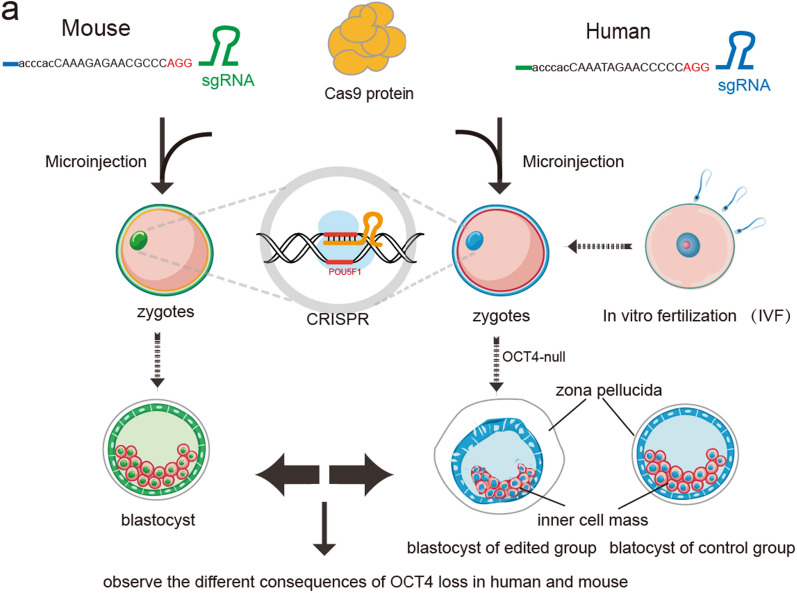
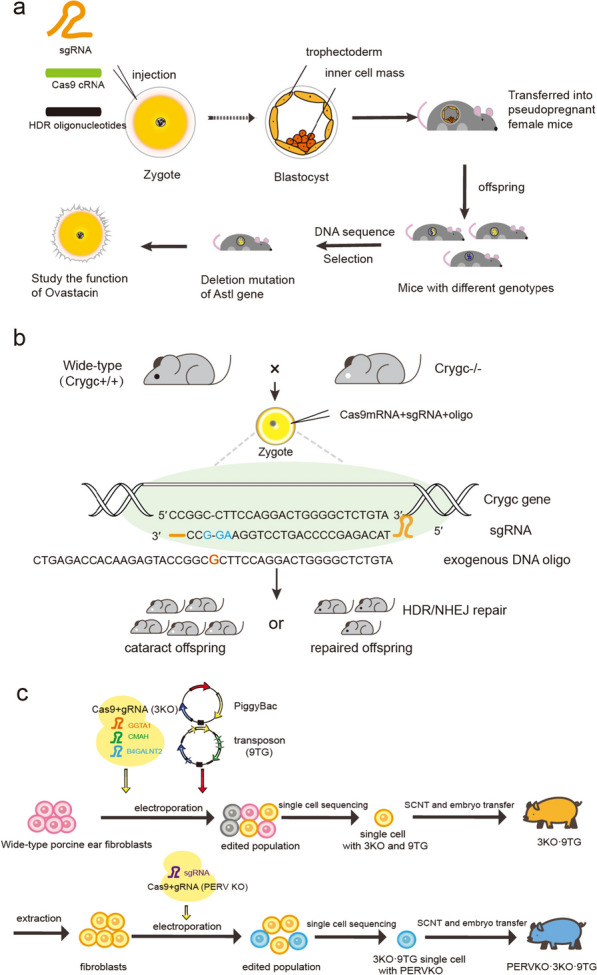
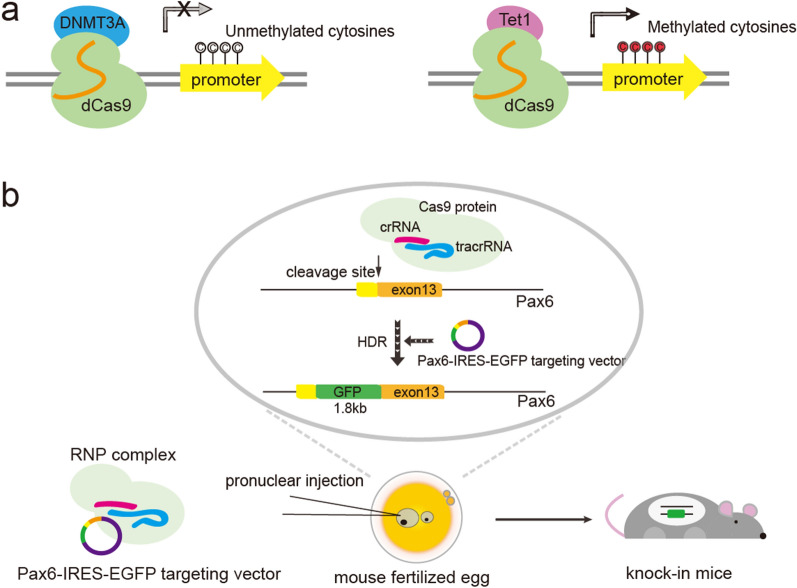
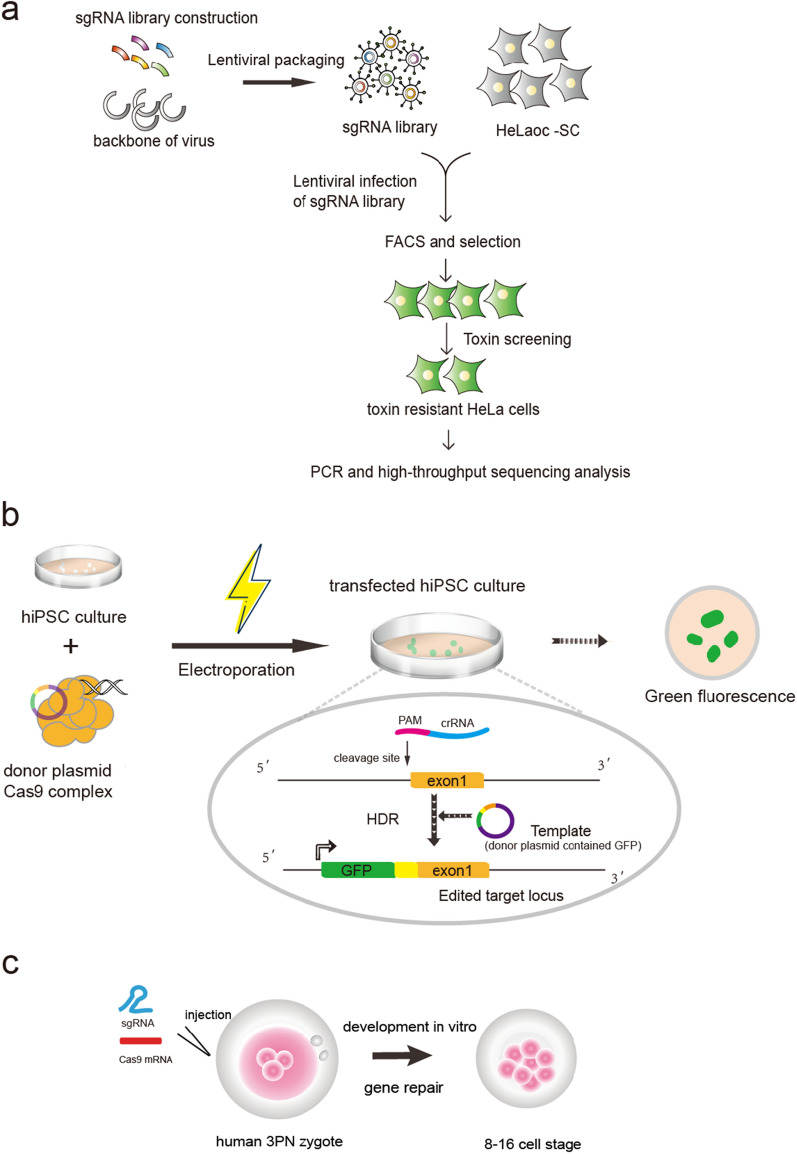
CRISPR/Cas9, a highly versatile genome-editing tool, has garnered significant attention in recent years. Despite the unique characteristics of oocytes and early embryos compared to other cell types, this technology has been increasing used in mammalian reproduction. In this comprehensive review, we elucidate the fundamental principles of CRISPR/Cas9-related methodologies and explore their wide-ranging applications in deciphering molecular intricacies during oocyte and early embryo development as well as in addressing associated diseases. However, it is imperative to acknowledge the limitations inherent to these technologies, including the potential for off-target effects, as well as the ethical concerns surrounding the manipulation of human embryos. Thus, a judicious and thoughtful approach is warranted. Regardless of these challenges, CRISPR/Cas9 technology undeniably represents a formidable tool for genome and epigenome manipulation within oocytes and early embryos. Continuous refinements in this field are poised to fortify its future prospects and applications.
CRISPR/Cas9,一种高度通用的基因组编辑工具,近年来受到了广泛关注。尽管与其他细胞类型相比,卵母细胞和早期胚胎具有独特的特性,但这项技术已越来越多地应用于哺乳动物生殖领域。在本综述中,我们阐明了 CRISPR/Cas9 相关方法的基本原理,并探讨了它们在破译卵母细胞和早期胚胎发育过程中的分子复杂性以及解决相关疾病方面的广泛应用。然而,必须认识到这些技术固有的局限性,包括潜在的脱靶效应,以及围绕人类胚胎操作的伦理问题。因此,需要采取明智和深思熟虑的方法。尽管存在这些挑战,但 CRISPR/Cas9 技术无疑是卵母细胞和早期胚胎中基因组和表观基因组操作的强大工具。该领域的不断改进将增强其未来的前景和应用。