Department of Biochemistry, Stanford University School of Medicine, Stanford, California, USA.
Biophysics Program, Stanford University School of Medicine, Stanford, California, USA.
Proteins. 2023 Dec;91(12):1747-1770. doi: 10.1002/prot.26602. Epub 2023 Oct 24.
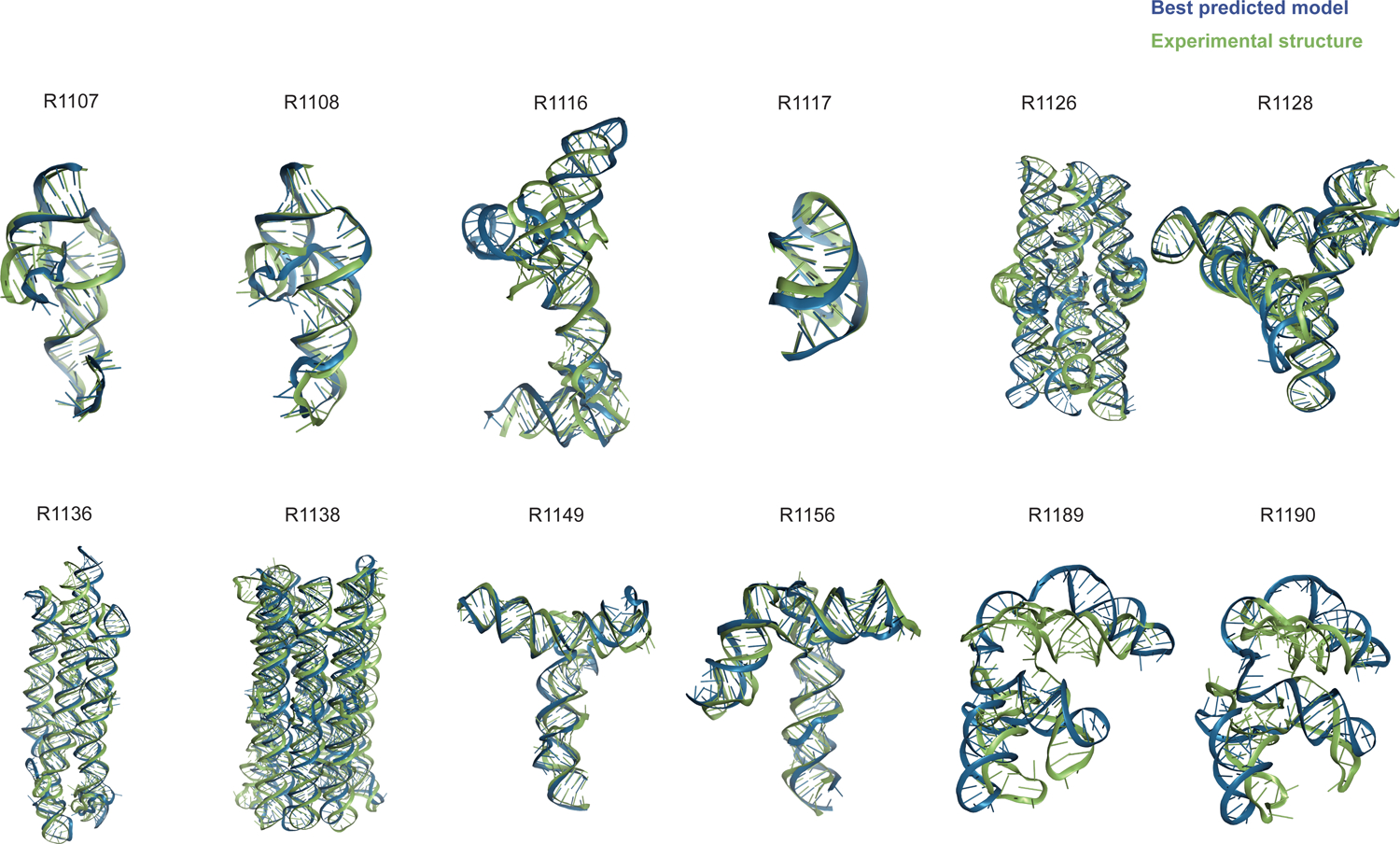
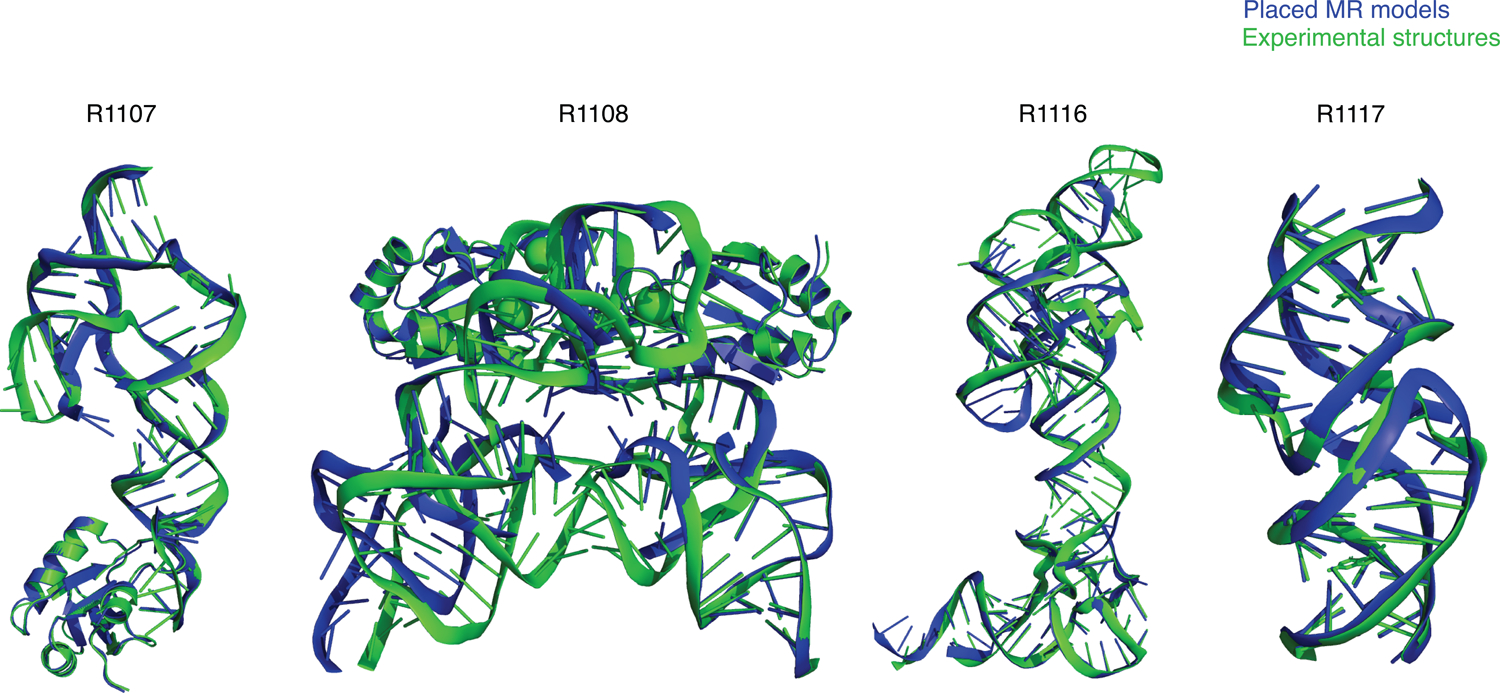
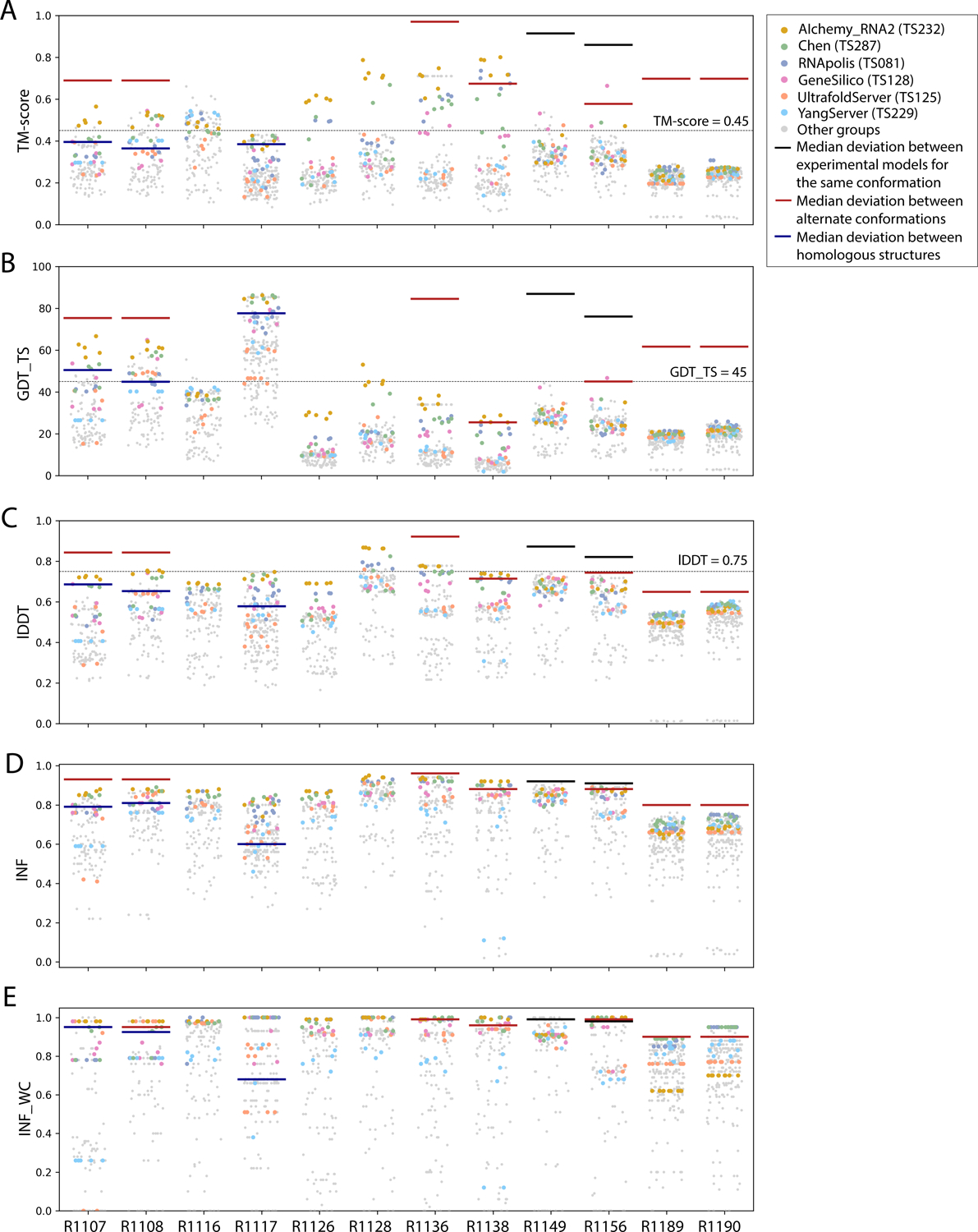
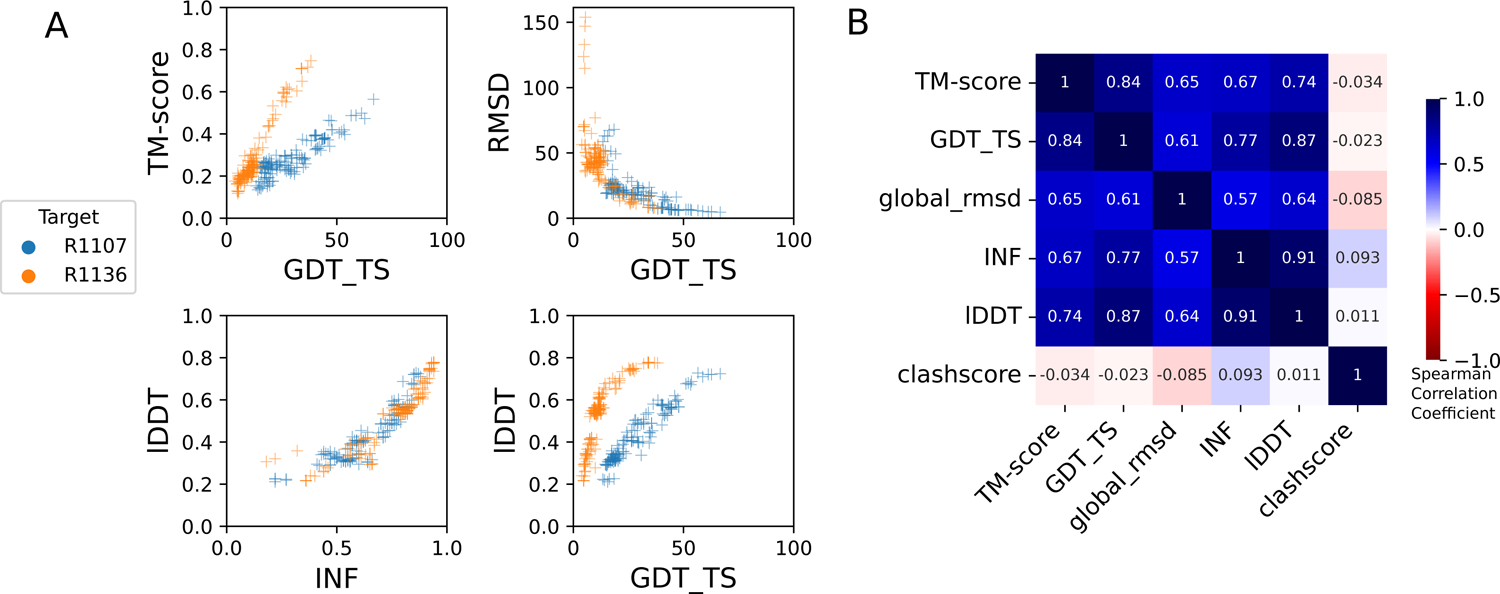
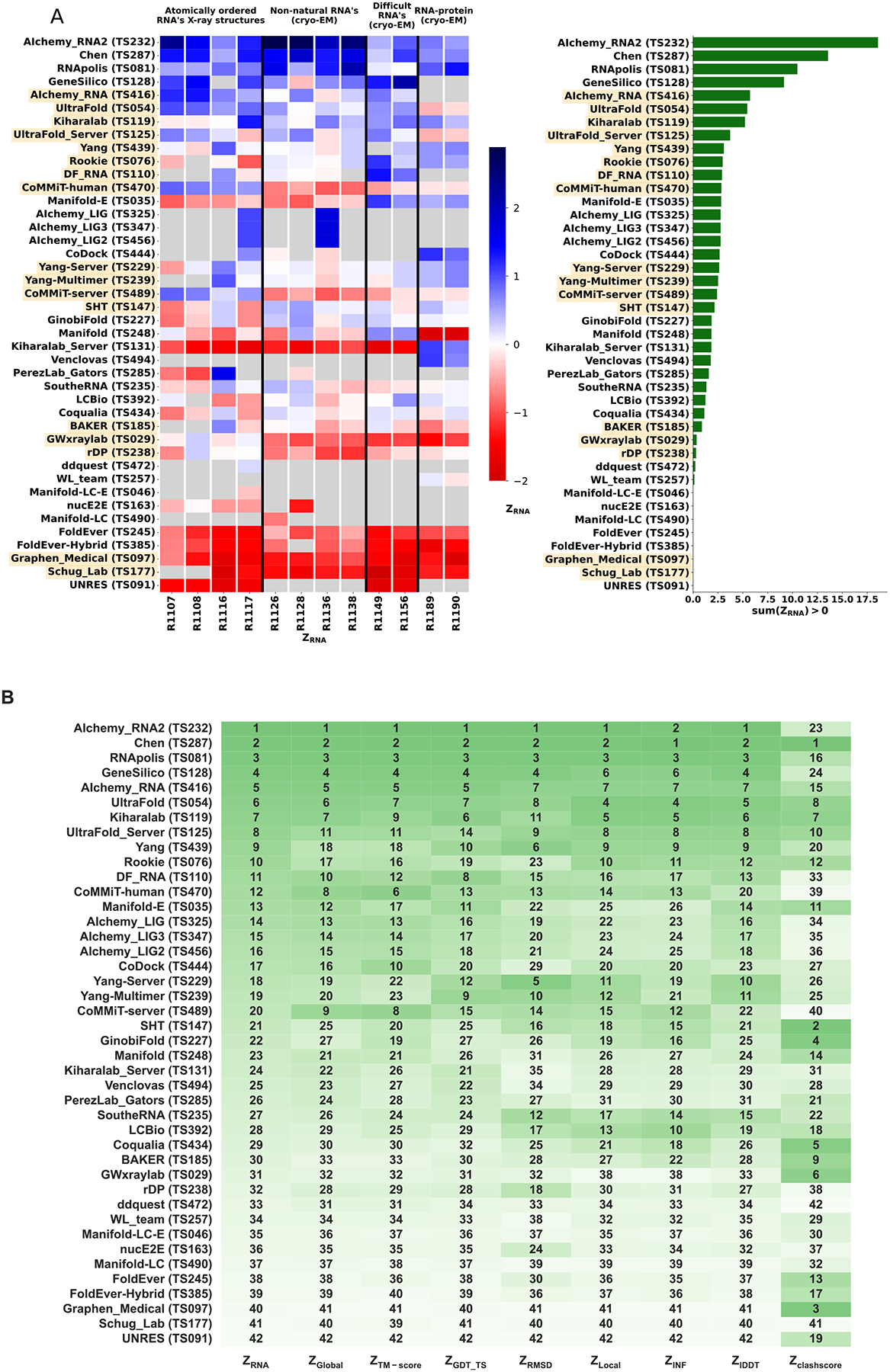
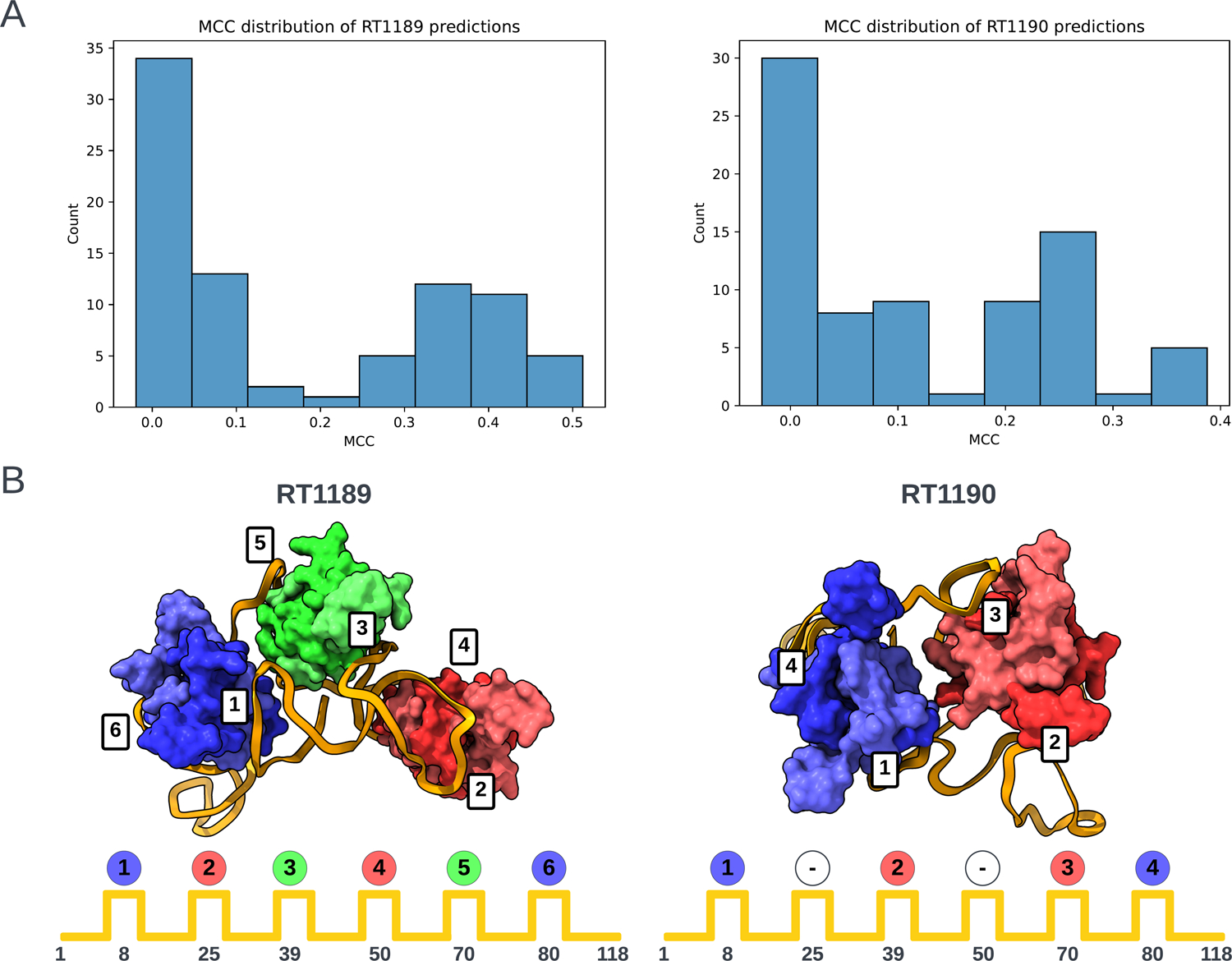
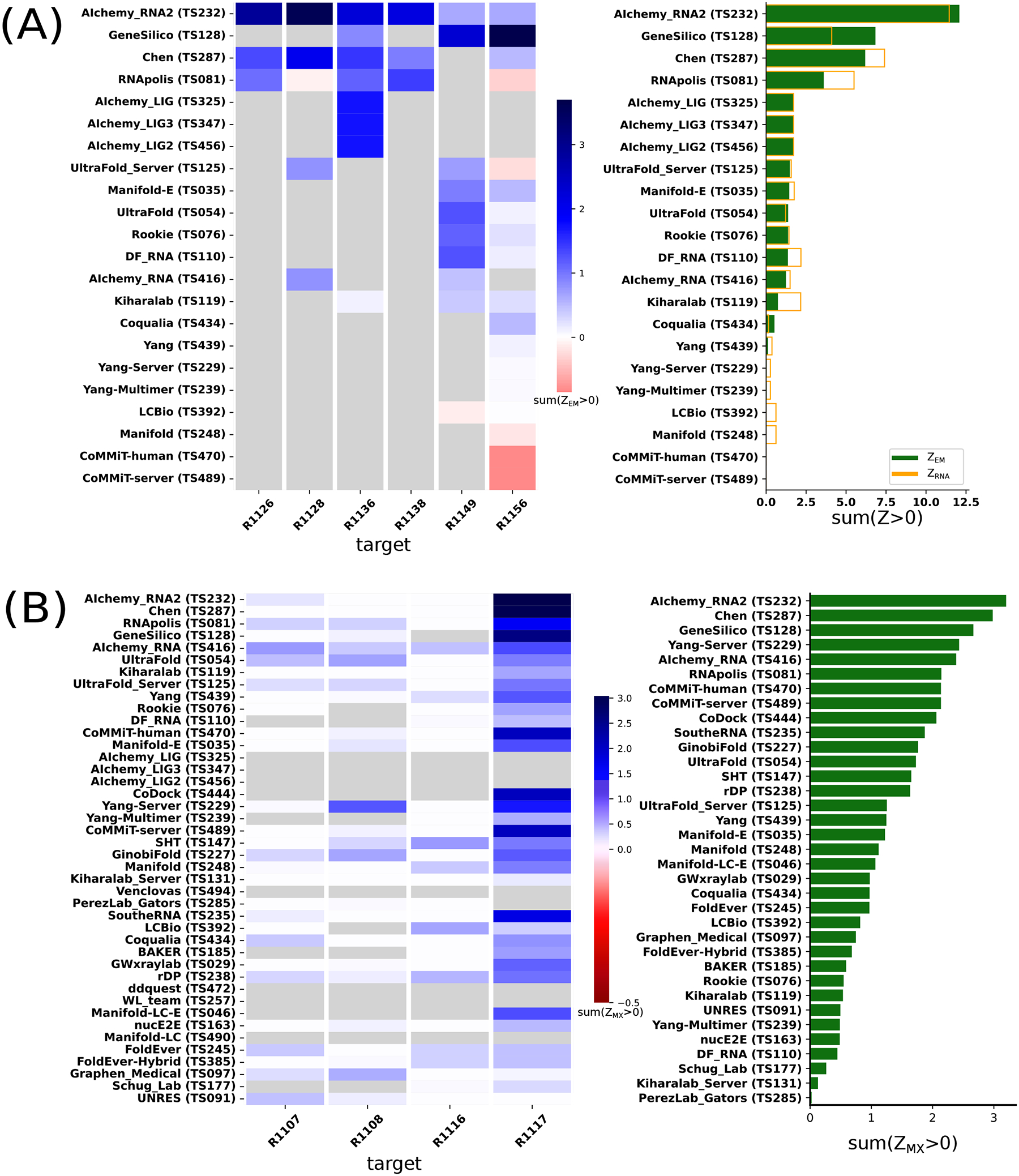
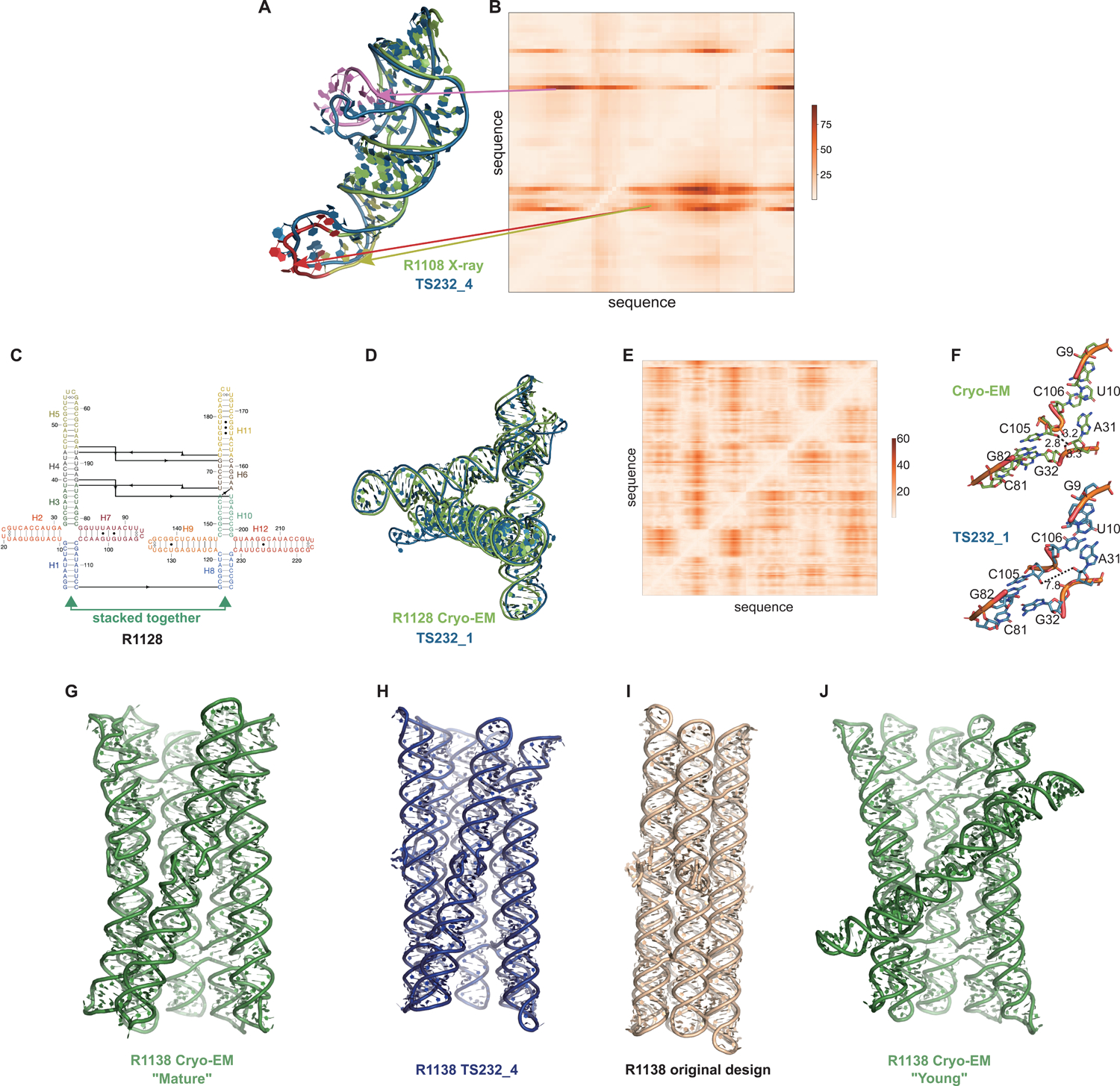
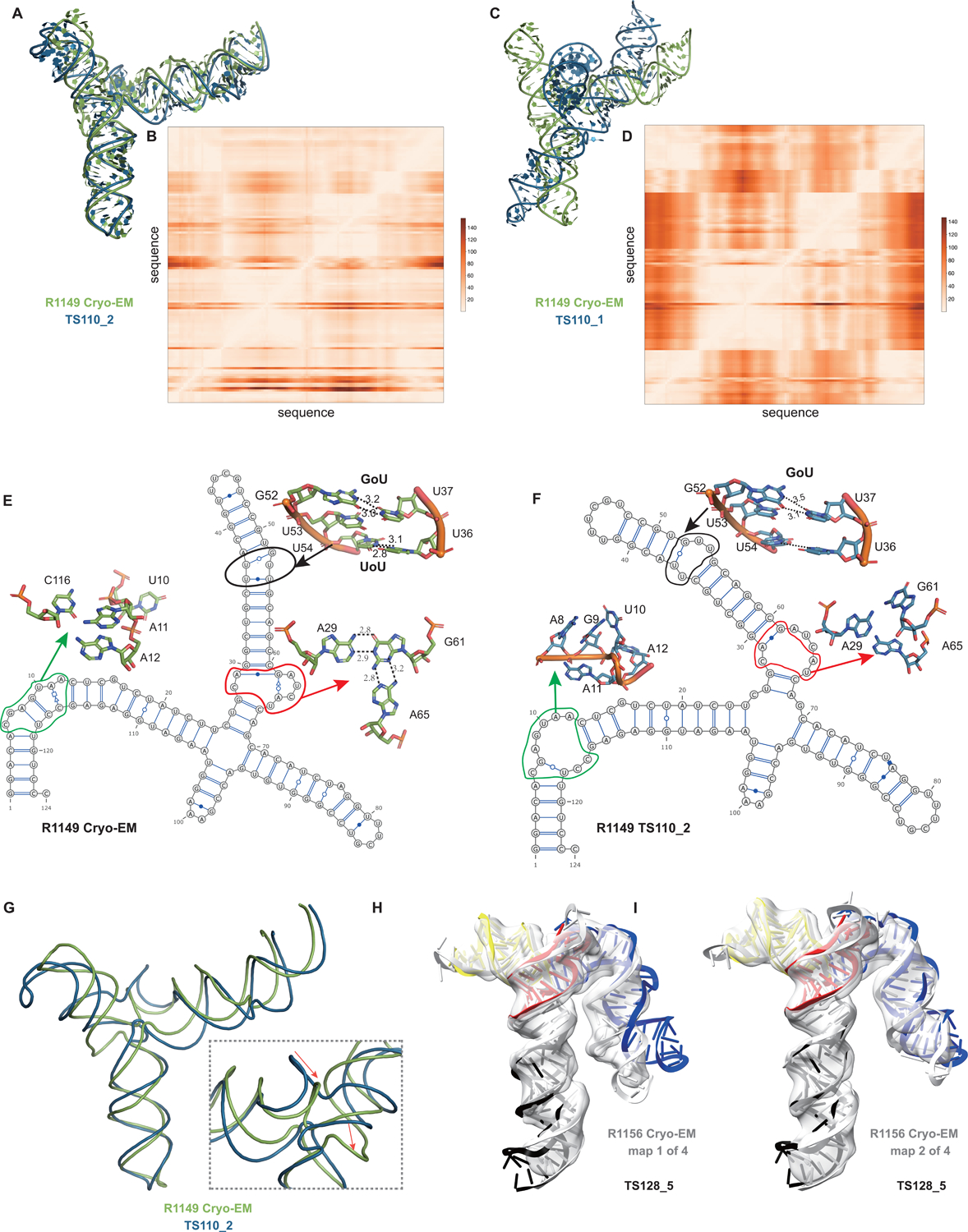
The prediction of RNA three-dimensional structures remains an unsolved problem. Here, we report assessments of RNA structure predictions in CASP15, the first CASP exercise that involved RNA structure modeling. Forty-two predictor groups submitted models for at least one of twelve RNA-containing targets. These models were evaluated by the RNA-Puzzles organizers and, separately, by a CASP-recruited team using metrics (GDT, lDDT) and approaches (Z-score rankings) initially developed for assessment of proteins and generalized here for RNA assessment. The two assessments independently ranked the same predictor groups as first (AIchemy_RNA2), second (Chen), and third (RNAPolis and GeneSilico, tied); predictions from deep learning approaches were significantly worse than these top ranked groups, which did not use deep learning. Further analyses based on direct comparison of predicted models to cryogenic electron microscopy (cryo-EM) maps and x-ray diffraction data support these rankings. With the exception of two RNA-protein complexes, models submitted by CASP15 groups correctly predicted the global fold of the RNA targets. Comparisons of CASP15 submissions to designed RNA nanostructures as well as molecular replacement trials highlight the potential utility of current RNA modeling approaches for RNA nanotechnology and structural biology, respectively. Nevertheless, challenges remain in modeling fine details such as noncanonical pairs, in ranking among submitted models, and in prediction of multiple structures resolved by cryo-EM or crystallography.
RNA 三维结构的预测仍然是一个未解决的问题。在这里,我们报告了在 CASP15 中的 RNA 结构预测评估,这是首次涉及 RNA 结构建模的 CASP 练习。四十二组预测者提交了至少十二个含 RNA 目标物之一的模型。这些模型由 RNA-Puzzles 组织者进行评估,并且由 CASP 招募的团队使用最初为评估蛋白质而开发并在此处推广用于 RNA 评估的指标(GDT、lDDT)和方法(Z 分数排名)进行单独评估。这两个评估独立地将相同的预测者组排在第一(AIchemy_RNA2)、第二(Chen)和第三(RNAPolis 和 GeneSilico,并列);没有使用深度学习的这些顶级组的预测明显优于深度学习方法的预测。基于对预测模型与低温电子显微镜(cryo-EM)图谱和 X 射线衍射数据的直接比较的进一步分析支持这些排名。除了两个 RNA-蛋白质复合物之外,CASP15 组提交的模型正确预测了 RNA 靶标的整体折叠。将 CASP15 提交的模型与设计的 RNA 纳米结构以及分子置换试验进行比较,分别突出了当前 RNA 建模方法在 RNA 纳米技术和结构生物学中的潜在用途。然而,在建模非规范对等精细细节、在提交模型中排名以及预测 cryo-EM 或结晶学解析的多个结构方面仍然存在挑战。