• 文献检索
  • 文档翻译
  • 深度研究
  • 学术资讯
  • Suppr Zotero 插件Zotero 插件
  • 邀请有礼
  • 套餐&价格
  • 历史记录
应用&插件
Suppr Zotero 插件Zotero 插件浏览器插件Mac 客户端Windows 客户端微信小程序
定价
高级版会员购买积分包购买API积分包
服务
文献检索文档翻译深度研究API 文档MCP 服务
关于我们
关于 Suppr公司介绍联系我们用户协议隐私条款
关注我们

Suppr 超能文献

核心技术专利:CN118964589B侵权必究
粤ICP备2023148730 号-1Suppr @ 2026

文献检索

告别复杂PubMed语法,用中文像聊天一样搜索,搜遍4000万医学文献。AI智能推荐,让科研检索更轻松。

立即免费搜索

文件翻译

保留排版,准确专业,支持PDF/Word/PPT等文件格式,支持 12+语言互译。

免费翻译文档

深度研究

AI帮你快速写综述,25分钟生成高质量综述,智能提取关键信息,辅助科研写作。

立即免费体验

多巴胺能系统会产生寻求奖励的行为,尽管会带来不良后果。

Dopaminergic systems create reward seeking despite adverse consequences.

机构信息

Centre for Neural Circuits and Behaviour, University of Oxford, Oxford, UK.

Friedrich Miescher Institute for Biomedical Research, Basel, Switzerland.

出版信息

Nature. 2023 Nov;623(7986):356-365. doi: 10.1038/s41586-023-06671-8. Epub 2023 Oct 25.

DOI:10.1038/s41586-023-06671-8
PMID:37880370
原文链接:https://pmc.ncbi.nlm.nih.gov/articles/PMC10632144/
Abstract

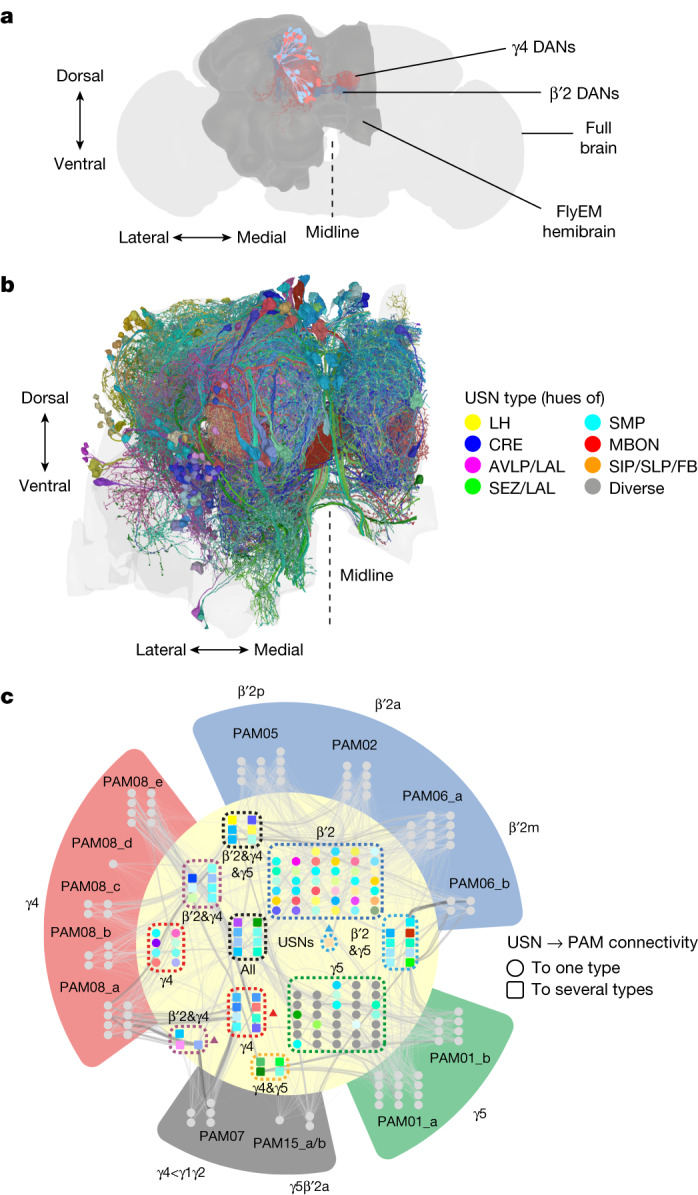
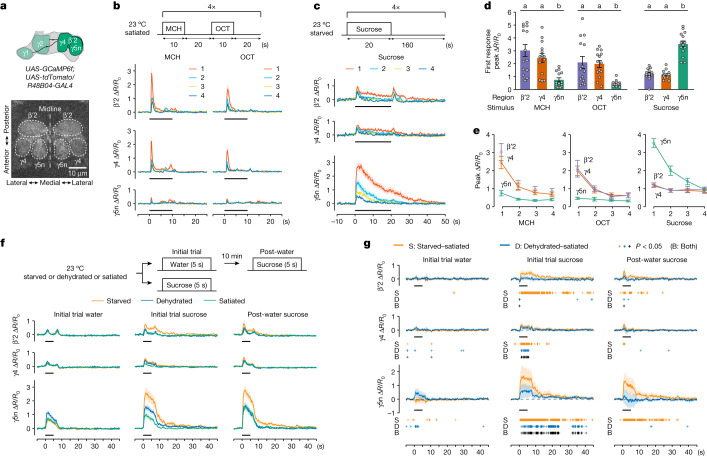
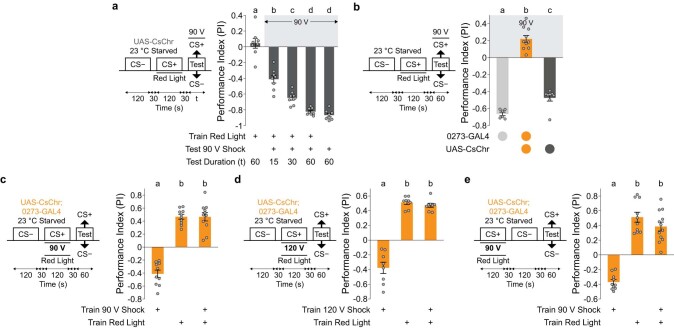
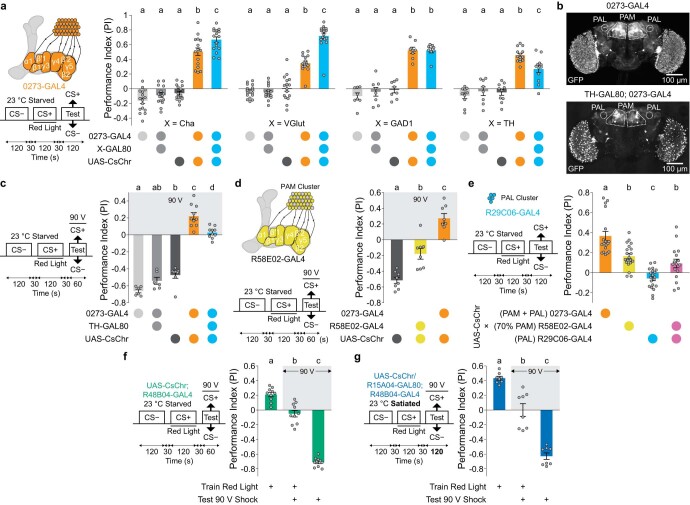
Resource-seeking behaviours are ordinarily constrained by physiological needs and threats of danger, and the loss of these controls is associated with pathological reward seeking. Although dysfunction of the dopaminergic valuation system of the brain is known to contribute towards unconstrained reward seeking, the underlying reasons for this behaviour are unclear. Here we describe dopaminergic neural mechanisms that produce reward seeking despite adverse consequences in Drosophila melanogaster. Odours paired with optogenetic activation of a defined subset of reward-encoding dopaminergic neurons become cues that starved flies seek while neglecting food and enduring electric shock punishment. Unconstrained seeking of reward is not observed after learning with sugar or synthetic engagement of other dopaminergic neuron populations. Antagonism between reward-encoding and punishment-encoding dopaminergic neurons accounts for the perseverance of reward seeking despite punishment, whereas synthetic engagement of the reward-encoding dopaminergic neurons also impairs the ordinary need-dependent dopaminergic valuation of available food. Connectome analyses reveal that the population of reward-encoding dopaminergic neurons receives highly heterogeneous input, consistent with parallel representation of diverse rewards, and recordings demonstrate state-specific gating and satiety-related signals. We propose that a similar dopaminergic valuation system dysfunction is likely to contribute to maladaptive seeking of rewards by mammals.

摘要

资源寻求行为通常受到生理需求和危险威胁的限制,而这些控制的丧失与病理性的奖励寻求有关。尽管大脑多巴胺能估值系统的功能障碍被认为是导致不受约束的奖励寻求的原因之一,但这种行为的根本原因尚不清楚。在这里,我们描述了即使在果蝇身上存在不利后果,多巴胺能神经机制也能产生奖励寻求行为。与光遗传学激活特定的奖励编码多巴胺能神经元配对的气味会成为饥饿的苍蝇在忽略食物和忍受电击惩罚的情况下寻求的线索。在学习用糖或其他多巴胺能神经元群体的合成刺激后,不会观察到不受约束的奖励寻求。奖励编码和惩罚编码多巴胺能神经元之间的拮抗作用解释了尽管受到惩罚,但奖励寻求仍能持续的原因,而奖励编码多巴胺能神经元的合成刺激也会损害可用食物的普通需要依赖的多巴胺能估值。连接组分析表明,奖励编码多巴胺能神经元群体接受高度异质的输入,与各种奖励的并行表示一致,并且记录表明状态特异性门控和与饱腹感相关的信号。我们提出,类似的多巴胺能估值系统功能障碍可能导致哺乳动物的适应性奖励寻求。
https://cdn.ncbi.nlm.nih.gov/pmc/blobs/6a81/10632144/bdc4d88ec5cf/41586_2023_6671_Fig16_ESM.jpg
https://cdn.ncbi.nlm.nih.gov/pmc/blobs/6a81/10632144/892cd4f32b40/41586_2023_6671_Fig1_HTML.jpg
https://cdn.ncbi.nlm.nih.gov/pmc/blobs/6a81/10632144/a162cda17bff/41586_2023_6671_Fig2_HTML.jpg
https://cdn.ncbi.nlm.nih.gov/pmc/blobs/6a81/10632144/1cf94b8e8773/41586_2023_6671_Fig3_HTML.jpg
https://cdn.ncbi.nlm.nih.gov/pmc/blobs/6a81/10632144/36fd9b9c9644/41586_2023_6671_Fig4_HTML.jpg
https://cdn.ncbi.nlm.nih.gov/pmc/blobs/6a81/10632144/742b77cf04c5/41586_2023_6671_Fig5_HTML.jpg
https://cdn.ncbi.nlm.nih.gov/pmc/blobs/6a81/10632144/8cab097b5dd3/41586_2023_6671_Fig6_HTML.jpg
https://cdn.ncbi.nlm.nih.gov/pmc/blobs/6a81/10632144/c04f3fe2ff60/41586_2023_6671_Fig7_ESM.jpg
https://cdn.ncbi.nlm.nih.gov/pmc/blobs/6a81/10632144/22b489ca2b88/41586_2023_6671_Fig8_ESM.jpg
https://cdn.ncbi.nlm.nih.gov/pmc/blobs/6a81/10632144/e77df1bb405c/41586_2023_6671_Fig9_ESM.jpg
https://cdn.ncbi.nlm.nih.gov/pmc/blobs/6a81/10632144/3ab298aee30c/41586_2023_6671_Fig10_ESM.jpg
https://cdn.ncbi.nlm.nih.gov/pmc/blobs/6a81/10632144/08c75570d7c8/41586_2023_6671_Fig11_ESM.jpg
https://cdn.ncbi.nlm.nih.gov/pmc/blobs/6a81/10632144/c517bc1c5c4d/41586_2023_6671_Fig12_ESM.jpg
https://cdn.ncbi.nlm.nih.gov/pmc/blobs/6a81/10632144/fa4e804cf3a0/41586_2023_6671_Fig13_ESM.jpg
https://cdn.ncbi.nlm.nih.gov/pmc/blobs/6a81/10632144/991c93ff4fed/41586_2023_6671_Fig14_ESM.jpg
https://cdn.ncbi.nlm.nih.gov/pmc/blobs/6a81/10632144/a081c139d33a/41586_2023_6671_Fig15_ESM.jpg
https://cdn.ncbi.nlm.nih.gov/pmc/blobs/6a81/10632144/bdc4d88ec5cf/41586_2023_6671_Fig16_ESM.jpg
https://cdn.ncbi.nlm.nih.gov/pmc/blobs/6a81/10632144/892cd4f32b40/41586_2023_6671_Fig1_HTML.jpg
https://cdn.ncbi.nlm.nih.gov/pmc/blobs/6a81/10632144/a162cda17bff/41586_2023_6671_Fig2_HTML.jpg
https://cdn.ncbi.nlm.nih.gov/pmc/blobs/6a81/10632144/1cf94b8e8773/41586_2023_6671_Fig3_HTML.jpg
https://cdn.ncbi.nlm.nih.gov/pmc/blobs/6a81/10632144/36fd9b9c9644/41586_2023_6671_Fig4_HTML.jpg
https://cdn.ncbi.nlm.nih.gov/pmc/blobs/6a81/10632144/742b77cf04c5/41586_2023_6671_Fig5_HTML.jpg
https://cdn.ncbi.nlm.nih.gov/pmc/blobs/6a81/10632144/8cab097b5dd3/41586_2023_6671_Fig6_HTML.jpg
https://cdn.ncbi.nlm.nih.gov/pmc/blobs/6a81/10632144/c04f3fe2ff60/41586_2023_6671_Fig7_ESM.jpg
https://cdn.ncbi.nlm.nih.gov/pmc/blobs/6a81/10632144/22b489ca2b88/41586_2023_6671_Fig8_ESM.jpg
https://cdn.ncbi.nlm.nih.gov/pmc/blobs/6a81/10632144/e77df1bb405c/41586_2023_6671_Fig9_ESM.jpg
https://cdn.ncbi.nlm.nih.gov/pmc/blobs/6a81/10632144/3ab298aee30c/41586_2023_6671_Fig10_ESM.jpg
https://cdn.ncbi.nlm.nih.gov/pmc/blobs/6a81/10632144/08c75570d7c8/41586_2023_6671_Fig11_ESM.jpg
https://cdn.ncbi.nlm.nih.gov/pmc/blobs/6a81/10632144/c517bc1c5c4d/41586_2023_6671_Fig12_ESM.jpg
https://cdn.ncbi.nlm.nih.gov/pmc/blobs/6a81/10632144/fa4e804cf3a0/41586_2023_6671_Fig13_ESM.jpg
https://cdn.ncbi.nlm.nih.gov/pmc/blobs/6a81/10632144/991c93ff4fed/41586_2023_6671_Fig14_ESM.jpg
https://cdn.ncbi.nlm.nih.gov/pmc/blobs/6a81/10632144/a081c139d33a/41586_2023_6671_Fig15_ESM.jpg
https://cdn.ncbi.nlm.nih.gov/pmc/blobs/6a81/10632144/bdc4d88ec5cf/41586_2023_6671_Fig16_ESM.jpg

相似文献

1
Dopaminergic systems create reward seeking despite adverse consequences.多巴胺能系统会产生寻求奖励的行为,尽管会带来不良后果。
Nature. 2023 Nov;623(7986):356-365. doi: 10.1038/s41586-023-06671-8. Epub 2023 Oct 25.
2
Dopaminergic mechanism underlying reward-encoding of punishment omission during reversal learning in Drosophila.在果蝇的反转学习中,多巴胺能机制在惩罚缺失的奖励编码中的作用。
Nat Commun. 2021 Feb 18;12(1):1115. doi: 10.1038/s41467-021-21388-w.
3
A subset of dopamine neurons signals reward for odour memory in Drosophila.一小部分多巴胺神经元为果蝇的气味记忆信号提供奖赏。
Nature. 2012 Aug 23;488(7412):512-6. doi: 10.1038/nature11304.
4
Neuron-type-specific signals for reward and punishment in the ventral tegmental area.腹侧被盖区中与奖赏和惩罚相关的神经元类型特异性信号。
Nature. 2012 Jan 18;482(7383):85-8. doi: 10.1038/nature10754.
5
Dopamine-mediated interactions between short- and long-term memory dynamics.多巴胺介导的短期记忆和长期记忆动力学之间的相互作用。
Nature. 2024 Oct;634(8036):1141-1149. doi: 10.1038/s41586-024-07819-w. Epub 2024 Jul 22.
6
Shared mushroom body circuits underlie visual and olfactory memories in Drosophila.共享的蘑菇体回路是果蝇视觉和嗅觉记忆的基础。
Elife. 2014 Aug 19;3:e02395. doi: 10.7554/eLife.02395.
7
Reward signaling in a recurrent circuit of dopaminergic neurons and peptidergic Kenyon cells.多巴胺能神经元和肽能肯扬细胞的复发性电路中的奖励信号。
Nat Commun. 2019 Jul 15;10(1):3097. doi: 10.1038/s41467-019-11092-1.
8
Participation of octopaminergic reward system and dopaminergic punishment system in insect olfactory learning revealed by pharmacological study.药理学研究揭示章鱼胺能奖赏系统和多巴胺能惩罚系统在昆虫嗅觉学习中的作用。
Eur J Neurosci. 2005 Sep;22(6):1409-16. doi: 10.1111/j.1460-9568.2005.04318.x.
9
Dopamine neurons that inform Drosophila olfactory memory have distinct, acute functions driving attraction and aversion.向果蝇嗅觉记忆提供信息的多巴胺神经元具有驱动吸引和厌恶的独特急性功能。
PLoS Biol. 2024 Nov 18;22(11):e3002843. doi: 10.1371/journal.pbio.3002843. eCollection 2024 Nov.
10
Reinforcement signaling of punishment versus relief in fruit flies.果蝇中惩罚与缓解的强化信号
Learn Mem. 2018 May 15;25(6):247-257. doi: 10.1101/lm.047308.118. Print 2018 Jun.

引用本文的文献

1
Dopamine supports reward prediction to constrain reward seeking.多巴胺支持奖励预测以限制奖励寻求行为。
bioRxiv. 2025 Aug 23:2025.08.22.671841. doi: 10.1101/2025.08.22.671841.
2
Modulates Dopamine to Increase Sugar Responsiveness in Honeybees ().调节多巴胺以增强蜜蜂对糖分的反应性()。
Int J Mol Sci. 2024 Dec 18;25(24):13550. doi: 10.3390/ijms252413550.
3
Dopamine neurons that inform Drosophila olfactory memory have distinct, acute functions driving attraction and aversion.向果蝇嗅觉记忆提供信息的多巴胺神经元具有驱动吸引和厌恶的独特急性功能。

本文引用的文献

1
Neural circuit mechanisms linking courtship and reward in Drosophila males.果蝇雄蝇中求偶和奖赏相关的神经回路机制。
Curr Biol. 2023 May 22;33(10):2034-2050.e8. doi: 10.1016/j.cub.2023.04.041. Epub 2023 May 8.
2
Differential coding of absolute and relative aversive value in the Drosophila brain.果蝇脑中绝对和相对厌恶值的差异编码。
Curr Biol. 2022 Nov 7;32(21):4576-4592.e5. doi: 10.1016/j.cub.2022.08.058. Epub 2022 Sep 13.
3
Fiber photometry in striatum reflects primarily nonsomatic changes in calcium.纹状体中的光纤光度测定主要反映钙的非体细胞变化。
PLoS Biol. 2024 Nov 18;22(11):e3002843. doi: 10.1371/journal.pbio.3002843. eCollection 2024 Nov.
4
An integrative sensor of body states: how the mushroom body modulates behavior depending on physiological context.一种综合性的身体状态传感器:蘑菇体如何根据生理背景调节行为。
Learn Mem. 2024 Jun 14;31(5). doi: 10.1101/lm.053918.124. Print 2024 May.
5
Future avenues in mushroom body research.蘑菇体研究的未来途径。
Learn Mem. 2024 Jun 11;31(5). doi: 10.1101/lm.053863.123. Print 2024 May.
6
Dopamine determines how reward overrides risk.多巴胺决定了奖励如何克服风险。
Nature. 2023 Nov;623(7986):258-259. doi: 10.1038/d41586-023-03085-4.
Nat Neurosci. 2022 Sep;25(9):1124-1128. doi: 10.1038/s41593-022-01152-z. Epub 2022 Aug 30.
4
Are we compulsively chasing rainbows?我们是在强迫性地追逐彩虹吗?
Neuropsychopharmacology. 2022 Nov;47(12):2013-2015. doi: 10.1038/s41386-022-01419-w. Epub 2022 Aug 18.
5
Context-dependent representations of movement in Drosophila dopaminergic reinforcement pathways.果蝇多巴胺强化途径中运动的上下文相关表示。
Nat Neurosci. 2021 Nov;24(11):1555-1566. doi: 10.1038/s41593-021-00929-y. Epub 2021 Oct 25.
6
Consolidating the Circuit Model for Addiction.巩固成瘾的回路模型。
Annu Rev Neurosci. 2021 Jul 8;44:173-195. doi: 10.1146/annurev-neuro-092920-123905. Epub 2021 Mar 5.
7
The connectome of the adult Drosophila mushroom body provides insights into function.成年果蝇蘑菇体的连接组提供了对其功能的深入了解。
Elife. 2020 Dec 14;9:e62576. doi: 10.7554/eLife.62576.
8
A connectome and analysis of the adult central brain.一个成年中枢大脑的连接组和分析。
Elife. 2020 Sep 7;9:e57443. doi: 10.7554/eLife.57443.
9
Complete Connectomic Reconstruction of Olfactory Projection Neurons in the Fly Brain.完整的果蝇大脑嗅球投射神经元连接组重构
Curr Biol. 2020 Aug 17;30(16):3183-3199.e6. doi: 10.1016/j.cub.2020.06.042. Epub 2020 Jul 2.
10
Input Connectivity Reveals Additional Heterogeneity of Dopaminergic Reinforcement in Drosophila.输入连接揭示了果蝇多巴胺强化的额外异质性。
Curr Biol. 2020 Aug 17;30(16):3200-3211.e8. doi: 10.1016/j.cub.2020.05.077. Epub 2020 Jul 2.