Campus of Engineering and Agricultural Sciences of the Federal University of Alagoas, Rio Largo, Brazil.
J Ethnobiol Ethnomed. 2023 Oct 25;19(1):47. doi: 10.1186/s13002-023-00619-y.
This systematic review and meta-analysis sought to investigate the patterns of use of native wild food plants of Brazil (native and non-cultivated).
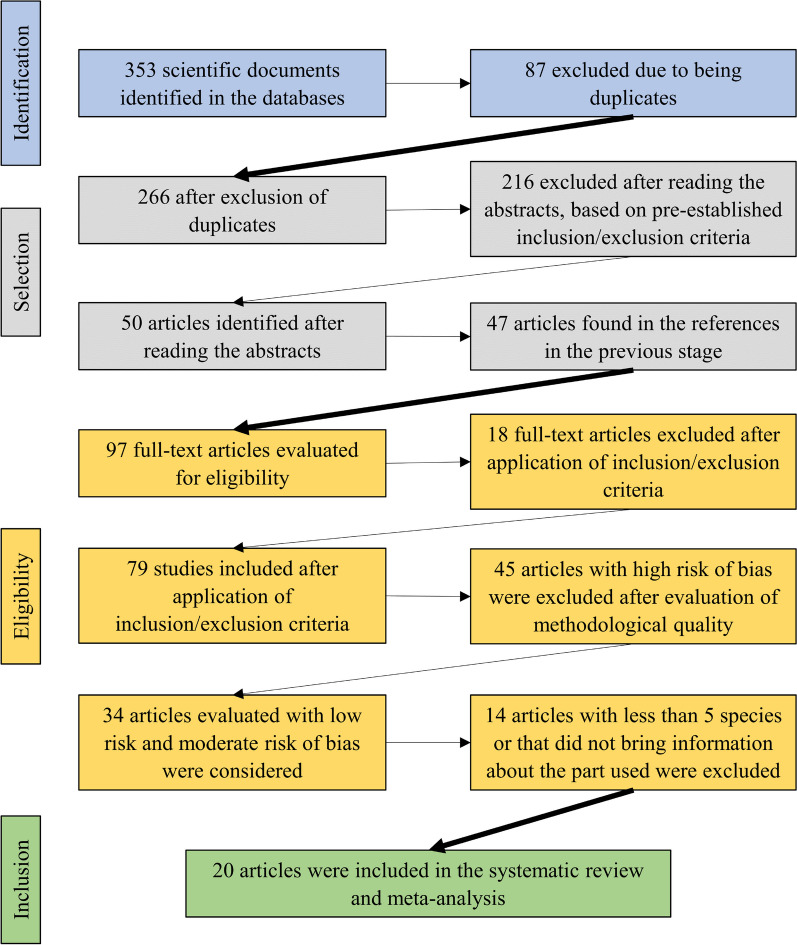
We searched ethnobiological works with food plants in Web of Science, Scielo, Scopus and PubMed using different sets of keywords. Initially, the studies were evaluated based on inclusion criteria (systematic data collection instruments, such as interviews; specification of methods for data collection; and the presence of a species list). The methodological quality of each study was evaluated to define the risk of bias. A total of 20 articles met all criteria and were included in the review.
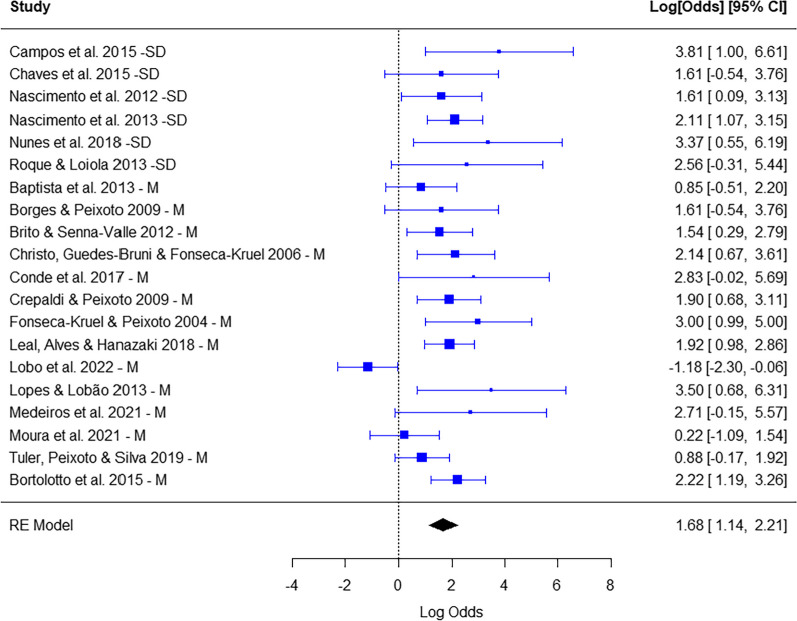
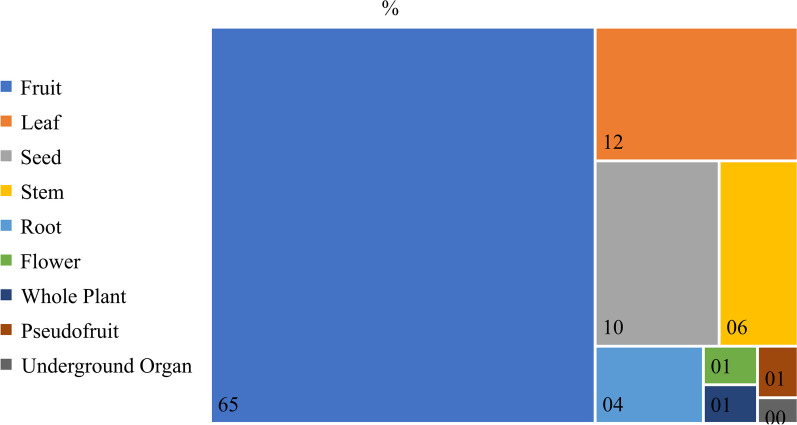
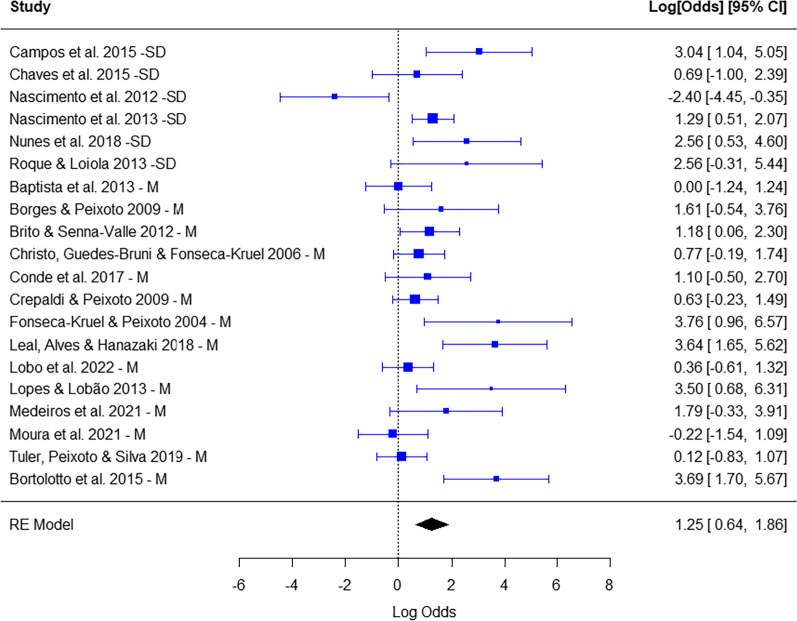
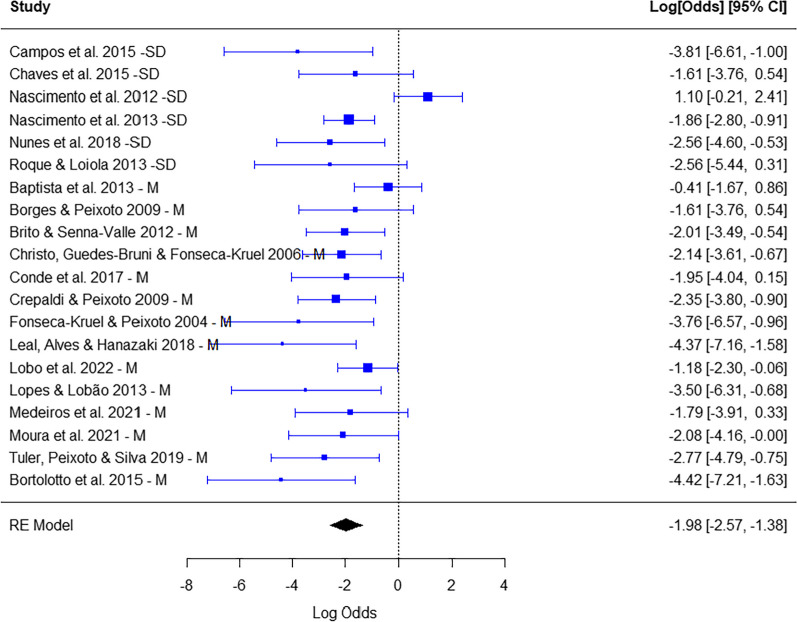
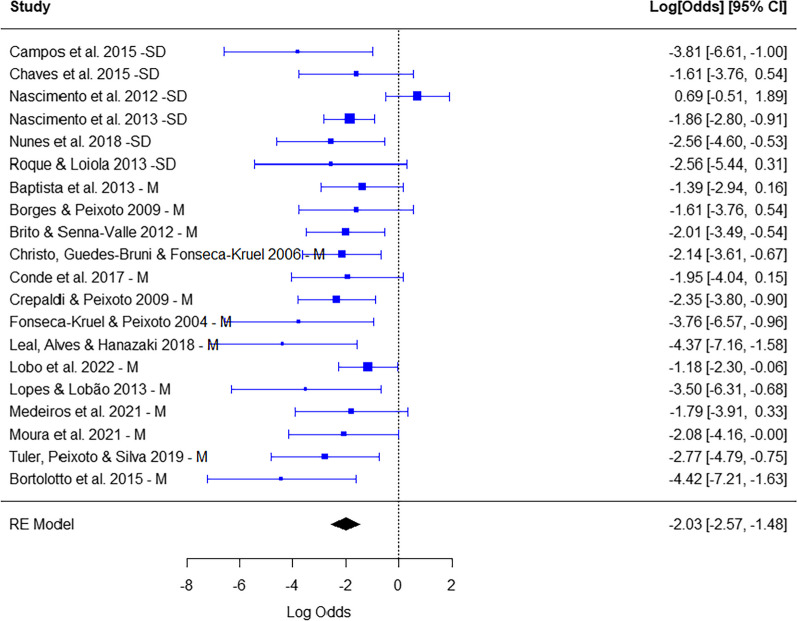
The results showed that there was a predominance of consumption of fruits, followed by leaves and seeds, which together represented 85.8% of the total parts. As for the meta-analysis, there was a predominance of use of plant parts classified as reproductive, non-persistent, non-destructive and parts of woody plants. There was no interference from the type of ecosystem (seasonally dry x moist). The results did not support the seasonality hypothesis.
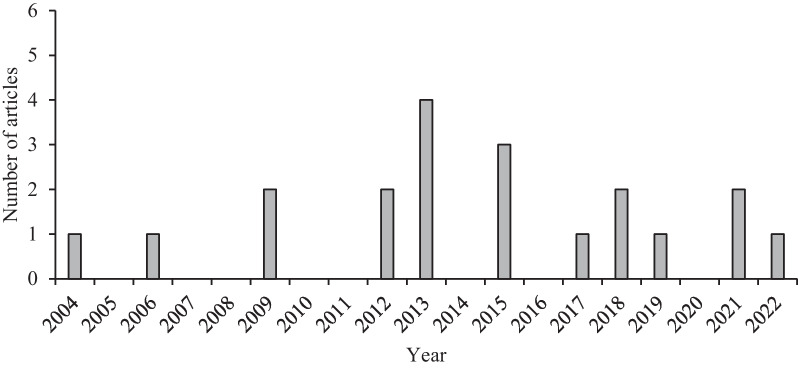
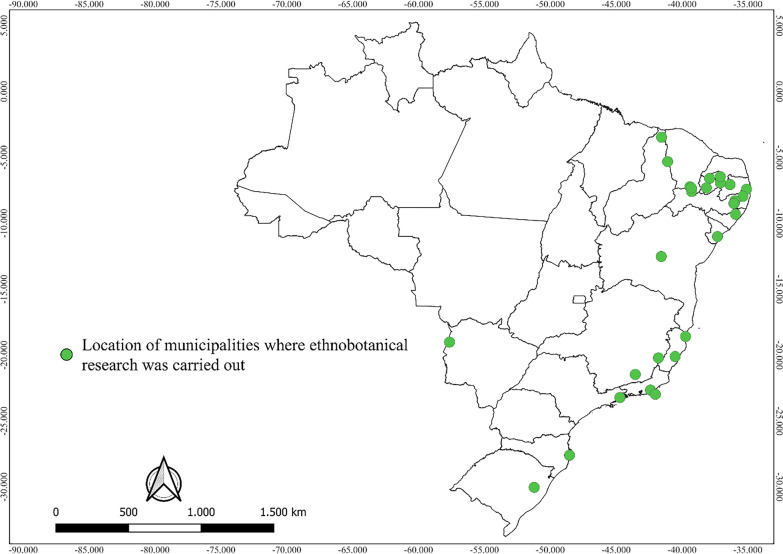
The concentration of studies in the Northeast, Southeast and South regions of Brazil and in the Atlantic Forest and Caatinga biomes points to the need for a greater effort in terms of quantitative ethnobotanical research in other regions and biomes. The predominance of fruits and plant parts classified as reproductive, non-persistent and non-destructive points to the high potential for implementation of sustainable management strategies aimed at these plants in the country.
本系统评价和荟萃分析旨在调查巴西(本地和非栽培)野生食用植物的使用模式。
我们在 Web of Science、Scielo、Scopus 和 PubMed 上使用不同的关键词集搜索了具有食用植物的民族生物学著作。最初,根据纳入标准(系统数据收集工具,如访谈;指定数据收集方法;以及存在物种清单)评估研究。评估了每项研究的方法学质量,以确定偏倚风险。共有 20 篇文章符合所有标准,并纳入了综述。
结果表明,食用以水果为主,其次是叶子和种子,共占总部位的 85.8%。至于荟萃分析,生殖、非持久、非破坏性的植物部位和木本植物部位的使用占主导地位。生态系统类型(季节性干旱 x 湿润)没有干扰。结果不支持季节性假说。
研究集中在巴西的东北部、东南部和南部地区,以及大西洋森林和卡廷加生物群落,这表明需要在其他地区和生物群落中加强定量民族植物学研究。水果和生殖、非持久和非破坏性植物部位的占比较高,这表明该国针对这些植物实施可持续管理策略的潜力很大。