Aremu Adeyemi O, Pendota Srinivasa C
Indigenous Knowledge Systems Centre, Faculty of Natural and Agricultural Sciences, North-West University, Mmabatho, South Africa.
School of Life Sciences, University of KwaZulu-Natal Pietermaritzburg, Scottsville, South Africa.
Front Pharmacol. 2021 Oct 22;12:758583. doi: 10.3389/fphar.2021.758583. eCollection 2021.
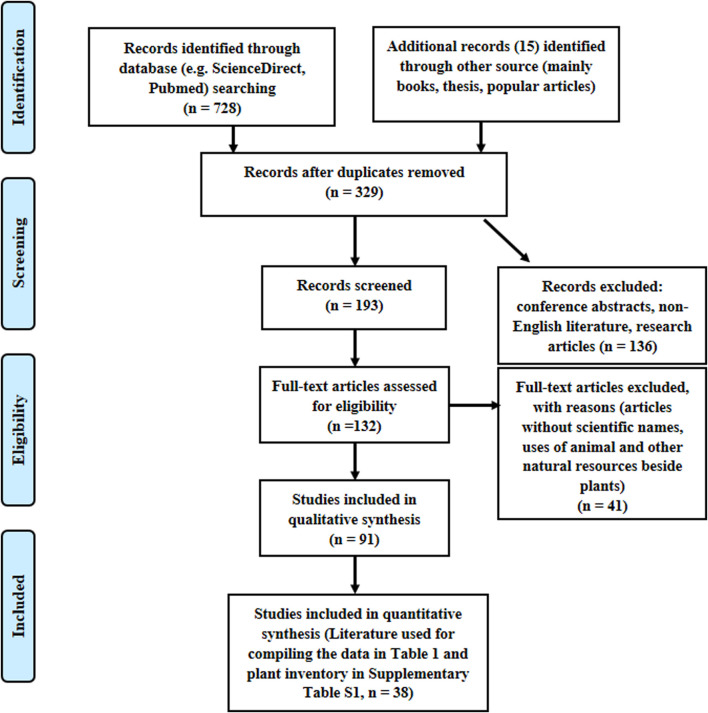
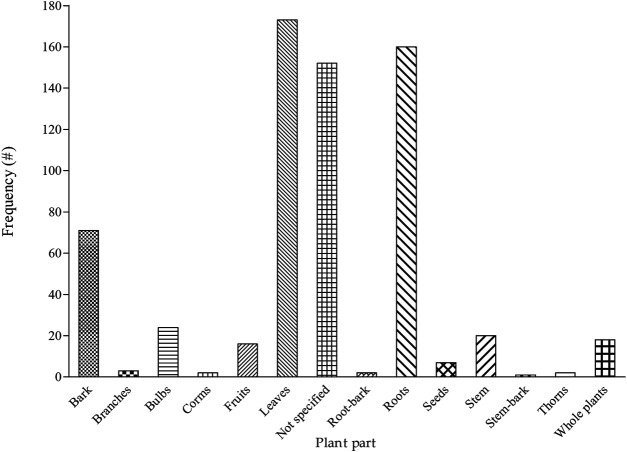
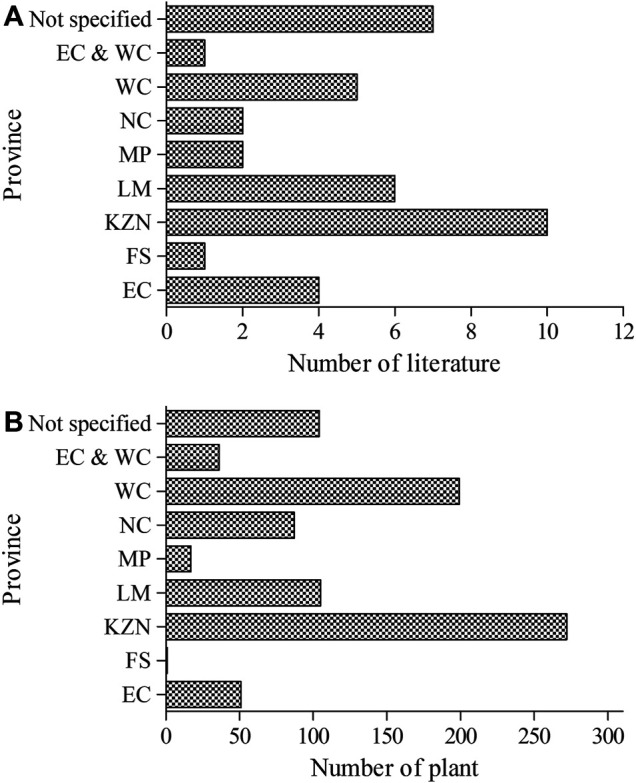
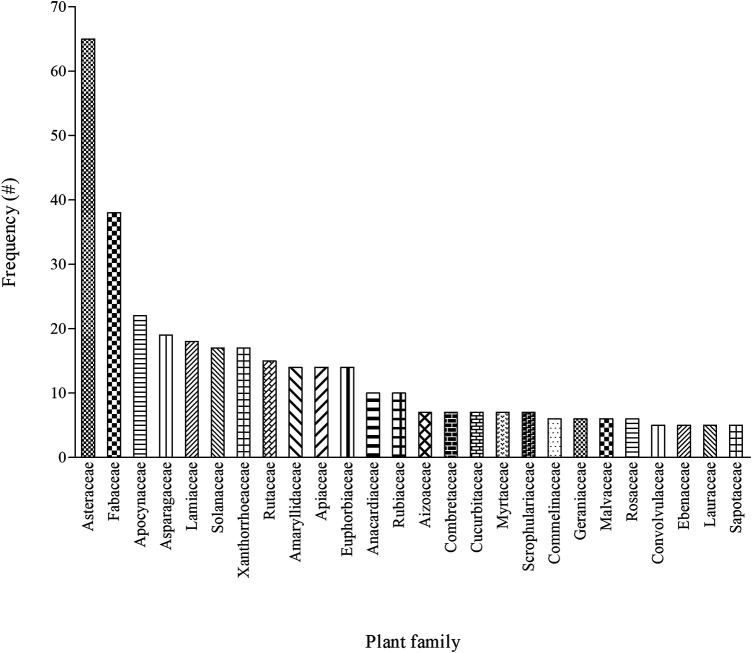
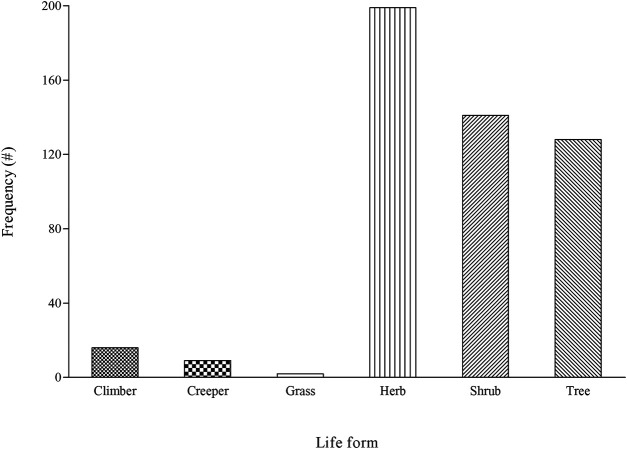
In South Africa, traditional medicine remains the first point of call for a significant proportion of the population seeking primary healthcare needs. This is particularly important for treating common conditions including pain and inflammation which are often associated with many disease conditions. This review focuses on the analysis of the trend and pattern of plants used for mitigating pain and inflammatory-related conditions in South African folk medicine. An extensive search was conducted using various scientific databases and popular ethnobotanical literature focusing on South African ethnobotany. Based on the systematic analysis, 38 sources were selected to generate the inventory of 495 plants from 99 families that are considered as remedies for pain and inflammatory-related conditions (e.g., headache, toothache, backache, menstrual pain, and rheumatism) among different ethnic groups in South Africa. The majority (55%) of the 38 studies were recorded in three provinces, namely, KwaZulu-Natal, Limpopo, and Western Cape. In terms of the number of mentions, the most popular plants used for pain and inflammatory-related conditions in South Africa were L. (10), Mill. (8), subsp. (Hochst.) Verdc. (8), Jacq var. (L.f) Benth. (8), (L.) W.T.Aiton. (7) L. (7), and Dunal. (7). The top five plant families represented were Asteraceae (13%), Fabaceae (8%), Apocynaceae (4.3%), Asparagaceae (4%), and Lamiaceae (4%). An estimated 54% of the recorded plants were woody (trees and shrubs) in nature, while the leaves (27%) and roots (25%) were the most dominant plant parts. The use of plants for alleviating pain and inflammatory-related conditions remains popular in South African folk medicine. The lagging ethnobotanical information from provinces such as North West, Gauteng, and Free State remains a gap that needs to be pursued meticulously in order to have a complete country-wide database.
在南非,对于很大一部分有初级医疗保健需求的人口来说,传统医学仍然是首选。这对于治疗常见病症尤为重要,这些病症包括疼痛和炎症,它们常常与许多疾病状况相关。本综述着重分析南非民间医学中用于缓解疼痛和炎症相关病症的植物的趋势和模式。利用各种科学数据库以及聚焦于南非民族植物学的流行民族植物学文献进行了广泛搜索。基于系统分析,选择了38个来源,以生成一份来自99个科的495种植物的清单,这些植物被认为是南非不同种族群体中治疗疼痛和炎症相关病症(如头痛、牙痛、背痛、痛经和风湿病)的药物。38项研究中的大多数(55%)记录于夸祖鲁-纳塔尔省、林波波省和西开普省这三个省份。就提及次数而言,南非用于疼痛和炎症相关病症的最常用植物是L.(10次)、Mill.(8次)、subsp.(Hochst.)Verdc.(8次)、Jacq var.(L.f)Benth.(8次)、(L.) W.T.Aiton.(7次)L.(7次)和Dunal.(7次)。所代表的前五大植物科为菊科(13%)、豆科(8%)、夹竹桃科(4.3%)、天门冬科(4%)和唇形科(4%)。据估计,记录的植物中有54%本质上是木本植物(乔木和灌木),而叶子(27%)和根(25%)是最主要的植物部位。在南非民间医学中,使用植物缓解疼痛和炎症相关病症仍然很普遍。来自西北省、豪登省和自由州等省份的民族植物学信息滞后,这仍然是一个需要精心填补的空白,以便建立一个完整的全国性数据库。