Department of Orthopedic Surgery, Johns Hopkins University School of Medicine, Baltimore, MD, 21205, USA.
Department of Endocrinology, Endocrinology Research Center, Xiangya Hospital of Central South University, Changsha, Hunan, 410008, China.
Adv Sci (Weinh). 2023 Dec;10(35):e2305042. doi: 10.1002/advs.202305042. Epub 2023 Oct 25.
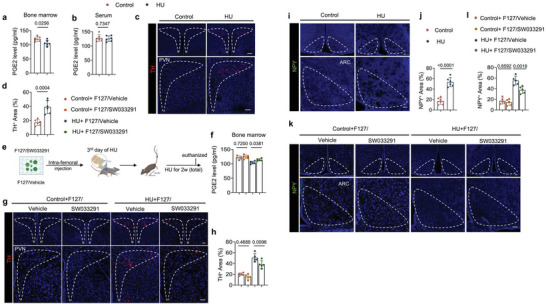
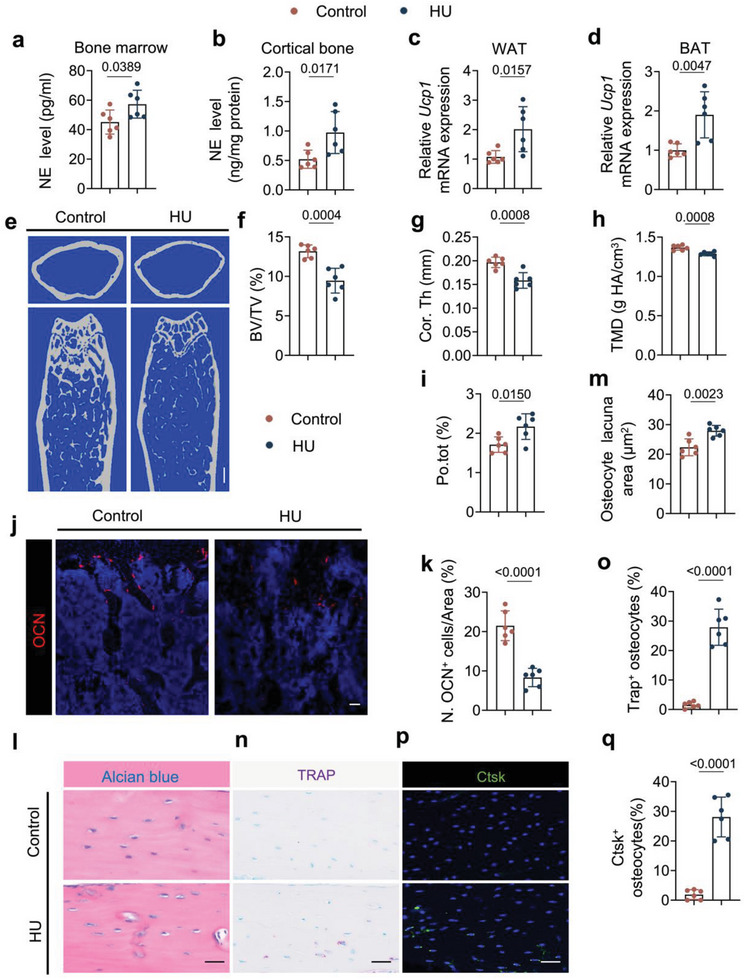
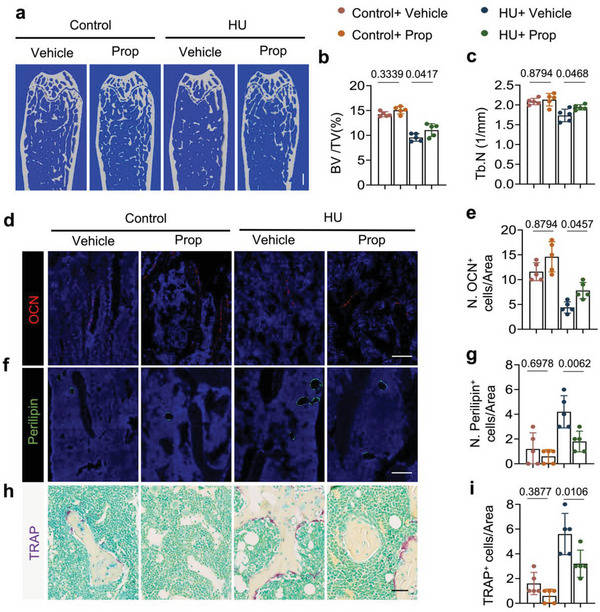
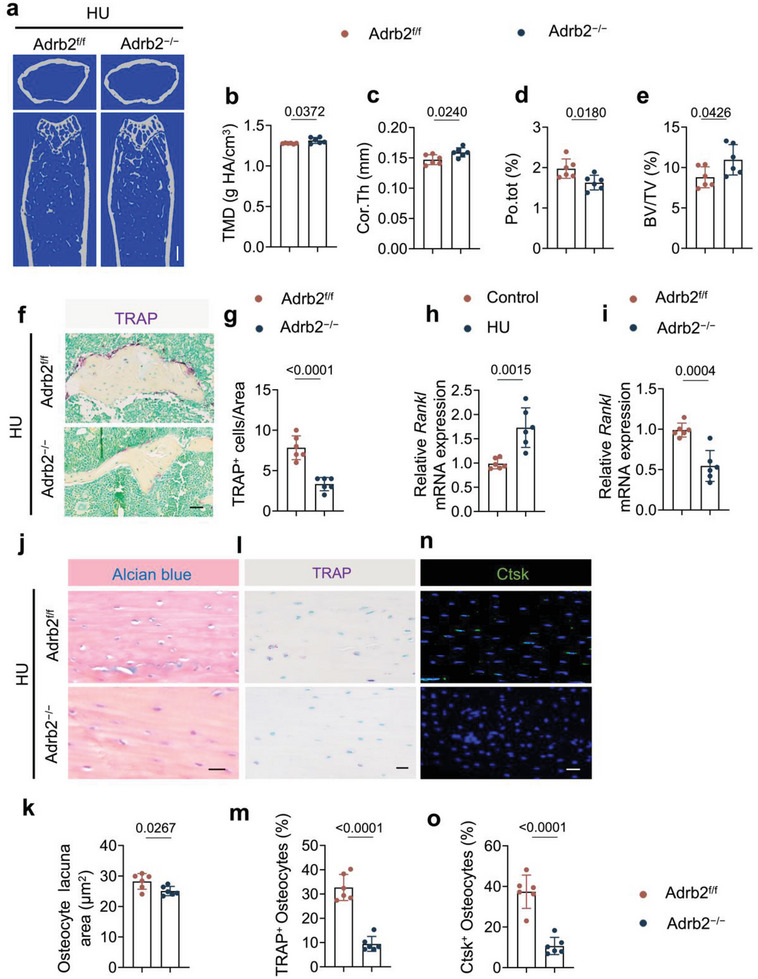
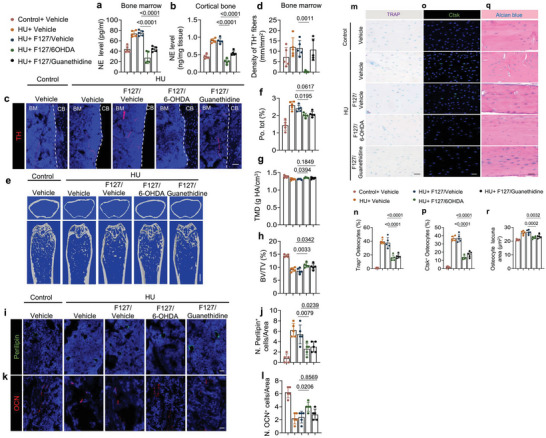
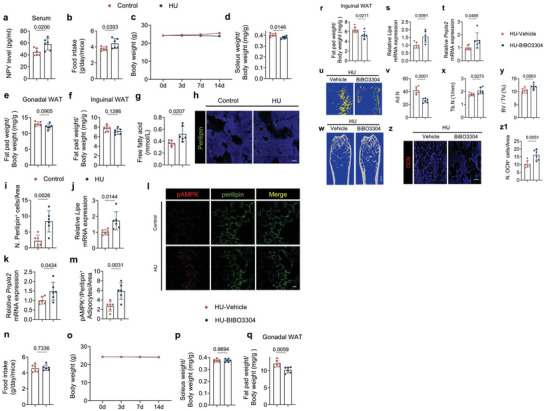
Microgravity is the primary factor that affects human physiology in spaceflight, particularly bone loss and disturbances of the central nervous system. However, little is known about the cellular and molecular mechanisms of these effects. Here, it is reported that in mice hindlimb unloading stimulates expression of neuropeptide Y (NPY) and tyrosine hydroxylase (TH) in the hypothalamus, resulting in bone loss and altered fat metabolism. Enhanced expression of TH and NPY in the hypothalamus occurs downstream of a reduced prostaglandin E2 (PGE2)-mediated ascending interoceptive signaling of the skeletal interoception. Sympathetic antagonist propranolol or deletion of Adrb2 in osteocytes rescue bone loss in the unloading model. Moreover, depletion of TH sympathetic nerves or inhibition of norepinephrine release ameliorated bone resorption. Stereotactic inhibition of NPY expression in the hypothalamic neurons reduces the food intake with altered energy expenditure with a limited effect on bone, indicating hypothalamic neuroendocrine factor NPY in the facilitation of bone formation by sympathetic TH activity. These findings suggest that reduced PGE2-mediated interoceptive signaling in response to microgravity or unloading has impacts on the skeletal and central nervous systems that are reciprocally regulated.
微重力是航天飞行中影响人体生理学的主要因素,特别是骨丢失和中枢神经系统紊乱。然而,对于这些影响的细胞和分子机制知之甚少。在这里,据报道,在小鼠后肢去负荷刺激下丘脑神经肽 Y (NPY) 和酪氨酸羟化酶 (TH) 的表达,导致骨丢失和脂肪代谢改变。TH 和 NPY 在下丘脑的表达增强发生在前列腺素 E2 (PGE2) 介导的骨骼内脏传入信号减少的下游,这种信号的减少会导致内脏传入信号的上升。交感神经拮抗剂普萘洛尔或成骨细胞中 Adrb2 的缺失可挽救去负荷模型中的骨丢失。此外,TH 交感神经纤维的耗竭或去甲肾上腺素释放的抑制可改善骨吸收。立体定向抑制下丘脑神经元中的 NPY 表达可减少食物摄入,改变能量消耗,对骨骼的影响有限,表明下丘脑神经内分泌因子 NPY 促进了交感神经 TH 活性对骨形成的作用。这些发现表明,对微重力或去负荷的 PGE2 介导的内脏传入信号的减少对骨骼和中枢神经系统有相互调节的影响。