Pace Mario, Cannella Roberto, Di Stefano Vincenzo, Lupica Antonino, Alonge Paolo, Morici Giulio, Brighina Filippo, Brancato Federica, Midiri Federico, Galia Massimo
Section of Radiology, Department of Biomedicine, Neuroscience and Advanced Diagnostics (BiND), University Hospital "Paolo Giaccone", Via del Vespro 129, 90127 Palermo, Italy.
Section of Neurology, Department of Biomedicine, Neuroscience and Advanced Diagnostic (BIND), University of Palermo, 90127 Palermo, Italy.
Brain Sci. 2023 Oct 23;13(10):1500. doi: 10.3390/brainsci13101500.
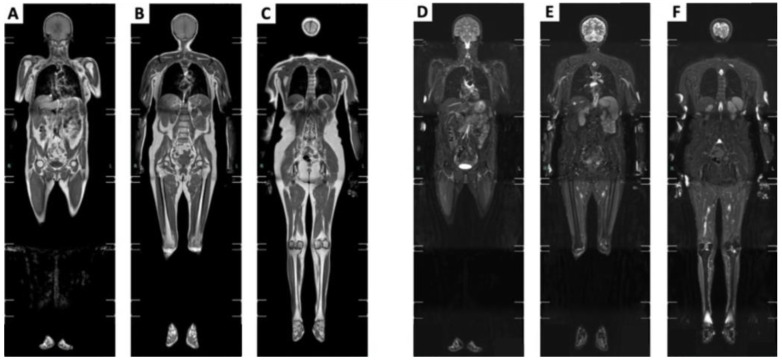
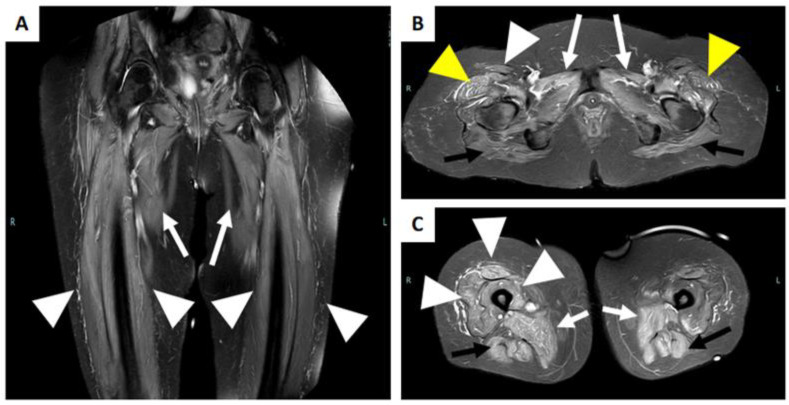
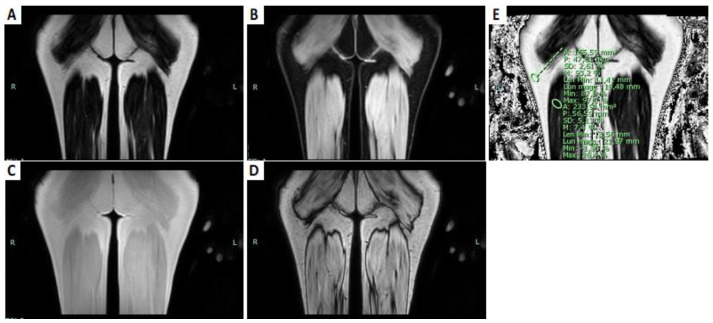
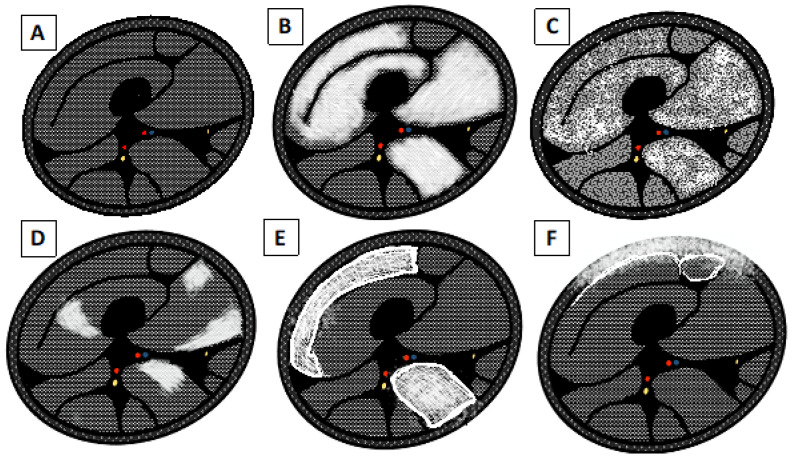
Autoimmune neuromuscular diseases are a group of heterogenous pathologies secondary to the activation of the immune system that damage the structures of the peripheric nerve, the neuromuscular junction, or the skeleton muscle. The diagnosis of autoimmune neuromuscular disorders comprises a combination of data from clinical, laboratory, electromyography, imaging exam, and biopsy. Particularly, the whole-body MRI examination in the last two decades has been of great use in the assessment of neuromuscular disorders. MRI provides information about the structures involved and the status of activity of the disease. It can also be used as a biomarker, detect the pattern of specific muscle involvement, and is a useful tool for targeting the optimal muscle site for biopsy. In this work, we summarized the most used technical protocol of whole-body MRI and the role of this imaging technique in autoimmune neuromuscular disorders.
自身免疫性神经肌肉疾病是一组继发于免疫系统激活的异质性病理状态,会损害周围神经、神经肌肉接头或骨骼肌的结构。自身免疫性神经肌肉疾病的诊断包括临床、实验室、肌电图、影像学检查和活检等多方面的数据综合。特别是在过去二十年中,全身MRI检查在神经肌肉疾病的评估中发挥了重要作用。MRI可提供有关受累结构及疾病活动状态的信息。它还可作为一种生物标志物,检测特定肌肉受累模式,并且是确定活检最佳肌肉部位的有用工具。在本研究中,我们总结了全身MRI最常用的技术方案以及该成像技术在自身免疫性神经肌肉疾病中的作用。