Departments of Biological Sciences, Inflammation Research Network, University of Calgary, 2500 University Dr. N.W, Calgary, T2N 1N4, Canada.
Faculty of Pharmacy, University of Coimbra, 3000-548, Coimbra, Portugal.
Eur J Clin Microbiol Infect Dis. 2023 Dec;42(12):1405-1423. doi: 10.1007/s10096-023-04677-8. Epub 2023 Oct 28.
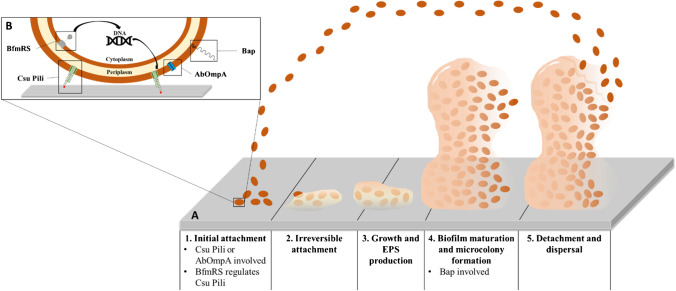
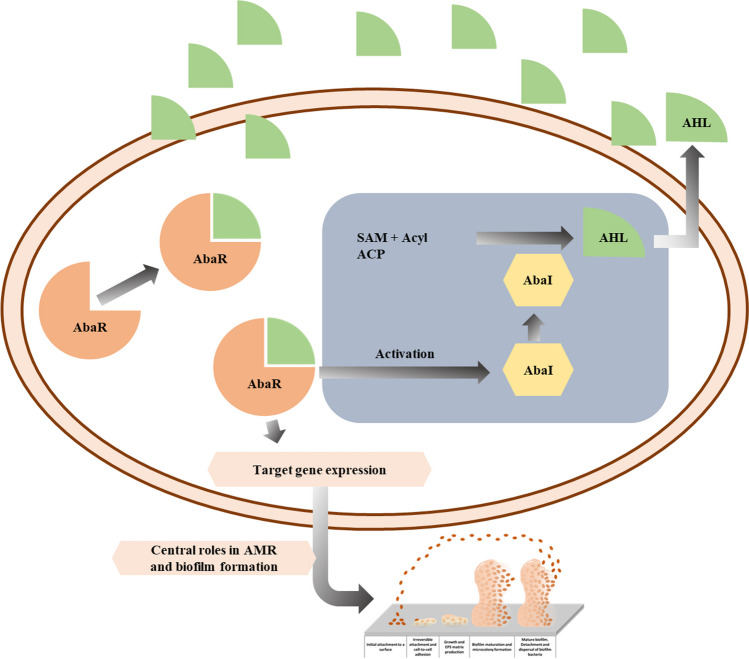
In recent years, multidrug-resistant Acinetobacter baumannii has emerged globally as a major threat to the healthcare system. It is now listed by the World Health Organization as a priority one for the need of new therapeutic agents. A. baumannii has the capacity to develop robust biofilms on biotic and abiotic surfaces. Biofilm development allows these bacteria to resist various environmental stressors, including antibiotics and lack of nutrients or water, which in turn allows the persistence of A. baumannii in the hospital environment and further outbreaks. Investigation into therapeutic alternatives that will act on both biofilm formation and antimicrobial resistance (AMR) is sorely needed. The aim of the present review is to critically discuss the various mechanisms by which AMR and biofilm formation may be co-regulated in A. baumannii in an attempt to shed light on paths towards novel therapeutic opportunities. After discussing the clinical importance of A. baumannii, this critical review highlights biofilm-formation genes that may be associated with the co-regulation of AMR. Particularly worthy of consideration are genes regulating the quorum sensing system AbaI/AbaR, AbOmpA (OmpA protein), Bap (biofilm-associated protein), the two-component regulatory system BfmRS, the PER-1 β-lactamase, EpsA, and PTK. Finally, this review discusses ongoing experimental therapeutic strategies to fight A. baumannii infections, namely vaccine development, quorum sensing interference, nanoparticles, metal ions, natural products, antimicrobial peptides, and phage therapy. A better understanding of the mechanisms that co-regulate biofilm formation and AMR will help identify new therapeutic targets, as combined approaches may confer synergistic benefits for effective and safer treatments.
近年来,多药耐药鲍曼不动杆菌在全球范围内迅速出现,成为医疗保健系统的主要威胁。目前,世界卫生组织已将其列为需要新型治疗药物的首要病原体之一。鲍曼不动杆菌有能力在生物和非生物表面形成坚固的生物膜。生物膜的形成使这些细菌能够抵抗各种环境压力,包括抗生素和缺乏营养或水,这反过来又使鲍曼不动杆菌能够在医院环境中持续存在并进一步爆发。迫切需要研究能够同时作用于生物膜形成和抗菌耐药性(AMR)的治疗替代方案。本综述的目的是批判性地讨论 AMR 和生物膜形成可能在鲍曼不动杆菌中共同调控的各种机制,以期为新的治疗机会提供启示。在讨论了鲍曼不动杆菌的临床重要性之后,本批判性综述强调了可能与 AMR 共同调控相关的生物膜形成基因。值得特别考虑的是调节群体感应系统 AbaI/AbaR、AbOmpA(OmpA 蛋白)、Bap(生物膜相关蛋白)、双组分调节系统 BfmRS、PER-1 β-内酰胺酶、EpsA 和 PTK 的基因。最后,本综述讨论了目前用于治疗鲍曼不动杆菌感染的实验性治疗策略,即疫苗开发、群体感应干扰、纳米颗粒、金属离子、天然产物、抗菌肽和噬菌体治疗。更好地了解共同调控生物膜形成和 AMR 的机制将有助于确定新的治疗靶点,因为联合方法可能为有效和更安全的治疗提供协同益处。