College of Animal Science and Technology, Gansu Agricultural University, Lanzhou, Gansu, China.
Gansu Research Center for Swine Production Engineering and Technology, Lanzhou, Gansu, China.
PeerJ. 2023 Oct 24;11:e16341. doi: 10.7717/peerj.16341. eCollection 2023.
Breast carcinoma amplified sequence 2 () participates in pre-mRNA splicing and DNA damage response, which is implicated in spermatogenesis and meiosis initiation in mouse. Nevertheless, the physiological roles of in the testes of large mammals especially boars remain largely unknown.
In this study, testes were collected from Hezuo pig at three development stages including 30 days old (30 d), 120 days old (120 d), and 240 days old (240 d). CDS region was firstly cloned using RT-PCR method, and its molecular characteristics were identified using relevant bioinformatics software. Additionally, the expression patterns and cellular localization of BCAS2 were analyzed by quantitative real-time PCR (qRT-PCR), Western blot, immunohistochemistry and immunofluorescence.
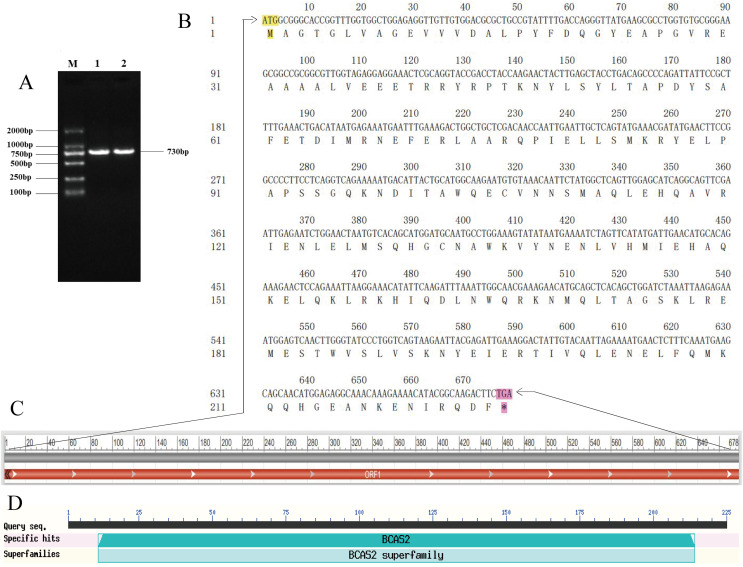
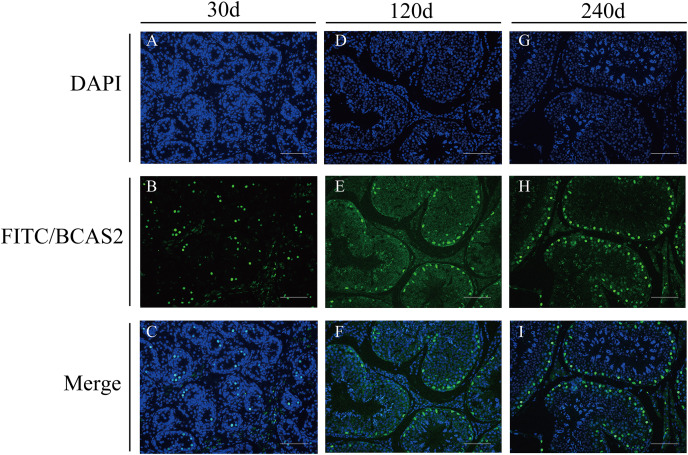
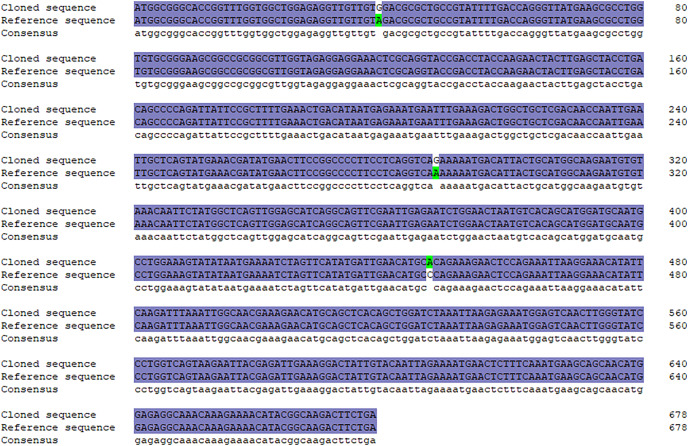
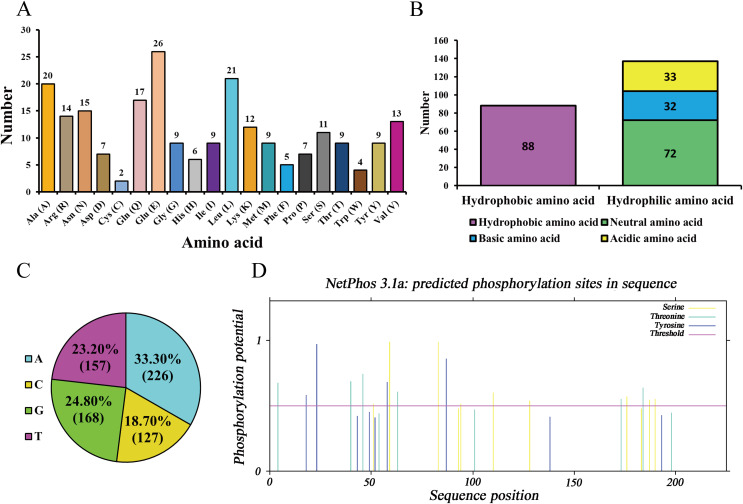
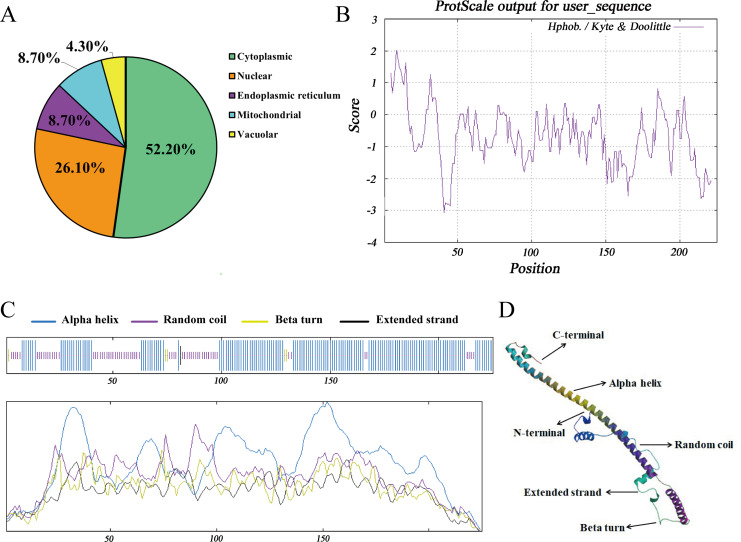
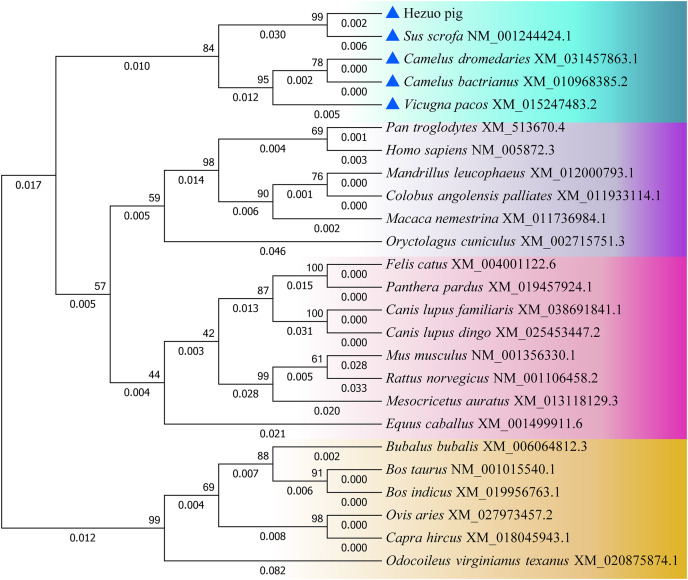
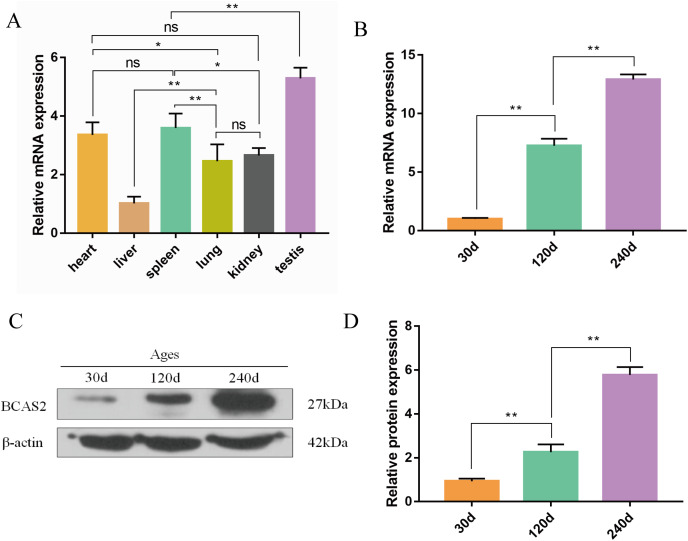
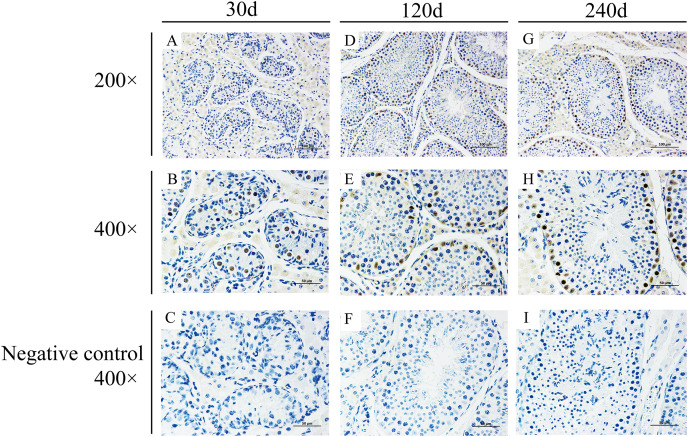
The cloning and sequence analysis indicated that the Hezuo pig CDS fragment encompassed 678 bp open reading frame (ORF) capable of encoding 225 amino acid residues, and possessed high identities with some other mammals. The results of qRT-PCR and Western blot displayed that BCAS2 levels both mRNA and protein were age-dependent increased ( < 0.01). Additionally, immunohistochemistry and immunofluorescence results revealed that BCAS2 protein was mainly observed in nucleus of gonocytes at 30 d testes as well as nucleus of spermatogonia and Sertoli cells at 120 and 240 d testes. Accordingly, we conclude that is critical for testicular development and spermatogenesis of Hezuo pig, perhaps by regulating proliferation or differentiation of gonocytes, pre-mRNA splicing of spermatogonia and functional maintenance of Sertoli cells, but specific mechanism still requires be further investigated.
乳腺癌扩增序列 2()参与前体 mRNA 剪接和 DNA 损伤反应,在小鼠的精子发生和减数分裂起始中起作用。然而,在大型哺乳动物(尤其是公猪)的睾丸中,的生理作用在很大程度上仍然未知。
本研究中,从合作猪的三个发育阶段(30 天、120 天和 240 天)收集睾丸。使用 RT-PCR 方法首先克隆 CDS 区,并使用相关生物信息学软件鉴定其分子特征。此外,通过定量实时 PCR(qRT-PCR)、Western blot、免疫组织化学和免疫荧光分析 BCAS2 的表达模式和细胞定位。
克隆和序列分析表明,合作猪的 CDS 片段包含 678 bp 的开放阅读框(ORF),能够编码 225 个氨基酸残基,与其他一些哺乳动物具有高度的同一性。qRT-PCR 和 Western blot 的结果显示,BCAS2 的水平(mRNA 和蛋白)均随年龄的增长而增加(<0.01)。此外,免疫组织化学和免疫荧光结果表明,BCAS2 蛋白主要在 30 天睾丸的精原细胞的核中以及 120 天和 240 天睾丸的精原细胞和支持细胞的核中观察到。因此,我们得出结论,在合作猪的睾丸发育和精子发生中,起着至关重要的作用,可能通过调节精原细胞的增殖或分化、精原细胞的前体 mRNA 剪接以及支持细胞的功能维持,但具体机制仍需进一步研究。