Department of Biomedical Engineering, Rutgers University, Piscataway, NJ, USA.
Rutgers Robert Wood Johnson Medical School, Piscataway, NJ, USA.
Sci Rep. 2023 Nov 1;13(1):18835. doi: 10.1038/s41598-023-46114-y.
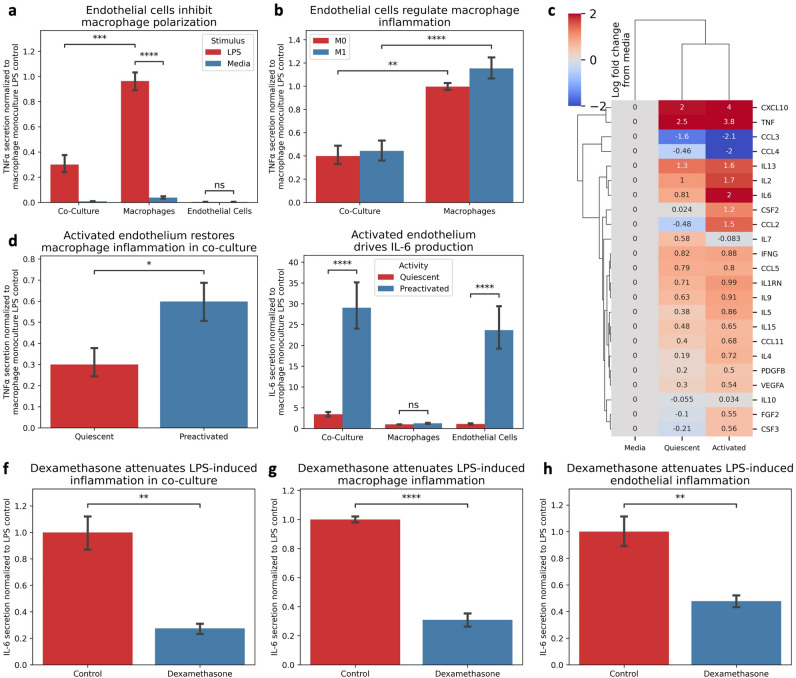
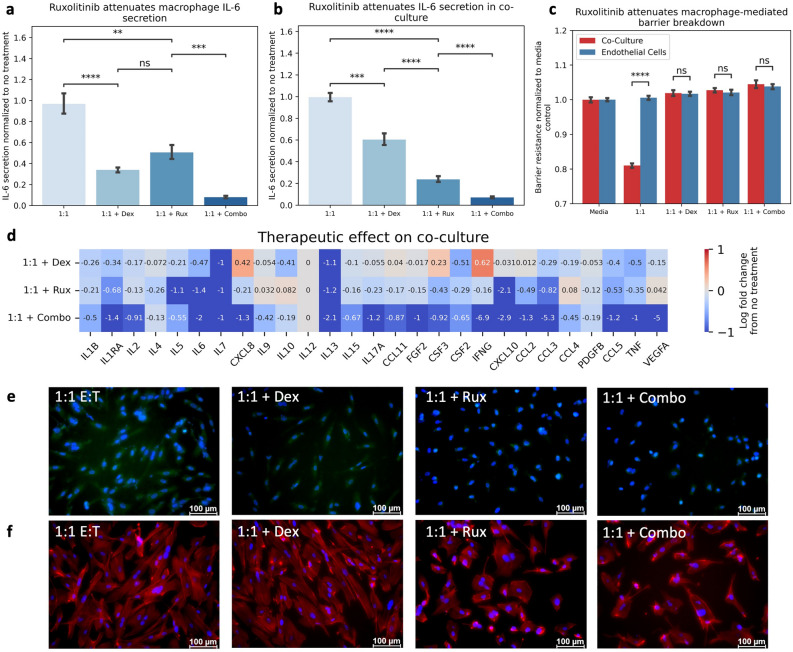
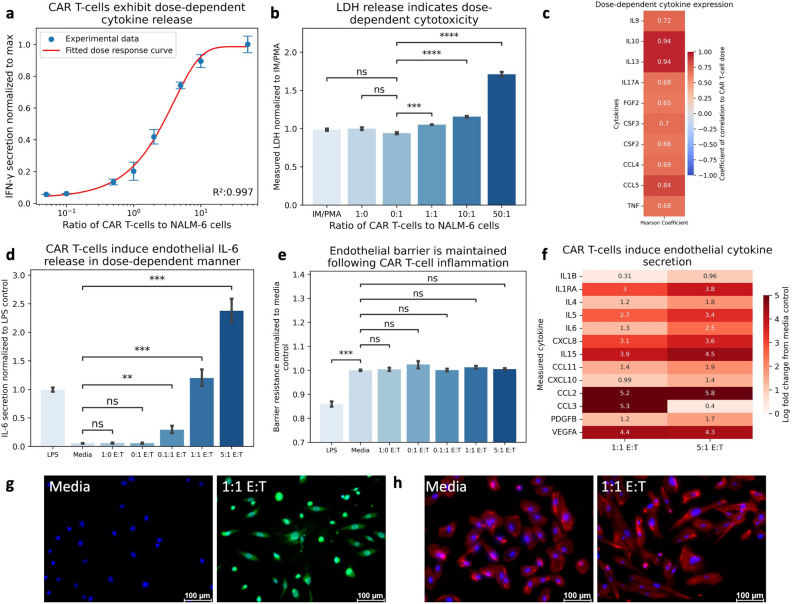
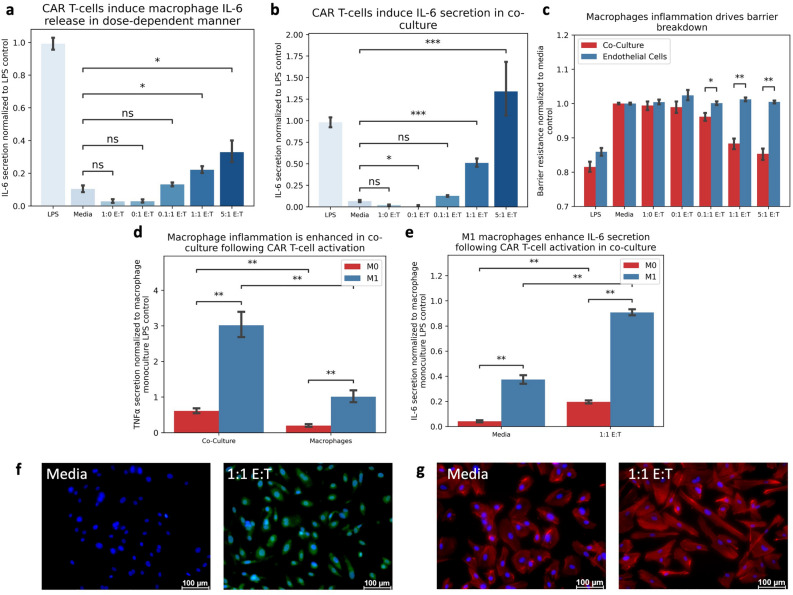
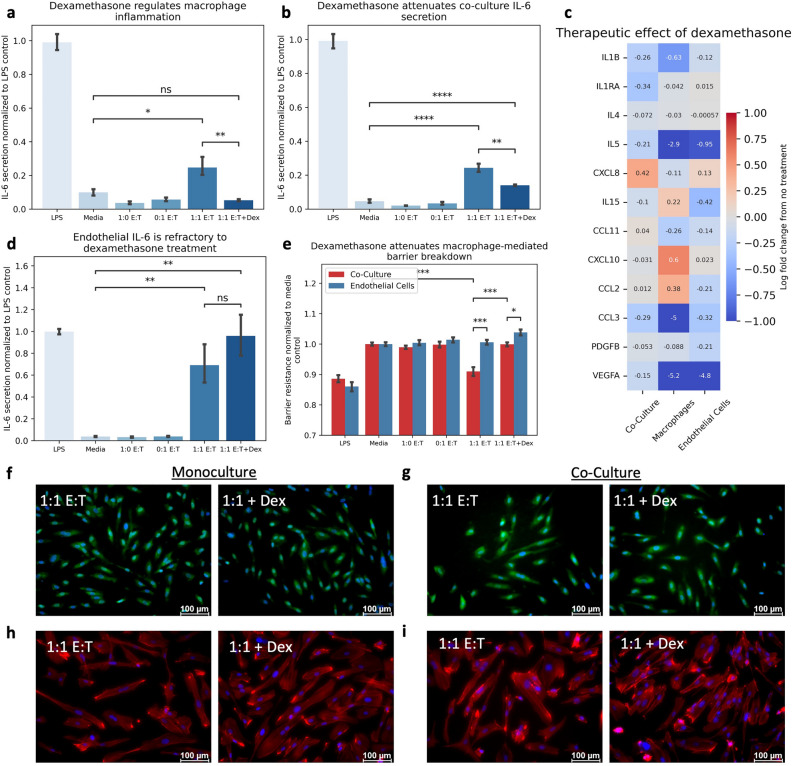
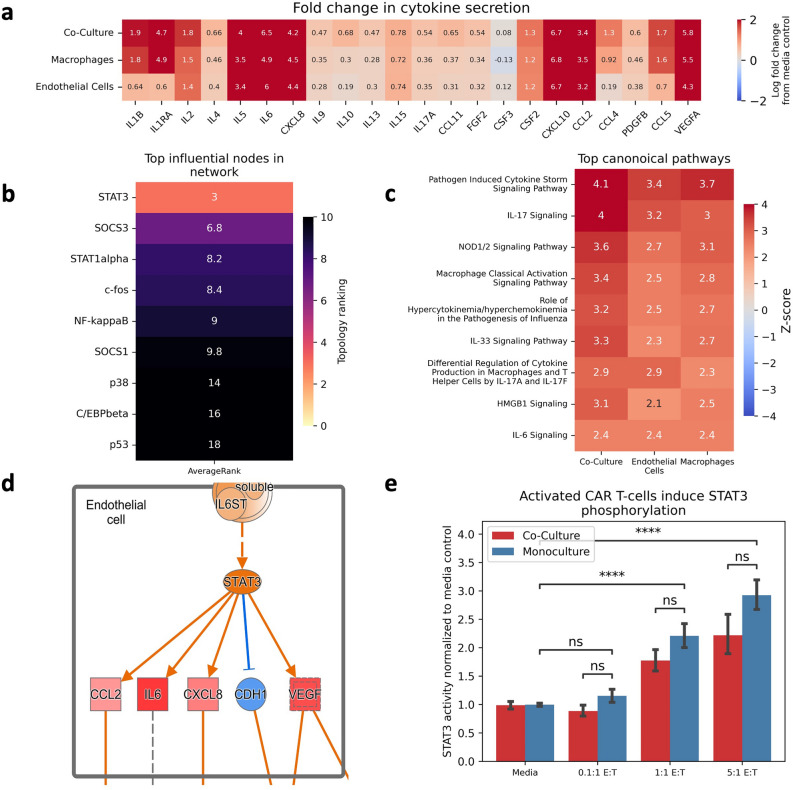
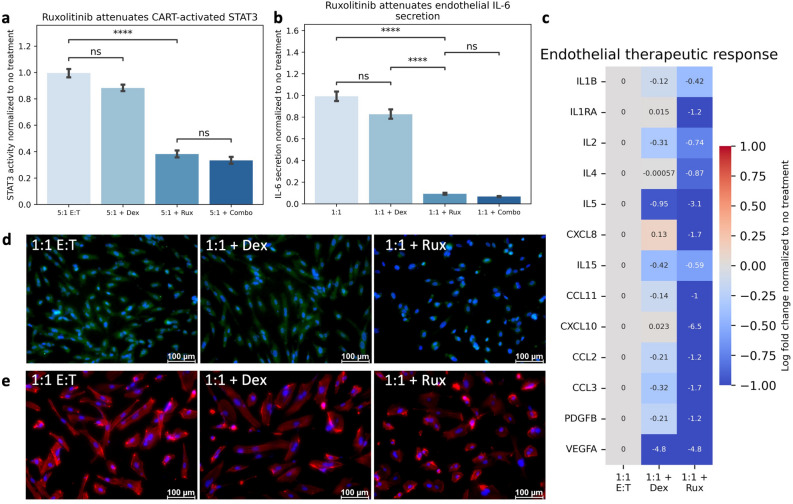
Chimeric Antigen Receptor (CAR) T-cell therapy is a highly effective treatment for B-cell malignancies but limited in use due to clinically significant hyperinflammatory toxicities. Understanding the pathophysiologic mechanisms which mediate these toxicities can help identify novel management strategies. Here we report a novel in vitro model of the macrophage-endothelial interface to study the effects of CAR T-cell-induced cytokine storm. Using this model, we demonstrate that macrophage-mediated inflammation is regulated by endothelial cell activity. Furthermore, endothelial inflammation occurs independently of macrophages following exposure to CAR T-cell products and the induced endothelial inflammation potentiates macrophage-mediated inflammatory signaling, leading to a hyperinflammatory environment. While corticosteroids, the current gold standard of care, attenuate the resulting macrophage inflammatory signaling, the endothelial activity remains refractory to this treatment strategy. Utilizing a network model, coupled to in vitro secretion profiling, we identified STAT3 programming as critical in regulating this endothelial behavior. Lastly, we demonstrate how targeting STAT3 activity can abrogate endothelial inflammation and attenuate this otherwise hyperinflammatory environment. Our results demonstrate that endothelial cells play a central role in the pathophysiology of CAR T-cell toxicities and targeting the mechanisms driving the endothelial response can guide future clinical management.
嵌合抗原受体 (CAR) T 细胞疗法是治疗 B 细胞恶性肿瘤的一种非常有效的方法,但由于其具有临床意义的过度炎症毒性而受到限制。了解介导这些毒性的病理生理机制有助于确定新的治疗策略。在这里,我们报告了一种新型的巨噬细胞-内皮细胞界面体外模型,用于研究 CAR T 细胞诱导的细胞因子风暴的影响。使用该模型,我们证明了巨噬细胞介导的炎症受内皮细胞活性调节。此外,内皮细胞在暴露于 CAR T 细胞产物后会独立于巨噬细胞发生炎症,并且诱导的内皮炎症增强了巨噬细胞介导的炎症信号,导致过度炎症环境。虽然皮质类固醇是目前的标准治疗方法,但可减轻由此产生的巨噬细胞炎症信号,但内皮细胞活性仍然对这种治疗策略具有抗性。利用网络模型,结合体外分泌谱分析,我们确定 STAT3 编程在调节这种内皮行为中起着关键作用。最后,我们证明了如何靶向 STAT3 活性可以阻断内皮炎症并减轻这种过度炎症环境。我们的研究结果表明,内皮细胞在 CAR T 细胞毒性的病理生理学中起着核心作用,针对驱动内皮反应的机制可以指导未来的临床管理。