Crofton Amanda E, Kovacs Samantha L, Stern Joshua A
Department of Medicine and Epidemiology, School of Veterinary Medicine, University of California Davis, Davis, CA 95616, USA.
Veterinary Medical Teaching Hospital, School of Veterinary Medicine, University of California Davis, Davis, CA 95616, USA.
Cardiol Res. 2023 Oct;14(5):319-333. doi: 10.14740/cr1547. Epub 2023 Oct 25.
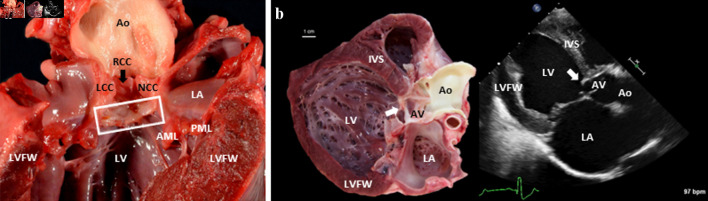
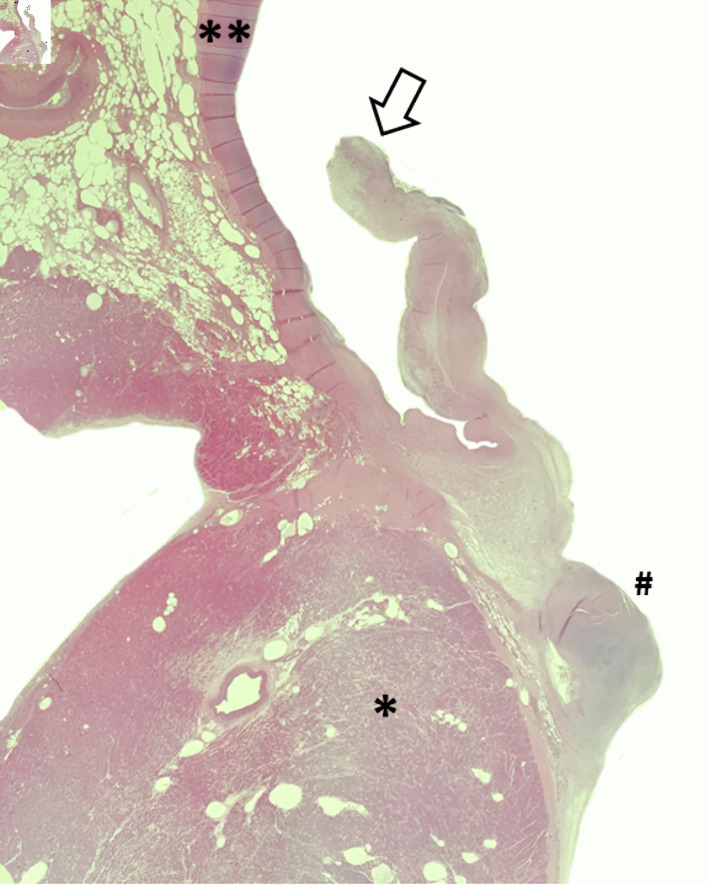
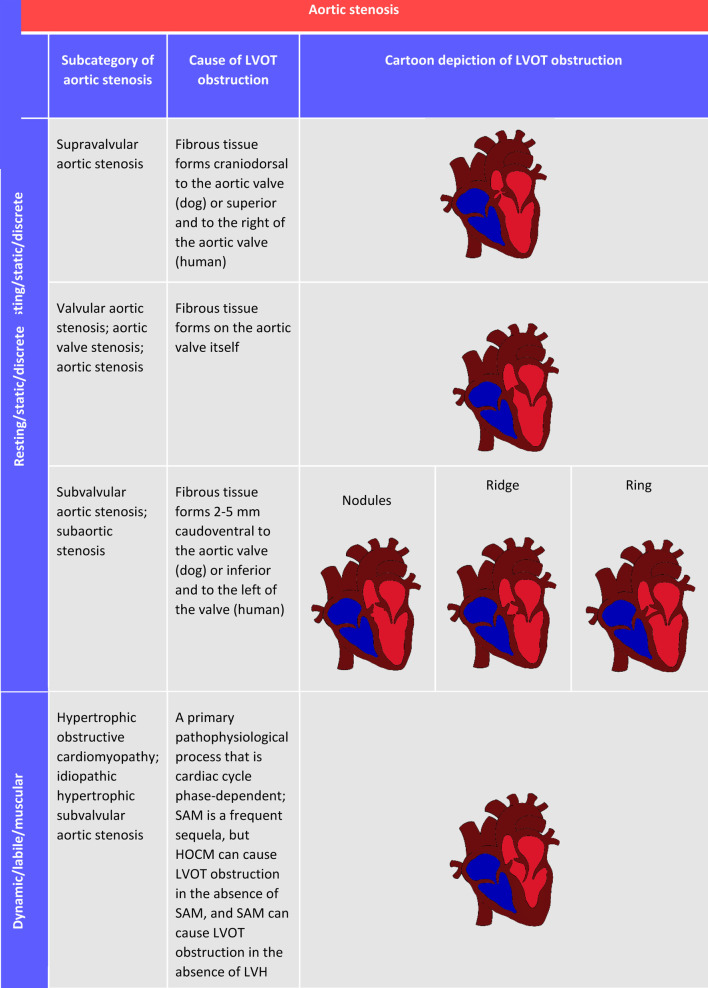
Subvalvular aortic stenosis (SAS) is the most common congenital heart disease (CHD) in dogs and is also prevalent in human children. A fibrous ridge below the aortic valve narrows the left ventricular outflow tract (LVOT) and increases blood flow velocity, leading to devastating side effects in diseased patients. Due to the similarities in presentation, anatomy, pathophysiology, cardiac development, genomics, and environment between humans and dogs, canine SAS patients represent a critical translational model of human SAS. Potential adverse outcomes of SAS include arrhythmias, left-sided congestive heart failure, endocarditis, exercise intolerance, syncope, and sudden cardiac death. The greatest divergence between canine and human SAS clinical research has been the standard of care regarding treatment of these outcomes, with pharmacological intervention dominating best practices in veterinary medicine and surgical intervention comprising the standard practice for human SAS patients. Regardless of the species, the field has yet to identify a treatment option to prevent disease progression or permanently remove the fibrous ridge, but historical leaps in SAS research support a continued translational approach as the most promising method for achieving this goal.
瓣下主动脉瓣狭窄(SAS)是犬类最常见的先天性心脏病(CHD),在人类儿童中也很普遍。主动脉瓣下方的纤维嵴使左心室流出道(LVOT)变窄并增加血流速度,给患病患者带来严重的副作用。由于人类和犬类在临床表现、解剖结构、病理生理学、心脏发育、基因组学和环境等方面存在相似性,犬类SAS患者代表了人类SAS的重要转化模型。SAS的潜在不良后果包括心律失常、左心充血性心力衰竭、心内膜炎、运动不耐受、晕厥和心源性猝死。犬类和人类SAS临床研究之间最大的差异在于这些后果的治疗护理标准,药物干预在兽医学最佳实践中占主导地位,而手术干预则是人类SAS患者的标准治疗方法。无论物种如何,该领域尚未找到预防疾病进展或永久去除纤维嵴的治疗选择,但SAS研究的历史性飞跃支持继续采用转化方法,这是实现这一目标最有前景的方法。