Department of Pathophysiology-Periodontal Science, Faculty of Medicine, Dentistry and Pharmaceutical Sciences, Okayama University, 2-5-1 Shikata-Cho, Kita-Ku, Okayama, 700-8525, Japan.
Department of Periodontics and Endodontics, Division of Dentistry, Okayama University Hospital, 2-5-1 Shikata-Cho, Kita-Ku, Okayama, 700-8525, Japan.
BMC Oral Health. 2023 Nov 8;23(1):843. doi: 10.1186/s12903-023-03586-8.
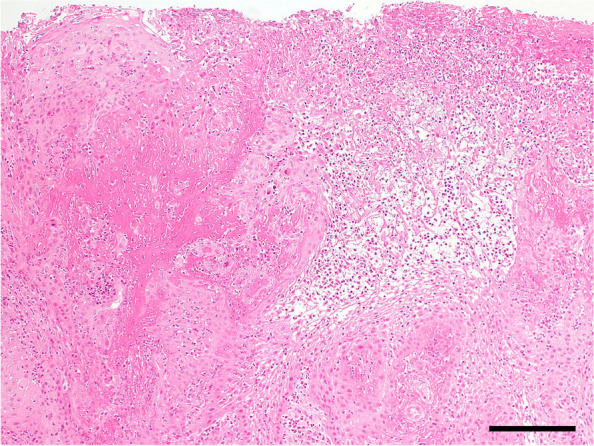
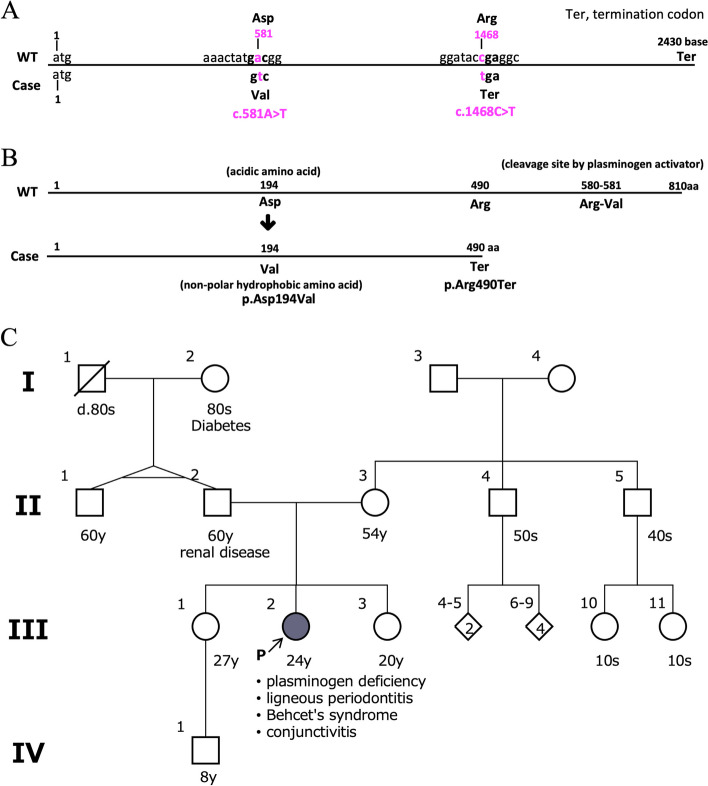
Plasminogen serves as the precursor to plasmin, an essential element in the fibrinolytic process, and is synthesized primarily in the liver. Plasminogen activation occurs through the action of plasminogen activator, converting it into plasmin. This conversion greatly enhances the fibrinolytic system within tissues and blood vessels, facilitating the dissolution of fibrin clots. Consequently, congenital deficiency of plasminogen results in impaired fibrin degradation. Patients with plasminogen deficiency typically exhibit fibrin deposits in various mucosal sites throughout the body, including the oral cavity, eyes, vagina, and digestive organs. Behcet's disease is a chronic recurrent systemic inflammatory disease with four main symptoms: aphthous ulcers of the oral mucosa, vulvar ulcers, skin symptoms, and eye symptoms, and has been reported worldwide. This disease is highly prevalent around the Silk Road from the Mediterranean to East Asia. We report a case of periodontitis in a patient with these two rare diseases that worsened quickly, leading to alveolar bone destruction. Genetic testing revealed a novel variant characterized by a stop-gain mutation, which may be a previously unidentified etiologic gene associated with decreased plasminogen activity.
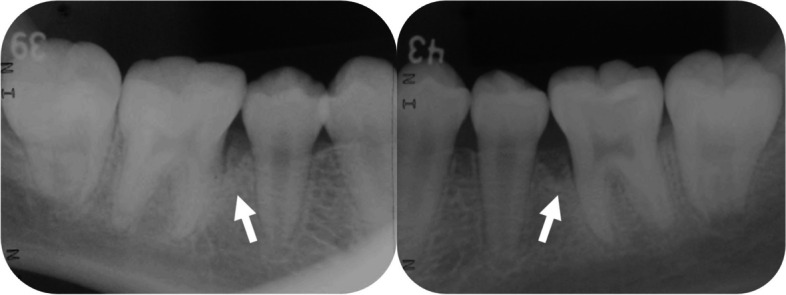
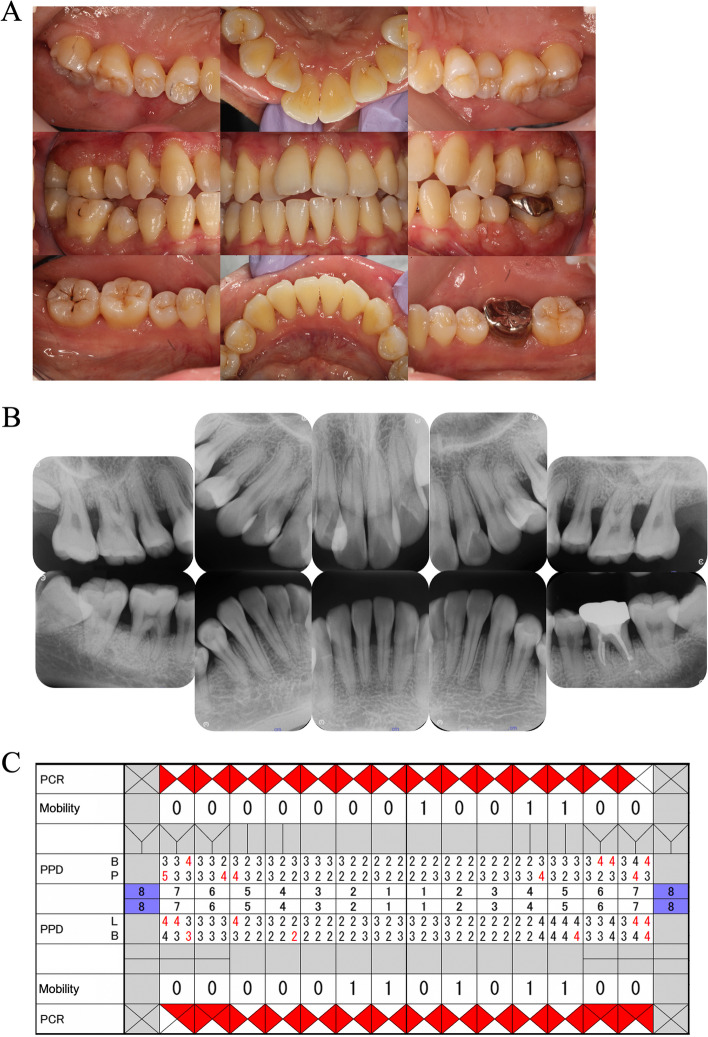
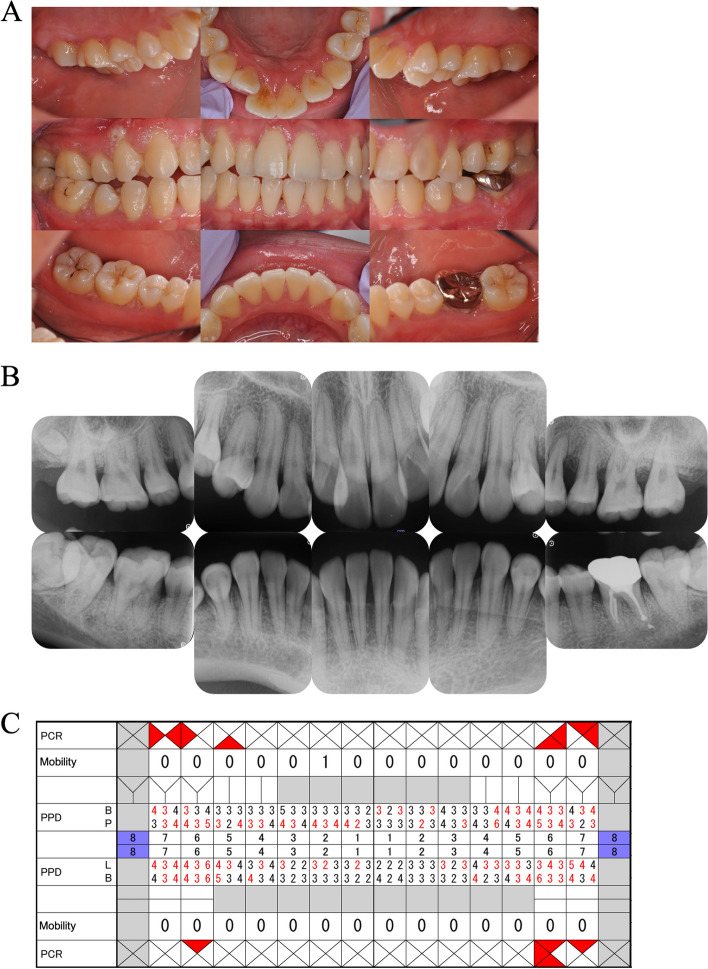
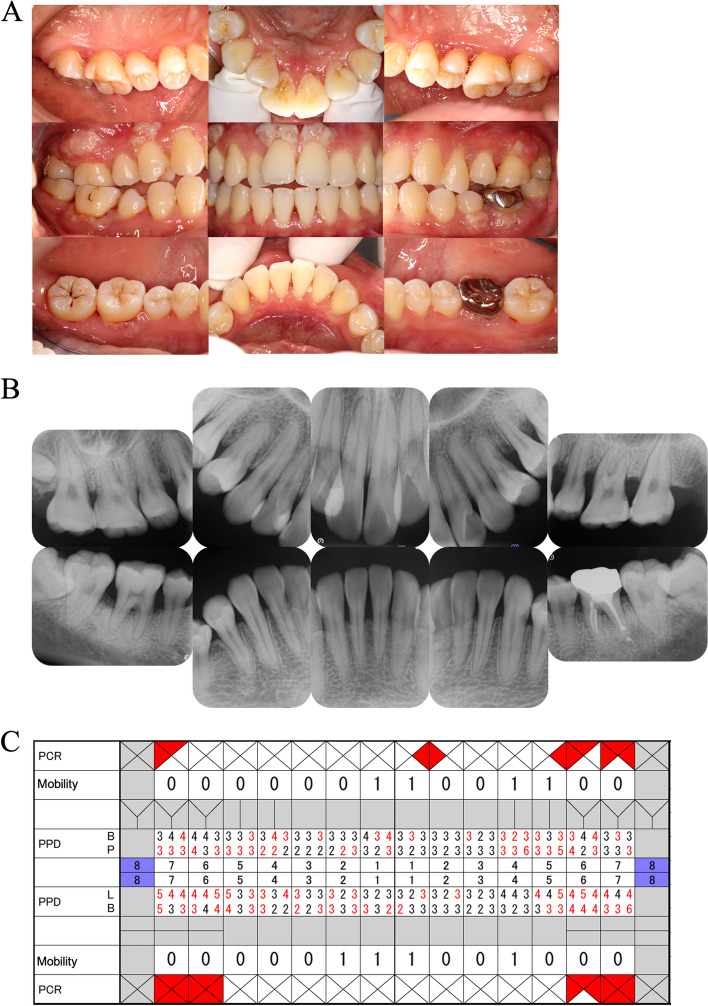
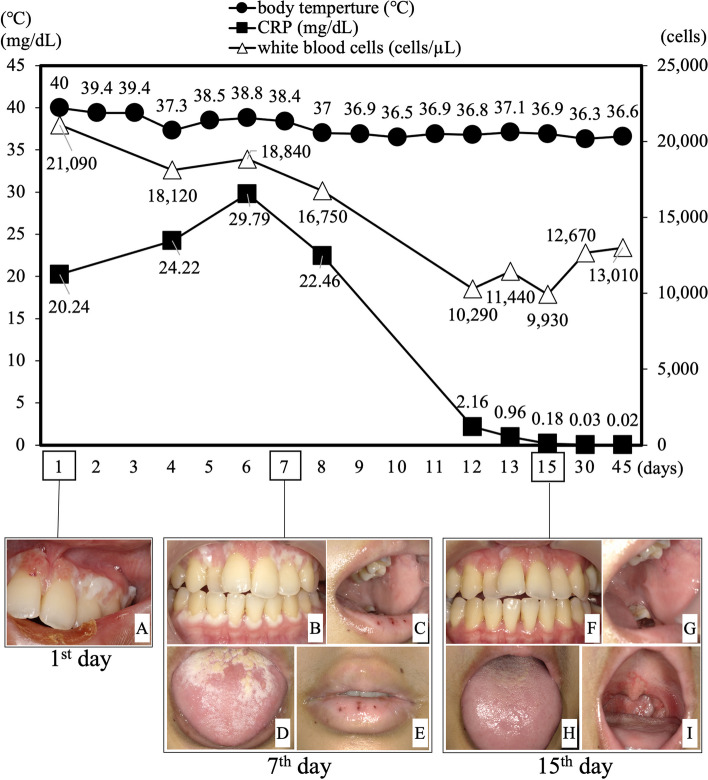
This case report depicts a patient diagnosed with ligneous gingivitis during childhood, originating from plasminogen deficiency and progressing to periodontitis. Genetic testing revealed a suspected association with the PLG c.1468C > T (p.Arg490*) stop-gain mutation. The patient's periodontal condition remained stable with brief intervals of supportive periodontal therapy. However, the emergence of Behçet's disease induced acute systemic inflammation, necessitating hospitalization and treatment with steroids. During hospitalization, the dental approach focused on maintaining oral hygiene and alleviating contact-related pain. The patient's overall health improved with inpatient care and the periodontal tissues deteriorated.
Collaborative efforts between medical and dental professionals are paramount in comprehensively evaluating and treating patients with intricate complications from rare diseases. Furthermore, the PLG c.1468C > T (p.Arg490*) stop-gain mutation could contribute to the association between plasminogen deficiency and related conditions.
纤溶酶原作为纤溶酶的前体,是纤维蛋白溶解过程中的重要元素,主要在肝脏中合成。纤溶酶原的激活是通过纤溶酶原激活物的作用发生的,将其转化为纤溶酶。这种转化极大地增强了组织和血管内的纤维蛋白溶解系统,促进纤维蛋白凝块的溶解。因此,先天性纤溶酶原缺乏会导致纤维蛋白降解受损。纤溶酶原缺乏症患者通常在全身各种粘膜部位表现出纤维蛋白沉积,包括口腔、眼睛、阴道和消化器官。贝切特病是一种慢性复发性全身炎症性疾病,有四个主要症状:口腔粘膜阿弗他溃疡、外阴溃疡、皮肤症状和眼部症状,在世界各地都有报道。这种疾病在地中海到东亚的丝绸之路沿线地区非常流行。我们报告了一例这两种罕见疾病的牙周炎病例,病情迅速恶化,导致牙槽骨破坏。基因检测显示一种新型变异,其特征是无义突变,可能是以前未识别的与纤溶酶原活性降低相关的致病基因。
本病例报告描述了一名儿童期诊断为木质龈炎的患者,其病因来自纤溶酶原缺乏症,并进展为牙周炎。基因检测显示与 PLG c.1468C > T(p.Arg490*)无义突变疑似相关。该患者的牙周状况在短暂的牙周支持治疗间隔内保持稳定。然而,贝切特病的出现引发了急性全身炎症,需要住院治疗并使用类固醇。住院期间,牙科治疗侧重于保持口腔卫生和缓解与接触相关的疼痛。该患者的整体健康状况随着住院治疗而改善,牙周组织恶化。
医疗和牙科专业人员的协作对于全面评估和治疗患有复杂罕见病并发症的患者至关重要。此外,PLG c.1468C > T(p.Arg490*)无义突变可能与纤溶酶原缺乏症和相关疾病有关。