Liaoning Key Laboratory of Marine Animal Immunology, Dalian Ocean University, Dalian, 116023, China.
Functional Laboratory of Marine Fisheries Science and Food Production Processes, Qingdao National Laboratory for Marine Science and Technology, Qingdao, 266235, China.
BMC Genomics. 2023 Nov 10;24(1):679. doi: 10.1186/s12864-023-09760-0.
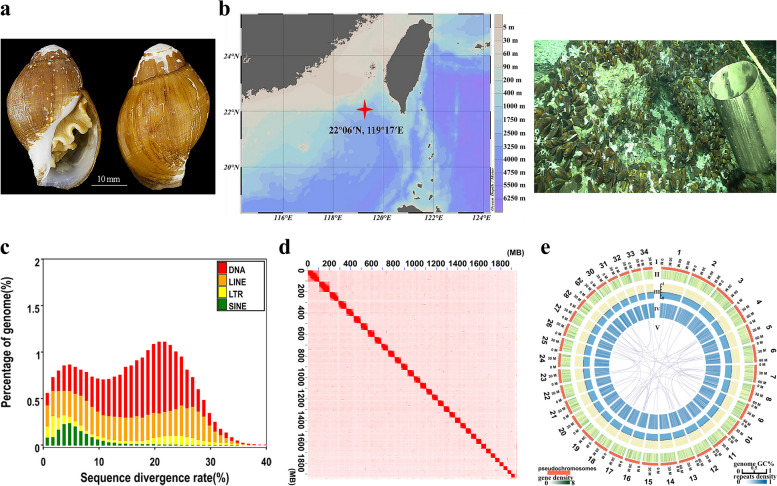
The deep-sea snail Phymorhynchus buccinoides belongs to the genus Phymorhynchus (Neogastropoda: Raphitomidae), and it is a dominant specie in the cold seep habitat. As the environment of the cold seep is characterized by darkness, hypoxia and high concentrations of toxic substances such as hydrogen sulfide (HS), exploration of the diverse fauna living around cold seeps will help to uncover the adaptive mechanisms to this unique habitat. In the present study, a chromosome-level genome of P. buccinoides was constructed and a series of genomic and transcriptomic analyses were conducted to explore its molecular adaptation mechanisms to the cold seep environments.
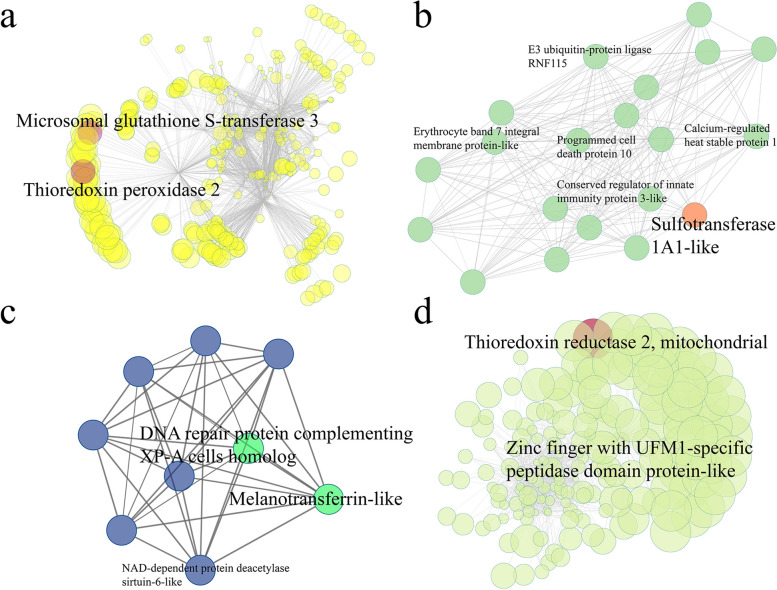
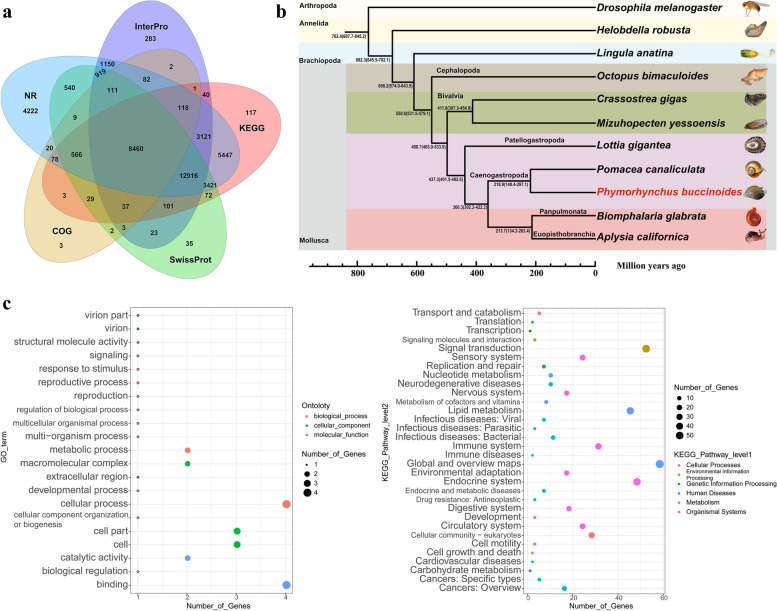
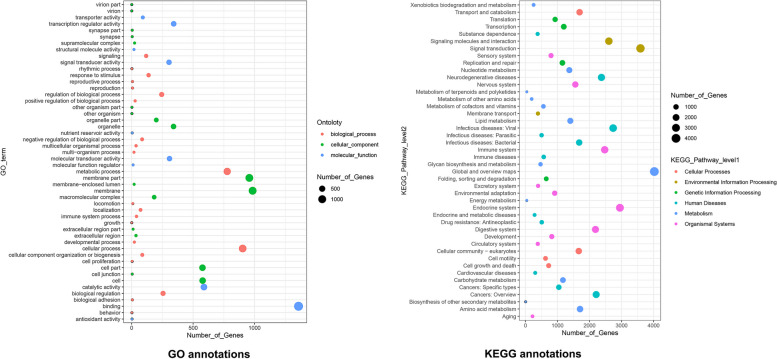
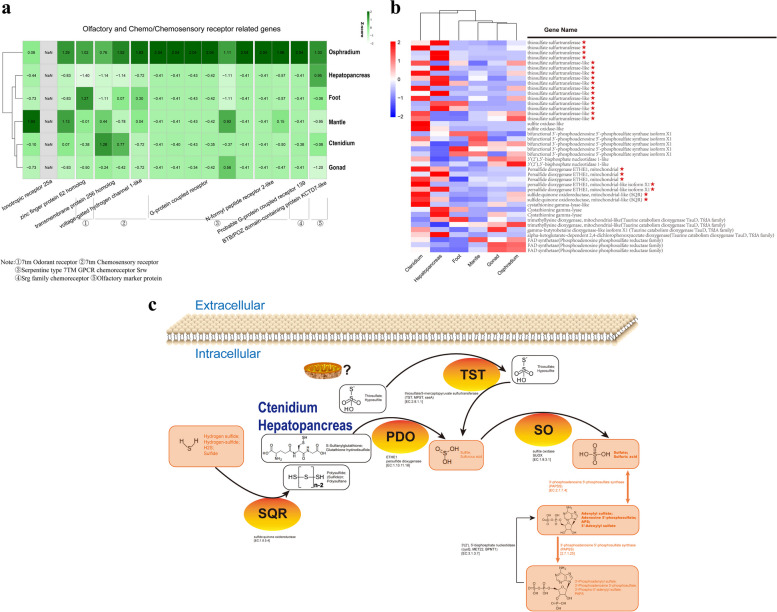
The assembled genome size of the P. buccinoides was approximately 2.1 Gb, which is larger than most of the reported snail genomes, possibly due to the high proportion of repetitive elements. About 92.0% of the assembled base pairs of contigs were anchored to 34 pseudo-chromosomes with a scaffold N50 size of 60.0 Mb. Compared with relative specie in the shallow water, the glutamate regulative and related genes were expanded in P. buccinoides, which contributes to the acclimation to hypoxia and coldness. Besides, the relatively high mRNA expression levels of the olfactory/chemosensory genes in osphradium indicate that P. buccinoides might have evolved a highly developed and sensitive olfactory organ for its orientation and predation. Moreover, the genome and transcriptome analyses demonstrate that P. buccinoides has evolved a sulfite-tolerance mechanism by performing HS detoxification. Many genes involved in HS detoxification were highly expressed in ctenidium and hepatopancreas, suggesting that these tissues might be critical for HS detoxification and sulfite tolerance.
In summary, our report of this chromosome-level deep-sea snail genome provides a comprehensive genomic basis for the understanding of the adaptation strategy of P. buccinoides to the extreme environment at the deep-sea cold seeps.
深海蜗牛 Phymorhynchus buccinoides 属于 Phymorhynchus 属(Neogastropoda:Raphitomidae),是冷渗栖息地的优势种。由于冷渗环境的特点是黑暗、缺氧和高浓度的有毒物质,如硫化氢(HS),探索生活在冷渗周围的多样动物群将有助于揭示对这种独特栖息地的适应机制。在本研究中,构建了 P. buccinoides 的染色体水平基因组,并进行了一系列基因组和转录组分析,以探讨其对冷渗环境的分子适应机制。
P. buccinoides 组装基因组大小约为 2.1 Gb,大于大多数报道的蜗牛基因组,可能是由于重复元件的比例较高。大约 92.0%的拼接碱基对被锚定到 34 条假染色体上,支架 N50 大小为 60.0 Mb。与浅水区的相对种相比,P. buccinoides 中的谷氨酸调节和相关基因扩张,有助于适应缺氧和寒冷。此外,嗅球中嗅觉/化学感觉基因的相对高 mRNA 表达水平表明,P. buccinoides 可能已经进化出高度发达和敏感的嗅觉器官来进行定向和捕食。此外,基因组和转录组分析表明,P. buccinoides 通过执行 HS 解毒作用进化出了亚硫酸盐耐受性机制。许多参与 HS 解毒的基因在鳃和肝胰腺中高度表达,表明这些组织可能对 HS 解毒和亚硫酸盐耐受至关重要。
总之,我们对这种染色体水平深海蜗牛基因组的报告为理解 P. buccinoides 对深海冷渗极端环境的适应策略提供了全面的基因组基础。