Department of Orthodontics, Tsurumi University School of Dental Medicine, Yokohama, 230-8501, Japan.
Department of Physiology, Tsurumi University School of Dental Medicine, 2-1-3 Tsurumi, Tsurumi-ku, Yokohama, 230-8501, Japan.
Sci Rep. 2023 Nov 15;13(1):19927. doi: 10.1038/s41598-023-43099-6.
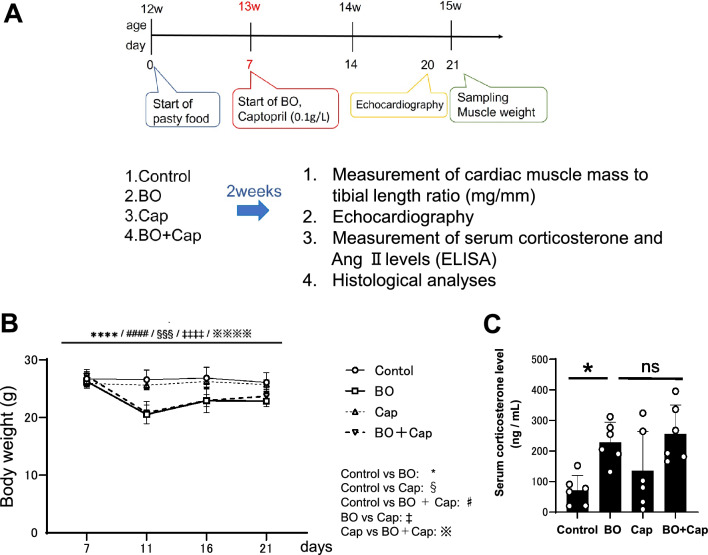
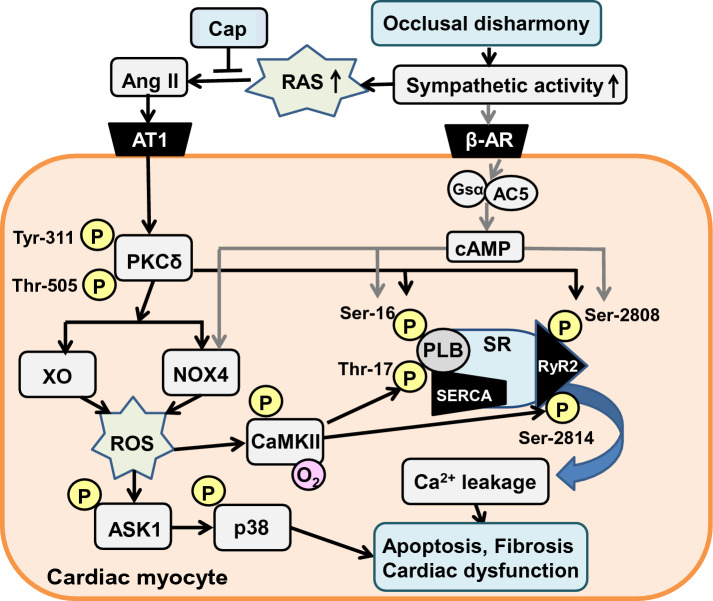
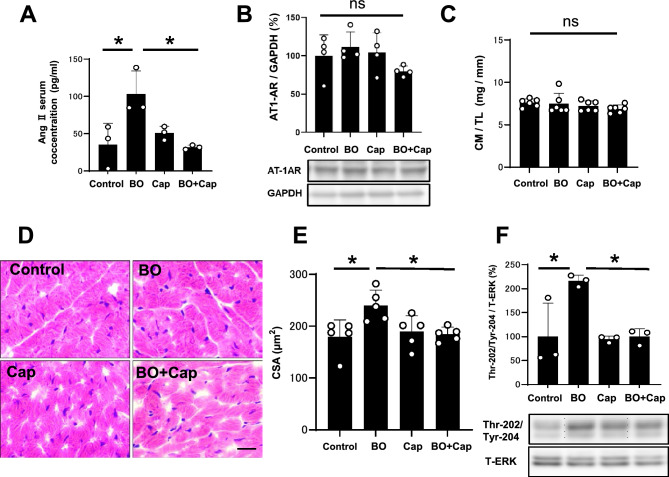
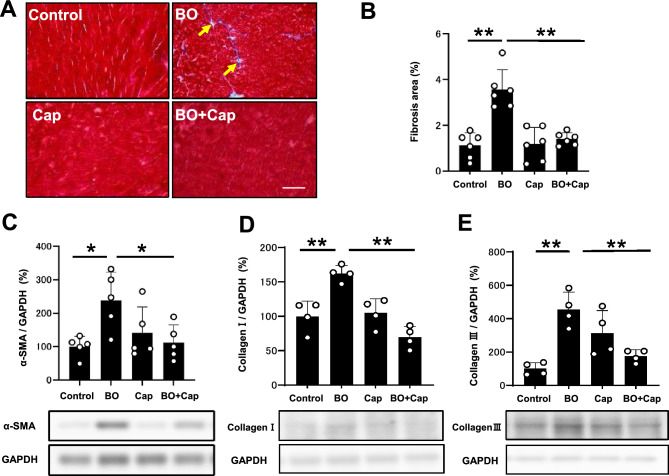
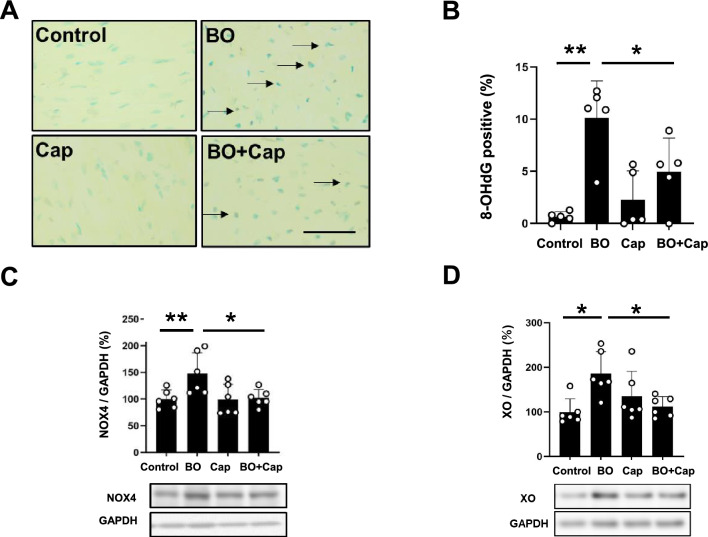
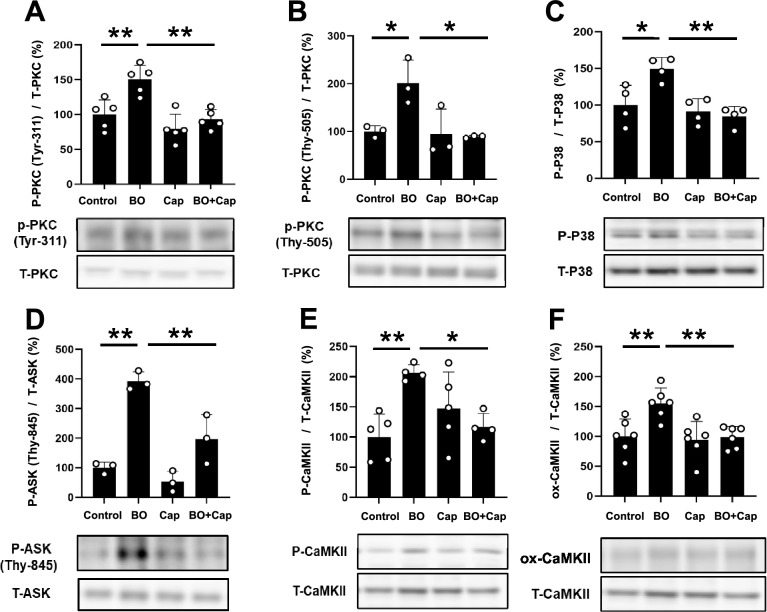
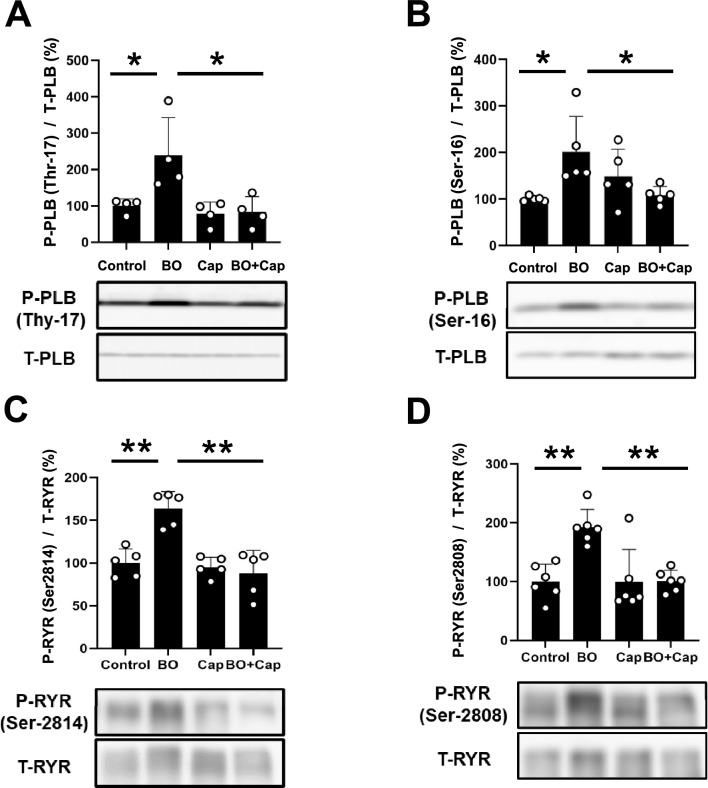
Occlusal disharmony is known to affect not only the oral cavity environment, but also the autonomic nervous system in the heart. Since the renin-angiotensin system (RAS) inhibitor captopril (Cap) is one of the first-line drugs for preventing cardiac remodeling in patients with heart failure, we hypothesized that Cap might prevent cardiac dysfunction induced by occlusal disharmony. Here, to test this idea, we used our bite-opening (BO) mouse model, which was developed by cementing a suitable appliance onto the mandibular incisor. Mice were divided into four groups: (1) Control, (2) BO, (3) Cap, and (4) BO + Cap. After 2 weeks, we evaluated cardiac function by echocardiography and confirmed that cardiac function was significantly decreased in the BO group compared to the control, while Cap ameliorated the dysfunction. Cardiac fibrosis, myocyte apoptosis and oxidative stress-induced myocardial damage in the BO group were significantly increased versus the control, and these increases were suppressed by Cap. Cardiac dysfunction induced by BO was associated with dual phosphorylation on PKCδ (Tyr-311/Thr-505), leading to activation of CaMKII with increased phosphorylation of RyR2 and phospholamban. Our results suggest that the RAS might play an important role in the development of cardiac diseases induced by occlusal anomalies.
咬合失调不仅会影响口腔环境,还会影响心脏的自主神经系统。由于肾素-血管紧张素系统(RAS)抑制剂卡托普利(Cap)是心力衰竭患者预防心脏重构的一线药物之一,我们假设 Cap 可能预防咬合失调引起的心脏功能障碍。在这里,为了验证这一观点,我们使用了我们开发的咬合张开(BO)小鼠模型,该模型通过将合适的器械粘接到下颌切牙上来实现。将小鼠分为四组:(1)对照组,(2)BO 组,(3)Cap 组和(4)BO+Cap 组。2 周后,我们通过超声心动图评估心脏功能,结果证实 BO 组的心脏功能明显低于对照组,而 Cap 则改善了心脏功能障碍。与对照组相比,BO 组的心肌纤维化、心肌细胞凋亡和氧化应激诱导的心肌损伤明显增加,而 Cap 抑制了这些增加。BO 引起的心脏功能障碍与 PKCδ(Tyr-311/Thr-505)的双重磷酸化有关,导致 CaMKII 的激活,增加了 RyR2 和磷蛋白的磷酸化。我们的结果表明,RAS 可能在咬合异常引起的心脏疾病发展中发挥重要作用。