Institute of Clinical Medicine, School of Medicine, National Yang Ming Chiao Tung University, Taipei 112201, Taiwan.
Department of Medical Research, Taipei Veterans General Hospital, Taipei 112201, Taiwan.
Cells. 2023 Nov 13;12(22):2617. doi: 10.3390/cells12222617.
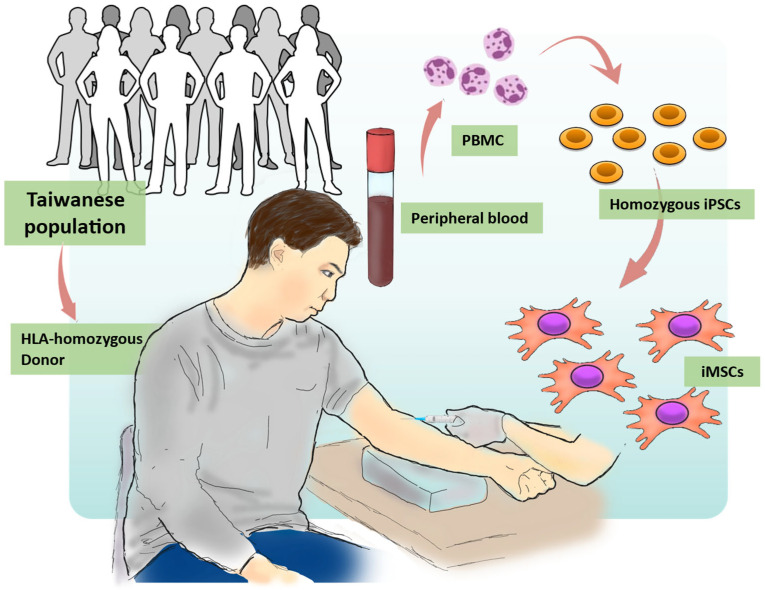
Mesenchymal stem cells (MSCs) hold promise for cell-based therapy, yet the sourcing, quality, and invasive methods of MSCs impede their mass production and quality control. Induced pluripotent stem cell (iPSC)-derived MSCs (iMSCs) can be infinitely expanded, providing advantages over conventional MSCs in terms of meeting unmet clinical demands.
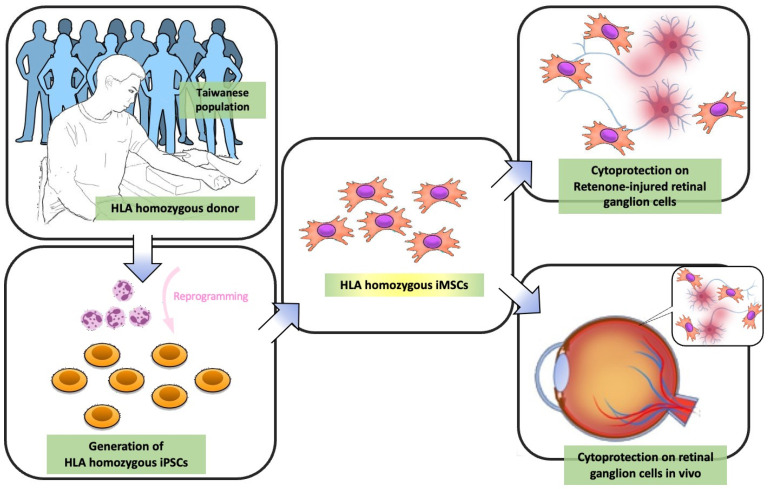
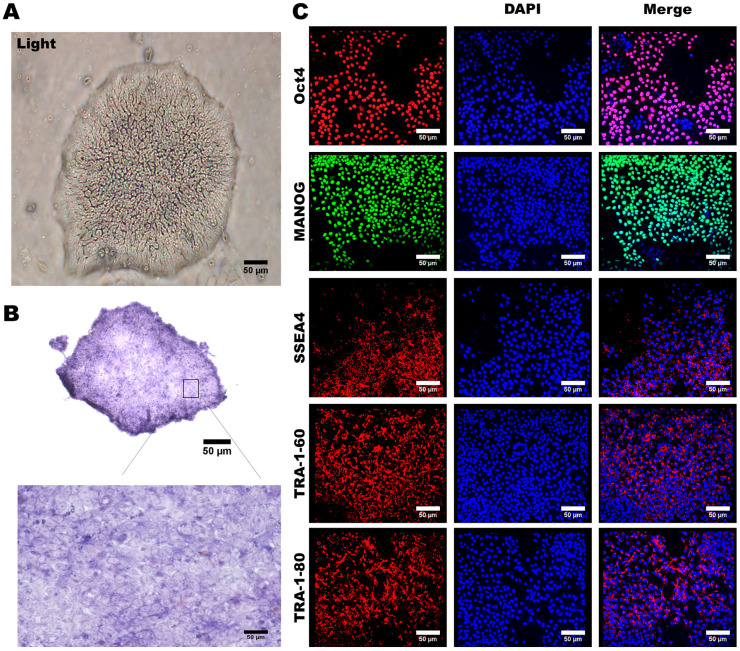
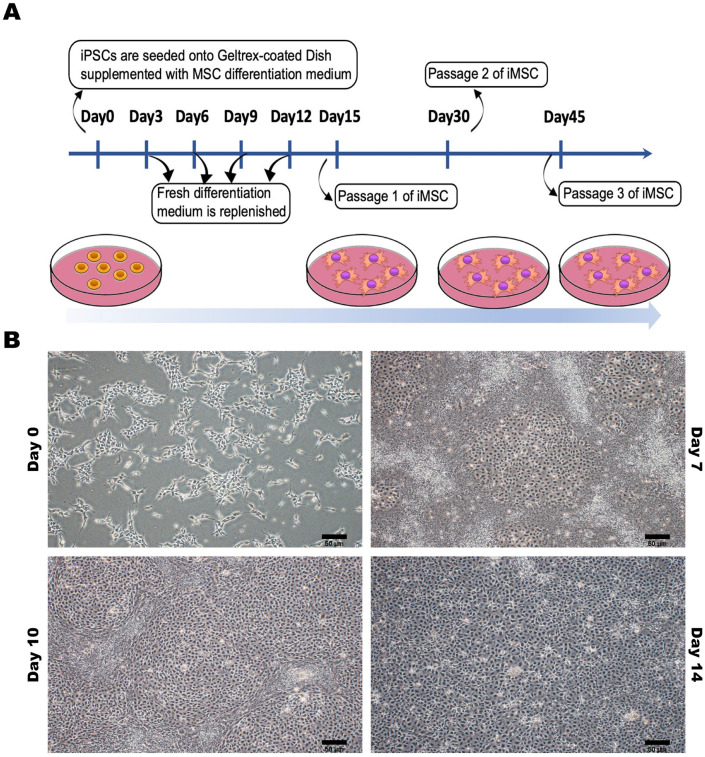
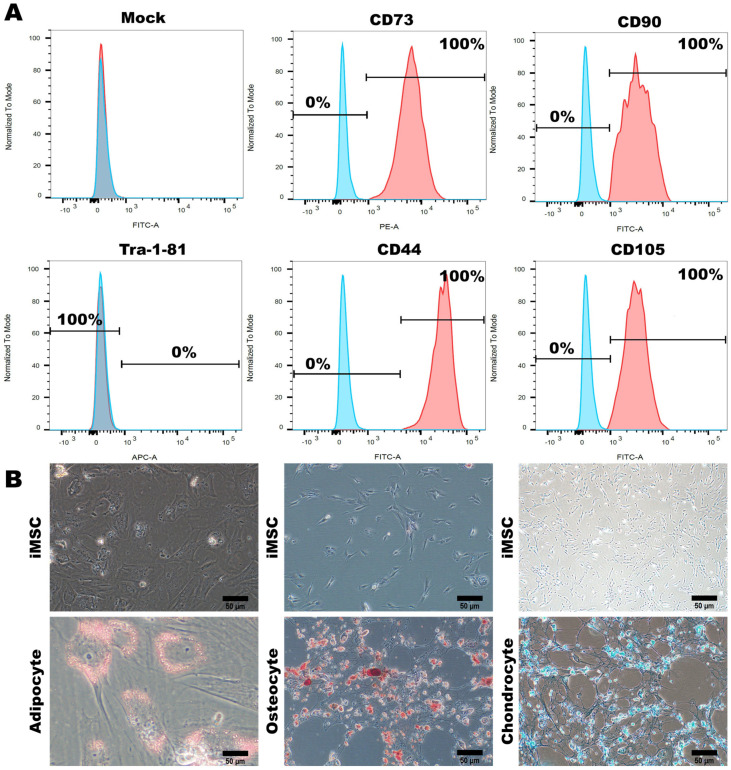
The potential of MSC therapy for Leber's hereditary optic neuropathy (LHON) remains uncertain. In this study, we used HLA-homozygous induced pluripotent stem cells to generate iMSCs using a defined protocol, and we examined their therapeutic potential in rotenone-induced LHON-like models in vitro and in vivo.
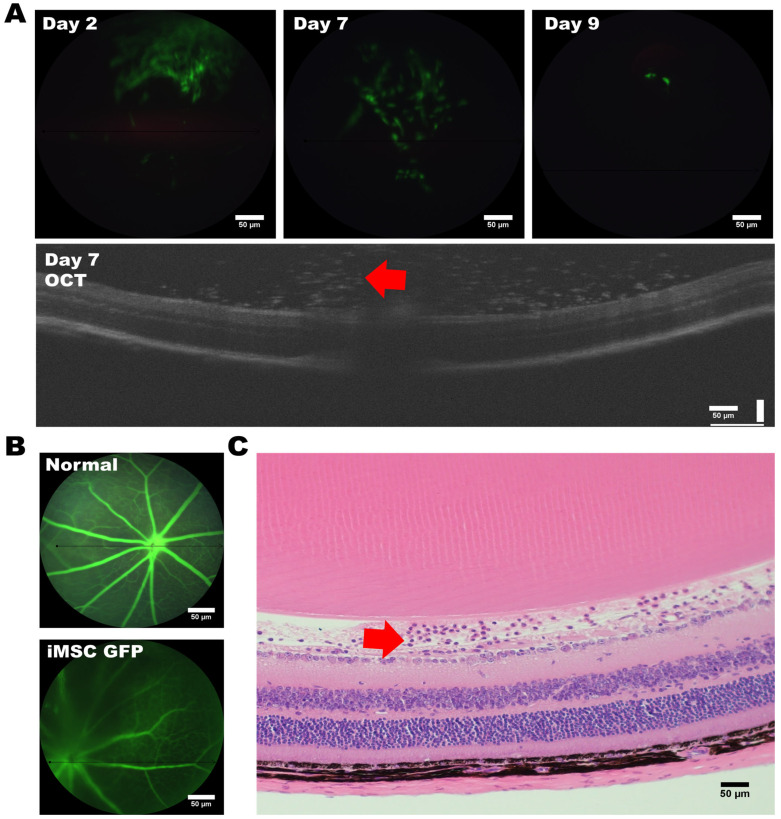
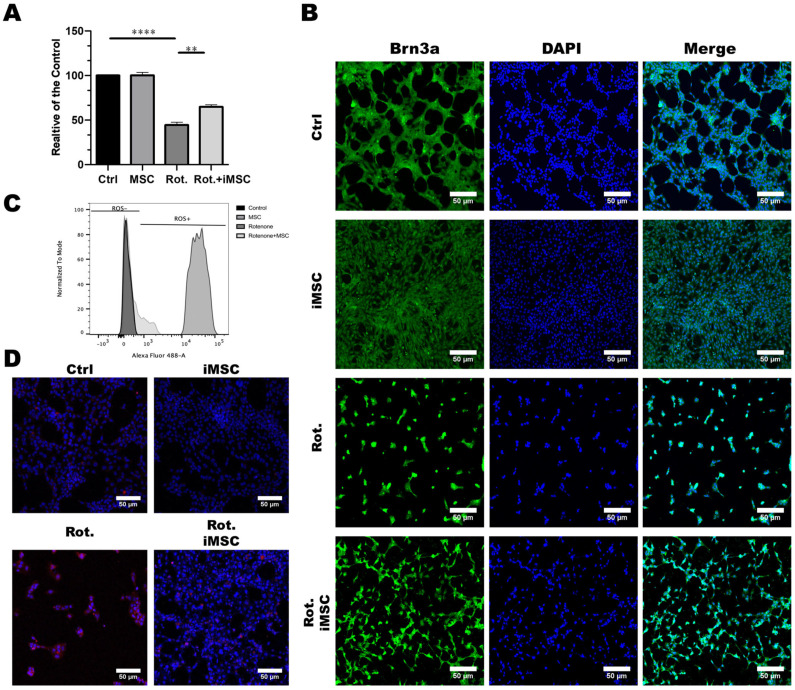
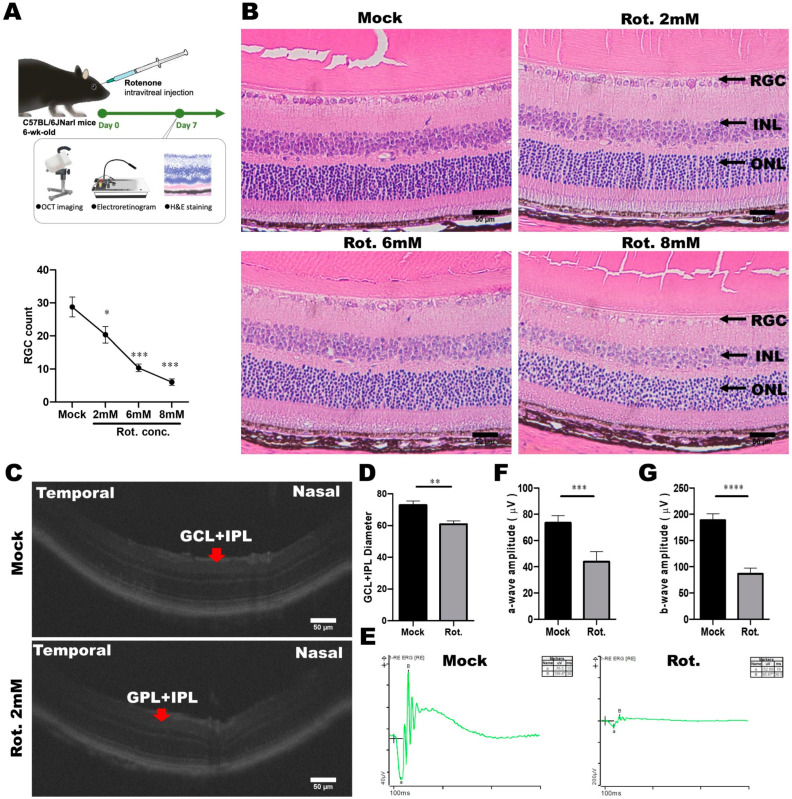
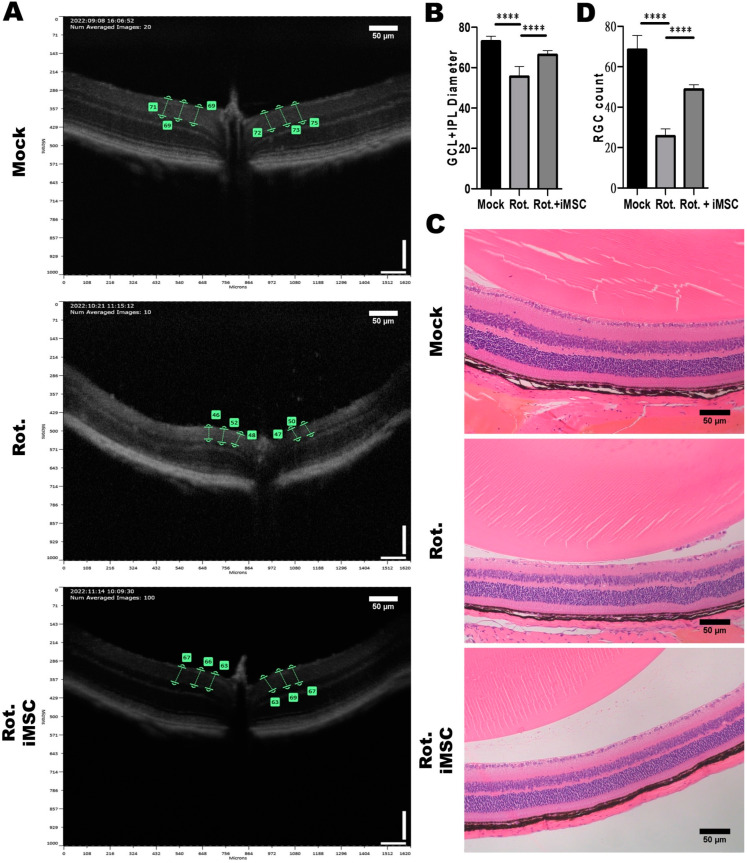
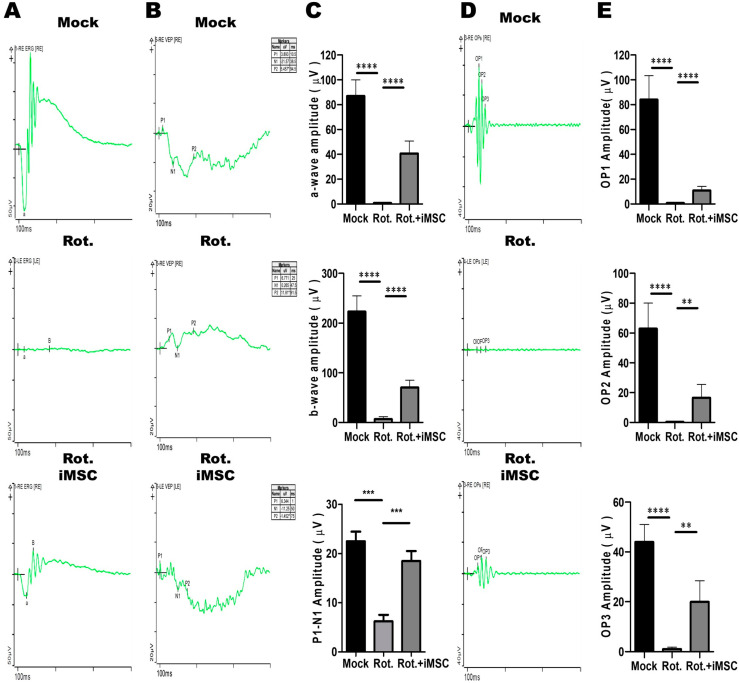
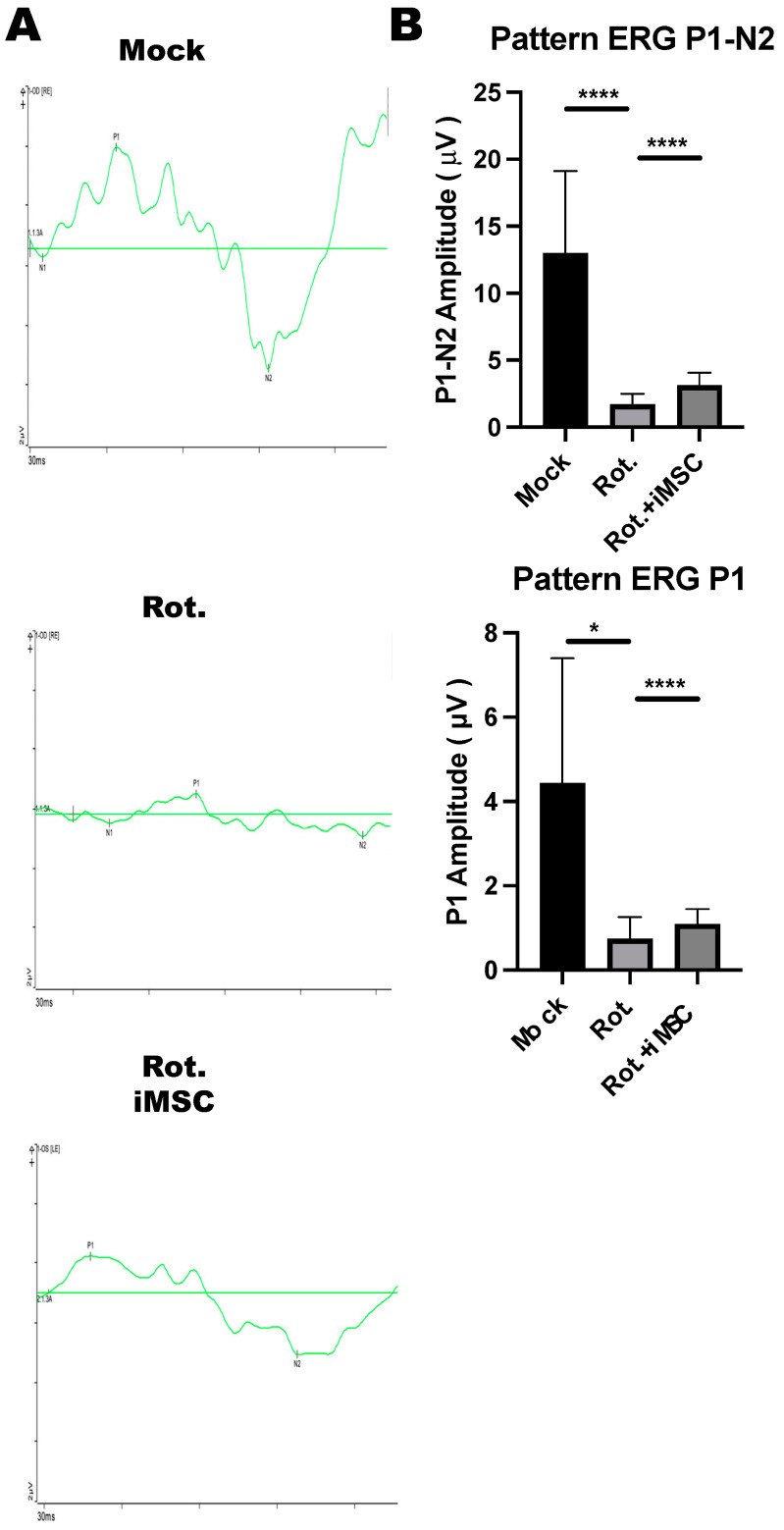
The iMSCs did not cause any tumorigenic incidence or inflammation-related lesions after intravitreal transplantation, and they remained viable for at least nine days in the mouse recipient's eyes. In addition, iMSCs exhibited significant efficacy in safeguarding retinal ganglion cells (RGCs) from rotenone-induced cytotoxicity in vitro, and they ameliorated CGL+IPL layer thinning and RGC loss in vivo. Optical coherence tomography (OCT) and an electroretinogram demonstrated that iMSCs not only prevented RGC loss and impairments to the retinal architecture, but they also improved retinal electrophysiology performance.
The generation of iMSCs via the HLA homozygosity of iPSCs offers a compelling avenue for overcoming the current limitations of MSC-based therapies. The results underscore the potential of iMSCs when addressing retinal disorders, and they highlight their clinical significance, offering renewed hope for individuals affected by LHON and other inherited retinal conditions.
间充质干细胞(MSCs)在基于细胞的治疗中具有广阔的应用前景,但 MSCs 的来源、质量和有创方法限制了其大规模生产和质量控制。诱导多能干细胞(iPSC)衍生的 MSCs(iMSCs)可以无限扩增,在满足未满足的临床需求方面优于传统 MSCs。
MSC 治疗莱伯遗传性视神经病变(LHON)的潜力仍不确定。在这项研究中,我们使用 HLA 纯合诱导多能干细胞,采用定义的方案生成 iMSCs,并在体外和体内研究其在鱼藤酮诱导的 LHON 样模型中的治疗潜力。
iMSCs 经玻璃体内移植后不会引起任何致瘤性或炎症相关病变,在小鼠受体内的眼睛中至少存活 9 天。此外,iMSCs 在体外显著保护视网膜神经节细胞(RGC)免受鱼藤酮诱导的细胞毒性,在体内改善 CGL+IPL 层变薄和 RGC 损失。光学相干断层扫描(OCT)和视网膜电图表明,iMSCs 不仅防止 RGC 损失和视网膜结构损伤,而且改善视网膜电生理性能。
通过 iPSC 的 HLA 纯合性生成 iMSCs 为克服当前 MSC 治疗的局限性提供了一条有吸引力的途径。这些结果突出了 iMSCs 在治疗视网膜疾病方面的潜力,并强调了其临床意义,为 LHON 和其他遗传性视网膜疾病患者带来了新的希望。