Patel Jay, Bhaskar Sonu M M
Global Health Neurology Lab, Sydney 2150, Australia.
South Western Sydney Clinical Campuses, UNSW Medicine and Health, University of New South Wales (UNSW), Sydney 2170, Australia.
J Cardiovasc Dev Dis. 2023 Nov 12;10(11):458. doi: 10.3390/jcdd10110458.
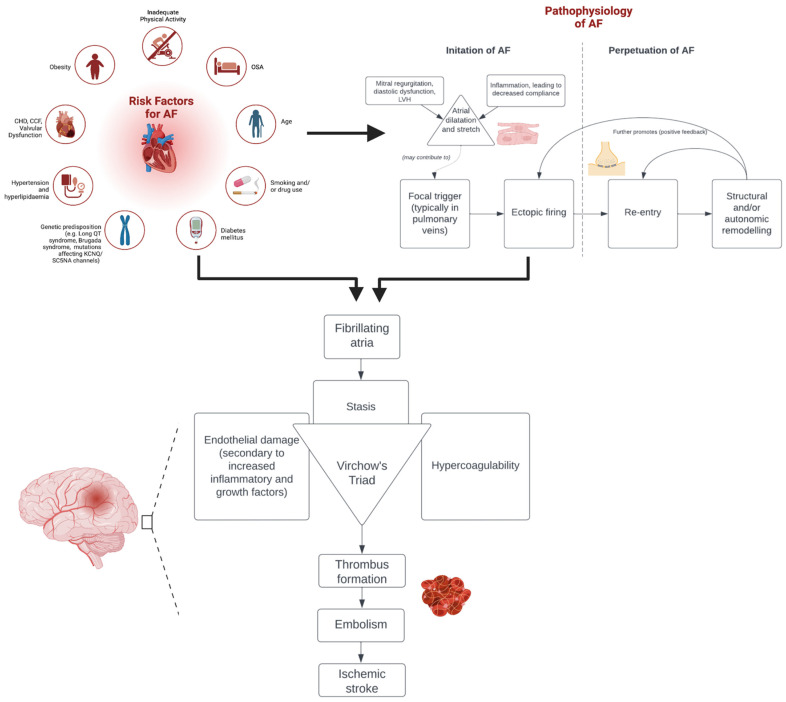
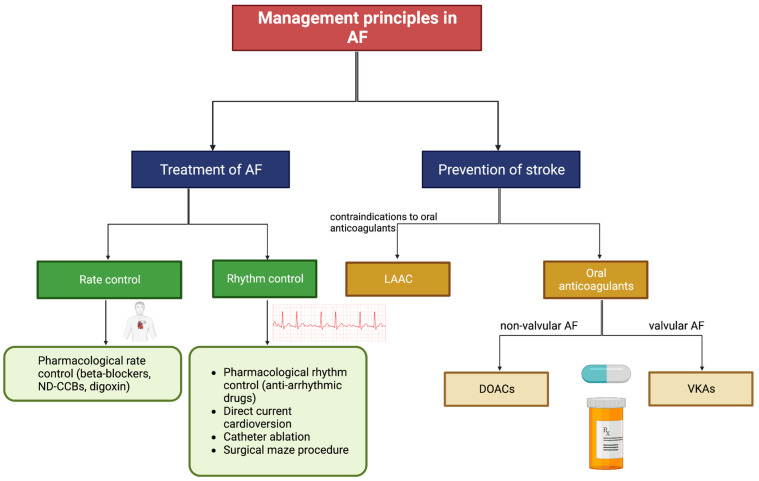
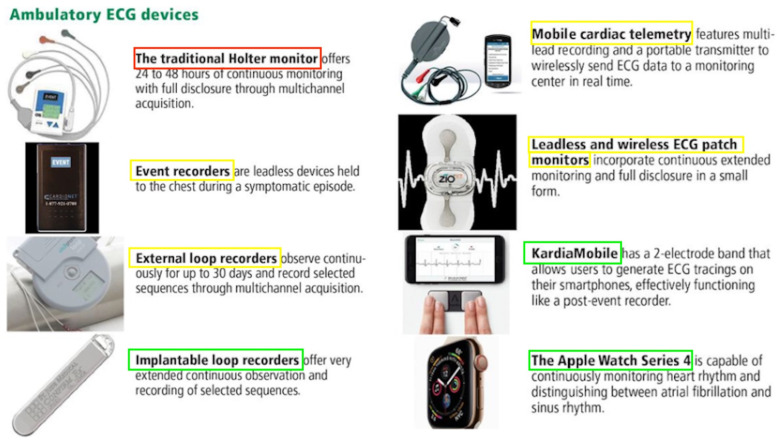
Reperfusion therapy in the form of intravenous thrombolysis (IVT) and endovascular thrombectomy (EVT) has revolutionised the field of stroke medicine. Atrial fibrillation (AF) patients constitute a major portion of the overall stroke population; however, the prevalence of AF amongst acute ischemic stroke (AIS) patients receiving reperfusion therapy remains unclear. Limitations in our understanding of prevalence in this group of patients are exacerbated by difficulties in appropriately diagnosing AF. Additionally, the benefits of reperfusion therapy are not consistent across all subgroups of AIS patients. More specifically, AIS patients with AF often tend to have poor prognoses despite treatment relative to those without AF. This article aims to present an overview of the diagnostic and therapeutic management of AF and how it mediates outcomes following stroke, most specifically in AIS patients treated with reperfusion therapy. We provide unique insights into AF prevalence and outcomes that could allow healthcare professionals to optimise the treatment and prognosis for AIS patients with AF. Specific indications on acute neurovascular management and secondary stroke prevention in AIS patients with AF are also discussed.
静脉溶栓(IVT)和血管内血栓切除术(EVT)形式的再灌注治疗彻底改变了中风医学领域。心房颤动(AF)患者占整个中风人群的很大一部分;然而,接受再灌注治疗的急性缺血性中风(AIS)患者中心房颤动的患病率仍不清楚。对这组患者患病率的认识存在局限性,因为难以准确诊断心房颤动而更加突出。此外,再灌注治疗的益处并非在所有AIS患者亚组中都一致。更具体地说,与没有心房颤动的患者相比,患有心房颤动的AIS患者尽管接受了治疗,但往往预后较差。本文旨在概述心房颤动的诊断和治疗管理,以及它如何介导中风后的结果,最具体地说是在接受再灌注治疗的AIS患者中。我们提供了关于心房颤动患病率和结果的独特见解,这可以使医疗保健专业人员优化患有心房颤动的AIS患者的治疗和预后。还讨论了AIS合并心房颤动患者急性神经血管管理和二级中风预防的具体指征。