State Key Laboratory of Digital Medical Engineering, School of Biomedical Engineering, Hainan University, Haikou, China.
Key Laboratory of Biomedical Engineering of Hainan Province, One Health Institute, Hainan University, Haikou, China.
J Nanobiotechnology. 2023 Nov 28;21(1):454. doi: 10.1186/s12951-023-02223-4.
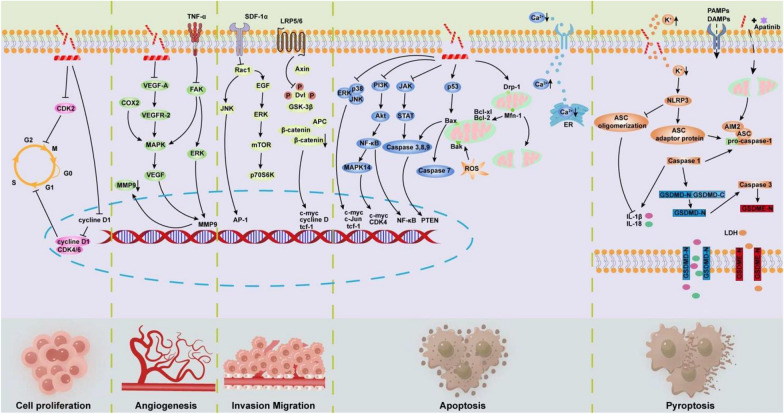
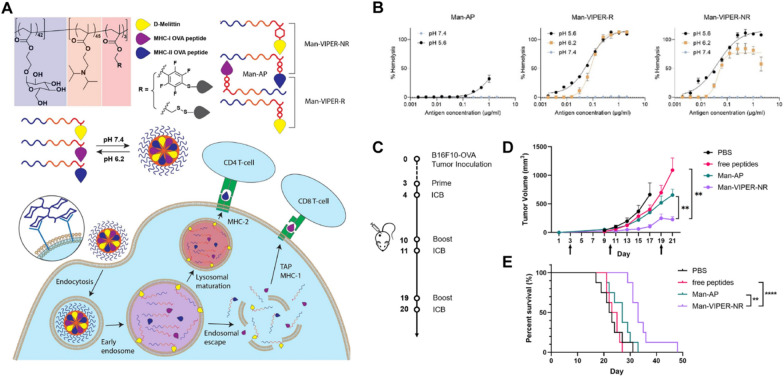
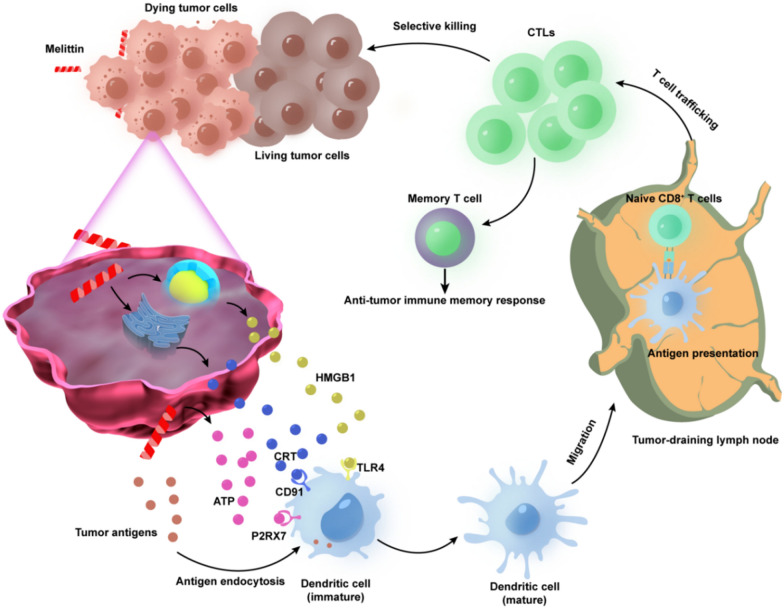
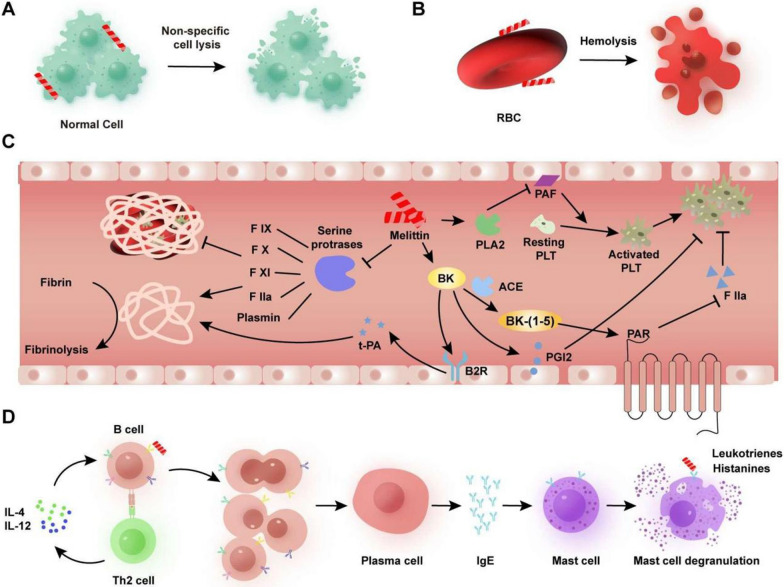
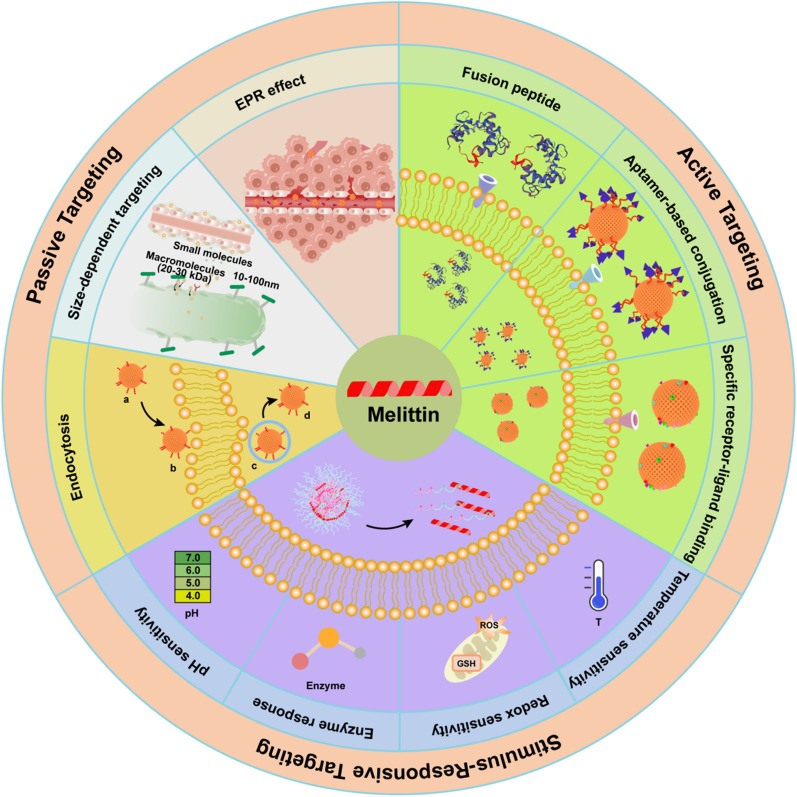
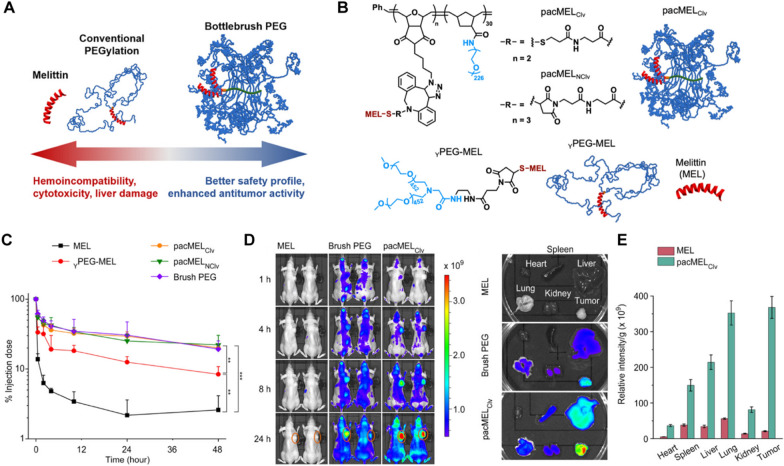
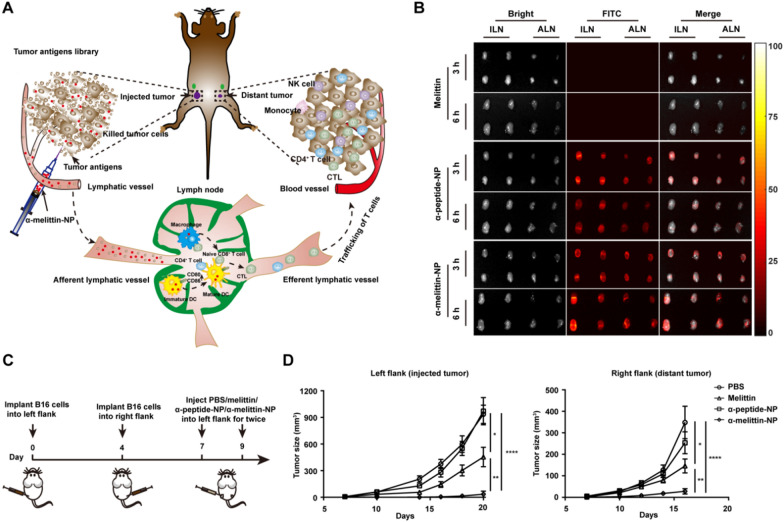
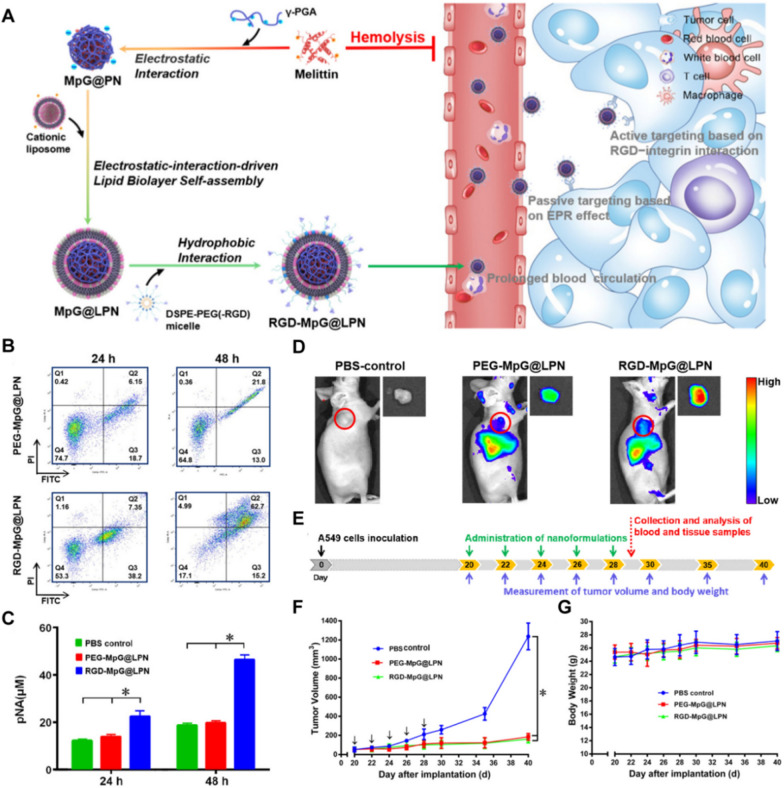
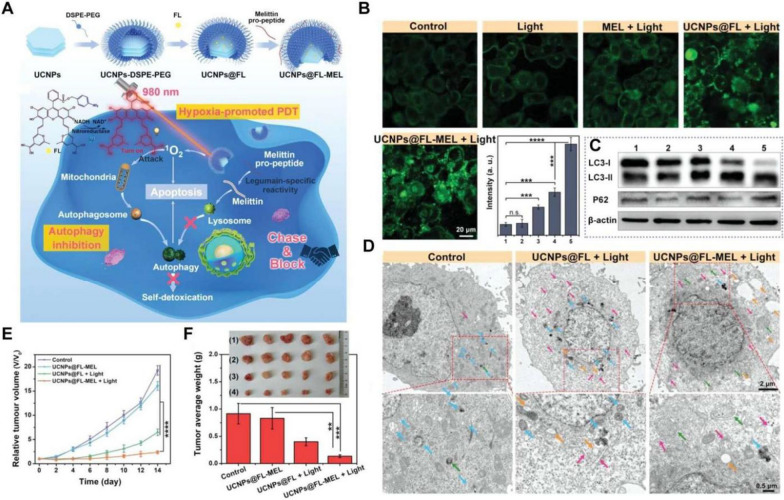
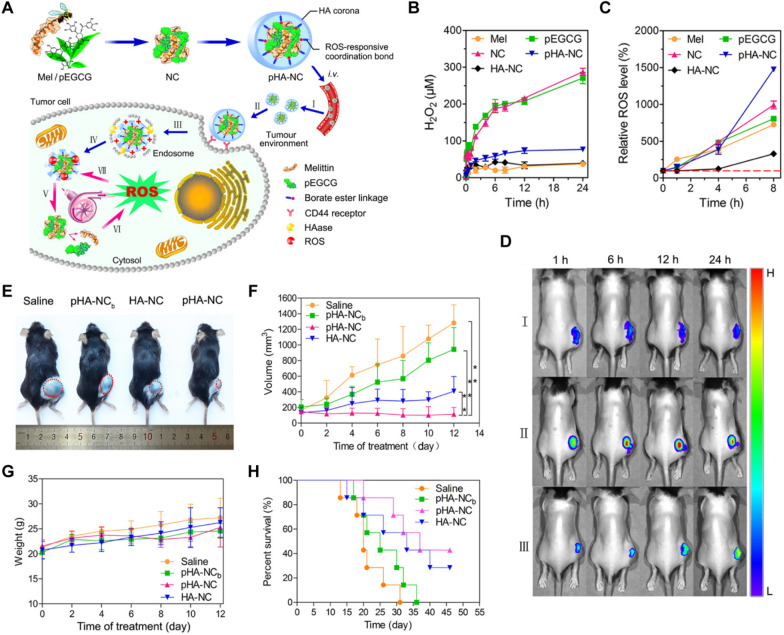
As a naturally occurring cytolytic peptide, melittin (MLT) not only exhibits a potent direct tumor cell-killing effect but also possesses various immunomodulatory functions. MLT shows minimal chances for developing resistance and has been recognized as a promising broad-spectrum antitumor drug because of this unique dual mechanism of action. However, MLT still displays obvious toxic side effects during treatment, such as nonspecific cytolytic activity, hemolytic toxicity, coagulation disorders, and allergic reactions, seriously hampering its broad clinical applications. With thorough research on antitumor mechanisms and the rapid development of nanotechnology, significant effort has been devoted to shielding against toxicity and achieving tumor-directed drug delivery to improve the therapeutic efficacy of MLT. Herein, we mainly summarize the potential antitumor mechanisms of MLT and recent progress in the targeted delivery strategies for tumor therapy, such as passive targeting, active targeting and stimulus-responsive targeting. Additionally, we also highlight the prospects and challenges of realizing the full potential of MLT in the field of tumor therapy. By exploring the antitumor molecular mechanisms and delivery strategies of MLT, this comprehensive review may inspire new ideas for tumor multimechanism synergistic therapy.
作为一种天然存在的细胞溶解性肽,蜂毒素 (MLT) 不仅具有强大的直接杀伤肿瘤细胞作用,而且具有多种免疫调节功能。由于这种独特的双重作用机制,MLT 几乎没有产生耐药性的机会,已被认为是一种很有前途的广谱抗肿瘤药物。然而,MLT 在治疗过程中仍表现出明显的毒副作用,如非特异性细胞溶解活性、溶血毒性、凝血障碍和过敏反应,严重阻碍了其广泛的临床应用。随着对抗肿瘤机制的深入研究和纳米技术的快速发展,人们致力于屏蔽毒性并实现肿瘤靶向药物传递,以提高 MLT 的治疗效果。本文主要总结了 MLT 的潜在抗肿瘤机制以及肿瘤治疗靶向递药策略的最新进展,如被动靶向、主动靶向和刺激响应性靶向。此外,我们还强调了实现 MLT 在肿瘤治疗领域潜力的前景和挑战。通过探索 MLT 的抗肿瘤分子机制和递药策略,这篇综述可能为肿瘤多机制协同治疗提供新的思路。