SeyedAlinaghi SeyedAhmad, Afsahi Amir Masoud, Shahidi Ramin, Afzalian Arian, Mirzapour Pegah, Eslami Mohammad, Ahmadi Sepide, Matini Parisa, Yarmohammadi Soudabeh, Saeed Tamehri Zadeh Seyed, Asili Pooria, Paranjkhoo Parinaz, Ramezani Maryam, Nooralioghli Parikhani Sahar, Sanaati Foziye, Amiri Fard Iman, Emamgholizade Baboli Elham, Mansouri Somaye, Pashaei Ava, Mehraeen Esmaeil, Hackett Daniel
Iranian Research Center for HIV/AIDS, Iranian Institute for Reduction of High-Risk Behaviors, Tehran University of Medical Sciences, Tehran, Iran.
Department of Radiology, School of Medicine, University of California, San Diego, CA, USA.
SAGE Open Med. 2023 Nov 10;11:20503121231208273. doi: 10.1177/20503121231208273. eCollection 2023.
Stigmatization was reported throughout the COVID pandemic for COVID-19 patients and close contacts. The aim of this systematic review was to comprehensively examine the prevalence and impact of stigmatization during COVID-19 pandemic.
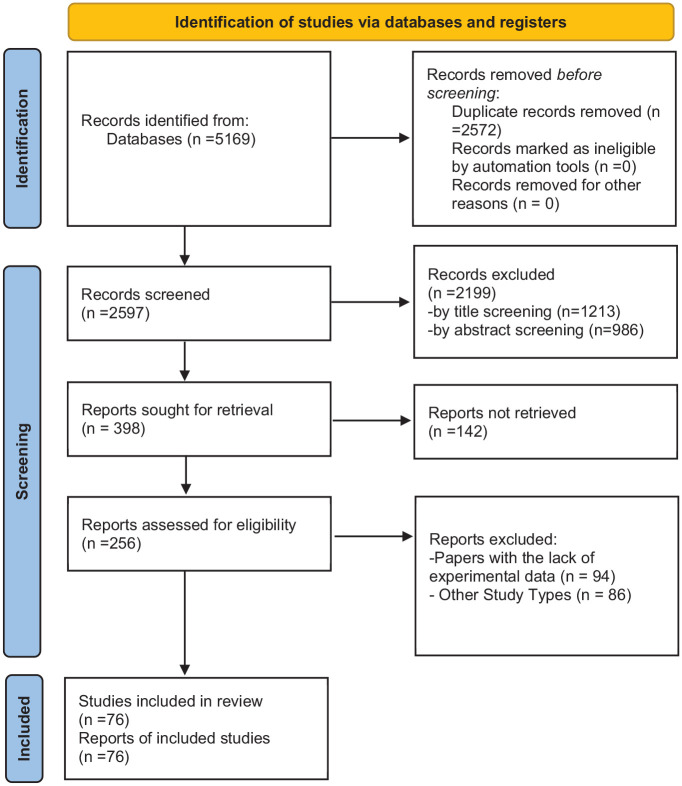
English articles were searched using online databases that included PubMed, Scopus, Embase, and Web of Science up to 24 August 2022. A two-step screening and selection process was followed utilizing an inclusion and exclusion criteria and then data was extracted from eligible articles. The Preferred Reporting Items for Systematic Reviews and Meta-Analyses checklist was followed, and the risk of bias was assessed using the Newcastle-Ottawa Scale.
Seventy-six studies were eligible for inclusion. Twenty-two studies reported the prevalence of social stigma due to COVID-19 infection with social isolation being the most commonly reported stigma. There were 20 studies that reported the majority of participants experienced stigma due to COVID-19 infection, which was as high as 100% of participants in two studies. Participants in 16 studies reported blaming from others as the second most common type of stigma, with various other types reported such as psychological pressure, verbal violence, avoidance, and labeling. The most common effect of the stigma was anxiety followed by depression, and then reduction of socialization.
Findings from the present review have identified that COVID-19-related stigma studies have generally focused on its prevalence, type, and outcome. Greater awareness of this topic may assist with improving public education during pandemics such as COVID-19 as well as access to support services for individuals impacted by stigmatization.
在整个新冠疫情期间,有报道称新冠患者及其密切接触者受到了污名化。本系统评价的目的是全面考察新冠疫情期间污名化的发生率及其影响。
通过在线数据库检索英文文章,这些数据库包括截至2022年8月24日的PubMed、Scopus、Embase和Web of Science。采用两步筛选和选择流程,利用纳入和排除标准,然后从符合条件的文章中提取数据。遵循系统评价和Meta分析的首选报告项目清单,并使用纽卡斯尔-渥太华量表评估偏倚风险。
76项研究符合纳入标准。22项研究报告了因新冠病毒感染导致的社会污名化发生率,社会隔离是最常报告的污名形式。有20项研究报告称,大多数参与者因新冠病毒感染而受到污名化,在两项研究中这一比例高达100%。16项研究中的参与者报告称,被他人指责是第二常见的污名类型,还报告了其他各种类型的污名,如心理压力、言语暴力、回避和贴标签。污名化最常见的影响是焦虑,其次是抑郁,然后是社交活动减少。
本次综述的结果表明,与新冠病毒相关的污名化研究通常集中在其发生率、类型和后果上。对这一主题的更多认识可能有助于在新冠疫情等大流行期间改善公众教育,以及为受到污名化影响的个人提供支持服务。