Department of Psychiatry, Massachusetts General Hospital, Boston, MA, USA; Harvard Medical School, Boston, MA, USA.
School of Psychology, Reichman University, Herzliya, Israel.
J Affect Disord. 2024 Mar 1;348:17-25. doi: 10.1016/j.jad.2023.12.010. Epub 2023 Dec 7.
Post-traumatic stress disorder (PTSD) following traumatic childbirth may undermine maternal and infant health, but screening for maternal childbirth-related PTSD (CB-PTSD) remains lacking. Acute emotional distress in response to a traumatic experience strongly associates with PTSD. The Peritraumatic Distress Inventory (PDI) assesses acute distress in non-postpartum individuals, but its use to classify women likely to endorse CB-PTSD is unknown.
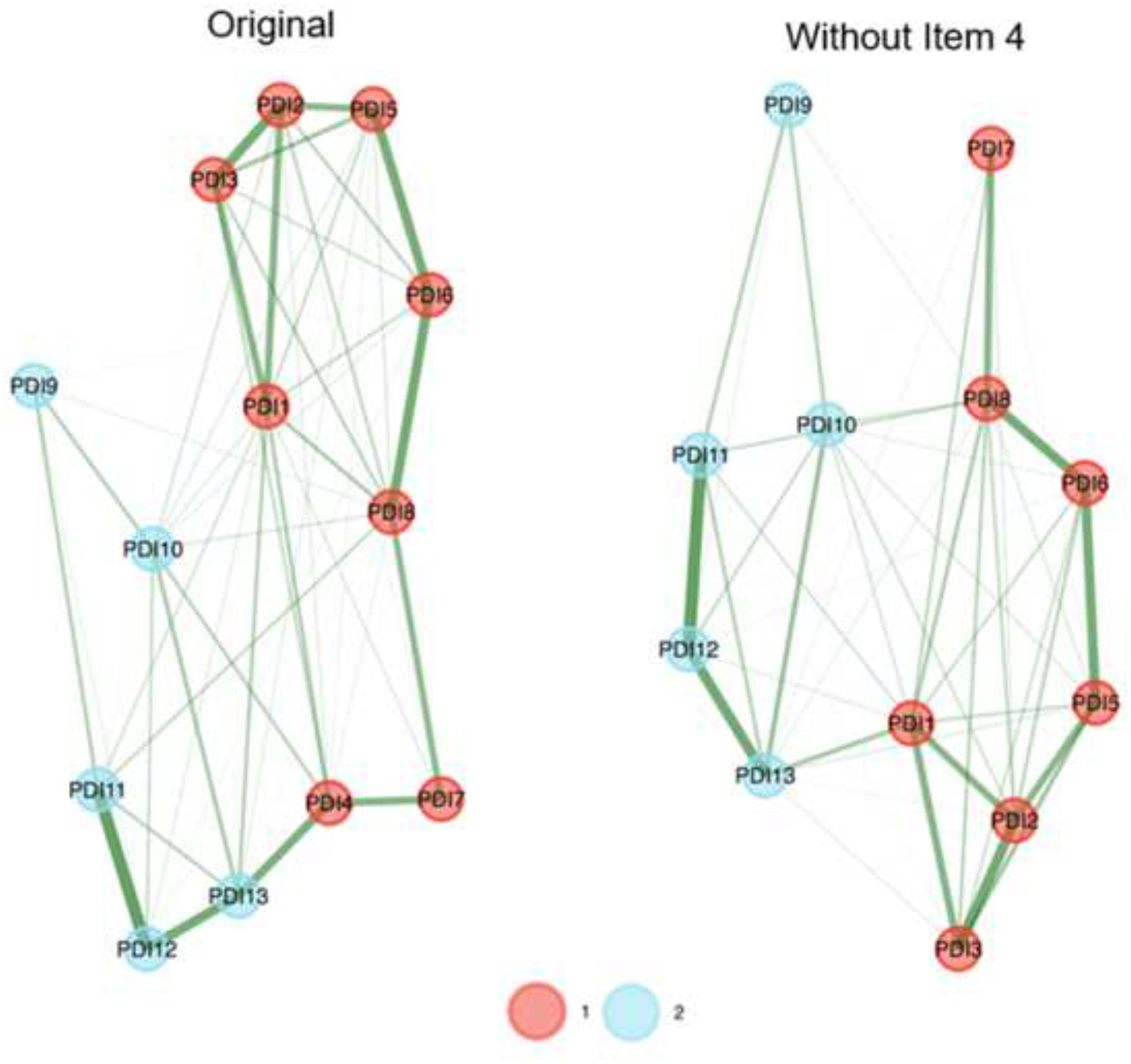
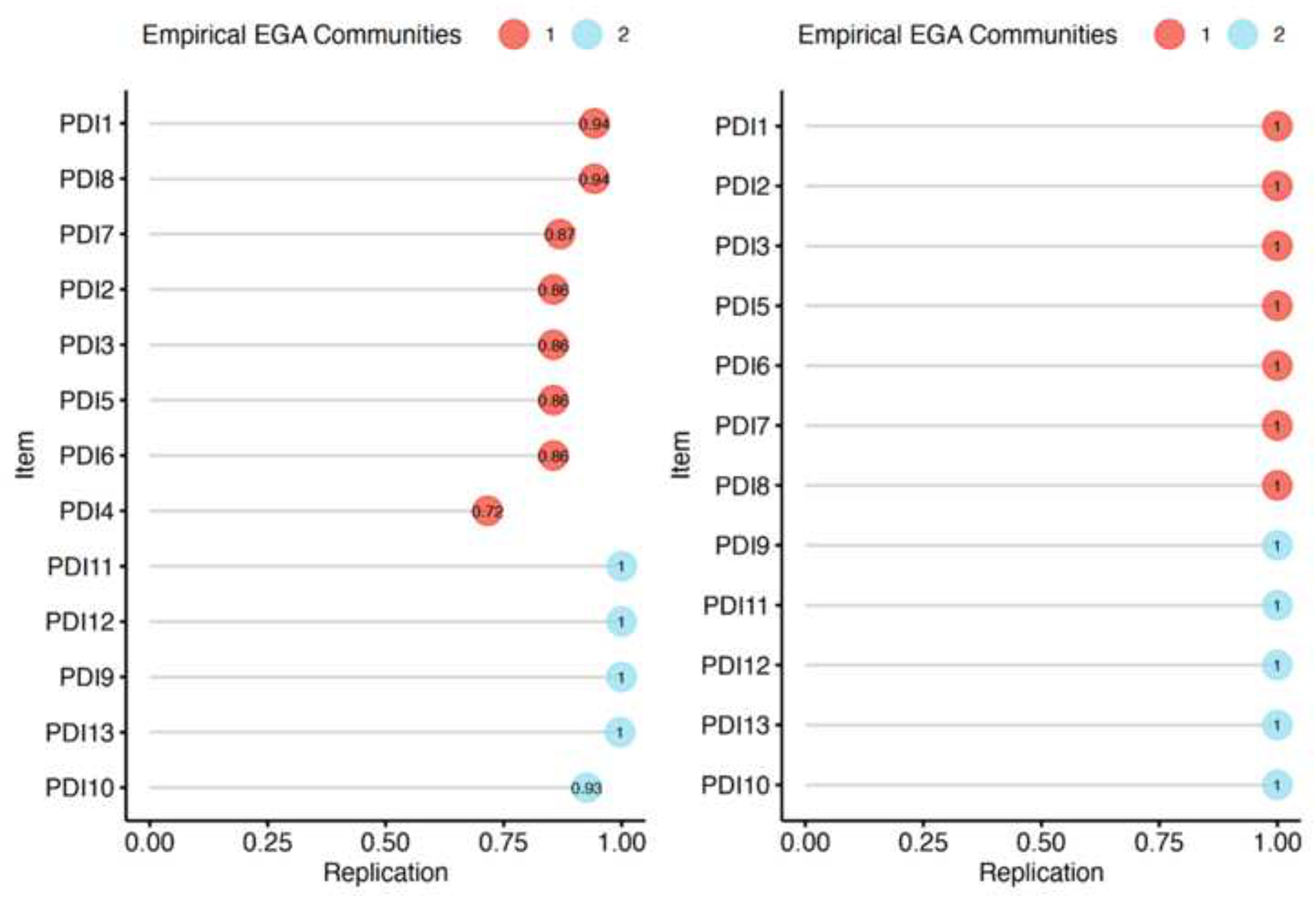
3039 women provided information about their mental health and childbirth experience. They completed the PDI regarding their recent childbirth event, and a PTSD symptom screen to determine CB-PTSD. We employed Exploratory Graph Analysis and bootstrapping to reveal the PDI's factorial structure and optimal cutoff value for CB-PTSD classification.
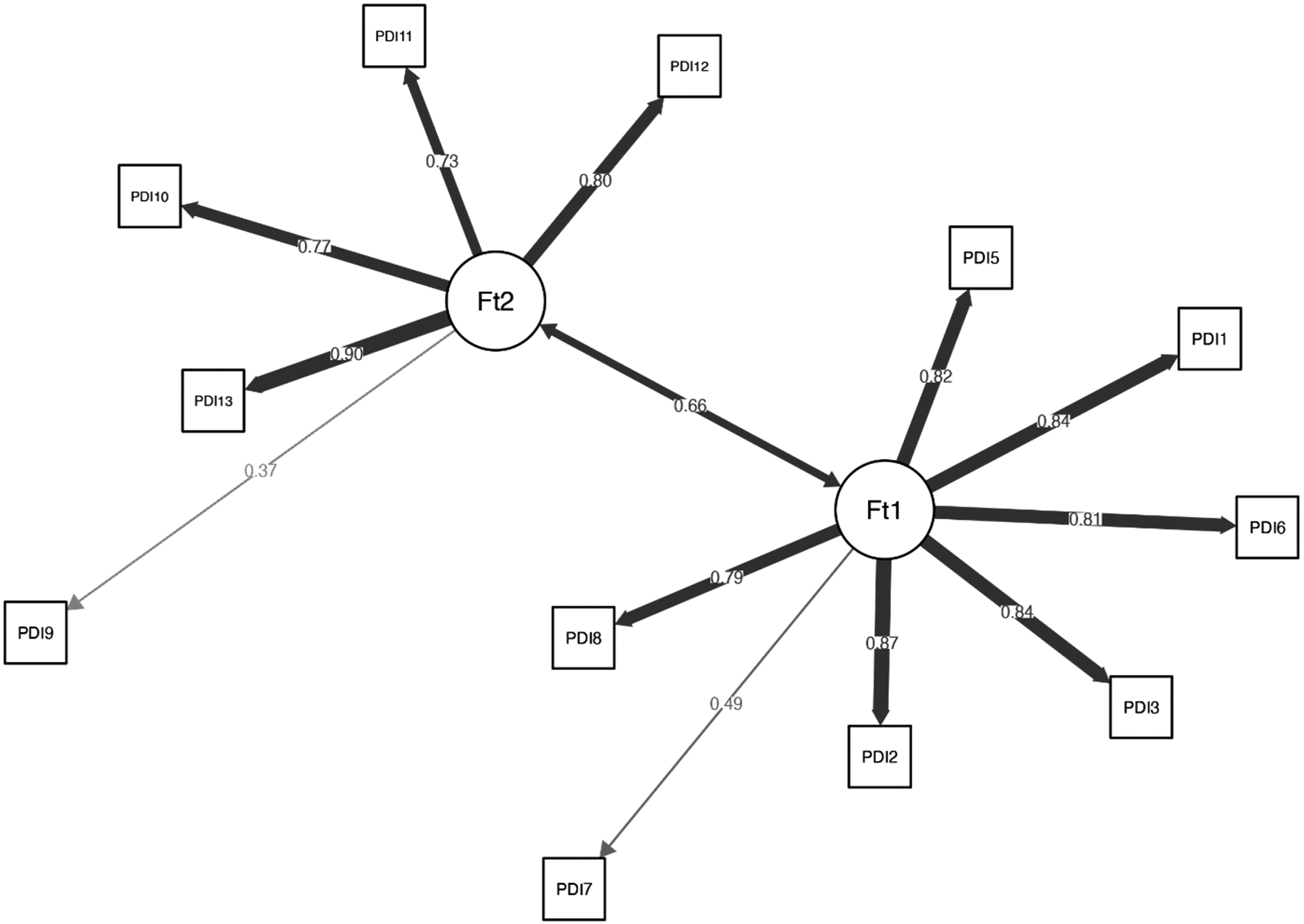
Factor analysis revealed two strongly correlated stable factors based on a modified version of the PDI: (1) negative emotions and (2) bodily arousal and threat appraisal. A score of 15+ on the modified PDI produced high sensitivity and specificity: 88 % with a positive CB-PTSD screen in the first postpartum months and 93 % with a negative screen.
In this cross-sectional study, the PDI was administered at different timepoints postpartum. Future work should examine the PDI's predictive utility for screening women as closely as possible to the time of childbirth, and establish clinical cutoffs in populations after complicated deliveries.
Brief self-report screening concerning a woman's emotional reactions to childbirth using our modified PDI tool can detect those likely to endorse CB-PTSD in the early postpartum. This may serve as the initial step of managing symptoms to ultimately prevent chronic manifestations.
创伤性分娩后创伤后应激障碍(PTSD)可能会损害母婴健康,但对与分娩相关的产妇 PTSD(CB-PTSD)的筛查仍然不足。对创伤性经历的急性情绪困扰与 PTSD 强烈相关。创伤后应激障碍诊断量表(PDI)评估非产后个体的急性痛苦,但用于分类可能患有 CB-PTSD 的女性的用途尚不清楚。
3039 名妇女提供了有关其心理健康和分娩经历的信息。她们完成了关于最近分娩事件的 PDI,并进行了 PTSD 症状筛查以确定 CB-PTSD。我们采用探索性图形分析和引导来揭示 PDI 的因子结构和用于 CB-PTSD 分类的最佳截断值。
因子分析显示,基于 PDI 的修改版本,有两个高度相关的稳定因子:(1)负性情绪,(2)身体唤醒和威胁评估。修改后的 PDI 得分 15+具有较高的敏感性和特异性:在产后第一个月内,阳性 CB-PTSD 筛查率为 88%,阴性筛查率为 93%。
在这项横断面研究中,PDI 在产后不同时间点进行了评估。未来的工作应该尽可能接近分娩时间检查 PDI 对女性筛查的预测效用,并在复杂分娩后人群中建立临床截断值。
使用我们修改后的 PDI 工具,针对女性对分娩的情绪反应进行简短的自我报告筛查,可以在产后早期发现那些可能患有 CB-PTSD 的人。这可能是管理症状的初始步骤,最终可以预防慢性表现。