Lee Gil Ya Cancer and Diabetes Institute, Department of Biochemistry, Gachon University College of Medicine, Incheon 21999, Republic of Korea.
Aqua Green Technology Co., Ltd., Smart Building, Jeju Science Park, Jeju 63309, Republic of Korea.
Molecules. 2023 Dec 15;28(24):8099. doi: 10.3390/molecules28248099.
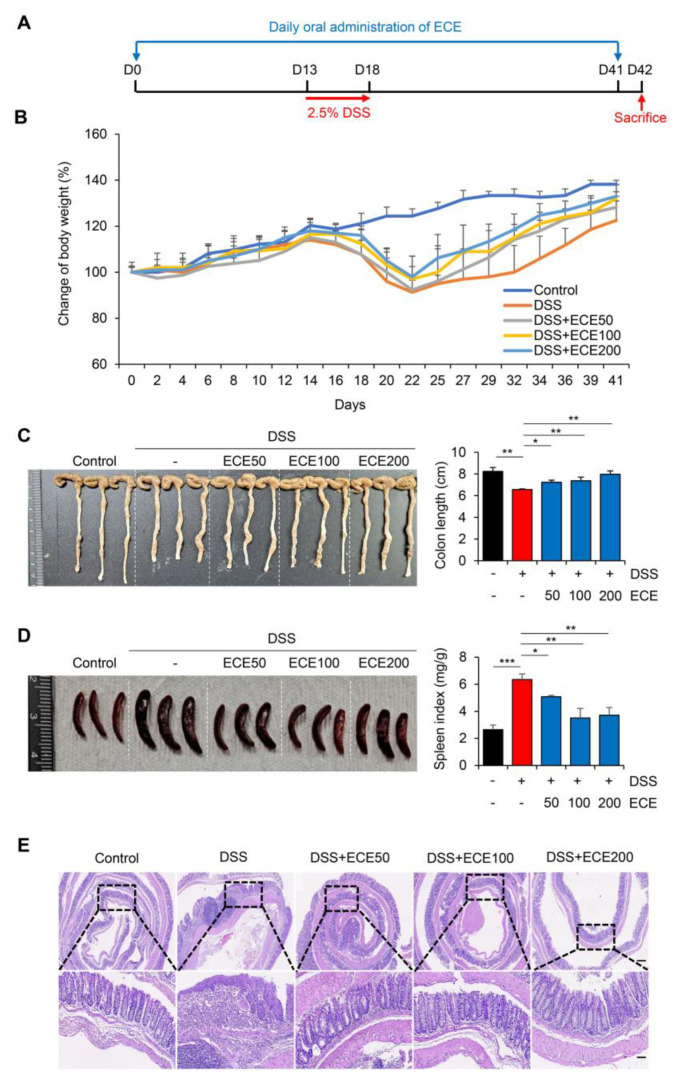
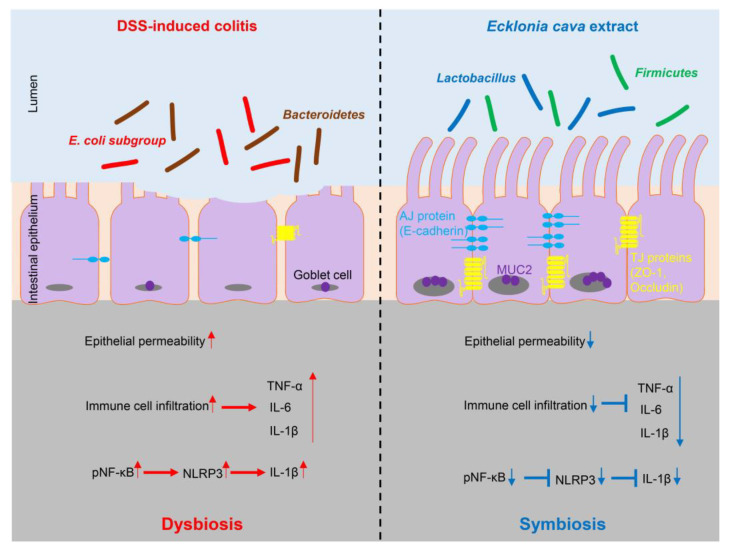
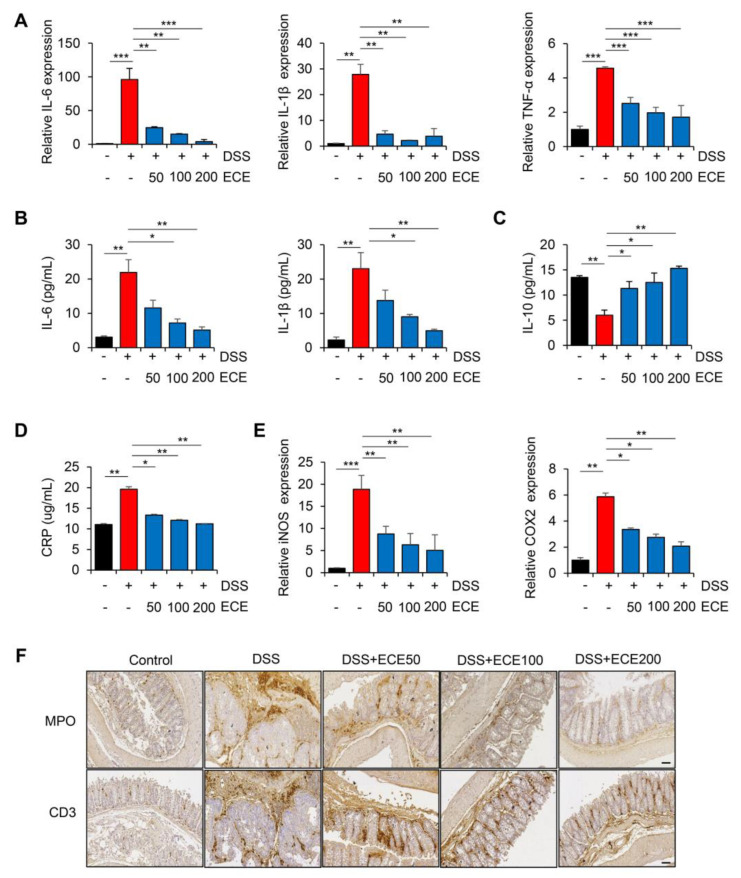
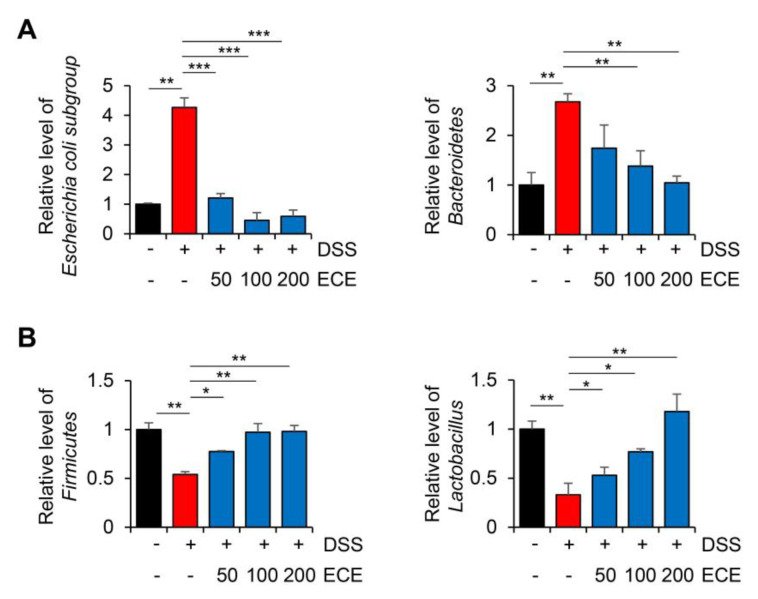
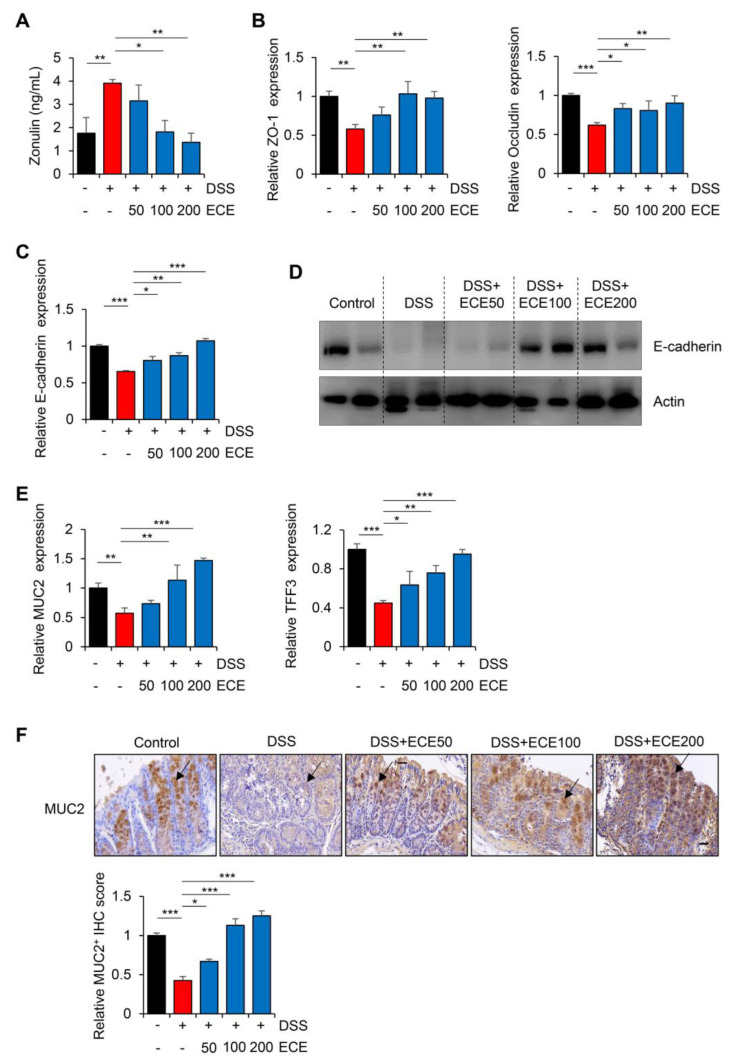
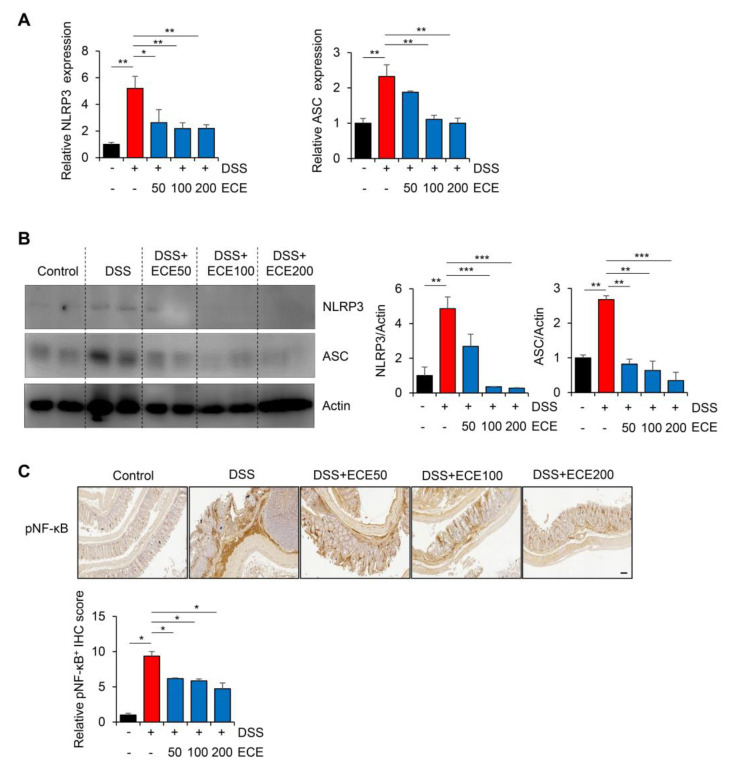
Inflammatory bowel disease (IBD), including ulcerative colitis and Crohn's disease, is a complex gastrointestinal disorder with a multifactorial etiology, including environmental triggers, autoimmune mechanisms, and genetic predisposition. Despite advancements in therapeutic strategies for IBD, its associated mortality rate continues to rise, which is often attributed to unforeseen side effects of conventional treatments. In this context, we explored the potential of extract (ECE), derived from an edible marine alga known for its anti-inflammatory and antioxidant properties, in mitigating IBD. This study investigated the effectiveness of ECE as a preventive agent in a murine model of dextran sulfate sodium (DSS)-induced colitis. Our findings revealed that pretreatment with ECE significantly ameliorated colitis severity, as evidenced by increased colon length, reduced spleen weight, and histological improvements demonstrated by immunohistochemical analysis. Furthermore, ECE significantly attenuated the upregulation of inflammatory cytokines and mediators and the infiltration of immune cells known to be prominent features of colitis in mice. Notably, ECE alleviated dysbiosis of intestinal microflora and aided in the recovery of damaged intestinal mucosa. Mechanistically, ECE exhibited protective effects against pathogenic colitis by inhibiting the NLRP3/NF-κB pathways known to be pivotal regulators in the inflammatory signaling cascade. These compelling results suggest that ECE holds promise as a potential candidate for IBD prevention. It might be developed into a functional food for promoting gastrointestinal health. This research sheds light on the preventive potential of natural compounds like ECE in the management of IBD, offering a safer and more effective approach to combating this challenging disease.
炎症性肠病(IBD),包括溃疡性结肠炎和克罗恩病,是一种复杂的胃肠道疾病,其病因包括环境触发因素、自身免疫机制和遗传易感性等多种因素。尽管在 IBD 的治疗策略方面取得了进展,但它的相关死亡率仍在上升,这通常归因于传统治疗方法的不可预见的副作用。在这种情况下,我们探讨了从一种具有抗炎和抗氧化特性的可食用海洋藻类中提取的提取物(ECE)在缓解 IBD 方面的潜力。本研究调查了 ECE 作为葡聚糖硫酸钠(DSS)诱导的结肠炎小鼠模型中预防剂的有效性。我们的研究结果表明,ECE 的预处理显著改善了结肠炎的严重程度,表现为结肠长度增加、脾脏重量减轻以及免疫组织化学分析显示的组织学改善。此外,ECE 显著减轻了炎症细胞因子和介质的上调以及免疫细胞的浸润,这些是结肠炎的显著特征。值得注意的是,ECE 缓解了肠道微生物群落的失调,并有助于受损的肠道黏膜的恢复。从机制上讲,ECE 通过抑制 NLRP3/NF-κB 途径发挥对致病性结肠炎的保护作用,该途径是炎症信号级联中的关键调节剂。这些令人信服的结果表明,ECE 有望成为 IBD 预防的潜在候选药物。它可能被开发为一种促进胃肠道健康的功能性食品。这项研究揭示了 ECE 等天然化合物在 IBD 管理中的预防潜力,为对抗这种具有挑战性的疾病提供了一种更安全、更有效的方法。