Department of Biotechnology, College of Basic Medical Science, Dalian Medical University, Dalian 116044, China.
Department of Biochemistry and Molecular Biology, College of Basic Medical Science, Dalian Medical University, Dalian 116044, China.
Molecules. 2023 Sep 28;28(19):6849. doi: 10.3390/molecules28196849.
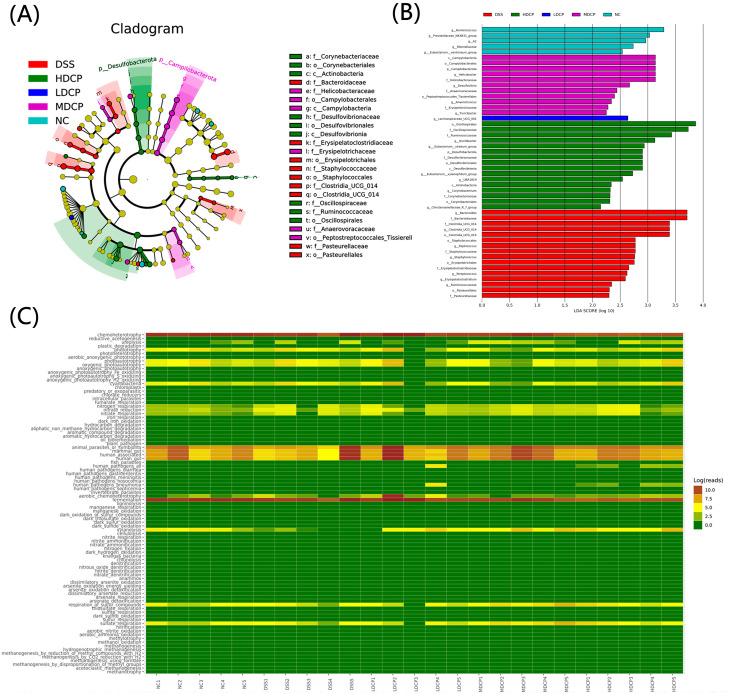
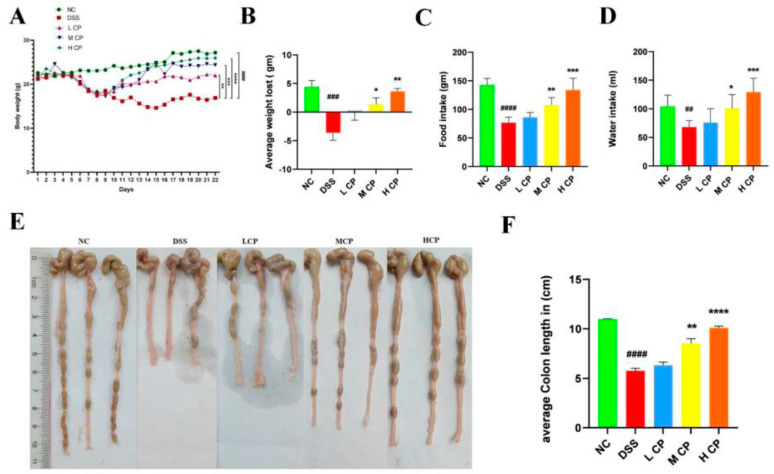
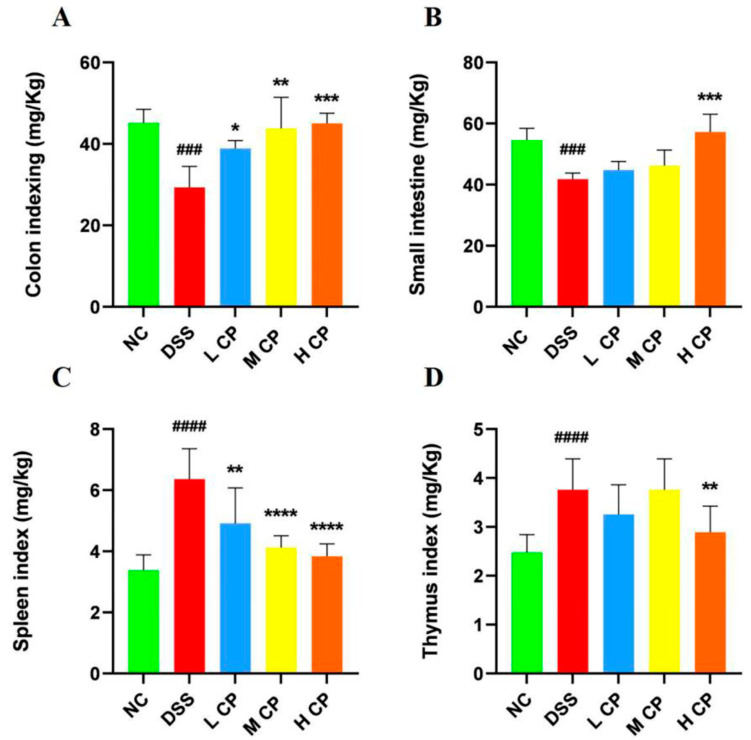
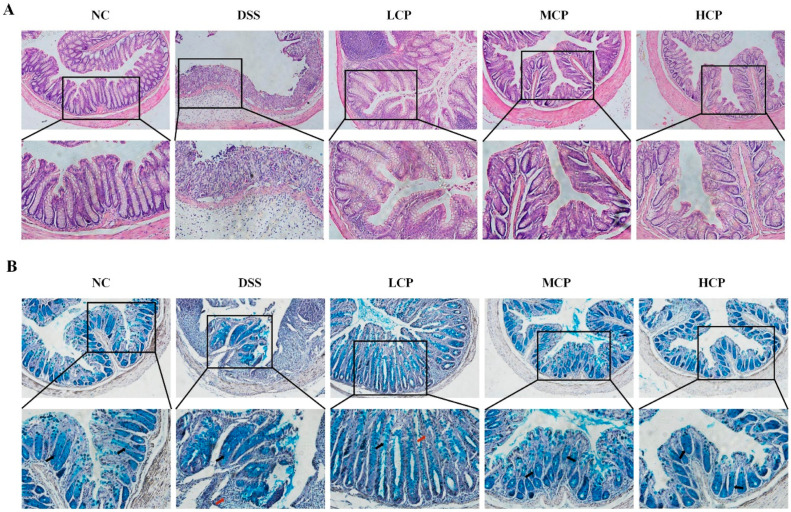
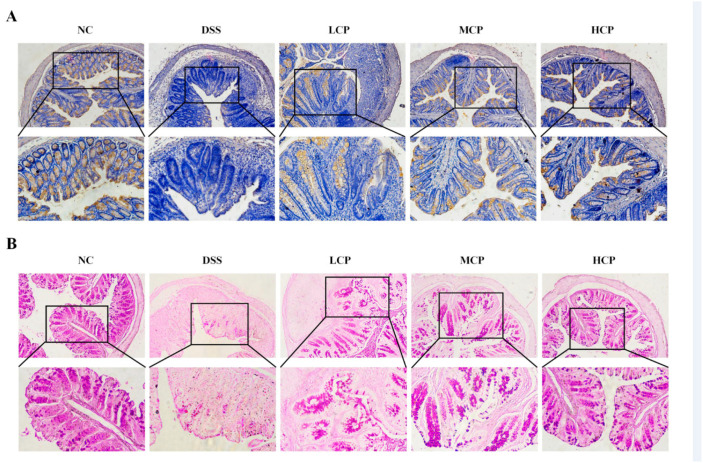
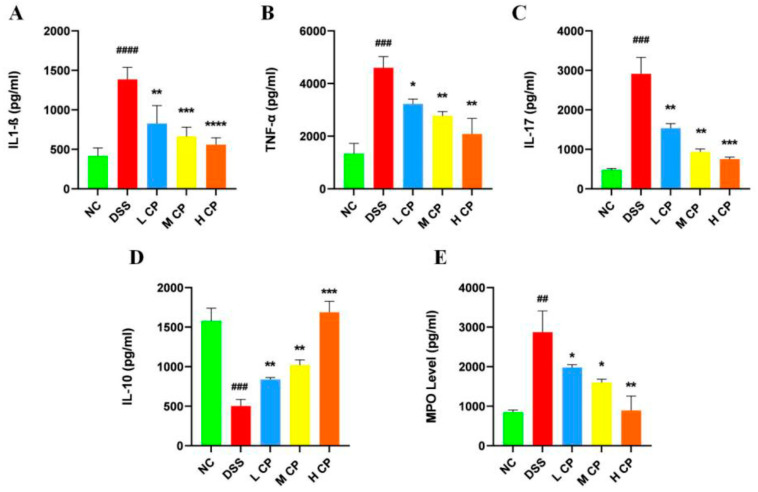
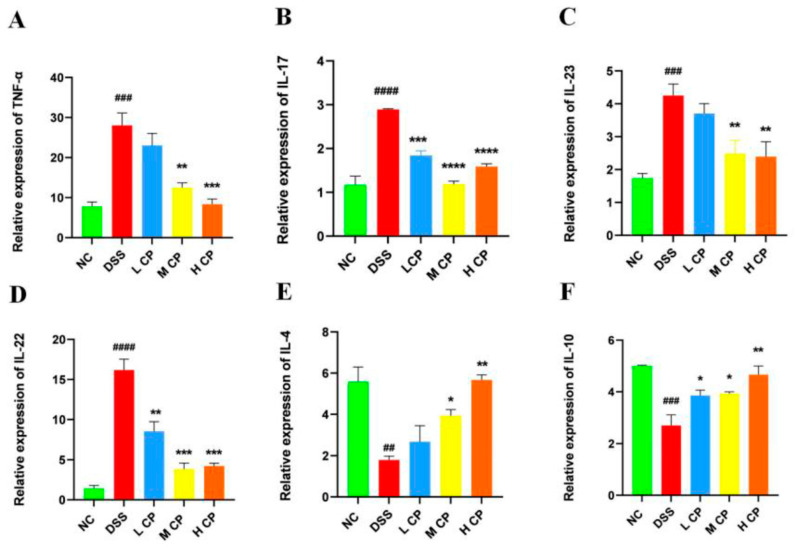
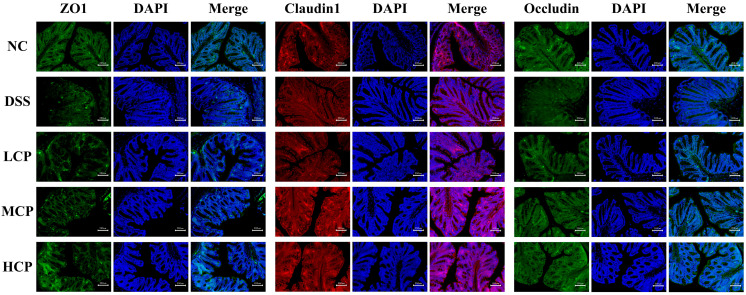
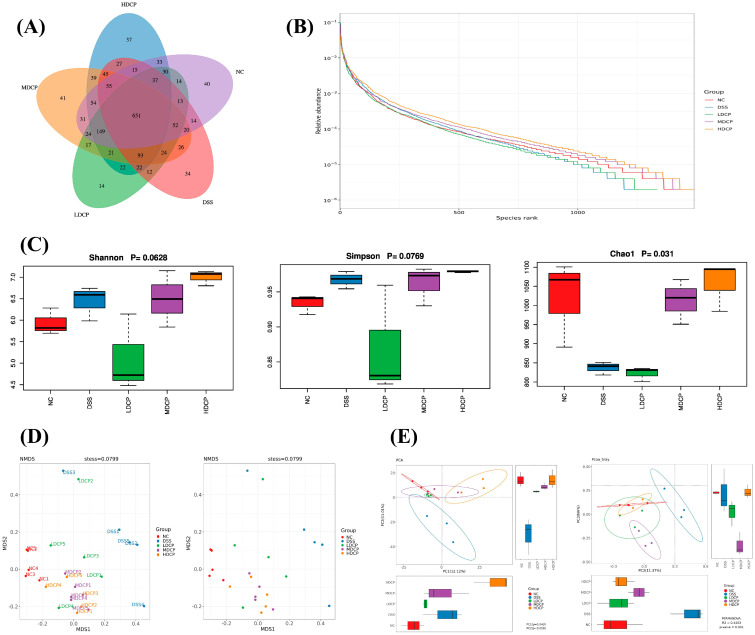
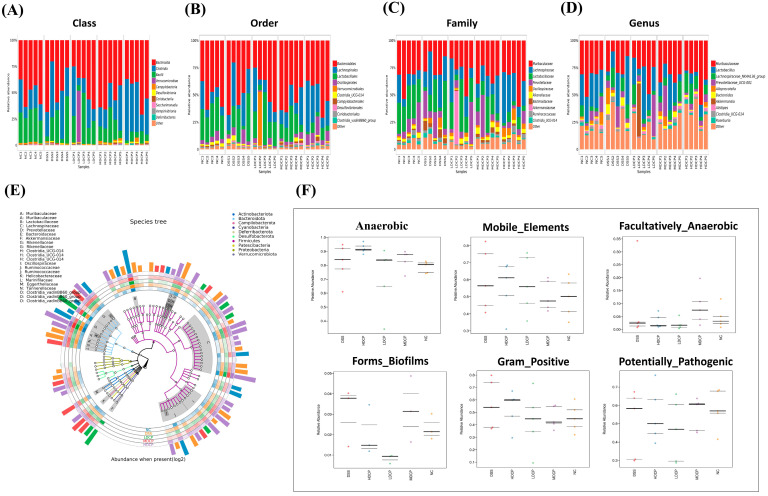
Inflammatory bowel disease (IBD) is a persistent, lifelong inflammation of the digestive system. Dextran sulfate sodium is commonly used to induce colitis in experimental animal models, which causes epithelial damage, intestinal inflammation, mucin depletion, and dysbiosis of the gut microbiota. Various prebiotics, polysaccharides, and polypeptides are used for IBD treatment. In this study, we used a murine model utilizing BALB/c mice, with 10 mice per group, to investigate the treatment effect of sea conch peptide hydrolysate (CPH) on DSS-induced colitis mice. Colitis was induced through the administration of 2.5% DSS in drinking water over a seven-days period. Furthermore, on the eighth day of the experiment, sea conch peptide hydrolysate (CPH) at low (100 mg/kg), medium (200 mg/kg), and high (400 mg/kg) doses, which were continued for 14 days, were assessed for medicinal purposes in DSS-induced colitis mice. Our results showed that CPH treatment significantly alleviated the severity and symptoms of colitis. The epithelial integrity and histological damage were improved. Intestinal inflammation and inflammatory cell infiltration were improved. Furthermore, the expression of pro-inflammatory cytokines was reduced, and intestinal barrier integrity was restored by elevating the tight junction proteins. Moreover, 16s RNA sequencing revealed dysbiosis of the gut microbiota was observed upon DSS treatment, which was reinstated after CPH treatment. An increased level of and was observed in the treatment groups. Finally, our results suggest that CPH would be recommended as a functional food source and also have the potential to be used as a medicinal product for different gastrointestinal disorders.
炎症性肠病(IBD)是一种持续性的、终身性的消化系统炎症。硫酸葡聚糖钠常用于诱导实验动物模型中的结肠炎,导致上皮损伤、肠道炎症、粘蛋白耗竭和肠道微生物群落的失调。各种益生元、多糖和多肽被用于 IBD 的治疗。在本研究中,我们使用 BALB/c 小鼠的小鼠模型,每组 10 只,研究海洋贝类肽水解物(CPH)对 DSS 诱导的结肠炎小鼠的治疗效果。通过在饮用水中添加 2.5%的 DSS 诱导结肠炎,持续 7 天。此外,在实验的第 8 天,用低(100mg/kg)、中(200mg/kg)和高(400mg/kg)剂量的海洋贝类肽水解物(CPH)进行治疗,持续 14 天,用于评估 DSS 诱导的结肠炎小鼠的治疗效果。我们的结果表明,CPH 治疗显著缓解了结肠炎的严重程度和症状。上皮完整性和组织学损伤得到改善。肠道炎症和炎症细胞浸润得到改善。此外,促炎细胞因子的表达减少,通过提高紧密连接蛋白恢复肠道屏障完整性。此外,16s RNA 测序显示,DSS 处理后观察到肠道微生物群落的失调,CPH 处理后恢复正常。在治疗组中观察到 和 的水平增加。最后,我们的结果表明,CPH 可以作为功能性食品来源推荐,也有可能作为治疗不同胃肠道疾病的药物。