Sun Pingping, Wang Zhan, Li Sixiao, Yin Jiajing, Gan Yuyang, Liu Shizhao, Lin Zhen, Wang Hailin, Fan Zhexiang, Qu Qian, Hu Zhiqi, Li Kaitao, Miao Yong
Department of Plastic and Aesthetic Surgery, Nanfang Hospital of Southern Medical University, Guangzhou, China.
Cell Biosci. 2024 Jan 5;14(1):6. doi: 10.1186/s13578-023-01177-2.
Hair follicle stem cells (HFSCs) typically remain quiescent and are activated only during the transition from telogen to anagen to ensure that the hair follicle enters a new cycle. The metabolic behavior of stem cells in tissues is regulated by macroautophagy/autophagy, and changes in HFSC metabolism directly affect their activation and maintenance. However, the role of autophagy in the regulation of HFSC metabolism and function remains unclear.
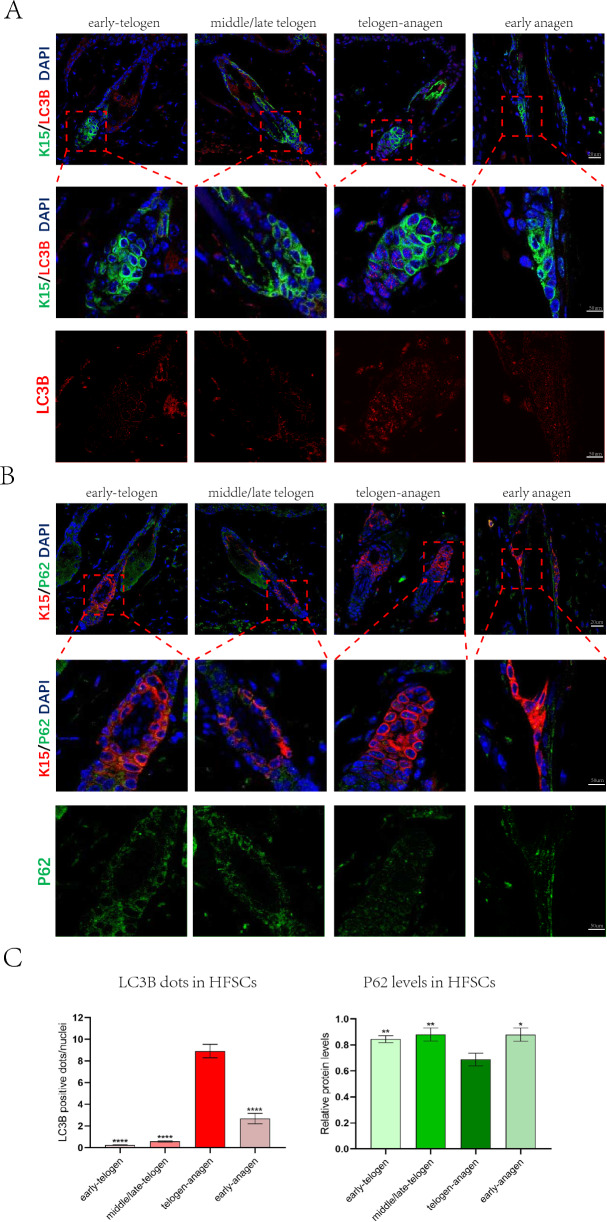
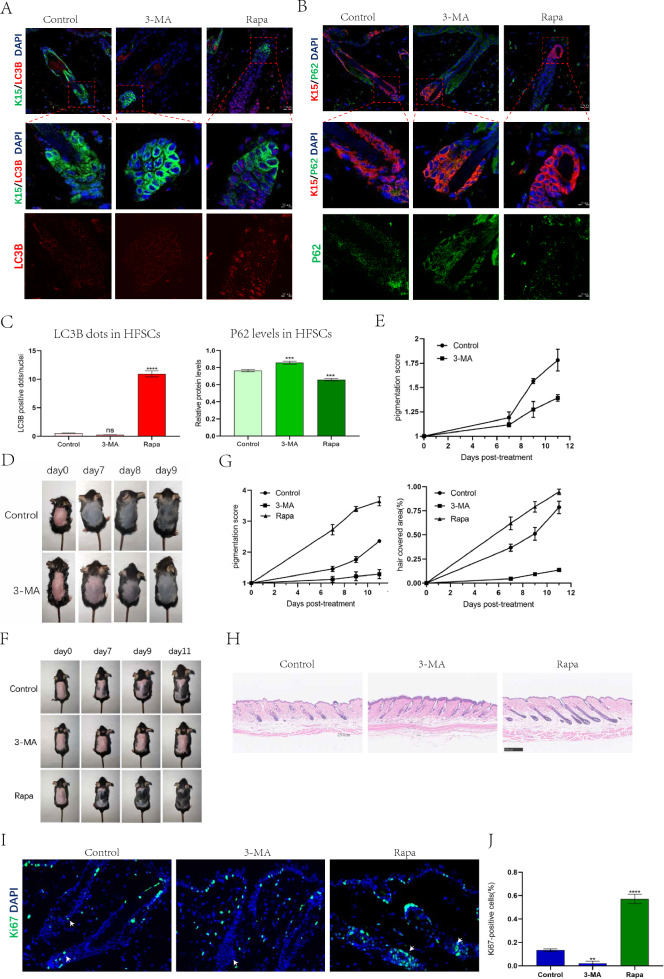
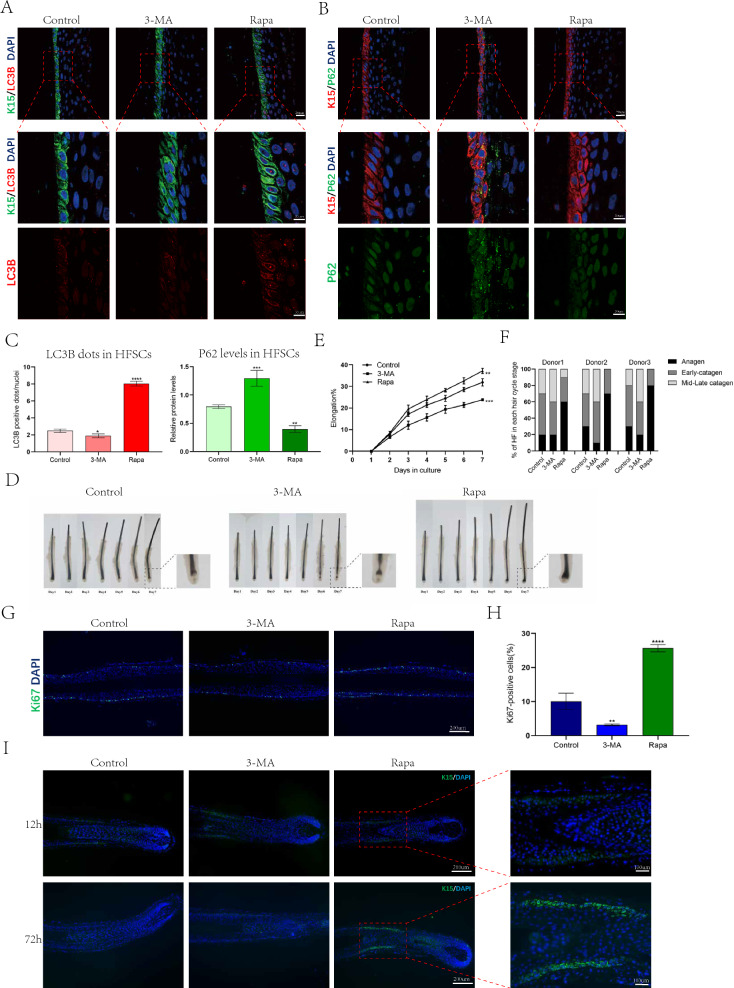
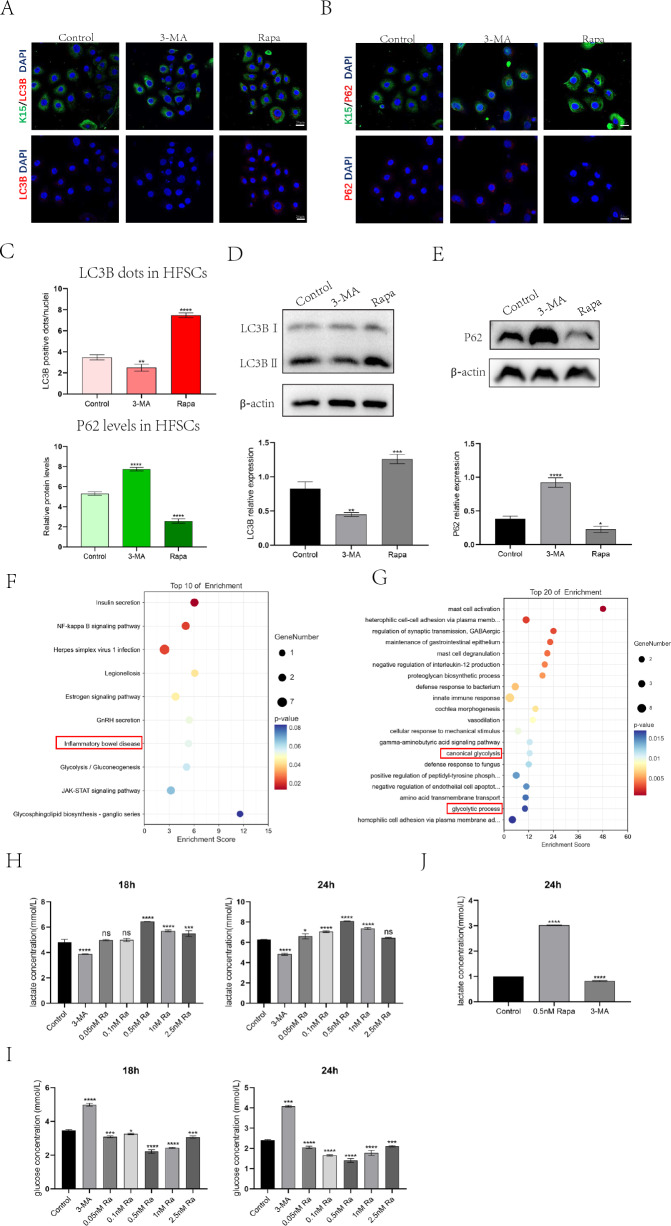
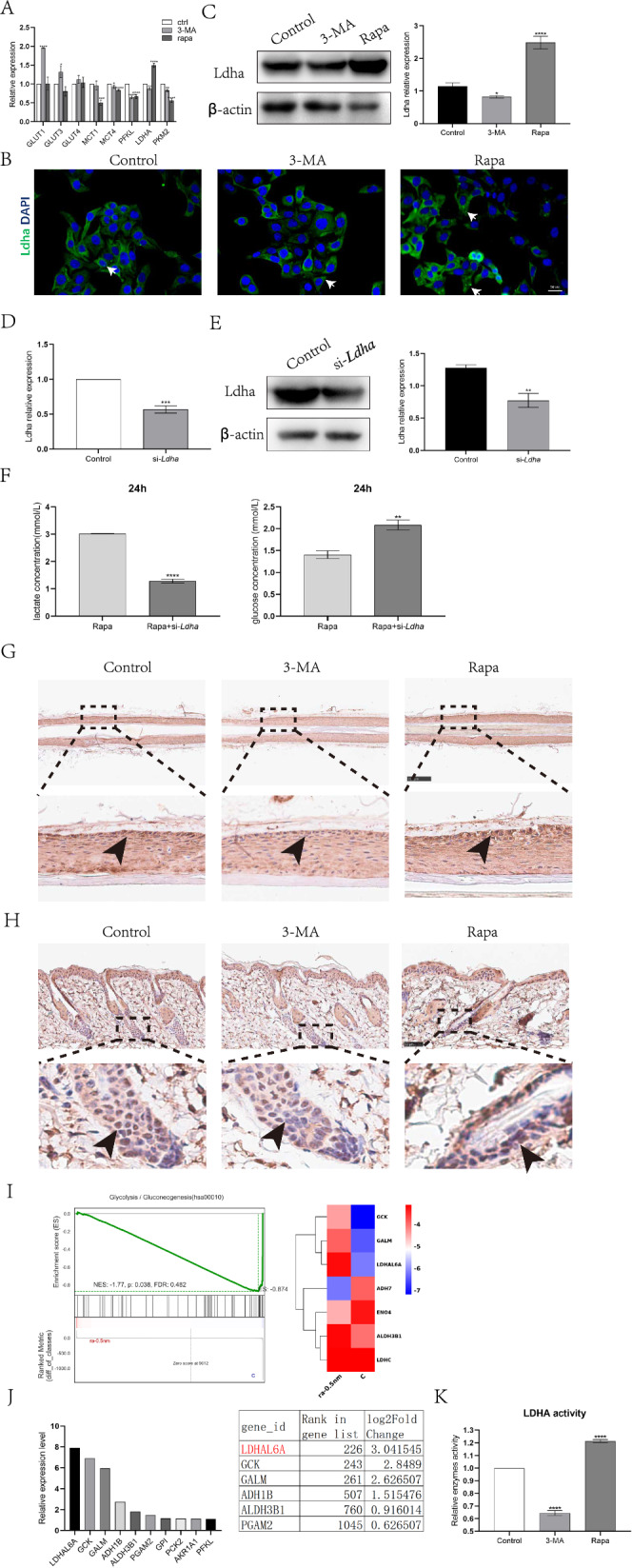
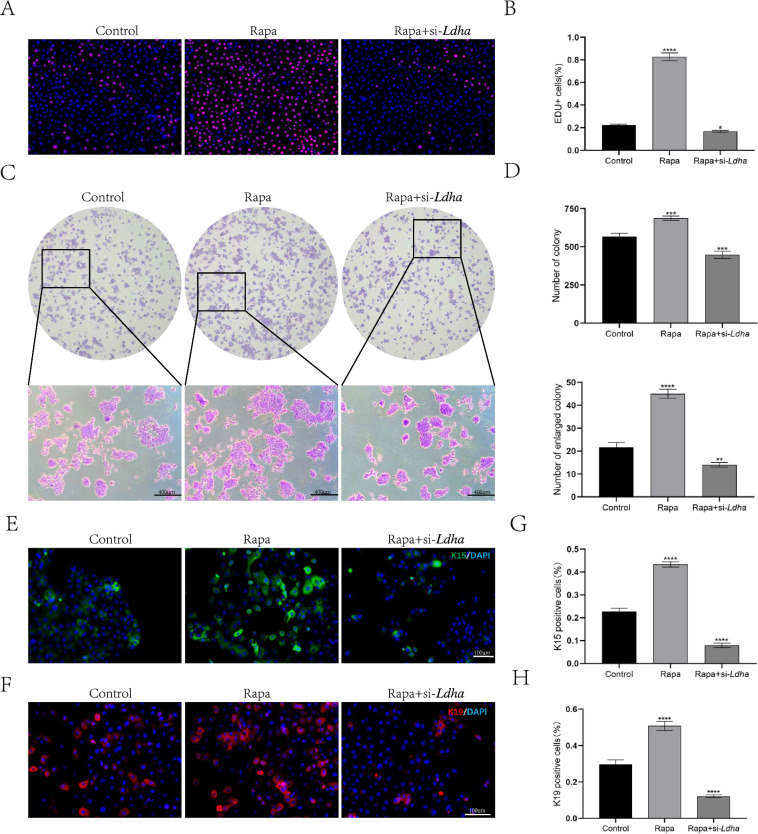
Back skin samples were obtained from mice at different hair follicle cycle stages, and immunofluorescence staining was used to monitor autophagy in HFSCs. Mouse and human hair follicles were treated with rapamycin (Rapa, an autophagy activator) or 3-methyladenine (3-MA, an autophagy inhibitor). The effects of autophagy on the hair follicle cycle and HFSC were investigated by imaging, cell proliferation staining, and HFSC-specific marker staining. The influence and mechanism of autophagy on HFSC metabolism were explored using RNA sequencing, real-time polymerase chain reaction, immunohistochemical staining, and detection of lactate and glucose concentrations. Finally, the influence of autophagy-induced glycolysis on HFSC and the hair follicle cycle was verified by stem cell characteristics and in vivo functional experiments.
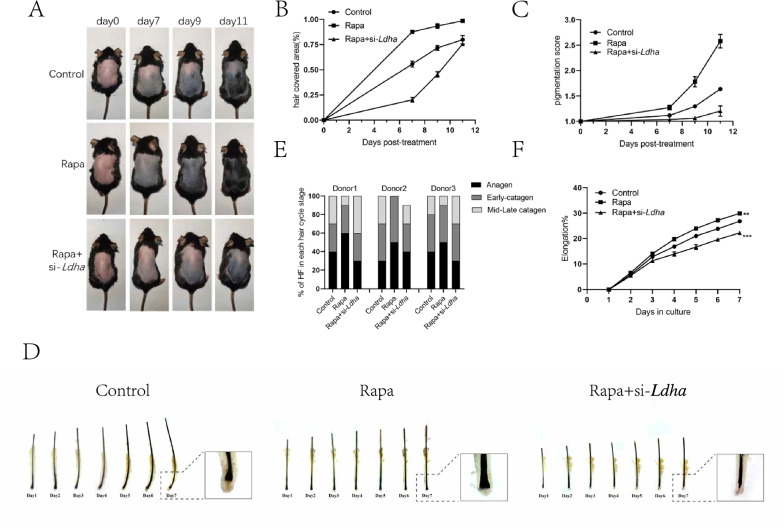
Autophagy in HFSC was highest during the transition from telogen to anagen. Inhibiting autophagy with 3-MA led to early entry into catagen and prolonged telogen, whereas Rapa promoted autophagy and hair growth. Autophagy activated HFSC by increasing the expression and activity of HFSC lactate dehydrogenase (Ldha), thereby transforming HFSC metabolism into glycolysis. Inhibition of Ldha expression counteracted the effects of autophagy.
Autophagy activated HFSC by promoting the transition from HFSC metabolism to glycolysis, ultimately initiating the hair follicle cycle and promoting hair growth.
毛囊干细胞(HFSCs)通常处于静止状态,仅在从休止期向生长期过渡期间被激活,以确保毛囊进入新的周期。组织中干细胞的代谢行为受巨自噬/自噬调节,HFSC代谢的变化直接影响其激活和维持。然而,自噬在HFSC代谢和功能调节中的作用仍不清楚。
从小鼠不同毛囊周期阶段获取背部皮肤样本,采用免疫荧光染色监测HFSCs中的自噬。用雷帕霉素(Rapa,一种自噬激活剂)或3-甲基腺嘌呤(3-MA,一种自噬抑制剂)处理小鼠和人毛囊。通过成像、细胞增殖染色和HFSC特异性标志物染色研究自噬对毛囊周期和HFSC的影响。利用RNA测序、实时聚合酶链反应、免疫组织化学染色以及乳酸和葡萄糖浓度检测,探索自噬对HFSC代谢的影响及机制。最后,通过干细胞特性和体内功能实验验证自噬诱导的糖酵解对HFSC和毛囊周期的影响。
在从休止期向生长期过渡期间,HFSC中的自噬水平最高。用3-MA抑制自噬导致毛囊提前进入退行期并延长休止期,而Rapa促进自噬并促进毛发生长。自噬通过增加HFSC乳酸脱氢酶(Ldha)的表达和活性来激活HFSC,从而将HFSC代谢转变为糖酵解。抑制Ldha表达可抵消自噬的作用。
自噬通过促进HFSC代谢向糖酵解的转变来激活HFSC,最终启动毛囊周期并促进毛发生长。