Division of Inherited Metabolic Diseases, Reference Centre for Expanded Newborn Screening, University Hospital of Padova, 35128 Padova, Italy.
Inherited Metabolic Unit Disorders, Pediatric Department, Fondazione IRCCS San Gerardo dei Tintori, 20900 Monza, Italy.
Nutrients. 2023 Dec 20;16(1):13. doi: 10.3390/nu16010013.
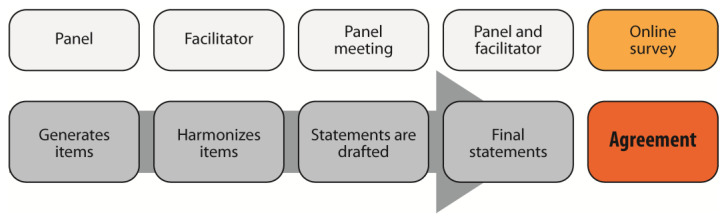
Urea cycle disorders (UCDs) are a group of rare inborn errors of metabolism caused by a deficiency in one of the six enzymes or one of the two transporters involved in the urea cycle. Current guidelines suggest that early diagnosis and treatment of mild UCDs may improve survival and prevent decompensation and neurocognitive impairment. Nevertheless, clinical studies are very difficult to carry out in this setting due to the rarity of the diseases, and high-level evidence is scant and insufficient to draw conclusions and provide clinical guidelines. With the early introduction of newborn screening, the Italian healthcare organization fostered an advancement in expertise in metabolic disease management and screening programs, by allocating resources, and favoring the expansion of newborn screening. A group of experts operating in Italian centers decided to share their experience and provide advice for the management of mild UCDs in clinical practice. A consensus was reached by the Estimate-Talk-Estimate (ETE) method. Five items were identified, and statements for each item were agreed. Briefly, the panel advised completing the diagnosis by expanded newborn screening (ENS) with biochemical and genetic confirmation and by following up with the patient during the first year of life, with a routine laboratory and metabolic profile as well as with clinical observation. Early initiation of therapy is advised and should be followed by therapy adjustment once the diagnostic profile is completed. The therapy should be based on a low-protein diet and nitrogen scavengers. The long-term follow-up is based on growth and nutritional assessment, clinical and neurocognitive evaluation, and laboratory and instrumental parameter monitoring.
尿素循环障碍(UCDs)是一组由尿素循环中六种酶之一或两种转运体之一缺乏引起的罕见先天性代谢缺陷。目前的指南建议,早期诊断和治疗轻度 UCD 可能会改善生存并预防失代偿和神经认知障碍。然而,由于疾病的罕见性,在这种情况下进行临床研究非常困难,并且缺乏高级别的证据,不足以得出结论并提供临床指南。随着新生儿筛查的早期引入,意大利医疗保健组织通过分配资源和促进新生儿筛查的扩大,促进了代谢疾病管理和筛查计划方面的专业知识的进步。一群在意大利中心工作的专家决定分享他们的经验,并为临床实践中轻度 UCD 的管理提供建议。采用估计-讨论-估计(ETE)方法达成共识。确定了五个项目,并对每个项目的陈述达成一致。简而言之,专家组建议通过扩展的新生儿筛查(ENS)进行诊断,包括生化和基因确认,并在患者生命的第一年进行随访,进行常规实验室和代谢特征以及临床观察。建议早期开始治疗,并在完成诊断特征后进行治疗调整。治疗应基于低蛋白饮食和氮清除剂。长期随访基于生长和营养评估、临床和神经认知评估以及实验室和仪器参数监测。