Department of Microbiology, Immunology and Molecular Genetics, University of California, Los Angeles, Los Angeles, CA, 90095, USA.
Eli and Edythe Broad Center of Regenerative Medicine and Stem Cell Research, University of California, Los Angeles, Los Angeles, CA, 90095, USA.
J Biomed Sci. 2024 Jan 12;31(1):5. doi: 10.1186/s12929-024-00998-8.
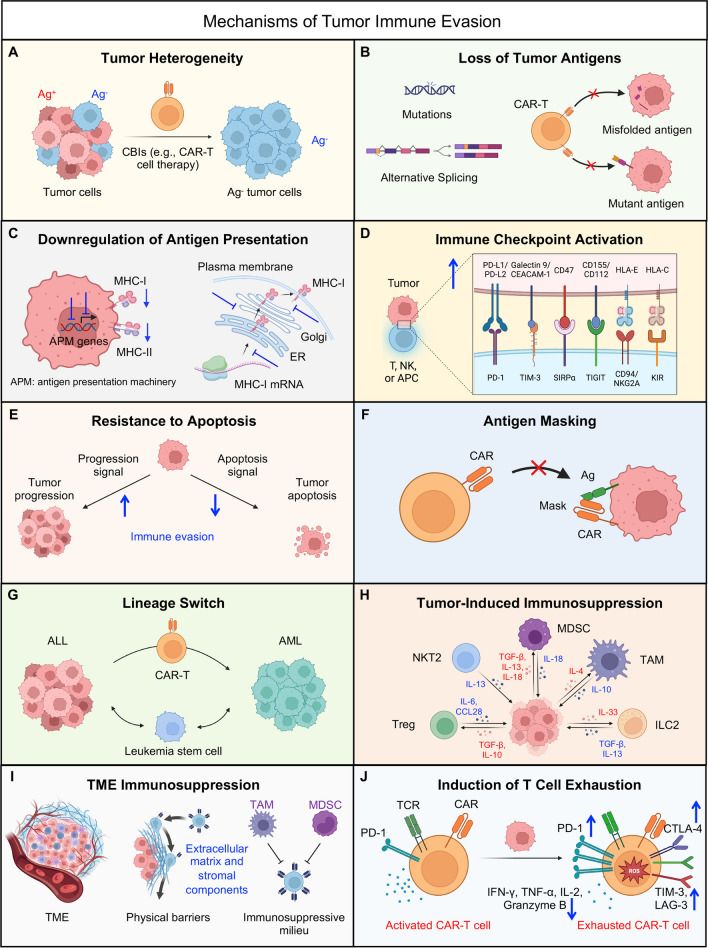
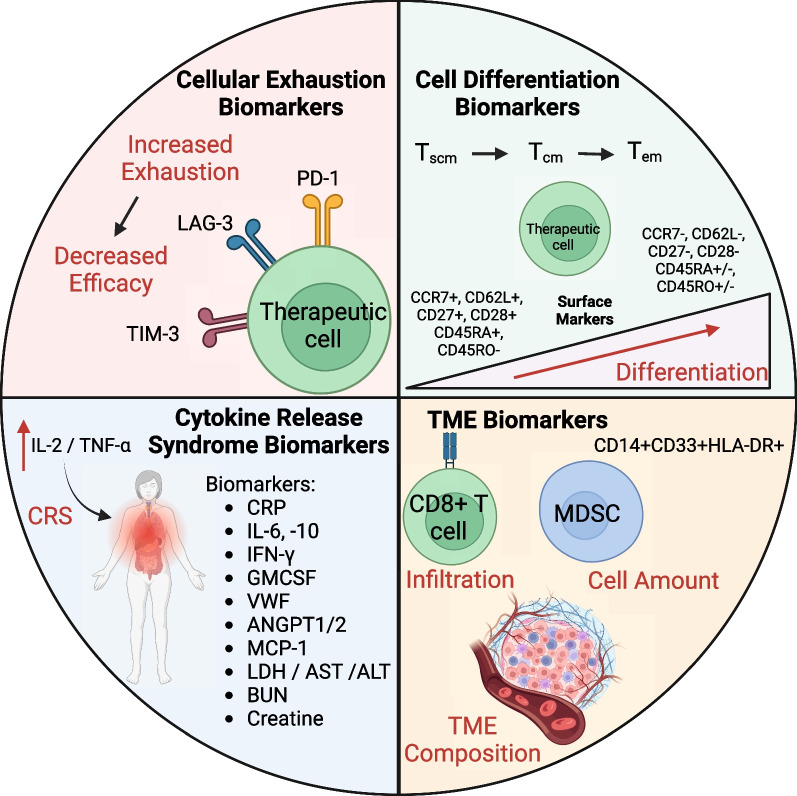
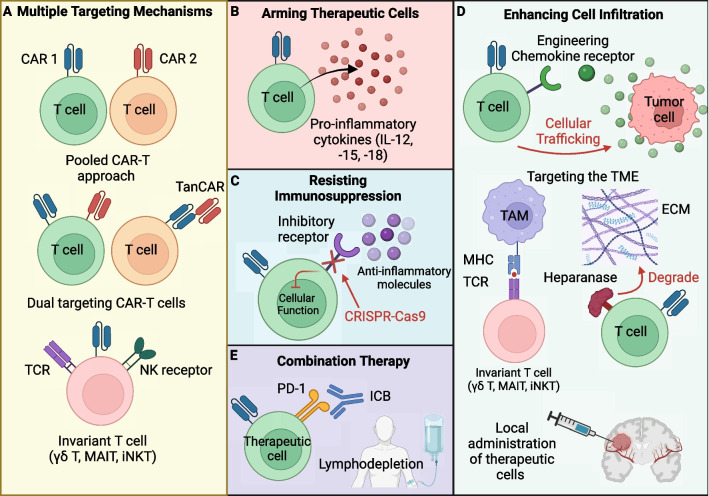
Cell-based immunotherapies (CBIs), notably exemplified by chimeric antigen receptor (CAR)-engineered T (CAR-T) cell therapy, have emerged as groundbreaking approaches for cancer therapy. Nevertheless, akin to various other therapeutic modalities, tumor cells employ counterstrategies to manifest immune evasion, thereby circumventing the impact of CBIs. This phenomenon is facilitated by an intricately immunosuppression entrenched within the tumor microenvironment (TME). Principal mechanisms underpinning tumor immune evasion from CBIs encompass loss of antigens, downregulation of antigen presentation, activation of immune checkpoint pathways, initiation of anti-apoptotic cascades, and induction of immune dysfunction and exhaustion. In this review, we delve into the intrinsic mechanisms underlying the capacity of tumor cells to resist CBIs and proffer prospective stratagems to navigate around these challenges.
基于细胞的免疫疗法(CBIs),特别是嵌合抗原受体(CAR)修饰的 T 细胞(CAR-T)疗法,已成为癌症治疗的突破性方法。然而,与各种其他治疗方式类似,肿瘤细胞采用对抗策略来表现出免疫逃逸,从而避免 CBIs 的影响。这种现象是由肿瘤微环境(TME)中固有的复杂免疫抑制所促进的。肿瘤细胞逃避 CBIs 的主要机制包括抗原丢失、抗原呈递下调、免疫检查点途径激活、抗凋亡级联启动以及诱导免疫功能障碍和衰竭。在这篇综述中,我们深入探讨了肿瘤细胞抵抗 CBIs 的内在机制,并提出了克服这些挑战的潜在策略。