Biochemistry Section, Chemistry Department, Faculty of Science, Tanta University, Tanta, 31527, Egypt.
Department of Biochemistry, Faculty of Veterinary Medicine, Damanhour University, Damanhour, 22511, Egypt.
Med Oncol. 2024 Jan 16;41(2):57. doi: 10.1007/s12032-023-02284-3.
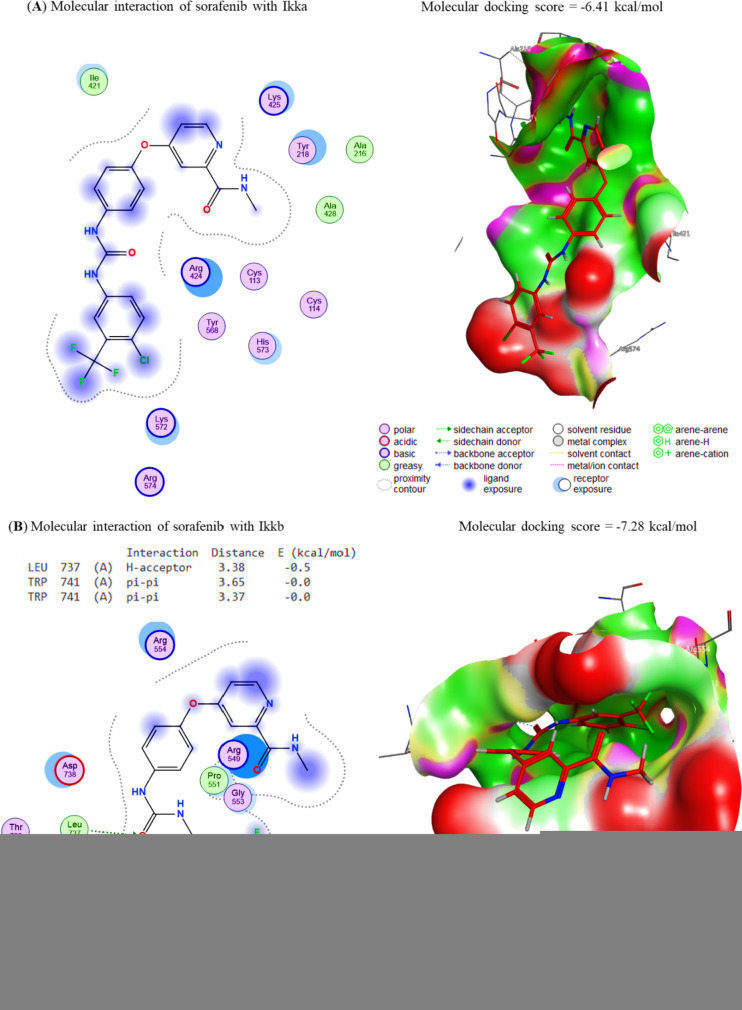
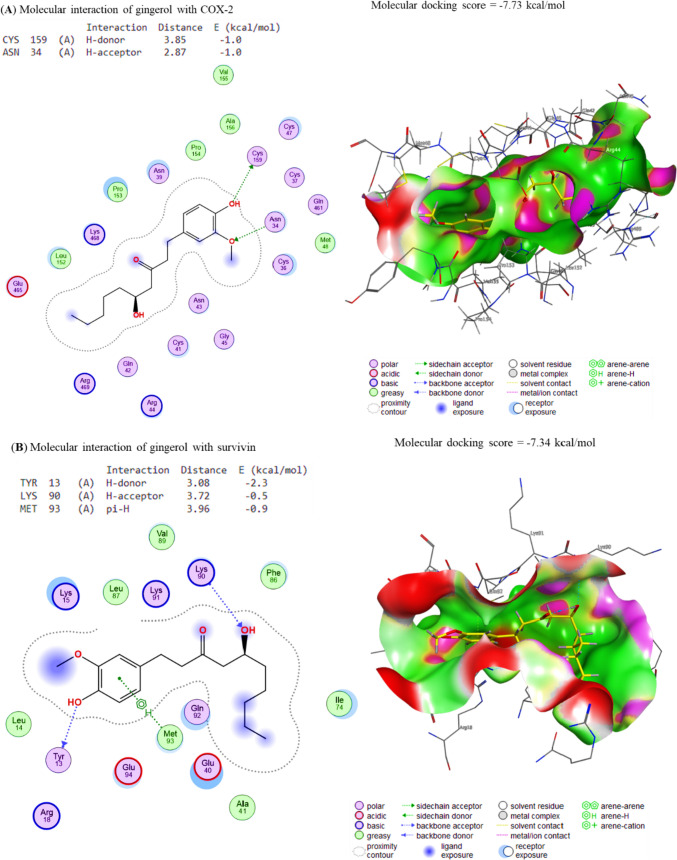
Ginger (Gin) has numerous therapeutic properties. One of Gin's most potent components is 6-gingerol, a naturally occurring phenol. This study aimed to investigate the therapeutic impact of gingerol and/or sorafenib on the ATG4/CASP3 and COIIV/COX-2/NF-B Expression as a potential therapy for DAB-induced HCC. Gin was administered to HCC mice induced by p-Dimethylaminoazobenzene (DAB) alone or combined with sorafenib (Sor). Superoxide dismutase (SOD), catalase (CAT), and oxidative stress malondialdehyde (MDA), as well as biochemical markers including AST, ALT, ALP, Albumin, and Bilirubin, were examined. The expression of oncogenes (COIIV, COX-2, NF-κB, and survivin) and tumor suppressor genes (ATG4 and CASP3) was evaluated using qPCR. According to the results, the levels of MDA have been markedly decreased, while SOD and CAT have been increased. Further, the expression levels of tumor suppressor genes were upregulated, whereas the expression levels of oncogene genes were downregulated. Furthermore, in a dose-dependent manner, gingerol has shown the potential to alleviate hepatic portal vein (PV) dilatation and could offer a reliable therapy for HCC. This suggests combining the two compounds may be more effective than alone and that Gin could be a promising therapeutic option for HCC. The binding of Gin and Sor to the active sites of the target genes prevents them from functioning normally, which in turn stops the pathways from carrying out their oncogenic functions. Additionally, COX-2 inhibition reduces the production of certain pro-inflammatory compounds, which further averts oncogenesis. Conclusively, this study indicated that Gin has cytoprotective properties and anti-cancer activity that may be related to controlling oxidative stress. This effect may be achieved by suppressing the COIIV/COX-2/NF-κB pathway and upregulating the ATG4 /CASP3 pathways.
姜(Gin)具有许多治疗特性。Gin 最有效的成分之一是 6-姜酚,一种天然存在的酚类物质。本研究旨在探讨姜酚和/或索拉非尼对 ATG4/CASP3 和 COIIV/COX-2/NF-κB 表达的治疗作用,以期为 DAB 诱导的 HCC 提供潜在的治疗方法。用 p-二甲基氨基偶氮苯(DAB)单独或联合索拉非尼(Sor)诱导 HCC 小鼠给予 Gin。检测超氧化物歧化酶(SOD)、过氧化氢酶(CAT)和氧化应激丙二醛(MDA)以及丙氨酸氨基转移酶(AST)、天冬氨酸氨基转移酶(ALT)、碱性磷酸酶(ALP)、白蛋白和胆红素等生化标志物。采用 qPCR 评估癌基因(COIIV、COX-2、NF-κB 和 survivin)和抑癌基因(ATG4 和 CASP3)的表达。结果表明,MDA 水平显著降低,SOD 和 CAT 水平升高。此外,肿瘤抑制基因的表达水平上调,而癌基因的表达水平下调。此外,姜酚以剂量依赖性方式显示出缓解肝门静脉(PV)扩张的潜力,并可为 HCC 提供可靠的治疗方法。这表明联合使用这两种化合物可能比单独使用更有效,并且 Gin 可能是 HCC 的一种有前途的治疗选择。Gin 和 Sor 与靶基因的活性位点结合,阻止它们正常发挥作用,从而阻止这些途径发挥致癌作用。此外,COX-2 抑制减少了某些促炎化合物的产生,进一步阻止了肿瘤发生。总之,本研究表明 Gin 具有细胞保护和抗癌活性,这可能与控制氧化应激有关。这种作用可能是通过抑制 COIIV/COX-2/NF-κB 通路和上调 ATG4/CASP3 通路来实现的。