School of Chemical Engineering, Sungkyunkwan University, 2066 Seobu-Ro, Jangan-Gu, Suwon-Si, Gyeonggi-Do, 16419, South Korea.
Ajinomoto CELLiST Korea Co., Inc., 70 Songdogwahak-Ro, Yeonsu-Gu, Incheon, South Korea.
Appl Microbiol Biotechnol. 2024 Dec;108(1):123. doi: 10.1007/s00253-023-12997-0. Epub 2024 Jan 16.
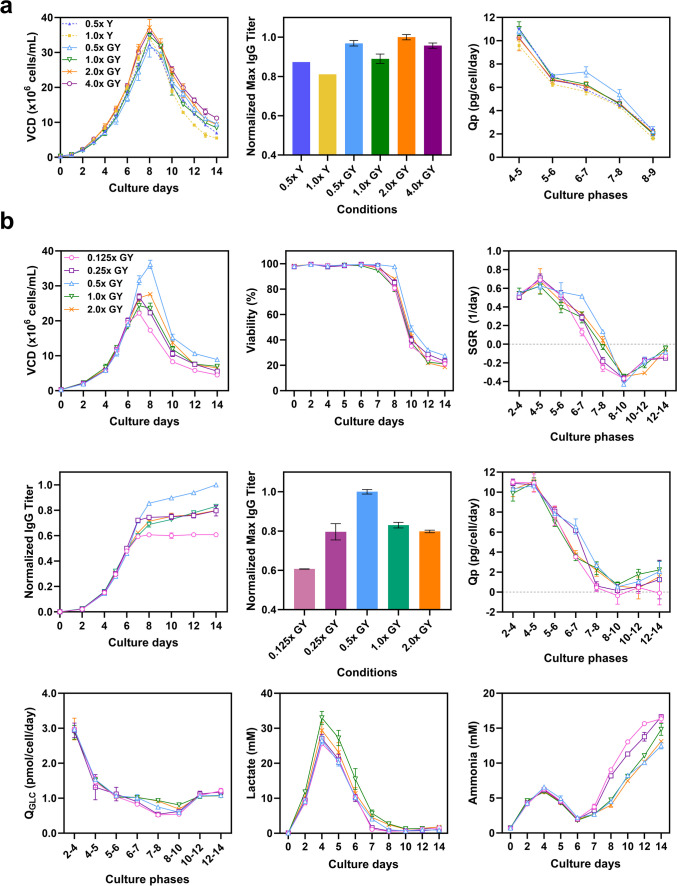
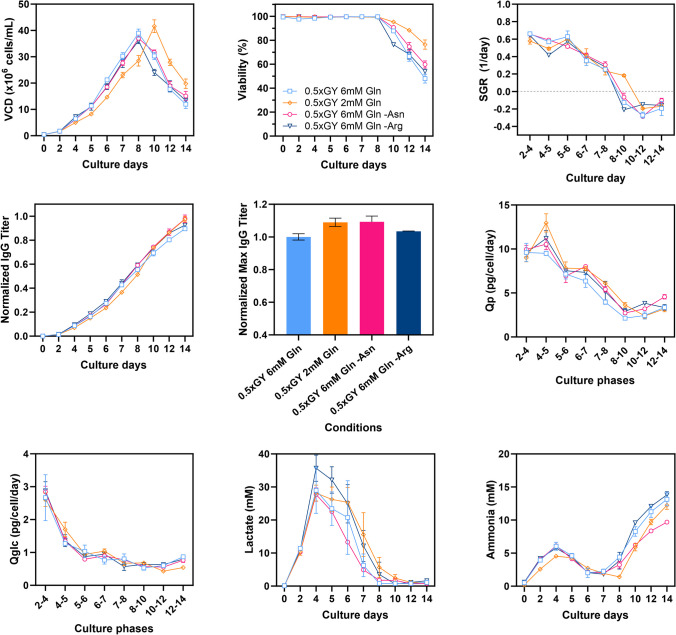
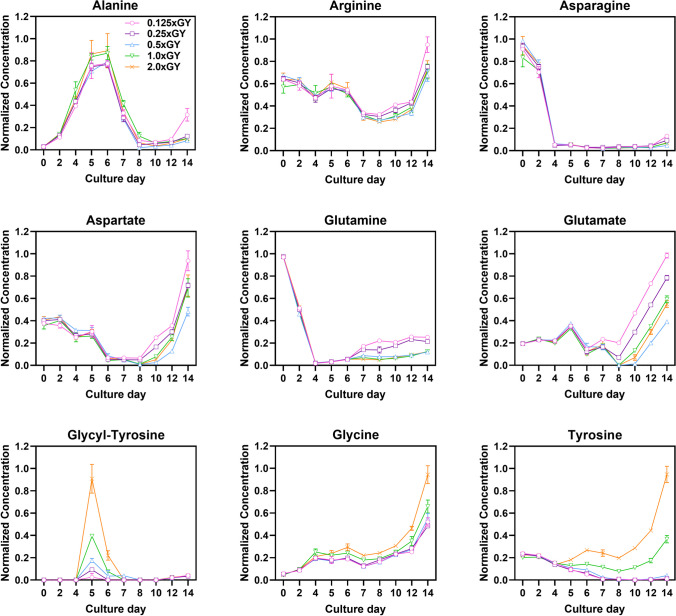
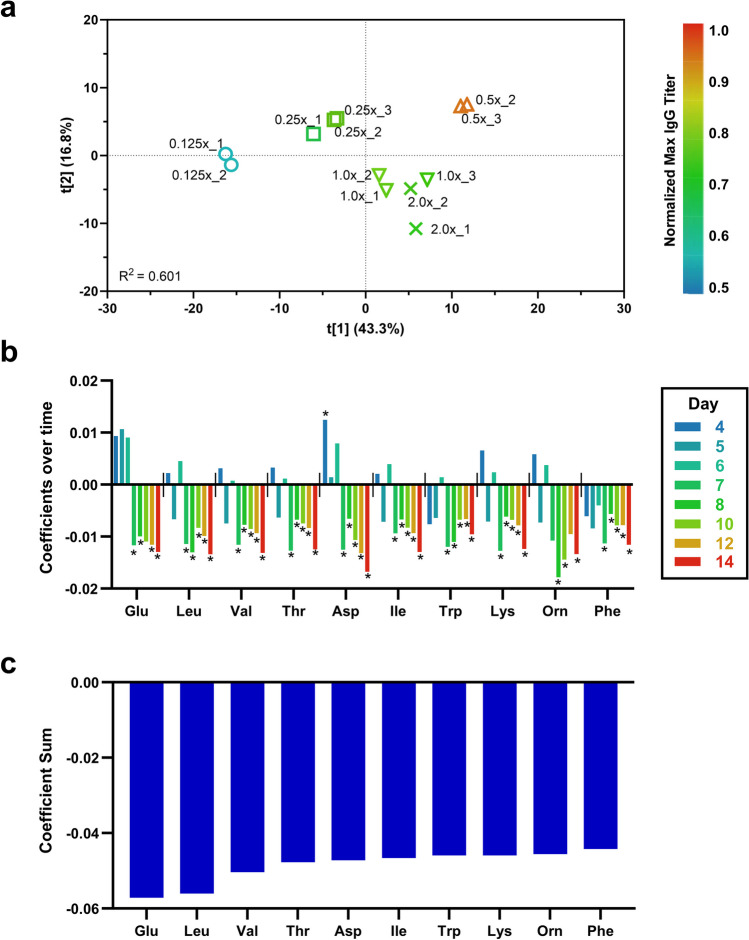
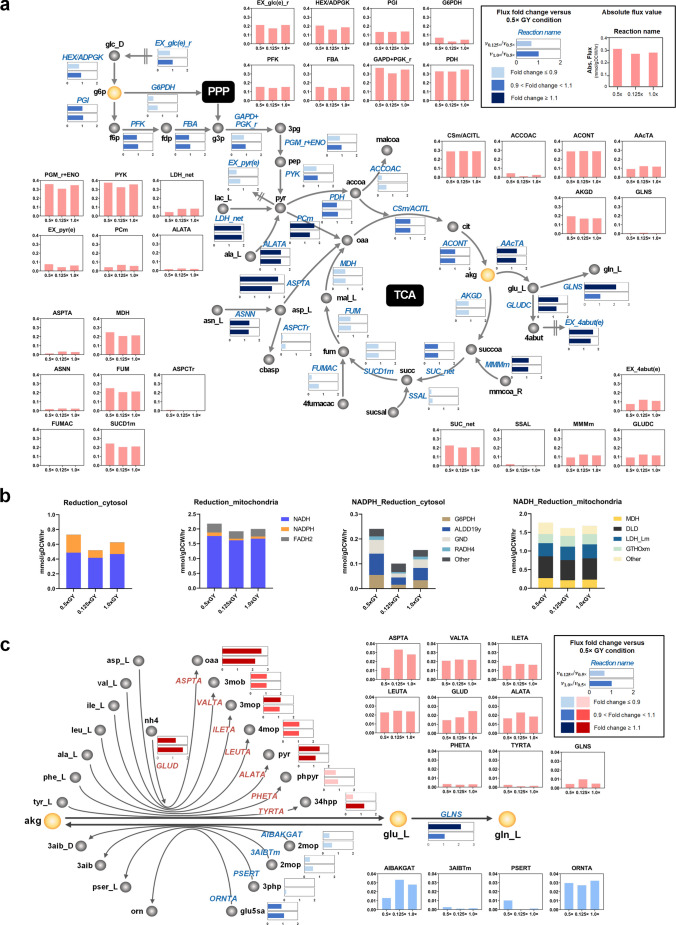
There is a growing interest in perfusion or continuous processes to achieve higher productivity of biopharmaceuticals in mammalian cell culture, specifically Chinese hamster ovary (CHO) cells, towards advanced biomanufacturing. These intensified bioprocesses highly require concentrated feed media in order to counteract their dilution effects. However, designing such condensed media formulation poses several challenges, particularly regarding the stability and solubility of specific amino acids. To address the difficulty and complexity in relevant media development, the biopharmaceutical industry has recently suggested forming dipeptides by combining one from problematic amino acids with selected pairs to compensate for limitations. In this study, we combined one of the lead amino acids, L-tyrosine, which is known for its poor solubility in water due to its aromatic ring and hydroxyl group, with glycine as the partner, thus forming glycyl-L-tyrosine (GY) dipeptide. Subsequently, we investigated the utilization of GY dipeptide during fed-batch cultures of IgG-producing CHO cells, by changing its concentrations (0.125 × , 0.25 × , 0.5 × , 1.0 × , and 2.0 ×). Multivariate statistical analysis of culture profiles was then conducted to identify and correlate the most significant nutrients with the production, followed by in silico model-guided analysis to systematically evaluate their effects on the culture performance, and elucidate metabolic states and cellular behaviors. As such, it allowed us to explain how the cells can more efficiently utilize GY dipeptide with respect to the balance of cofactor regeneration and energy distribution for the required biomass and protein synthesis. For example, our analysis results uncovered specific amino acids (Asn and Gln) and the 0.5 × GY dipeptide in the feed medium synergistically alleviated the metabolic bottleneck, resulting in enhanced IgG titer and productivity. In the validation experiments, we tested and observed that lower levels of Asn and Gln led to decreased secretion of toxic metabolites, enhanced longevity, and elevated specific cell growth and titer. KEY POINTS: • Explored the optimal Tyr dipeptide for the enhanced CHO cell culture performance • Systematically analyzed effects of dipeptide media by model-guided approach • Uncovered synergistic metabolic utilization of amino acids with dipeptide.
人们对灌注或连续工艺越来越感兴趣,希望在哺乳动物细胞培养中实现更高的生物制药生产力,特别是在中国仓鼠卵巢(CHO)细胞中,以实现先进的生物制造。这些强化的生物工艺非常需要浓缩的补料培养基,以抵消其稀释作用。然而,设计这种浓缩的培养基配方存在一些挑战,特别是涉及到特定氨基酸的稳定性和溶解度。为了解决相关培养基开发中的困难和复杂性,生物制药行业最近建议通过将一个有问题的氨基酸与选定的氨基酸对结合来形成二肽,以补偿限制。在这项研究中,我们选择了一个 lead amino acids,L-酪氨酸,由于其芳香环和羟基,它在水中的溶解度很差,与甘氨酸结合形成甘氨酰-L-酪氨酸(GY)二肽。然后,我们通过改变其浓度(0.125×、0.25×、0.5×、1.0×和 2.0×),在 IgG 产生的 CHO 细胞的分批补料培养中研究了 GY 二肽的利用情况。然后对培养曲线进行多元统计分析,以确定和关联与生产最显著的营养素,然后进行基于计算机模型的分析,以系统地评估它们对培养性能的影响,并阐明代谢状态和细胞行为。因此,我们可以解释细胞如何更有效地利用 GY 二肽,以实现所需生物量和蛋白质合成的辅因子再生和能量分配的平衡。例如,我们的分析结果揭示了特定的氨基酸(Asn 和 Gln)和 0.5×GY 二肽在补料培养基中的协同作用,缓解了代谢瓶颈,提高了 IgG 的滴度和生产力。在验证实验中,我们测试并观察到,较低水平的 Asn 和 Gln 导致毒性代谢物的分泌减少,细胞寿命延长,特异性细胞生长和滴度提高。关键点:• 探索了增强 CHO 细胞培养性能的最佳 Tyr 二肽。• 通过模型指导方法系统地分析了二肽培养基的影响。• 揭示了氨基酸与二肽的协同代谢利用。