Department of Bioengineering, Temple University, Philadelphia, PA, United States.
Biomedical and Data Sciences Division, CFD Research Corporation, Huntsville, AL, United States.
Front Cell Infect Microbiol. 2024 Jan 8;13:1274842. doi: 10.3389/fcimb.2023.1274842. eCollection 2023.
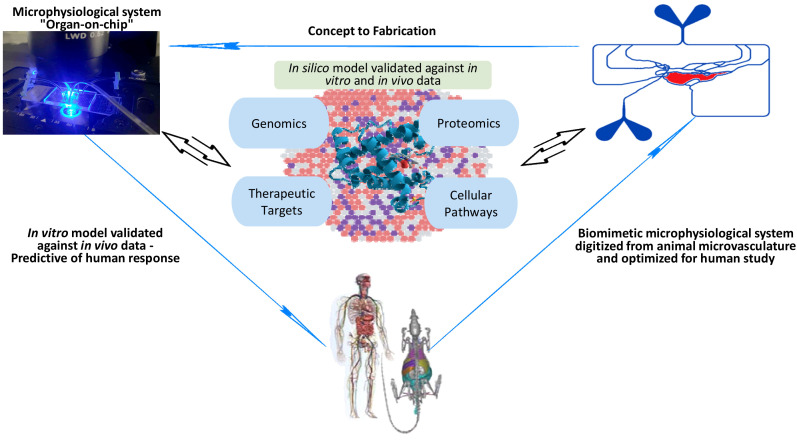
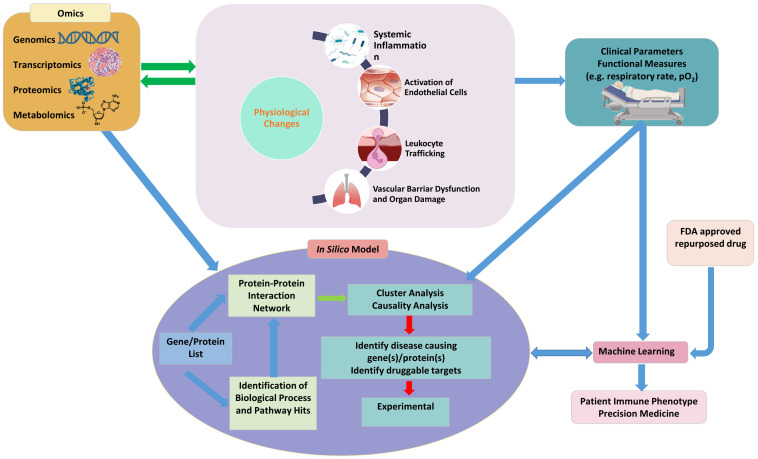
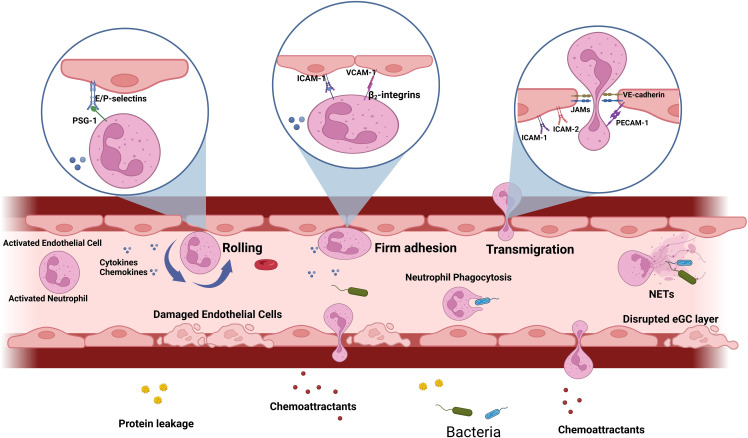
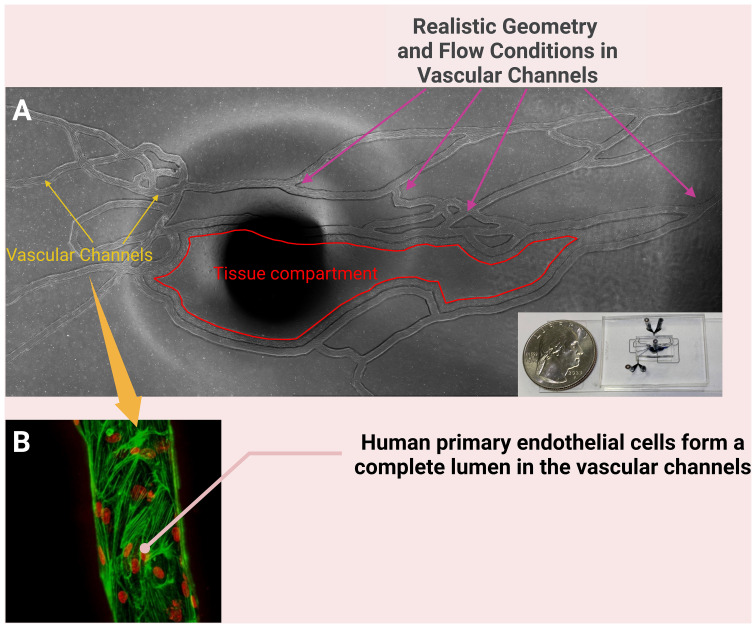
Sepsis is a global health concern accounting for more than 1 in 5 deaths worldwide. Sepsis is now defined as life-threatening organ dysfunction caused by a dysregulated host response to infection. Sepsis can develop from bacterial (gram negative or gram positive), fungal or viral (such as COVID) infections. However, therapeutics developed in animal models and traditional sepsis models have had little success in clinical trials, as these models have failed to fully replicate the underlying pathophysiology and heterogeneity of the disease. The current understanding is that the host response to sepsis is highly diverse among patients, and this heterogeneity impacts immune function and response to infection. Phenotyping immune function and classifying sepsis patients into specific endotypes is needed to develop a personalized treatment approach. Neutrophil-endothelium interactions play a critical role in sepsis progression, and increased neutrophil influx and endothelial barrier disruption have important roles in the early course of organ damage. Understanding the mechanism of neutrophil-endothelium interactions and how immune function impacts this interaction can help us better manage the disease and lead to the discovery of new diagnostic and prognosis tools for effective treatments. In this review, we will discuss the latest research exploring how modeling of a synergistic combination of new organ-on-chip models incorporating human cells/tissue, omics analysis and clinical data from sepsis patients will allow us to identify relevant signaling pathways and characterize specific immune phenotypes in patients. Emerging technologies such as machine learning can then be leveraged to identify druggable therapeutic targets and relate them to immune phenotypes and underlying infectious agents. This synergistic approach can lead to the development of new therapeutics and the identification of FDA approved drugs that can be repurposed for the treatment of sepsis.
脓毒症是一个全球性的健康问题,占全球死亡人数的五分之一以上。脓毒症现在被定义为由宿主对感染的失调反应引起的危及生命的器官功能障碍。脓毒症可以由细菌(革兰氏阴性或革兰氏阳性)、真菌或病毒(如 COVID)感染引起。然而,在动物模型和传统脓毒症模型中开发的疗法在临床试验中几乎没有成功,因为这些模型未能充分复制疾病的潜在病理生理学和异质性。目前的认识是,宿主对脓毒症的反应在患者之间高度多样化,这种异质性会影响免疫功能和对感染的反应。需要对免疫功能进行表型分析,并将脓毒症患者分类为特定的终末类型,以制定个性化的治疗方法。中性粒细胞-内皮相互作用在脓毒症的进展中起着关键作用,中性粒细胞的增加和内皮屏障的破坏在器官损伤的早期过程中起着重要作用。了解中性粒细胞-内皮相互作用的机制以及免疫功能如何影响这种相互作用,可以帮助我们更好地管理疾病,并为有效的治疗方法发现新的诊断和预后工具。在这篇综述中,我们将讨论最新的研究,探讨如何将新的器官芯片模型与人类细胞/组织、组学分析和脓毒症患者的临床数据相结合的协同组合模型,来识别相关的信号通路,并描述患者的特定免疫表型。然后可以利用机器学习等新兴技术来识别可成药的治疗靶点,并将其与免疫表型和潜在的感染因子联系起来。这种协同方法可以为新疗法的开发和识别 FDA 批准的可用于脓毒症治疗的药物提供依据。