State Key Laboratory of Experimental Hematology, National Clinical Research Center for Blood Diseases, Haihe Laboratory of Cell Ecosystem, Hematopoietic Stem Cell Transplantation Center, Institute of Hematology & Blood Diseases Hospital, Chinese Academy of Medical Sciences & Peking Union Medical College, Tianjin, 300020, P. R. China.
Tianjin Institutes of Health Science, Tianjin, 301600, P. R. China.
Nat Commun. 2024 Jan 23;15(1):691. doi: 10.1038/s41467-024-44714-4.
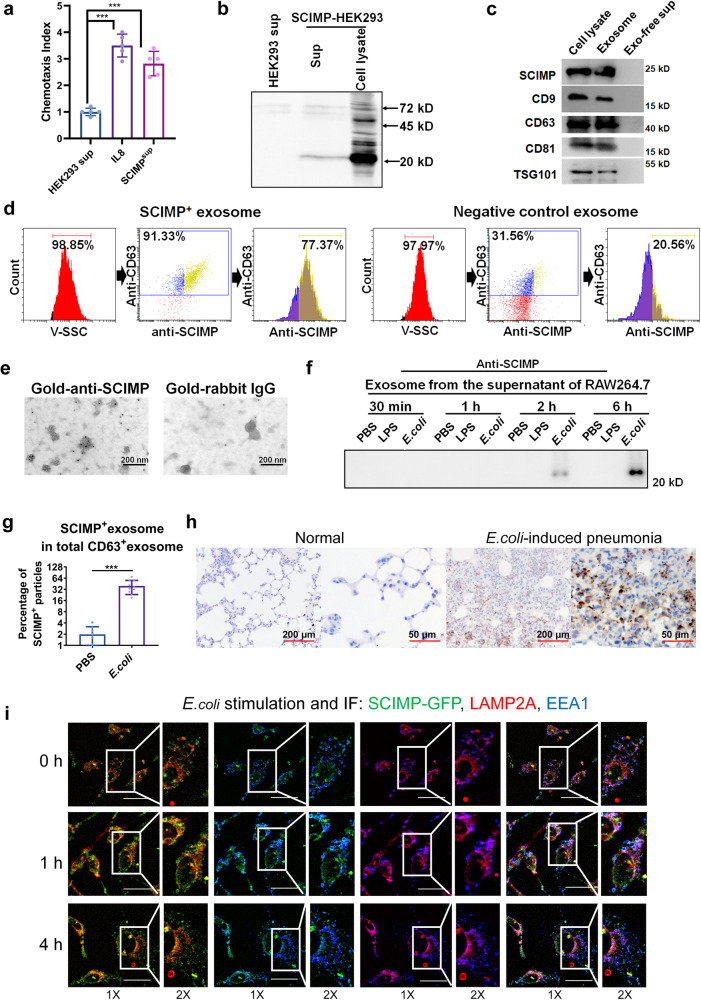
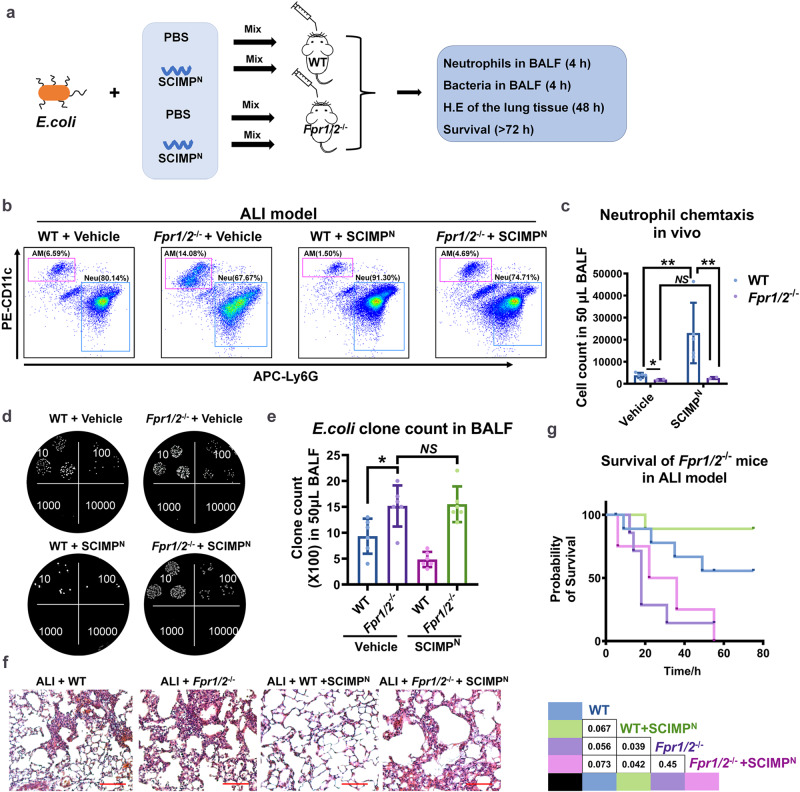
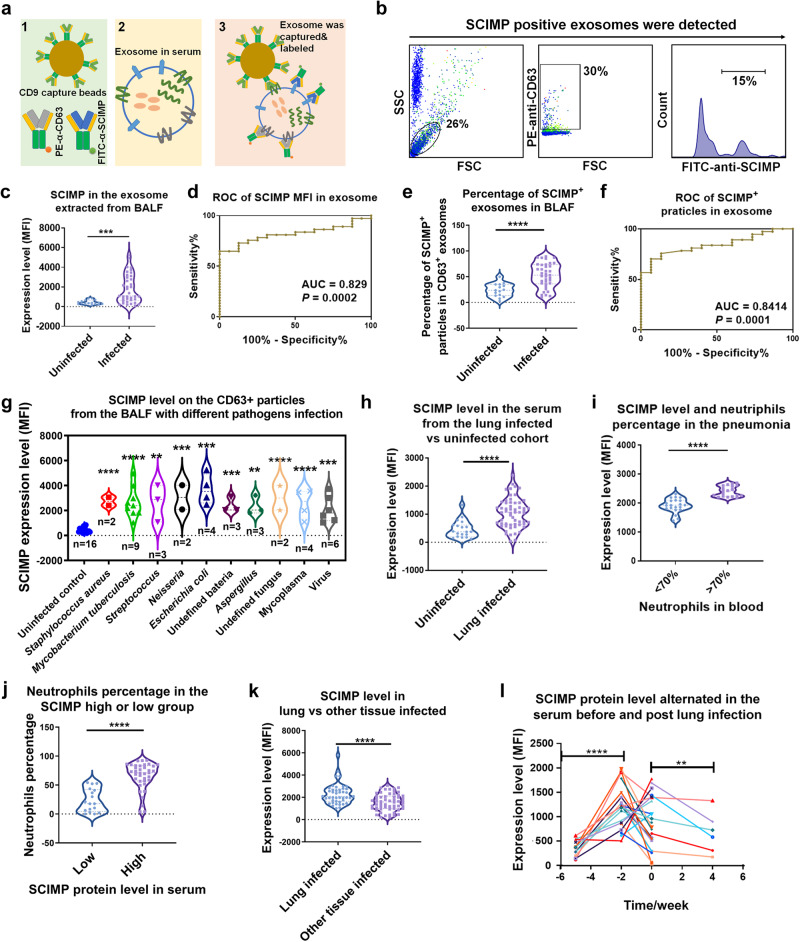
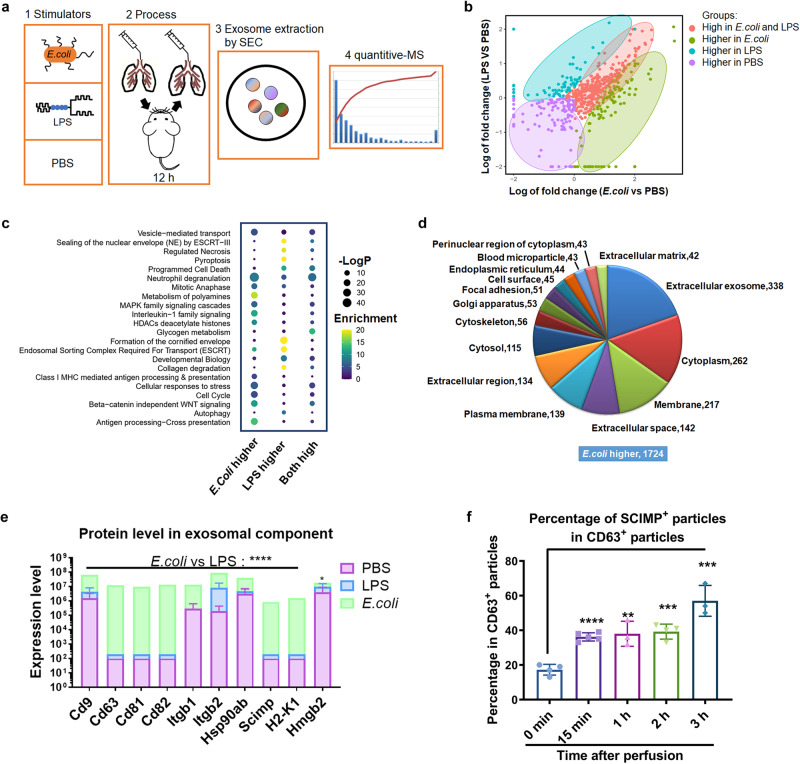
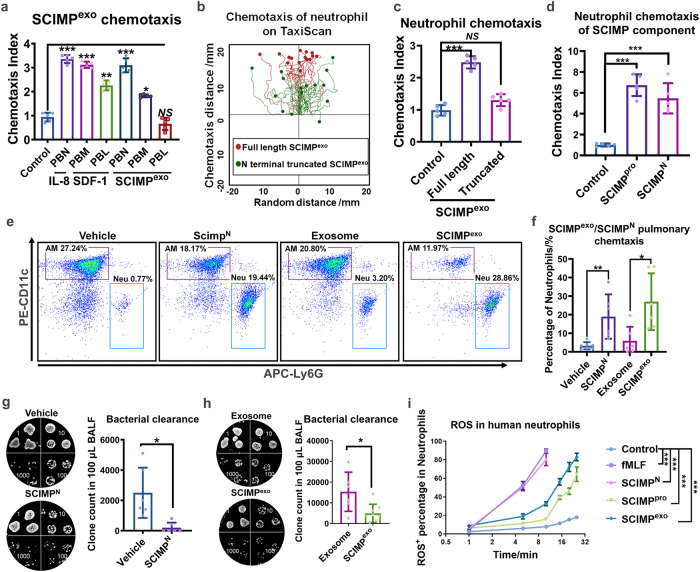
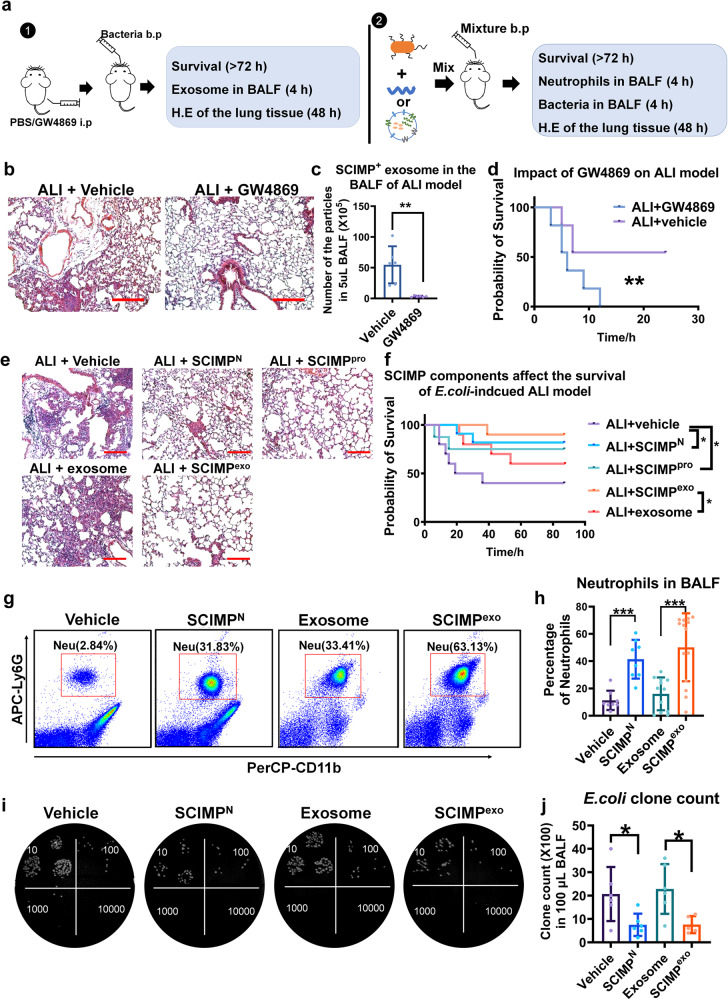
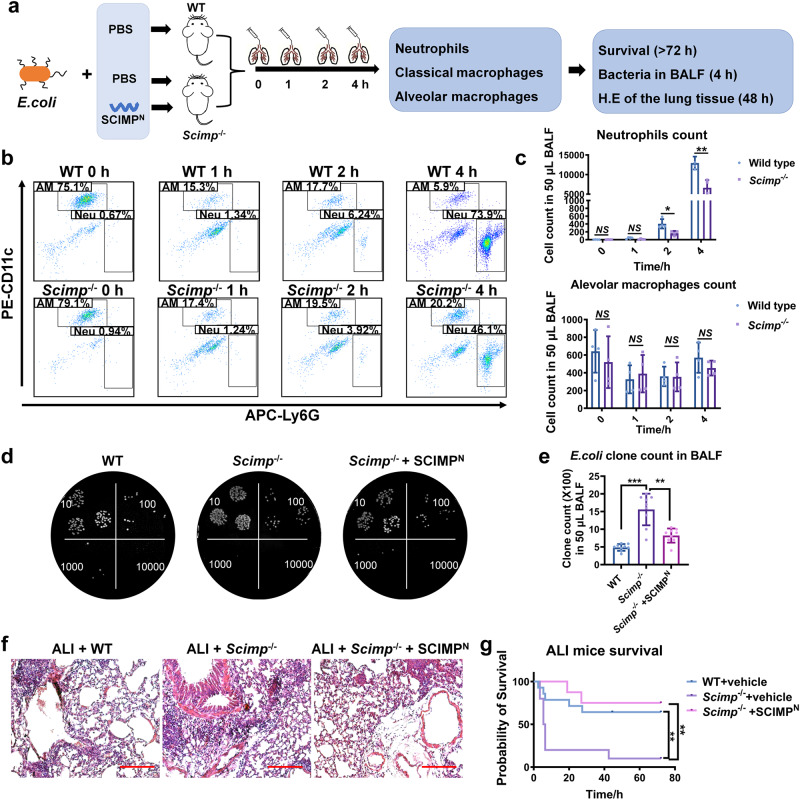
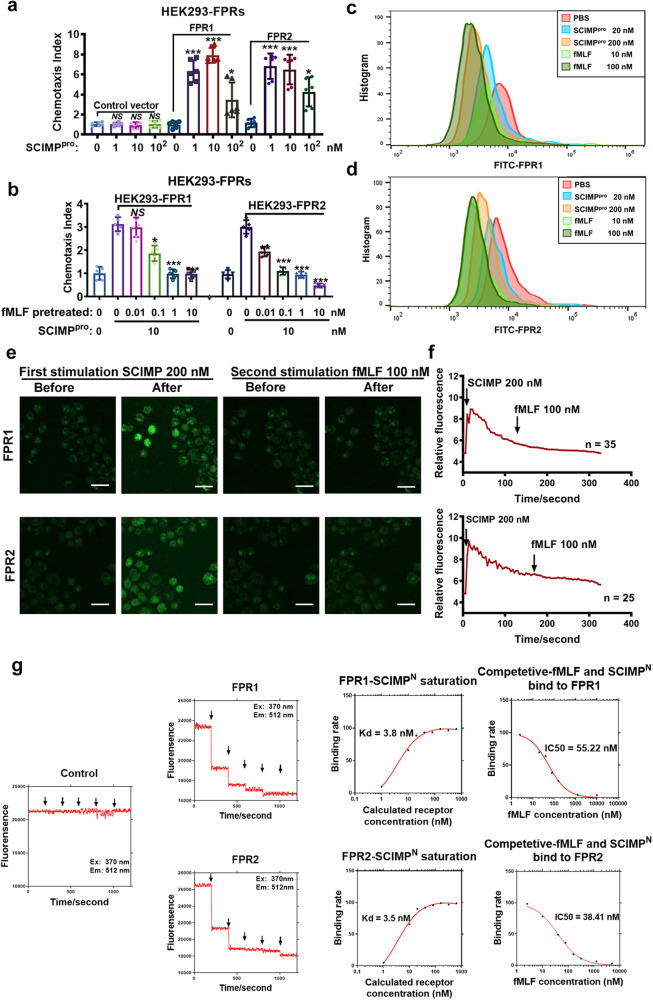
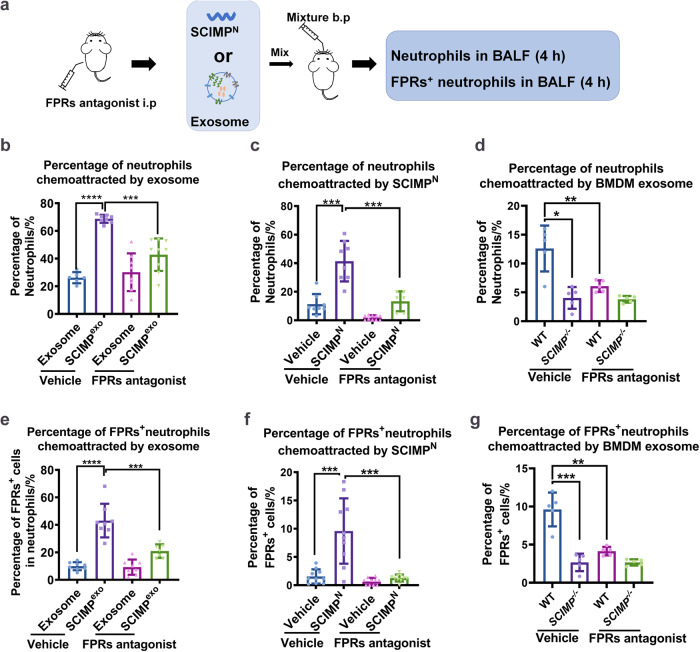
In pneumonia, the deficient or delayed pathogen clearance can lead to pathogen proliferation and subsequent overactive immune responses, inducing acute lung injury (ALI). While screening human genome coding genes using our peripheral blood cell chemotactic platform, we unexpectedly find SLP adaptor and CSK interacting membrane protein (SCIMP), a protein with neutrophil chemotactic activity secreted during ALI. However, the specific role of SCIMP in ALI remains unclear. In this study, we investigate the secretion of SCIMP in exosomes (SCIMP) by macrophages after bacterial stimulation, both in vitro and in vivo. We observe a significant increase in the levels of SCIMP in bronchoalveolar lavage fluid and serum of pneumonia patients. We also find that bronchial perfusion with SCIMP or SCIMP N-terminal peptides increases the survival rate of the ALI model. This occurs due to the chemoattraction and activation of peripheral neutrophils dependent on formyl peptide receptor 1/2 (FPR1/2). Conversely, exosome suppressors and FPR1/2 antagonists decrease the survival rate in the lethal ALI model. Scimp-deficient and Fpr1/2-deficient mice also have lower survival rates and shorter survival times than wild-type mice. However, bronchial perfusion of SCIMP rescues Scimp-deficient mice but not Fpr1/2-deficient mice. Collectively, our findings suggest that the macrophage-SCIMP-FPRs-neutrophil axis plays a vital role in the innate immune process underlying ALI.
在肺炎中,病原体清除的不足或延迟会导致病原体增殖和随后过度活跃的免疫反应,从而导致急性肺损伤(ALI)。在使用我们的外周血细胞趋化性平台筛选人类基因组编码基因时,我们意外地发现了 SLP 衔接蛋白和 CSK 相互作用膜蛋白(SCIMP),这是一种在 ALI 期间分泌的具有中性粒细胞趋化活性的蛋白质。然而,SCIMP 在 ALI 中的具体作用尚不清楚。在这项研究中,我们研究了细菌刺激后巨噬细胞分泌的 SCIMP(SCIMP)的外泌体,包括在体外和体内的情况。我们观察到肺炎患者支气管肺泡灌洗液和血清中 SCIMP 的水平显著增加。我们还发现,用 SCIMP 或 SCIMP N 端肽进行支气管灌注可提高 ALI 模型的存活率。这是由于依赖于甲酰肽受体 1/2(FPR1/2)的外周中性粒细胞的趋化吸引和激活。相反,外泌体抑制剂和 FPR1/2 拮抗剂降低了致命性 ALI 模型中的存活率。Scimp 缺陷和 Fpr1/2 缺陷小鼠的存活率和存活时间也比野生型小鼠低。然而,SCIMP 支气管灌注可挽救 Scimp 缺陷小鼠,但不能挽救 Fpr1/2 缺陷小鼠。总之,我们的研究结果表明,巨噬细胞-SCIMP-FPRs-中性粒细胞轴在 ALI 所涉及的固有免疫过程中起着至关重要的作用。