Department of Urology, Qingdao Municipal Hospital, No.5, Donghai Middle Road, Shinan District, Qingdao, 266001, Shandong, China.
Qingdao Medical College, Qingdao University, Qingdao, China.
Sci Rep. 2024 Jan 24;14(1):2114. doi: 10.1038/s41598-024-52625-z.
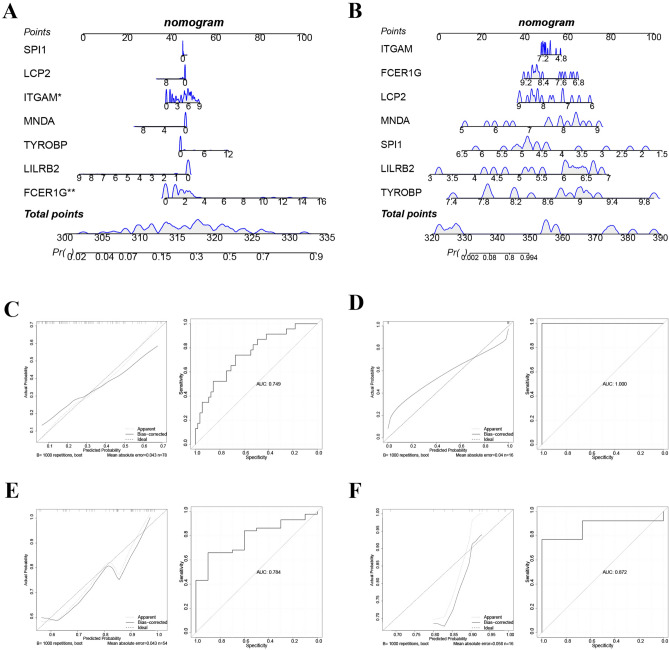
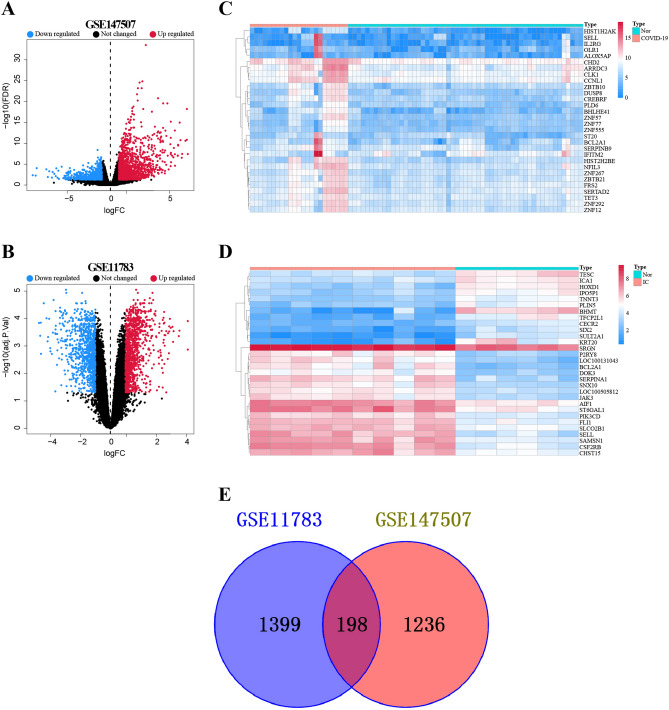
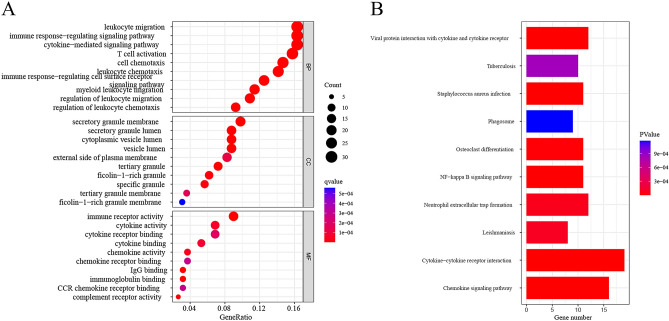
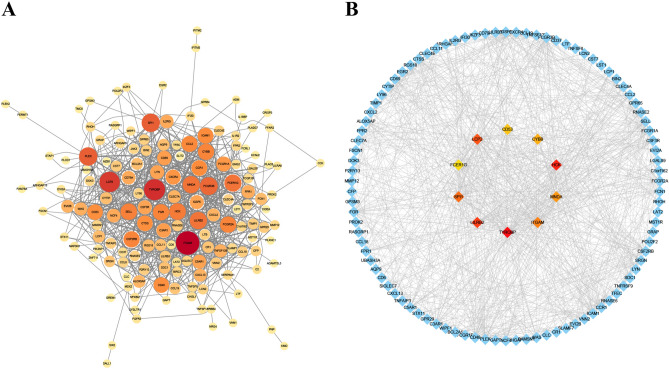
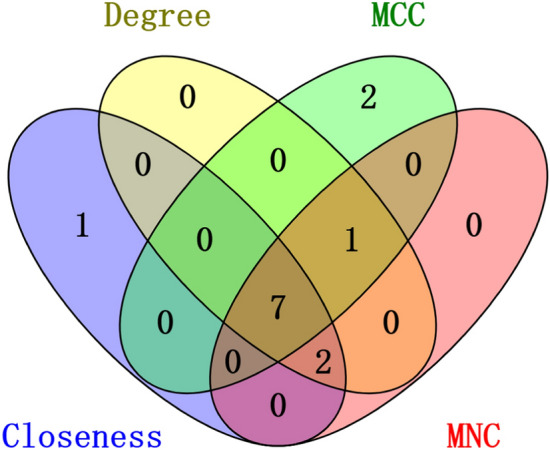
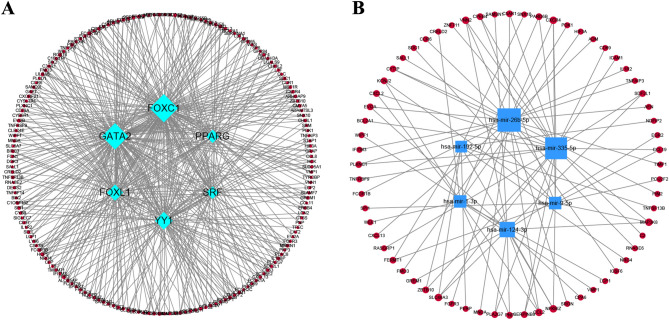
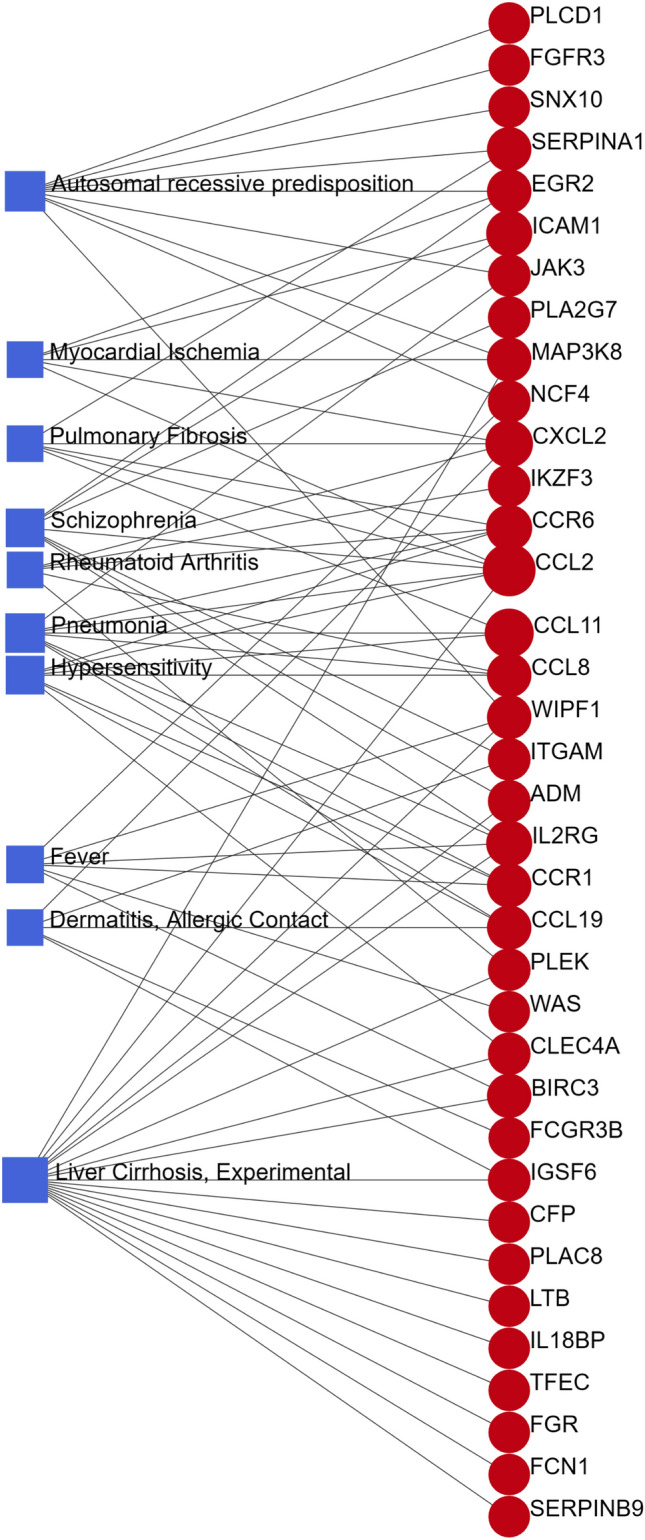
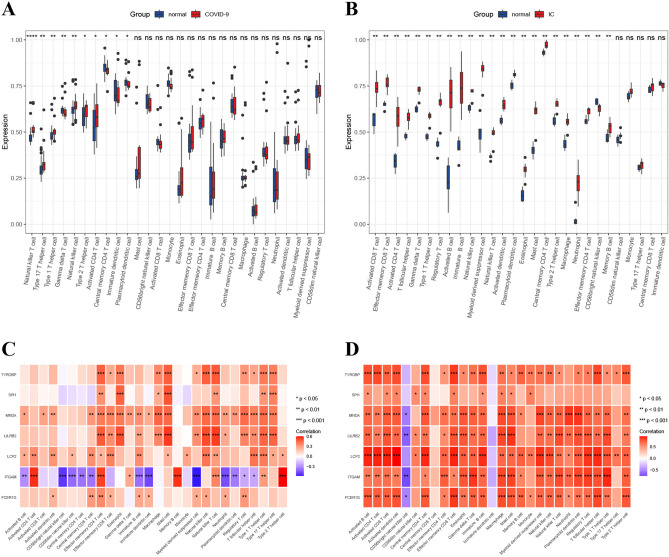
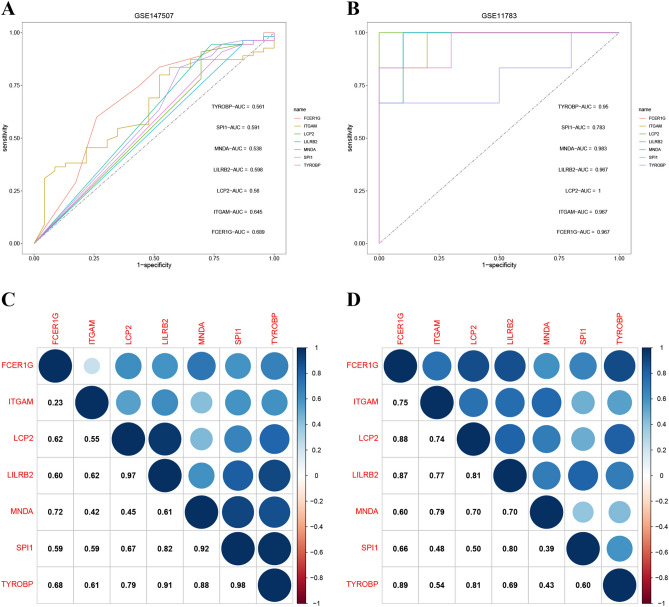
COVID-19 increased global mortality in 2019. Cystitis became a contributing factor in SARS-CoV-2 and COVID-19 complications. The complex molecular links between cystitis and COVID-19 are unclear. This study investigates COVID-19-associated cystitis (CAC) molecular mechanisms and drug candidates using bioinformatics and systems biology. Obtain the gene expression profiles of IC (GSE11783) and COVID-19 (GSE147507) from the Gene Expression Omnibus (GEO) database. Identified the common differentially expressed genes (DEGs) in both IC and COVID-19, and extracted a number of key genes from this group. Subsequently, conduct Gene Ontology (GO) functional enrichment and Kyoto Encyclopedia of Genes and Genomes (KEGG) enrichment analysis on the DEGs. Additionally, design a protein-protein interaction (PPI) network, a transcription factor gene regulatory network, a TF miRNA regulatory network, and a gene disease association network using the DEGs. Identify and extract hub genes from the PPI network. Then construct Nomogram diagnostic prediction models based on the hub genes. The DSigDB database was used to forecast many potential molecular medicines that are associated with common DEGs. Assess the precision of hub genes and Nomogram models in diagnosing IC and COVID-19 by employing Receiver Operating Characteristic (ROC) curves. The IC dataset (GSE57560) and the COVID-19 dataset (GSE171110) were selected to validate the models' diagnostic accuracy. A grand total of 198 DEGs that overlapped were found and chosen for further research. FCER1G, ITGAM, LCP2, LILRB2, MNDA, SPI1, and TYROBP were screened as the hub genes. The Nomogram model, built using the seven hub genes, demonstrates significant utility as a diagnostic prediction model for both IC and COVID-19. Multiple potential molecular medicines associated with common DEGs have been discovered. These pathways, hub genes, and models may provide new perspectives for future research into mechanisms and guide personalised and effective therapeutics for IC patients infected with COVID-19.
2019 年 COVID-19 增加了全球死亡率。膀胱炎成为 SARS-CoV-2 和 COVID-19 并发症的一个促成因素。膀胱炎和 COVID-19 之间复杂的分子联系尚不清楚。本研究使用生物信息学和系统生物学研究 COVID-19 相关膀胱炎(CAC)的分子机制和药物候选物。从基因表达综合(GEO)数据库中获取 IC(GSE11783)和 COVID-19(GSE147507)的基因表达谱。确定 IC 和 COVID-19 中共同差异表达基因(DEGs),并从该组中提取多个关键基因。随后,对 DEGs 进行基因本体论(GO)功能富集和京都基因与基因组百科全书(KEGG)富集分析。此外,使用 DEGs 设计蛋白质-蛋白质相互作用(PPI)网络、转录因子基因调控网络、TF miRNA 调控网络和基因疾病关联网络。从 PPI 网络中识别和提取枢纽基因。然后基于枢纽基因构建列线图诊断预测模型。使用 DSigDB 数据库预测与常见 DEGs 相关的许多潜在分子药物。使用接收器操作特征(ROC)曲线评估枢纽基因和列线图模型诊断 IC 和 COVID-19 的准确性。选择 IC 数据集(GSE57560)和 COVID-19 数据集(GSE171110)验证模型的诊断准确性。总共发现并选择了 198 个重叠的 DEGs 进行进一步研究。筛选出 FCER1G、ITGAM、LCP2、LILRB2、MNDA、SPI1 和 TYROBP 作为枢纽基因。使用七个枢纽基因构建的列线图模型在诊断 IC 和 COVID-19 方面表现出显著的实用性。发现了与常见 DEGs 相关的多种潜在分子药物。这些途径、枢纽基因和模型可能为未来研究机制提供新的视角,并为感染 COVID-19 的 IC 患者提供个性化和有效的治疗方法。