de Nys Rebekah, van Eyk Clare L, Ritchie Tarin, Møller Rikke S, Scheffer Ingrid E, Marini Carla, Bhattacharjee Rudrarup, Kumar Raman, Gecz Jozef
Adelaide Medical School and Robinson Research Institute, The University of Adelaide, Adelaide, SA, 5005, Australia.
Department of Epilepsy Genetics and Personalized Medicine (member of ERN EpiCARE), Danish Epilepsy Centre, Filadelfia, Dianalund, Denmark.
Transl Psychiatry. 2024 Jan 27;14(1):65. doi: 10.1038/s41398-024-02783-5.
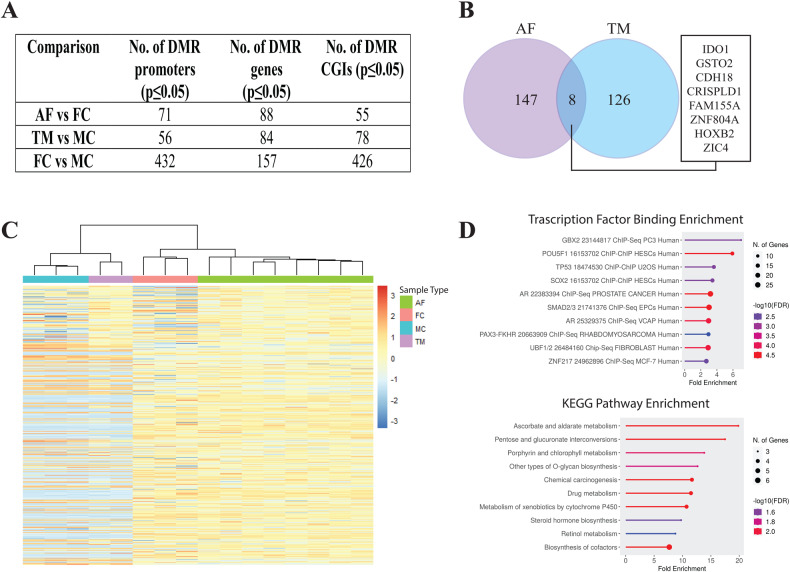
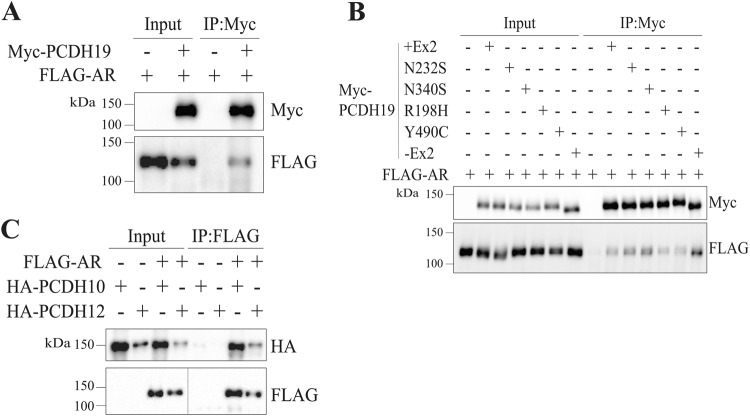
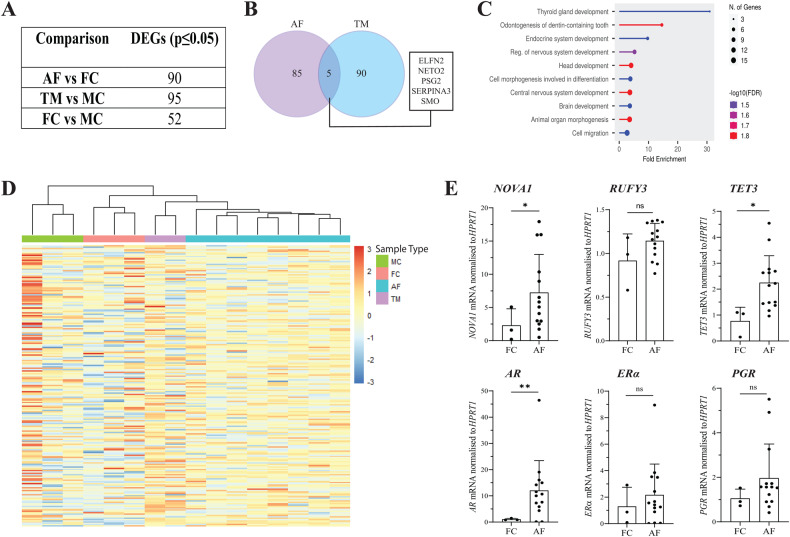
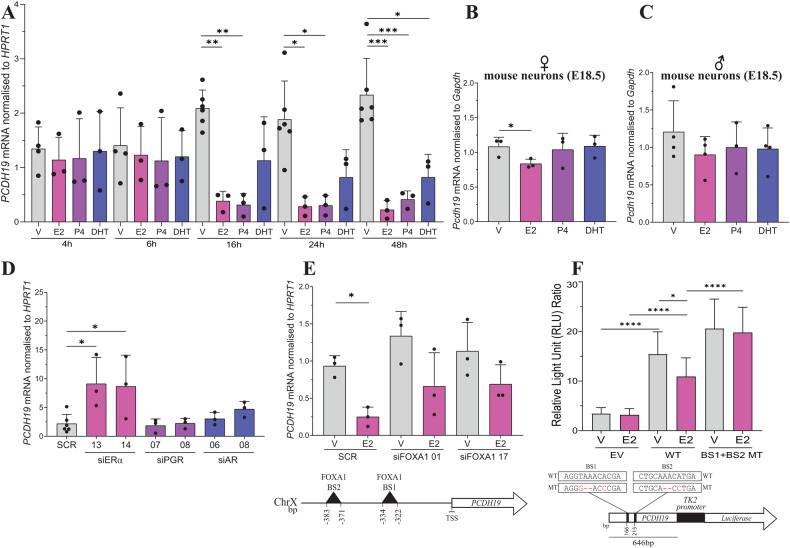
Clustering Epilepsy (CE) is an epileptic disorder with neurological comorbidities caused by heterozygous variants of the X chromosome gene Protocadherin 19 (PCDH19). Recent studies have implicated dysregulation of the Nuclear Hormone Receptor (NHR) pathway in CE pathogenesis. To obtain a comprehensive overview of the impact and mechanisms of loss of PCDH19 function in CE pathogenesis, we have performed epigenomic, transcriptomic and proteomic analysis of CE relevant models. Our studies identified differential regulation and expression of Androgen Receptor (AR) and its targets in CE patient skin fibroblasts. Furthermore, our cell culture assays revealed the repression of PCDH19 expression mediated through ERα and the co-regulator FOXA1. We also identified a protein-protein interaction between PCDH19 and AR, expanding upon the intrinsic link between PCDH19 and the NHR pathway. Together, these results point to a novel mechanism of NHR signaling in the pathogenesis of CE that can be explored for potential therapeutic options.
聚类性癫痫(CE)是一种由X染色体基因原钙黏蛋白19(PCDH19)的杂合变异引起的伴有神经共病的癫痫障碍。最近的研究表明核激素受体(NHR)途径失调在CE发病机制中起作用。为了全面了解PCDH19功能丧失在CE发病机制中的影响和机制,我们对CE相关模型进行了表观基因组、转录组和蛋白质组分析。我们的研究确定了雄激素受体(AR)及其在CE患者皮肤成纤维细胞中的靶点的差异调控和表达。此外,我们的细胞培养实验揭示了通过雌激素受体α(ERα)和共调节因子叉头框蛋白A1(FOXA1)介导的PCDH19表达的抑制。我们还确定了PCDH19与AR之间的蛋白质-蛋白质相互作用,进一步拓展了PCDH19与NHR途径之间的内在联系。这些结果共同指向了CE发病机制中NHR信号传导的一种新机制,可用于探索潜在的治疗选择。