Adelaide Medical School, The University of Adelaide, Adelaide, SA, Australia.
Robinson Research Institute, The University of Adelaide, Adelaide, SA, Australia.
Mol Psychiatry. 2024 Jul;29(7):2199-2210. doi: 10.1038/s41380-024-02482-z. Epub 2024 Mar 7.
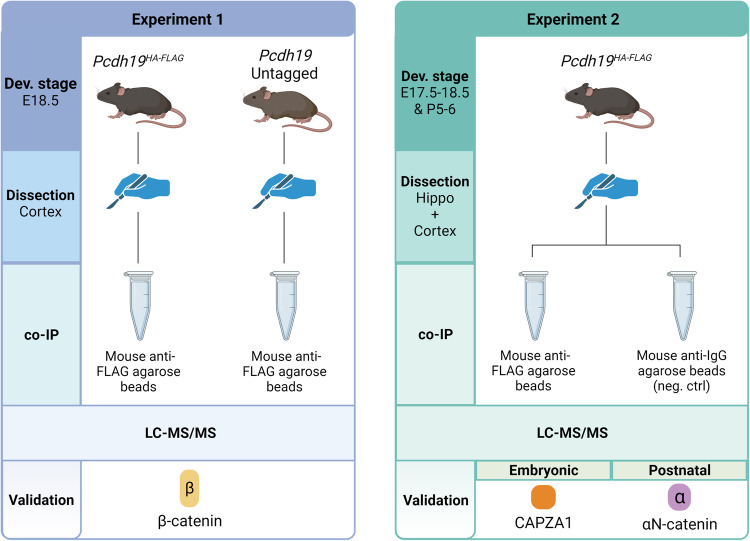
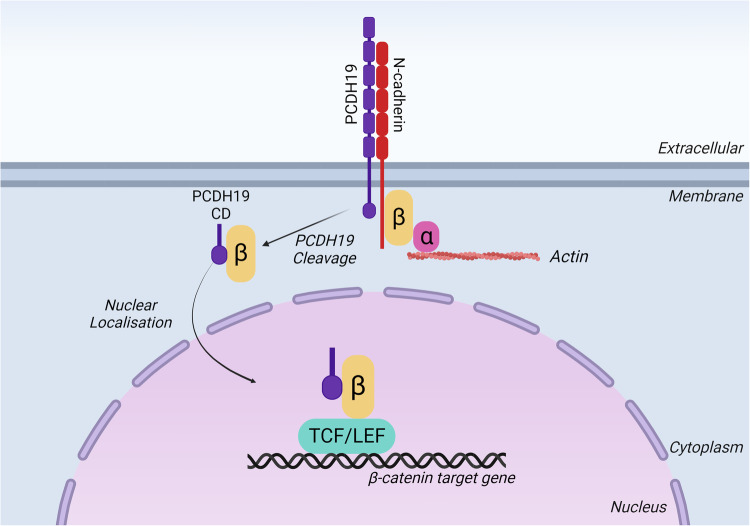
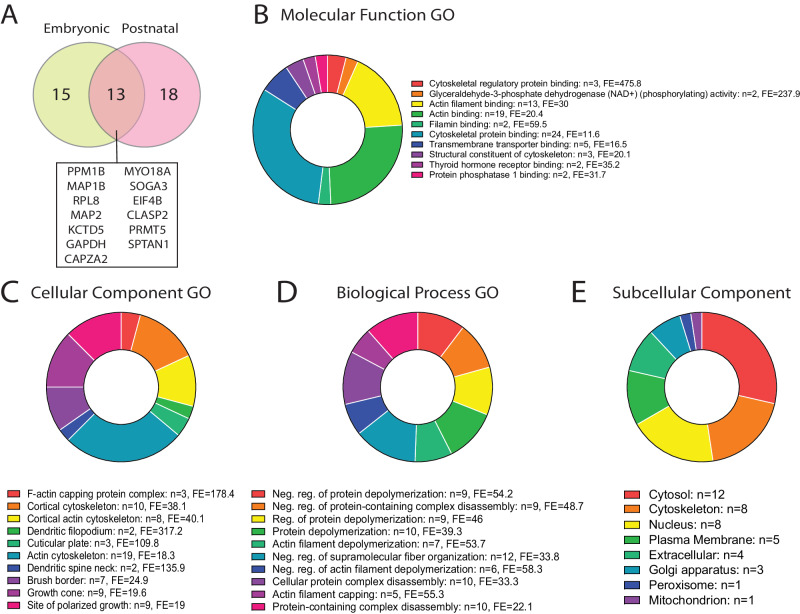
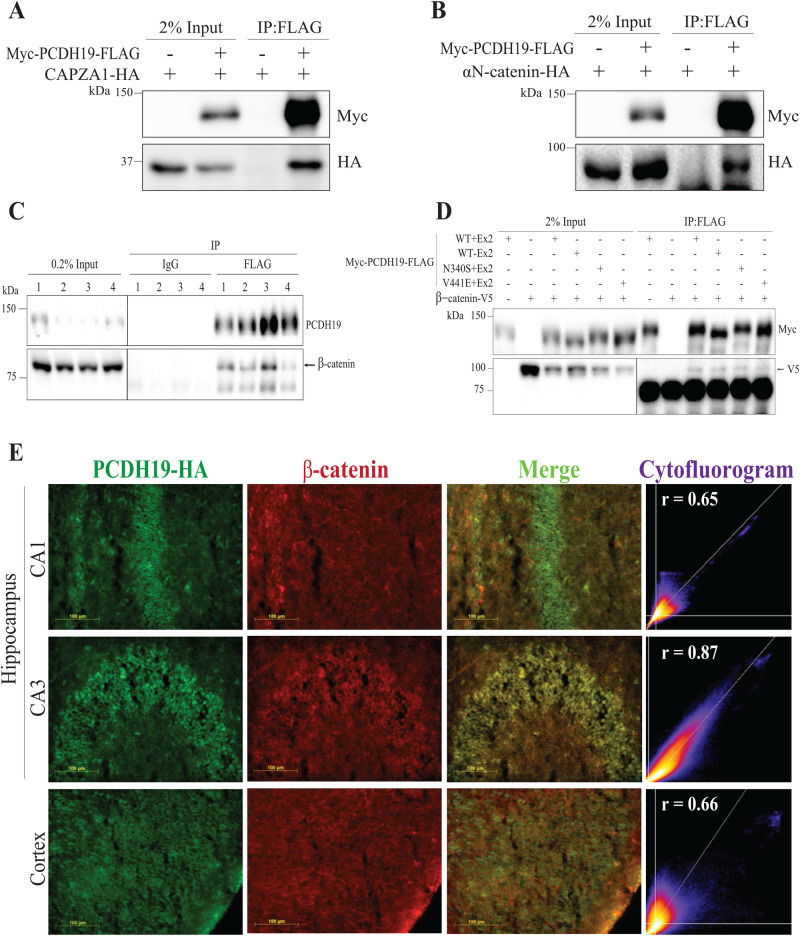
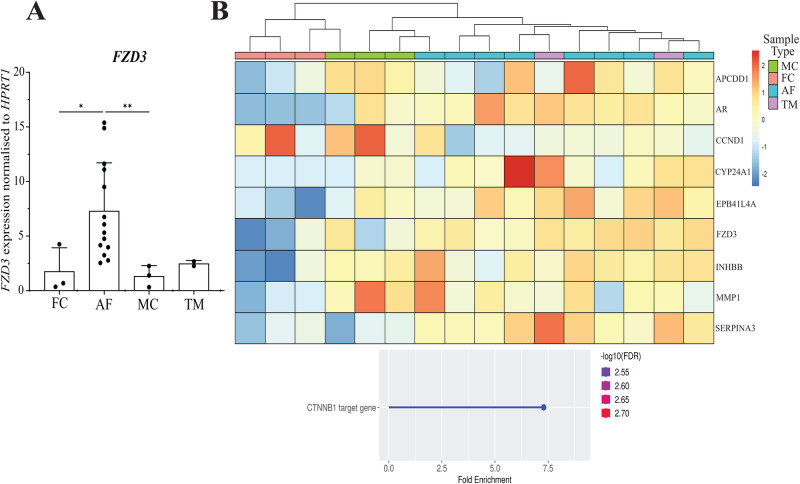
Clustering Epilepsy (CE) is a neurological disorder caused by pathogenic variants of the Protocadherin 19 (PCDH19) gene. PCDH19 encodes a protein involved in cell adhesion and Estrogen Receptor α mediated-gene regulation. To gain further insights into the molecular role of PCDH19 in the brain, we investigated the PCDH19 interactome in the developing mouse hippocampus and cortex. Combined with a meta-analysis of all reported PCDH19 interacting proteins, our results show that PCDH19 interacts with proteins involved in actin, microtubule, and gene regulation. We report CAPZA1, αN-catenin and, importantly, β-catenin as novel PCDH19 interacting proteins. Furthermore, we show that PCDH19 is a regulator of β-catenin transcriptional activity, and that this pathway is disrupted in CE individuals. Overall, our results support the involvement of PCDH19 in the cytoskeletal network and point to signalling pathways where PCDH19 plays critical roles.
簇状癫痫(CE)是一种由原钙黏蛋白 19(PCDH19)基因突变引起的神经疾病。PCDH19 编码一种参与细胞黏附的蛋白和雌激素受体 α 介导的基因调控。为了进一步了解 PCDH19 在大脑中的分子作用,我们研究了发育中的小鼠海马体和皮质中的 PCDH19 相互作用组。结合对所有报道的 PCDH19 相互作用蛋白的荟萃分析,我们的结果表明 PCDH19 与参与肌动蛋白、微管和基因调控的蛋白相互作用。我们报告 CAPZA1、αN-连环蛋白和β-连环蛋白是新的 PCDH19 相互作用蛋白。此外,我们表明 PCDH19 是 β-连环蛋白转录活性的调节剂,而该途径在 CE 个体中被破坏。总的来说,我们的结果支持 PCDH19 参与细胞骨架网络,并指出 PCDH19 在其中发挥关键作用的信号通路。