Department of Chemistry and Biochemistry, University of Notre Dame, Notre Dame, IN, USA.
Department of Physics, Florida International University, Miami, FL, USA.
J Lipid Res. 2024 Mar;65(3):100512. doi: 10.1016/j.jlr.2024.100512. Epub 2024 Jan 29.
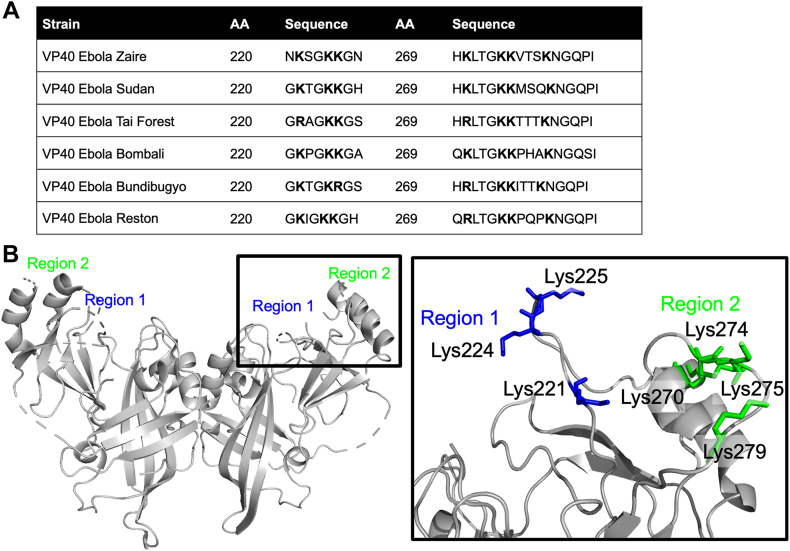
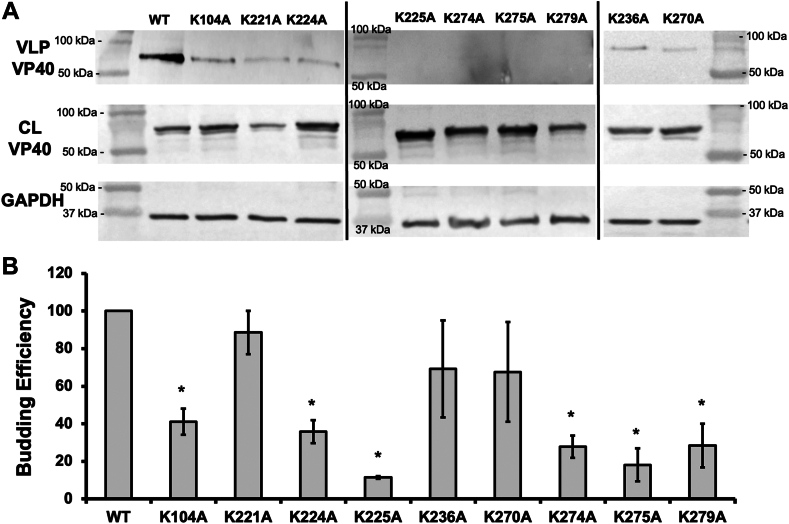
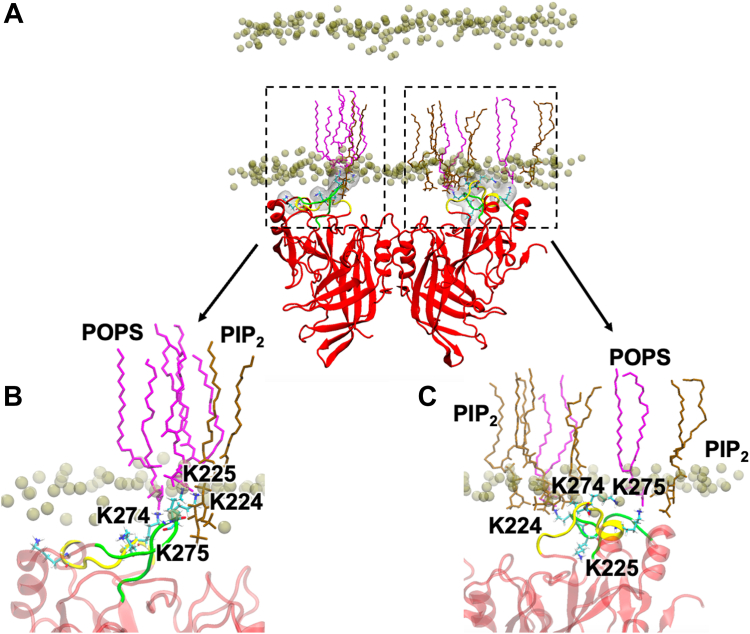
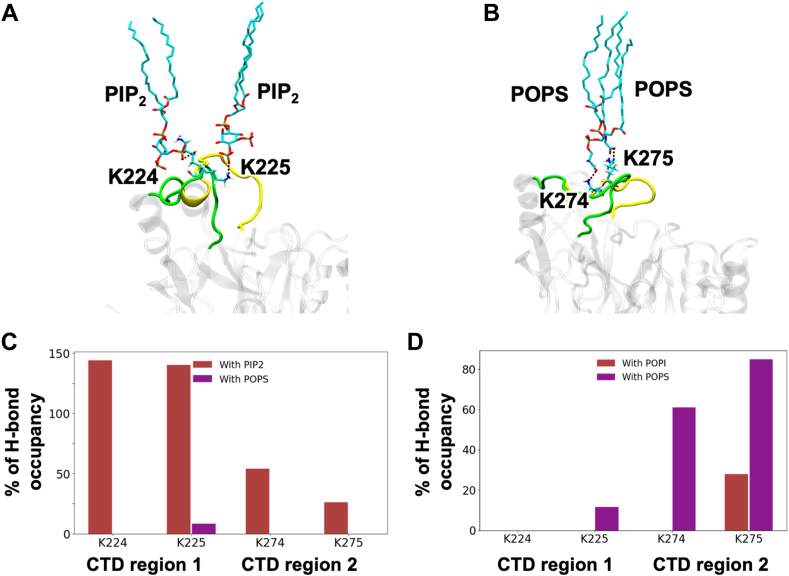
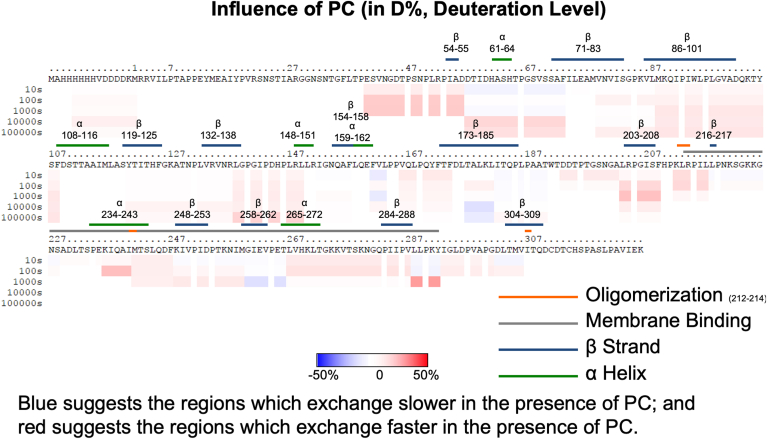
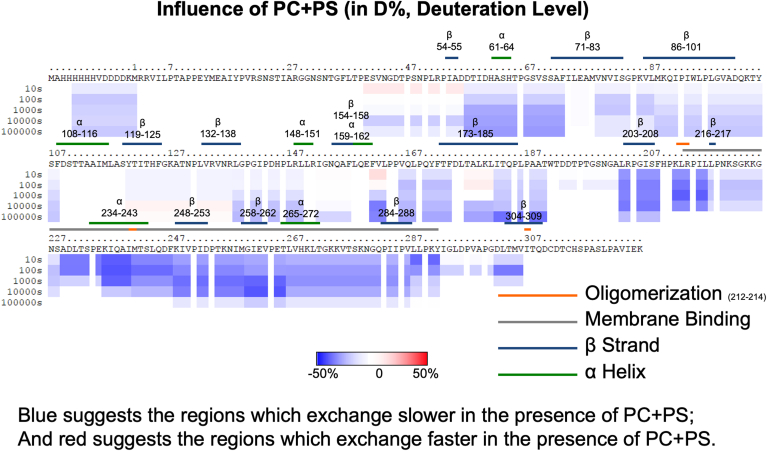
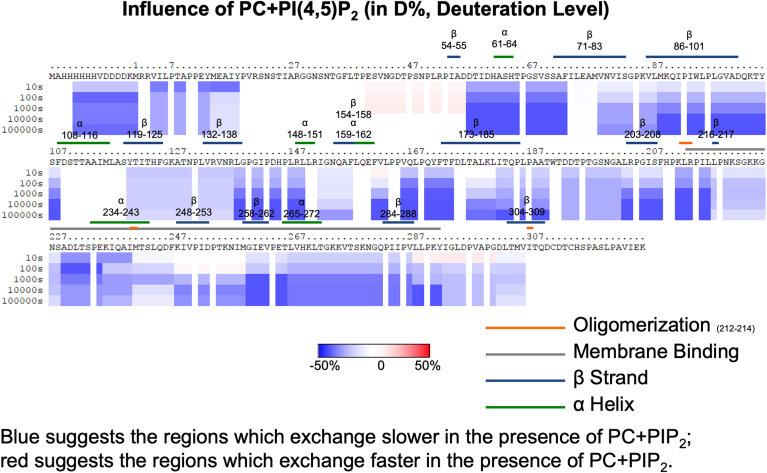
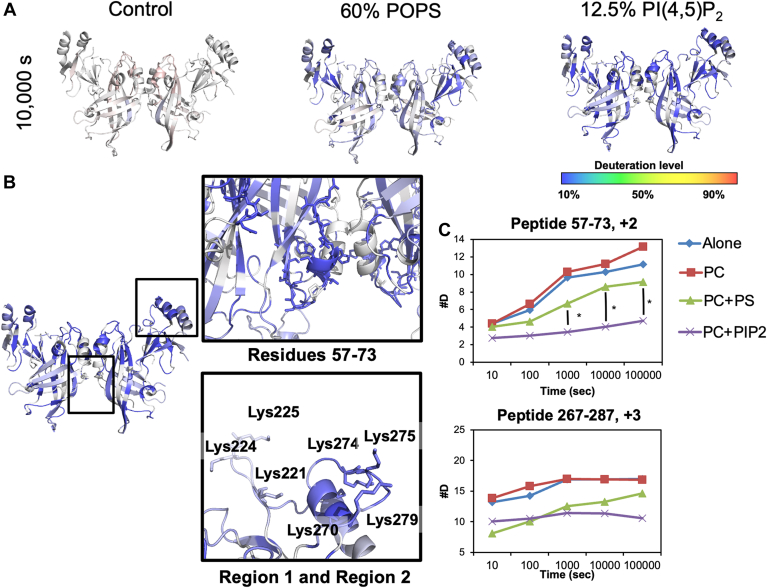
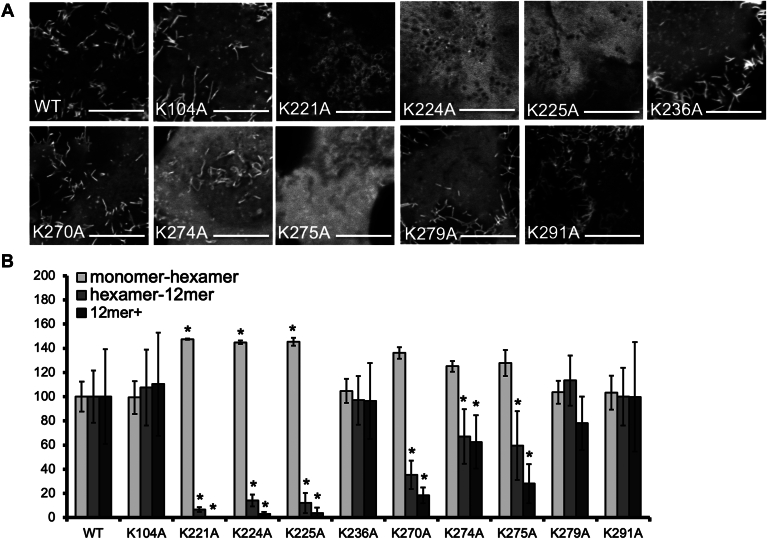
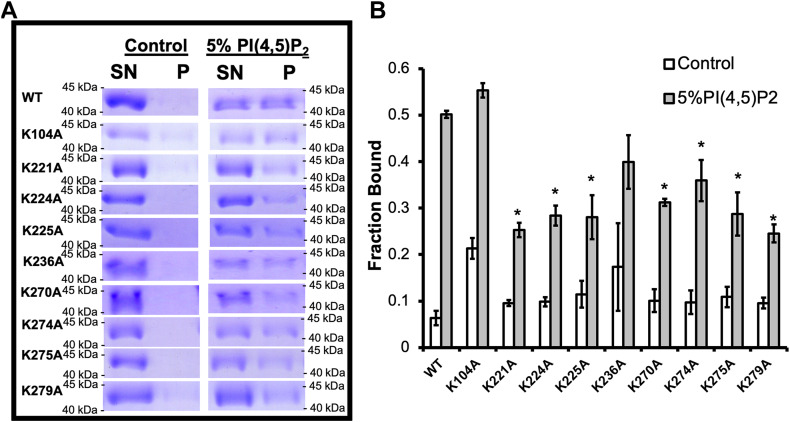
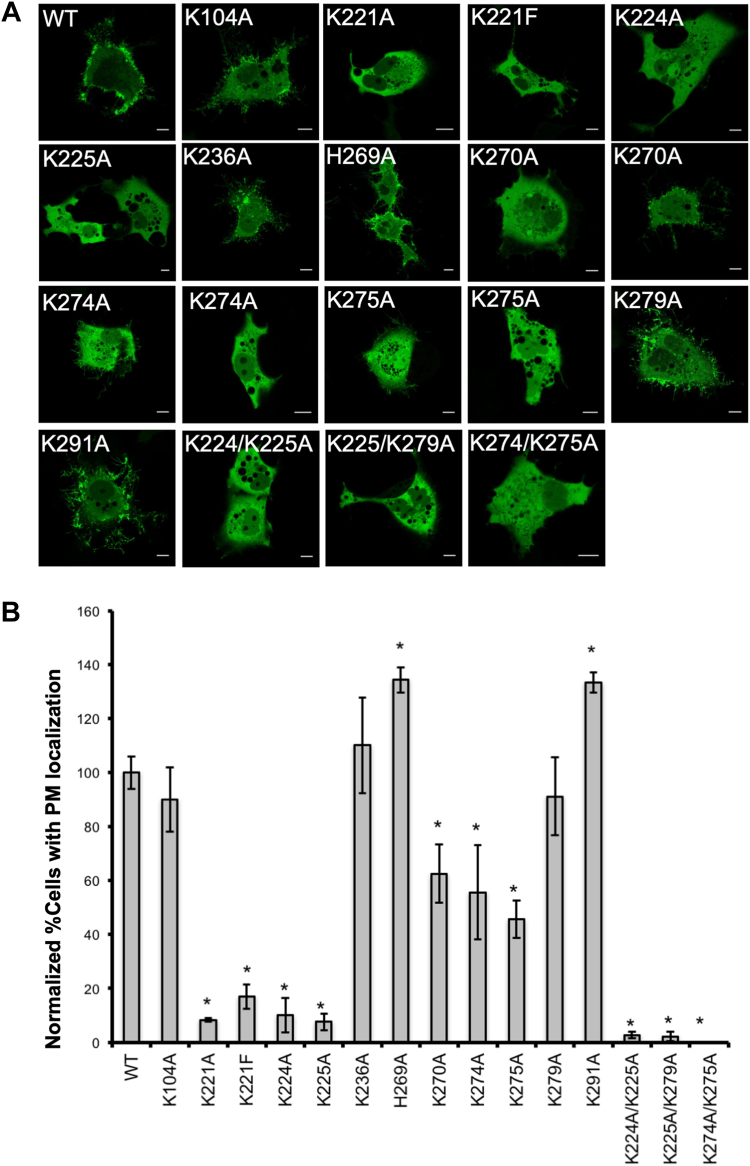
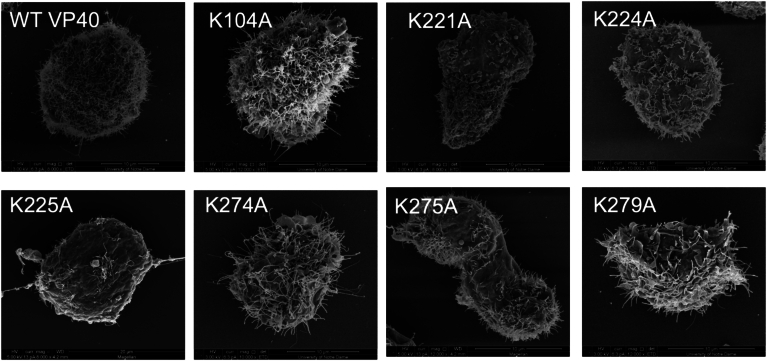
Ebola virus (EBOV) causes severe hemorrhagic fever in humans and is lethal in a large percentage of those infected. The EBOV matrix protein viral protein 40 kDa (VP40) is a peripheral binding protein that forms a shell beneath the lipid bilayer in virions and virus-like particles (VLPs). VP40 is required for virus assembly and budding from the host cell plasma membrane. VP40 is a dimer that can rearrange into oligomers at the plasma membrane interface, but it is unclear how these structures form and how they are stabilized. We therefore investigated the ability of VP40 to form stable oligomers using in vitro and cellular assays. We characterized two lysine-rich regions in the VP40 C-terminal domain (CTD) that bind phosphatidylinositol-4,5-bisphosphate (PI(4,5)P) and play distinct roles in lipid binding and the assembly of the EBOV matrix layer. The extensive analysis of VP40 with and without lipids by hydrogen deuterium exchange mass spectrometry revealed that VP40 oligomers become extremely stable when VP40 binds PI(4,5)P. The PI(4,5)P-induced stability of VP40 dimers and oligomers is a critical factor in VP40 oligomerization and release of VLPs from the plasma membrane. The two lysine-rich regions of the VP40 CTD have different roles with respect to interactions with plasma membrane phosphatidylserine (PS) and PI(4,5)P. CTD region 1 (Lys221, Lys224, and Lys225) interacts with PI(4,5)P more favorably than PS and is important for VP40 extent of oligomerization. In contrast, region 2 (Lys270, Lys274, Lys275, and Lys279) mediates VP40 oligomer stability via lipid interactions and has a more prominent role in release of VLPs.
埃博拉病毒(EBOV)会导致人类严重的出血热,并且在很大比例的感染者中是致命的。EBOV 基质蛋白病毒蛋白 40kDa(VP40)是一种外周结合蛋白,它在病毒粒子和病毒样颗粒(VLPs)的脂质双层下形成外壳。VP40 是病毒组装和从宿主细胞膜出芽所必需的。VP40 是一种二聚体,它可以在质膜界面处重新排列成寡聚体,但不清楚这些结构是如何形成的,以及它们是如何稳定的。因此,我们使用体外和细胞测定法研究了 VP40 形成稳定寡聚体的能力。我们鉴定了 VP40 C 端结构域(CTD)中的两个富含赖氨酸的区域,这些区域与磷脂酰肌醇-4,5-二磷酸(PI(4,5)P)结合,并在脂质结合和 EBOV 基质层的组装中发挥不同的作用。通过氢氘交换质谱对 VP40 及其与脂质的广泛分析表明,当 VP40 结合 PI(4,5)P 时,VP40 寡聚体变得非常稳定。PI(4,5)P 诱导的 VP40 二聚体和寡聚体的稳定性是 VP40 寡聚化和 VLPs 从质膜释放的关键因素。VP40 CTD 的两个富含赖氨酸的区域在与质膜磷脂酰丝氨酸(PS)和 PI(4,5)P 的相互作用方面具有不同的作用。CTD 区域 1(Lys221、Lys224 和 Lys225)与 PI(4,5)P 的相互作用更有利,而与 PS 的相互作用则不那么有利,并且对 VP40 的寡聚化程度很重要。相比之下,区域 2(Lys270、Lys274、Lys275 和 Lys279)通过脂质相互作用介导 VP40 寡聚体稳定性,并在 VLPs 的释放中发挥更重要的作用。