AlGhamdi Hadeel A, Alhazmi Ghadi M, Alsharif Haifa O, Addas Noran A, Elmoursy Ali Abeer Shaker, Nasif Wesam A
Cardiology, Faculty of Medicine, Umm Al-Qura University, Makkah, SAU.
Medicine and Surgery, Faculty of Medicine, Umm Al-Qura University, Makkah, SAU.
Cureus. 2024 Jan 4;16(1):e51637. doi: 10.7759/cureus.51637. eCollection 2024 Jan.
Coronary heart disease (CHD) is a leading cause of death globally, and psychological factors are increasingly recognized as playing a significant role in its prognosis. This study aimed to assess the public's awareness of psychological factors affecting CHD prognosis in Makkah, Saudi Arabia.
A cross-sectional online survey was conducted with 385 participants recruited randomly. The survey collected data on sociodemographic characteristics and respondents' opinions regarding the effects of negative and positive psychological factors on CHD prognosis, including differences based on age and gender.
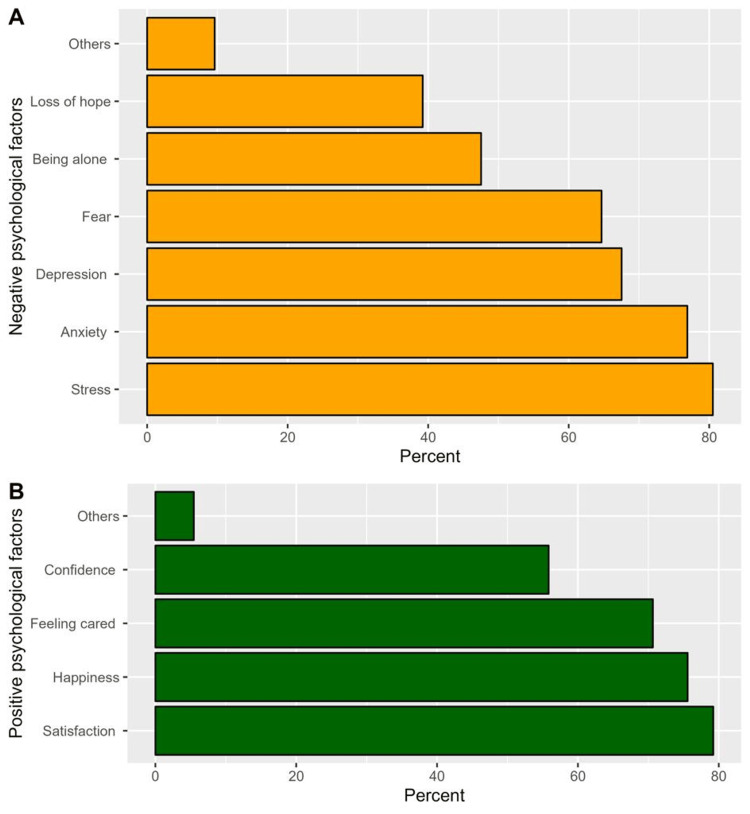
The majority of participants (96.9%) agreed that negative psychological factors, such as stress (80.5%), anxiety (76.9%), and depression (67.5%), influence CHD prognosis. Positive factors like satisfaction (79.2%) and happiness (75.6%) were also recognized as influential. Participants aged 30-50 and over 50 demonstrated higher awareness of the link between psychological factors and CHD compared to those under 30. No significant gender differences were observed in knowledge levels.
This study suggests that the Makkah population has a good understanding of the impact of psychological factors on CHD prognosis. Integrating this knowledge into comprehensive health education programs could benefit CHD prevention, management, and prognosis in the region. Future research should explore broader populations and utilize diverse methodologies to refine and generalize these findings.
冠心病(CHD)是全球主要的死亡原因之一,心理因素在其预后中的重要作用日益受到认可。本研究旨在评估沙特阿拉伯麦加公众对影响冠心病预后的心理因素的认知情况。
对385名随机招募的参与者进行了横断面在线调查。该调查收集了社会人口学特征数据以及受访者对消极和积极心理因素对冠心病预后影响的看法,包括基于年龄和性别的差异。
大多数参与者(96.9%)同意消极心理因素,如压力(80.5%)、焦虑(76.9%)和抑郁(67.5%),会影响冠心病预后。满意度(79.2%)和幸福感(75.6%)等积极因素也被认为具有影响力。与30岁以下的参与者相比,30至50岁以及50岁以上的参与者对心理因素与冠心病之间联系的认知更高。在知识水平方面未观察到显著的性别差异。
本研究表明,麦加人群对心理因素对冠心病预后的影响有较好的理解。将这些知识纳入全面的健康教育计划可能有益于该地区冠心病的预防、管理和预后。未来的研究应探索更广泛的人群,并采用多种方法来完善和推广这些发现。