Wu Jiayi, Qin Chuanmei, Tian Fuju, Liu Xueqing, Hu Jianing, Wu Fan, Chen Cailian, Lin Yi
The International Peace Maternity and Child Health Hospital, School of Medicine, Shanghai Jiao Tong University, Shanghai, China.
Shanghai Key Laboratory of Embryo Original Diseases, Shanghai, China.
BMC Med. 2024 Feb 5;22(1):57. doi: 10.1186/s12916-024-03264-8.
Abnormal placental development is a significant factor contributing to perinatal morbidity and mortality, affecting approximately 5-7% of pregnant women. Trophoblast syncytialization plays a pivotal role in the establishment and maturation of the placenta, and its dysregulation is closely associated with several pregnancy-related disorders, including preeclampsia and intrauterine growth restriction. However, the underlying mechanisms and genetic determinants of syncytialization are largely unknown.
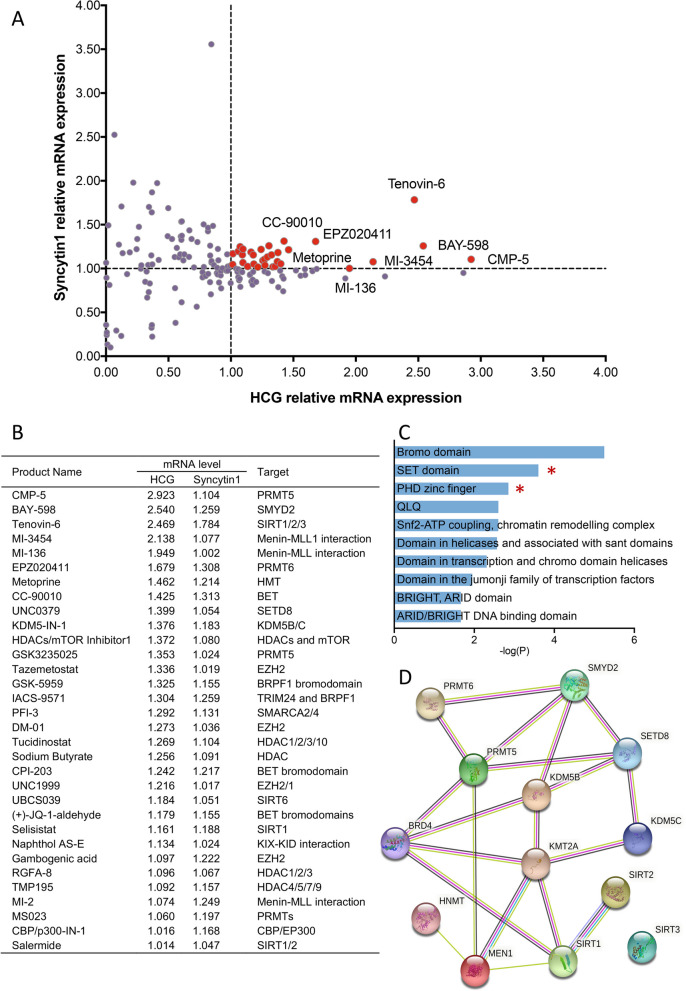
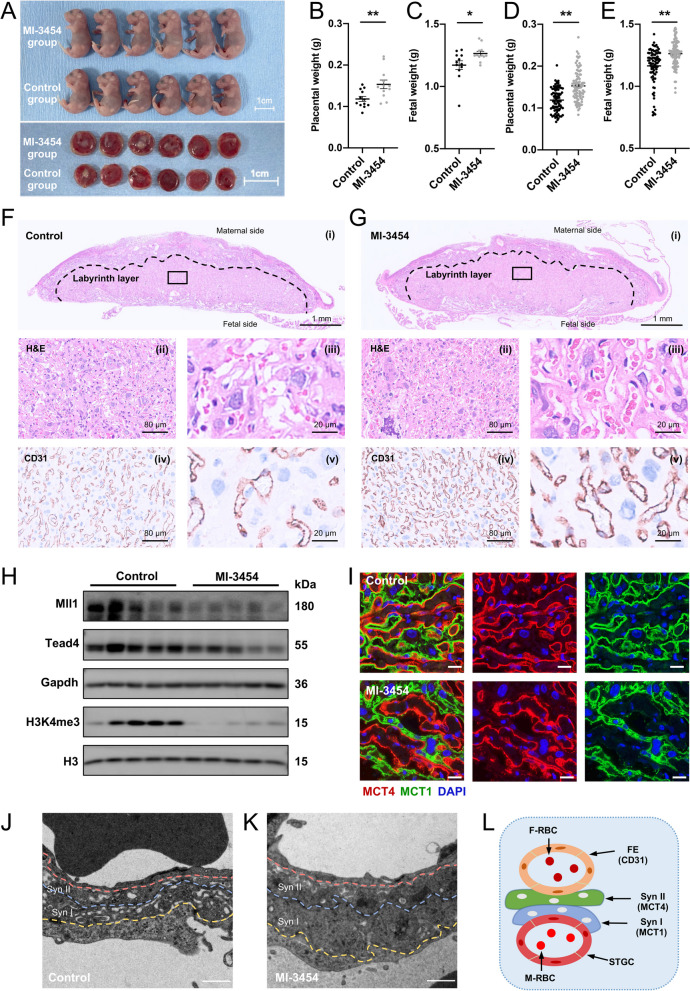
We conducted a systematic drug screen using an epigenetic compound library to systematically investigate the epigenetic mechanism essential for syncytialization, and identified mixed lineage leukemia 1 (MLL1), a histone 3 lysine 4 methyltransferase, as a crucial regulator of trophoblast syncytialization. BeWo cells were utilized to investigate the role of MLL1 during trophoblast syncytialization. RNA sequencing and CUT&Tag were further performed to search for potential target genes and the molecular pathways involved. Human placenta tissue was used to investigate the role of MLL1 in TEA domain transcription factor 4 (TEAD4) expression and the upstream signaling during syncytialization. A mouse model was used to examine whether inhibition of MLL1-mediated H3K4me3 regulated placental TEAD4 expression and fetoplacental growth.
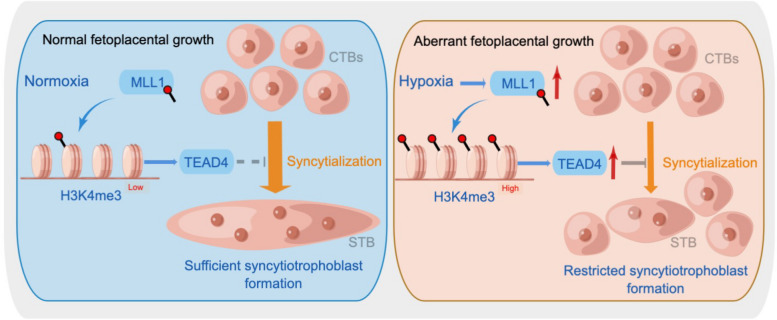
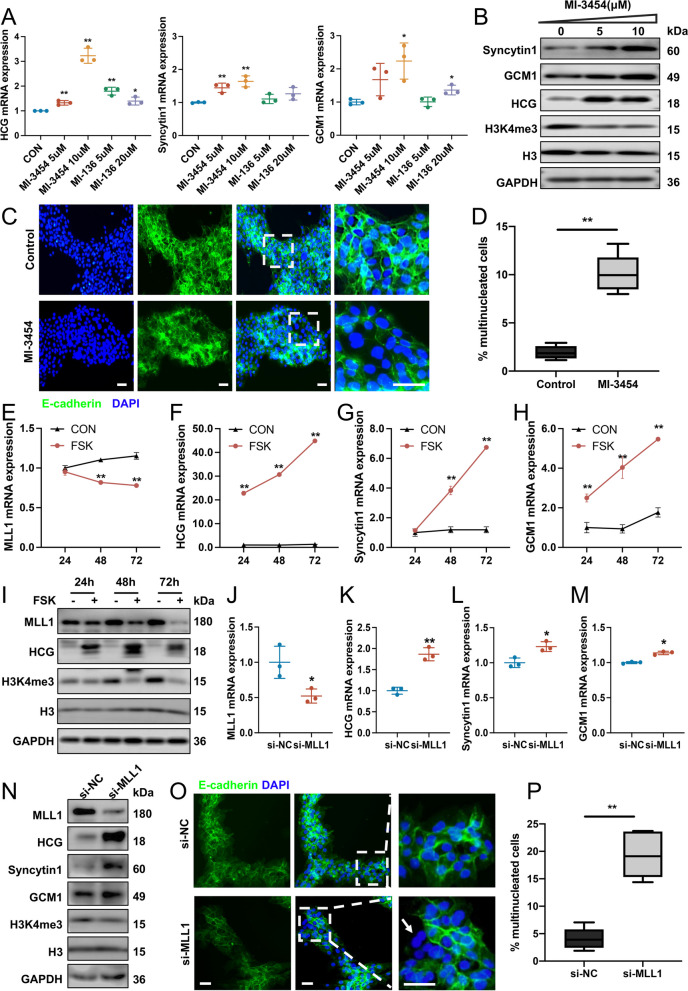
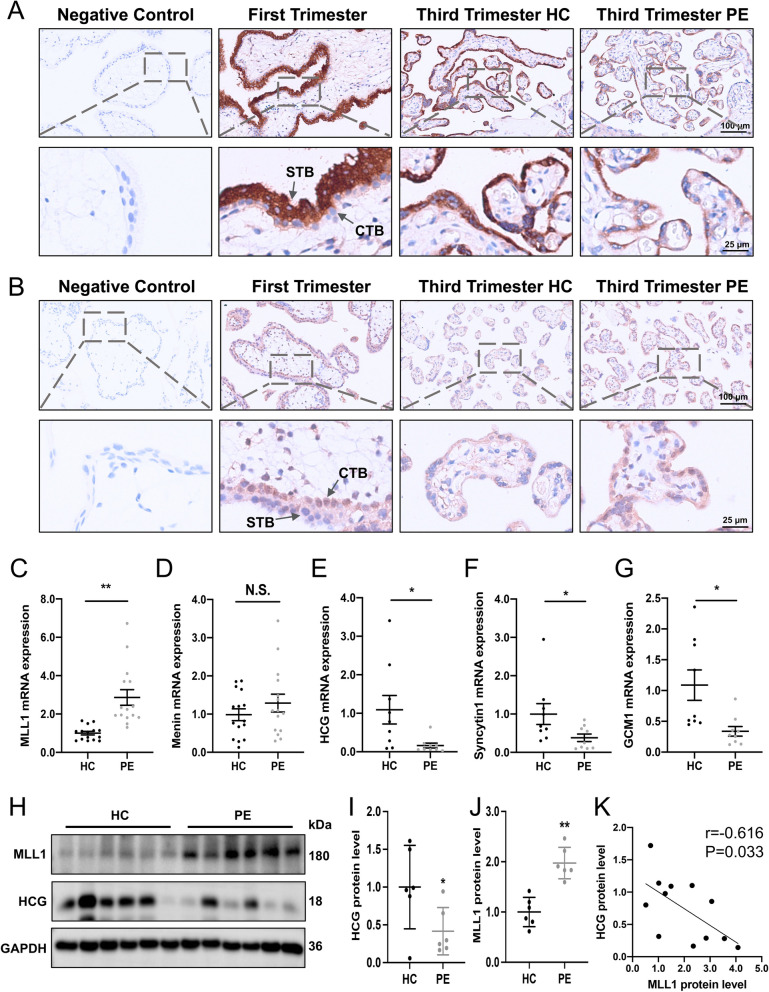
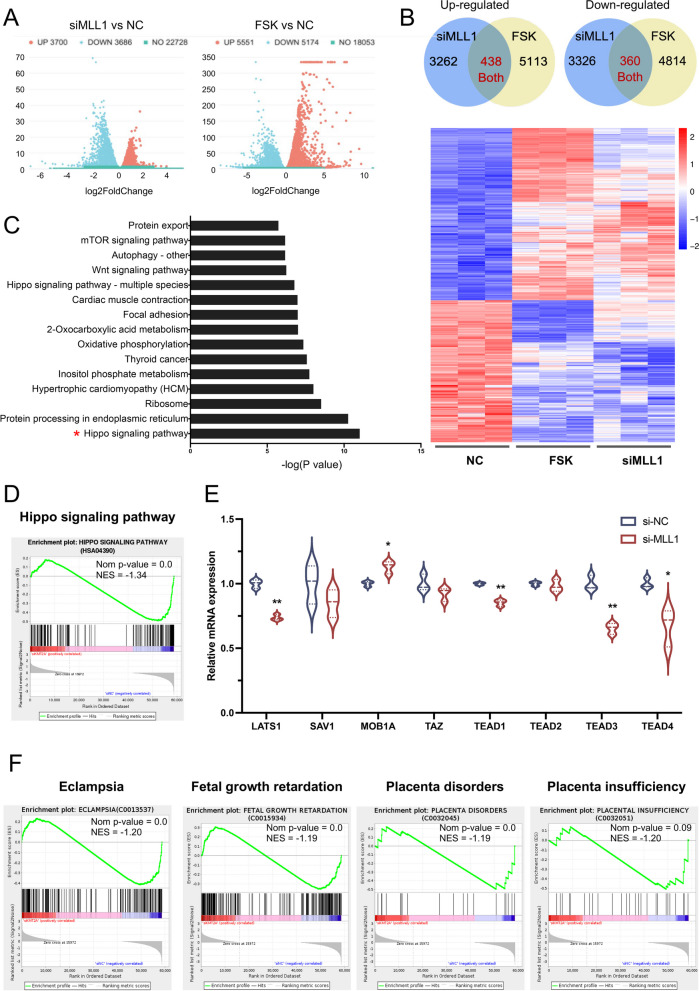
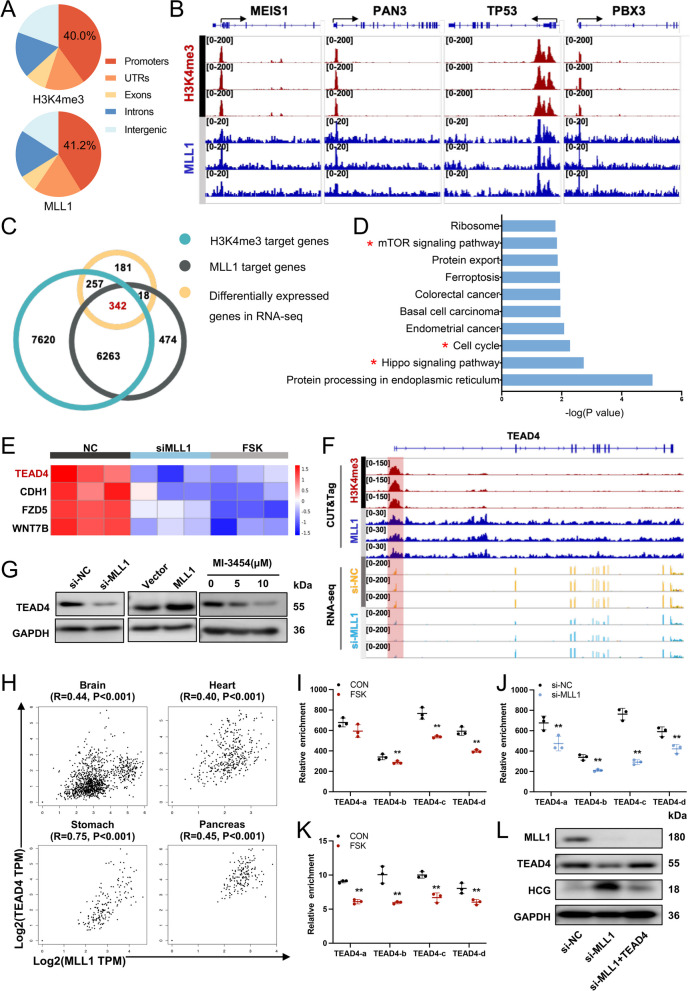
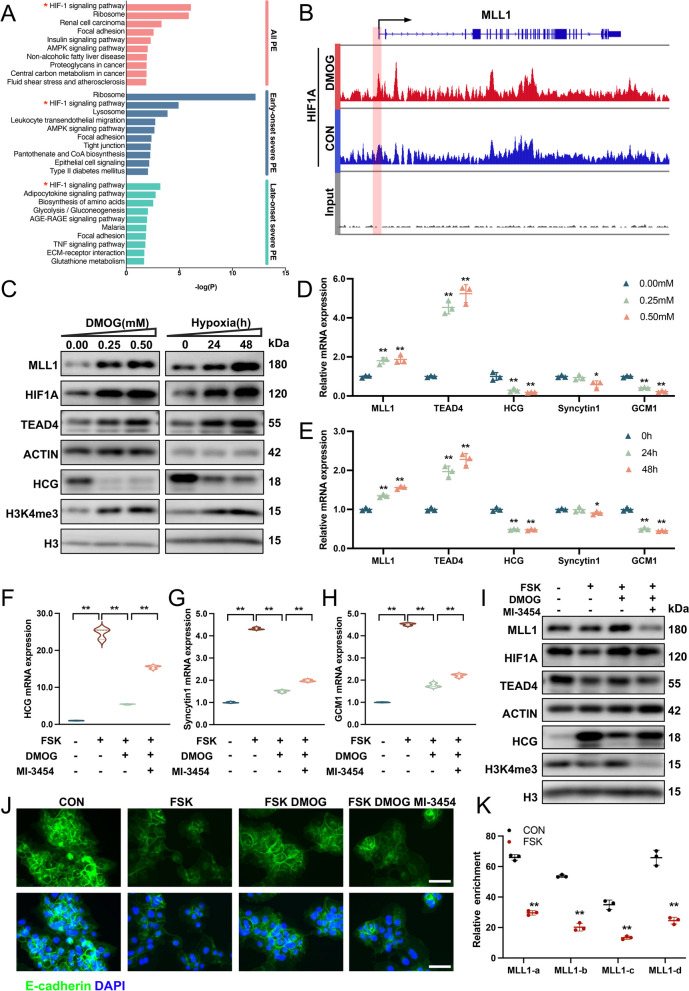
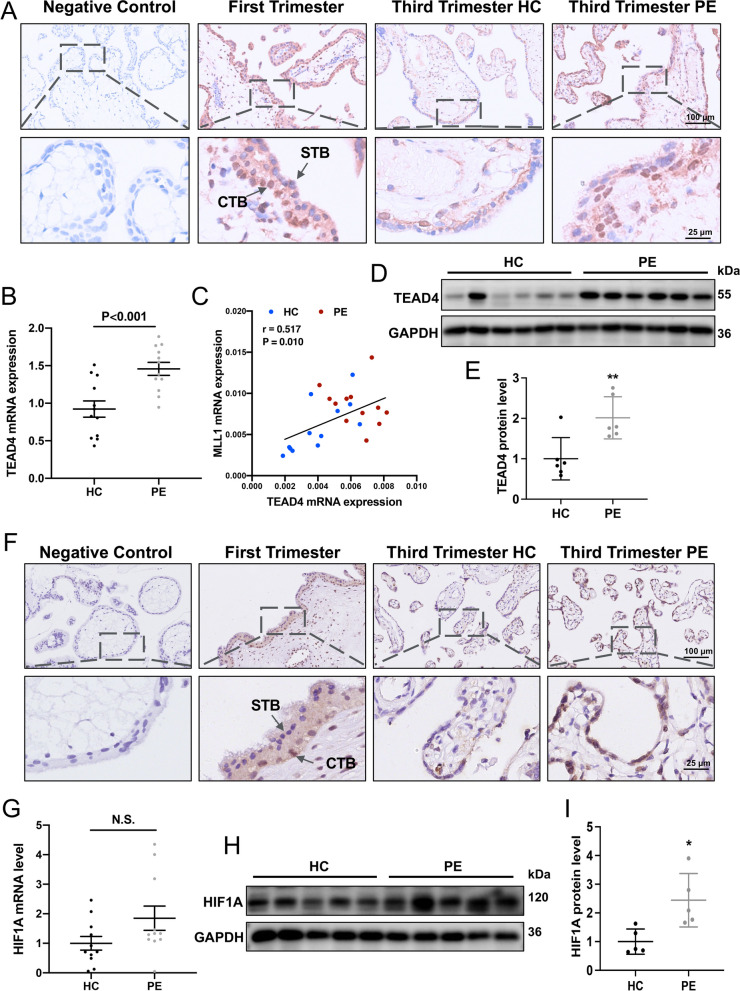
Genetic knockdown of MLL1 or pharmacological inhibition of the MLL1 methyltransferase complex (by MI-3454) markedly enhanced syncytialization, while overexpression of MLL1 inhibited forskolin (FSK)-induced syncytiotrophoblast formation. In human placental villous tissue, MLL1 was predominantly localized in the nuclei of cytotrophoblasts. Moreover, a notable upregulation in MLL1 expression was observed in the villus tissue of patients with preeclampsia compared with that in the control group. Based on RNA sequencing and CUT&Tag analyses, depletion of MLL1 inhibited the Hippo signaling pathway by suppressing TEAD4 expression by modulating H3K4me3 levels on the TEAD4 promoter region. TEAD4 overexpression significantly reversed the FSK-induced or MLL1 silencing-mediated trophoblast syncytialization. Additionally, decreased hypoxia-inducible factor 1A (HIF1A) enrichment at the MLL1 promoter was observed during syncytialization. Under hypoxic conditions, HIF1A could bind to and upregulate MLL1, leading to the activation of the MLL1/TEAD4 axis. In vivo studies demonstrated that the administration of MI-3454 significantly enhanced fetal vessel development and increased the thickness of the syncytial layer, thereby supporting fetoplacental growth.
These results revealed a novel epigenetic mechanism underlying the progression of syncytialization with MLL1, and suggest potential avenues for identifying new therapeutic targets for pregnancy-related disorders.
胎盘发育异常是导致围产期发病率和死亡率的重要因素,约5-7%的孕妇受其影响。滋养层细胞融合在胎盘的建立和成熟过程中起关键作用,其失调与多种妊娠相关疾病密切相关,包括子痫前期和胎儿生长受限。然而,细胞融合的潜在机制和遗传决定因素在很大程度上尚不清楚。
我们使用表观遗传化合物库进行了系统的药物筛选,以系统研究细胞融合所必需的表观遗传机制,并确定组蛋白3赖氨酸4甲基转移酶混合谱系白血病1(MLL1)是滋养层细胞融合的关键调节因子。利用BeWo细胞研究MLL1在滋养层细胞融合过程中的作用。进一步进行RNA测序和CUT&Tag分析,以寻找潜在的靶基因和相关分子途径。使用人胎盘组织研究MLL1在细胞融合过程中对含TEA结构域转录因子4(TEAD4)表达及上游信号传导的作用。使用小鼠模型研究抑制MLL1介导的H3K4me3是否调节胎盘TEAD4表达和胎盘胎儿生长。
MLL1基因敲低或MLL1甲基转移酶复合物的药理学抑制(通过MI-3454)显著增强细胞融合,而MLL1过表达抑制福斯高林(FSK)诱导的合体滋养层细胞形成。在人胎盘绒毛组织中,MLL1主要定位于细胞滋养层细胞核。此外,与对照组相比,子痫前期患者绒毛组织中MLL1表达显著上调。基于RNA测序和CUT&Tag分析,MLL1缺失通过调节TEAD4启动子区域的H3K4me3水平抑制TEAD4表达,从而抑制Hippo信号通路。TEAD4过表达显著逆转FSK诱导的或MLL1沉默介导的滋养层细胞融合。此外,在细胞融合过程中观察到MLL1启动子处缺氧诱导因子1A(HIF1A)富集减少。在缺氧条件下,HIF1A可结合并上调MLL1,导致MLL1/TEAD4轴激活。体内研究表明,给予MI-3454可显著促进胎儿血管发育并增加合体层厚度,从而支持胎盘胎儿生长。
这些结果揭示了一种与MLL1相关的细胞融合进展的新表观遗传机制,并为识别妊娠相关疾病的新治疗靶点提供了潜在途径。