
将废PET瓶转化为基于对苯二甲酸的金属有机框架用于从水中去除塑料纳米颗粒
Conversion of PET Bottle Waste into a Terephthalic Acid-Based Metal-Organic Framework for Removing Plastic Nanoparticles from Water.
作者信息
Chinglenthoiba Chingakham, Mahadevan Gomathi, Zuo Jiawei, Prathyumnan Thiruchelvam, Valiyaveettil Suresh
机构信息
Department of Chemistry, National University of Singapore, 3 Science Drive 3, Singapore 117543, Singapore.
出版信息
Nanomaterials (Basel). 2024 Jan 24;14(3):257. doi: 10.3390/nano14030257.
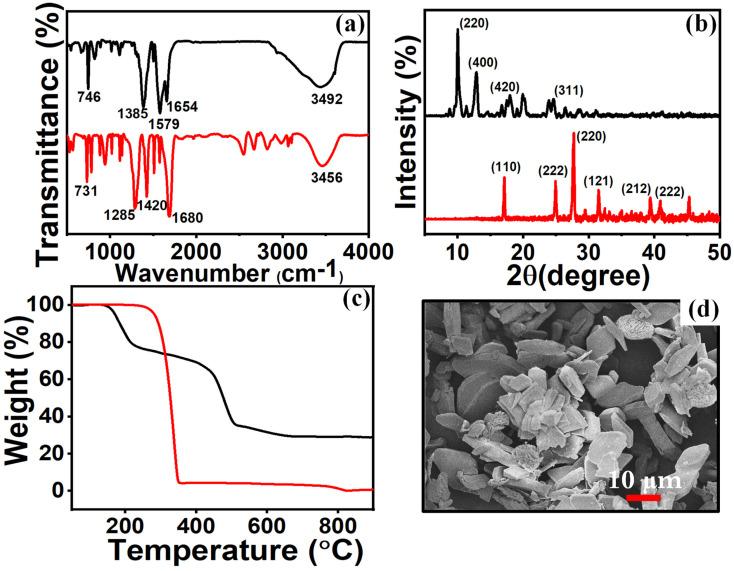
Micro- and nanoparticles of plastic waste are considered emerging pollutants with significant environmental and health impacts at high concentrations or prolonged exposure time. Here we report the synthesis and characterization of a known metal-organic framework (MOF) using terephthalic acid (TPA) recovered from the hydrolysis of polyethylene terephthalate (PET) bottle waste. This approach adds value to the existing large amounts of bottle waste in the environment. Fully characterized zinc-TPA MOF (MOF-5) was used for the extraction and removal of engineered polyvinyl chloride (PVC) and polymethylmethacrylate (PMMA) nanoparticles from water with a high efficiency of 97% and 95%, respectively. Kinetic and isotherm models for the adsorption of polymer nanoparticles (PNPs) on the MOF surface were investigated to understand the mechanism. The Qmax for PVC and PMMA NPs were recorded as 56.65 mg/g and 33.32 mg/g, respectively. MOF-5 was characterized before and after adsorption of PNPs on the surface of MOF-5 using a range of techniques. After adsorption, the MOF-5 was successfully regenerated and reused for the adsorption and removal of PNPs, showing consistent results for five adsorption cycles with a removal rate of 83-85%. MOF-5 was characterized before and after adsorption of PNPs on the surface using a range of techniques. The MOF-5 with PNPs on the surface was successfully regenerated and reused for the adsorption and removal of polymer nanoparticles, showing consistent results for five extraction cycles. As a proof of concept, MOF-5 was also used to remove plastic particles from commercially available body scrub gel solutions. Such methods and materials are needed to mitigate the health hazards caused by emerging micro- and nanoplastic pollutants in the environment.
塑料垃圾的微米级和纳米级颗粒被视为新兴污染物,在高浓度或长时间暴露的情况下会对环境和健康产生重大影响。在此,我们报告了一种已知金属有机框架(MOF)的合成与表征,该MOF使用从聚对苯二甲酸乙二酯(PET)瓶废料水解中回收的对苯二甲酸(TPA)制备。这种方法为环境中现有的大量瓶废料增添了价值。经过全面表征的锌-TPA MOF(MOF-5)用于从水中萃取和去除工程化聚氯乙烯(PVC)和聚甲基丙烯酸甲酯(PMMA)纳米颗粒,去除效率分别高达97%和95%。研究了聚合物纳米颗粒(PNP)在MOF表面吸附的动力学和等温线模型,以了解其吸附机制。PVC和PMMA纳米颗粒的最大吸附量(Qmax)分别记录为56.65 mg/g和33.32 mg/g。使用一系列技术对MOF-5表面吸附PNP前后的情况进行了表征。吸附后,MOF-5成功再生,并重新用于吸附和去除PNP,在五个吸附循环中显示出一致的结果,去除率为83%-85%。使用一系列技术对MOF-5表面吸附PNP前后的情况进行了表征。表面带有PNP的MOF-5成功再生,并重新用于吸附和去除聚合物纳米颗粒,在五个萃取循环中显示出一致的结果。作为概念验证,MOF-5还用于从市售身体磨砂凝胶溶液中去除塑料颗粒。需要此类方法和材料来减轻环境中新兴的微塑料和纳米塑料污染物造成的健康危害。




 Zotero 插件