Rosa Domenico, Abbasova Nigar, Di Palma Luca
Department of Chemical Engineering Materials Environment, Sapienza-Università di Roma, Via Eudossiana 18, 00184 Roma, Italy.
Department of Ecology, Azerbaijan University of Architecture and Construction, AZ1073 Baku, Azerbaijan.
Nanomaterials (Basel). 2024 Jan 31;14(3):293. doi: 10.3390/nano14030293.
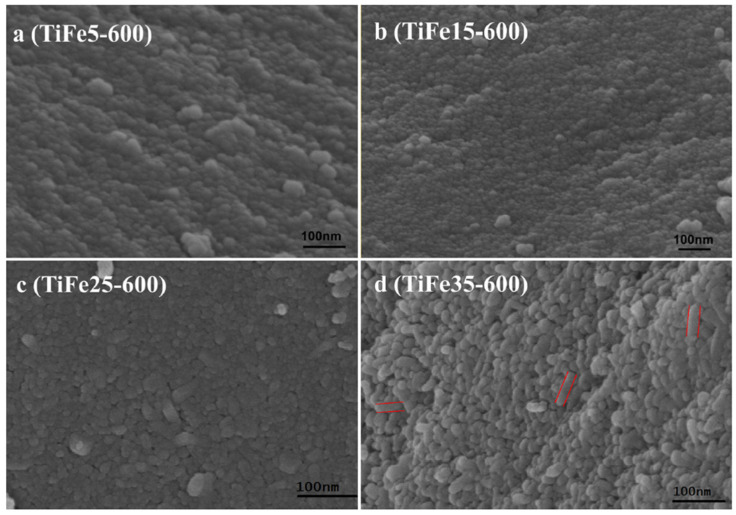
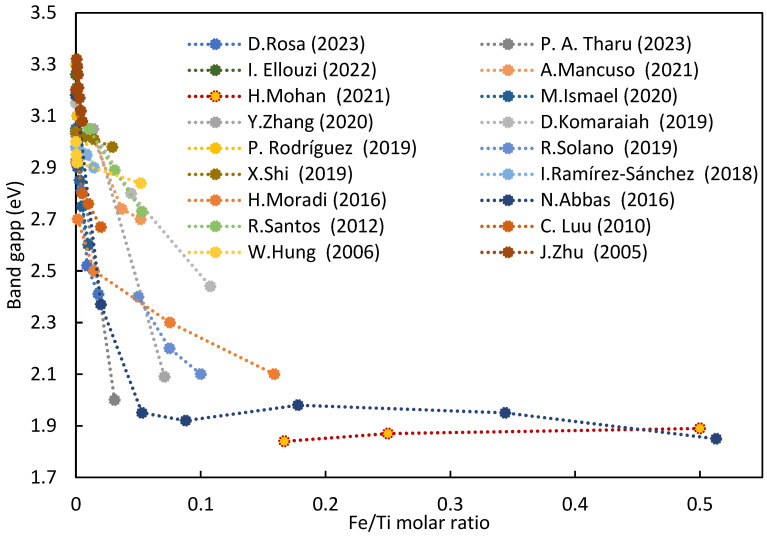
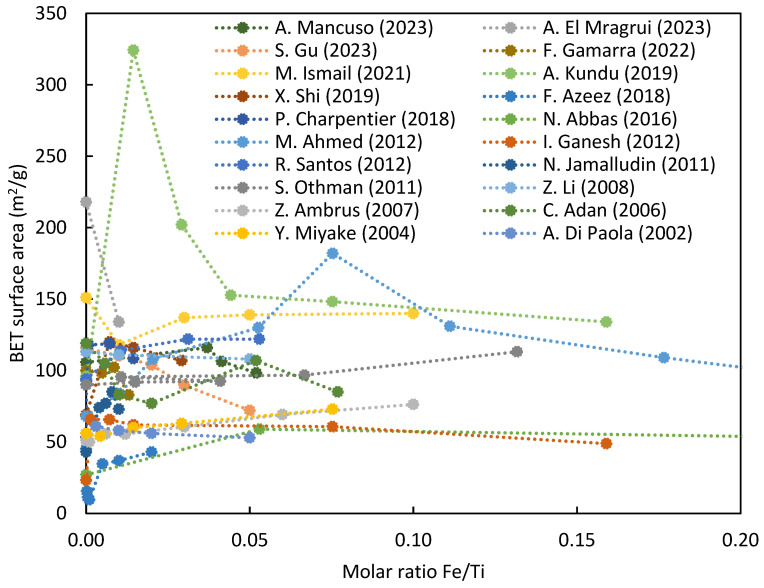
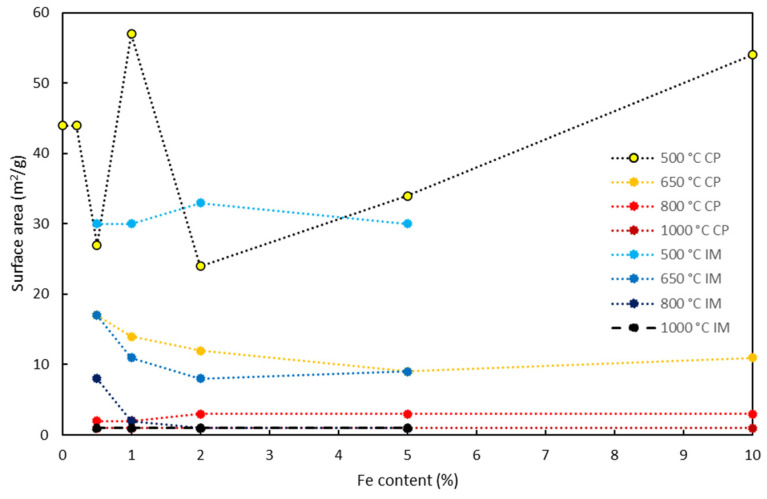
Iron-doped titanium dioxide nanoparticles are widely employed for photocatalytic applications under visible light due to their promising performance. Nevertheless, the manufacturing process, the role of Fe ions within the crystal lattice of titanium dioxide, and their impact on operational parameters are still a subject of controversy. Based on these assumptions, the primary objective of this review is to delineate the role of iron, ascertain the optimal quantity, and elucidate its influence on the main photocatalysis parameters, including nanoparticle size, band gap, surface area, anatase-rutile transition, and point of zero charge. Moreover, an optimized synthesis method based on comprehensive data and insights from the existing literature is proposed, focusing exclusively on iron-doped titanium oxide while excluding other dopant variants.
由于具有良好的性能,铁掺杂二氧化钛纳米颗粒被广泛应用于可见光下的光催化应用。然而,其制造工艺、铁离子在二氧化钛晶格中的作用以及它们对操作参数的影响仍然存在争议。基于这些假设,本综述的主要目的是阐明铁的作用,确定最佳用量,并阐明其对主要光催化参数的影响,包括纳米颗粒尺寸、带隙、表面积、锐钛矿-金红石转变和零电荷点。此外,在现有文献的综合数据和见解的基础上,提出了一种优化的合成方法,该方法仅专注于铁掺杂氧化钛,而不包括其他掺杂变体。