Prashanth V, Rafikiran Shaik, Hussaian Basha C H, Kumar Jinka Anil, Dhanamjayulu C, Kotb Hossam, ELrashidi Ali
NITTE Meenakshi Institute of Technology (Autonomous), Banglore, India.
Sri Venkateswara College of Engineering (Autonomous), Tirupati, AP, India.
Sci Rep. 2024 Feb 9;14(1):3342. doi: 10.1038/s41598-024-53763-0.
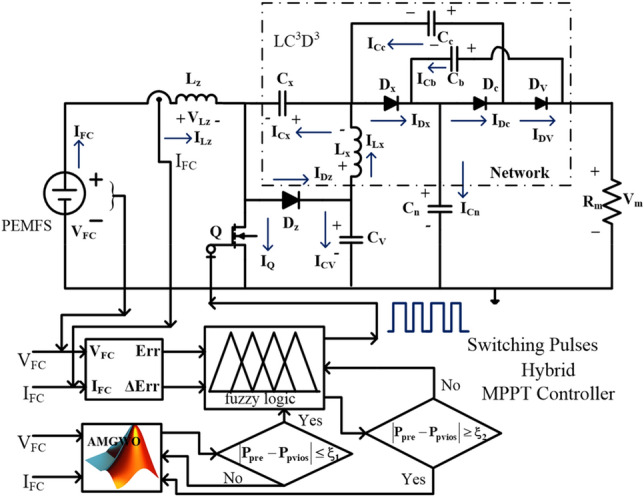
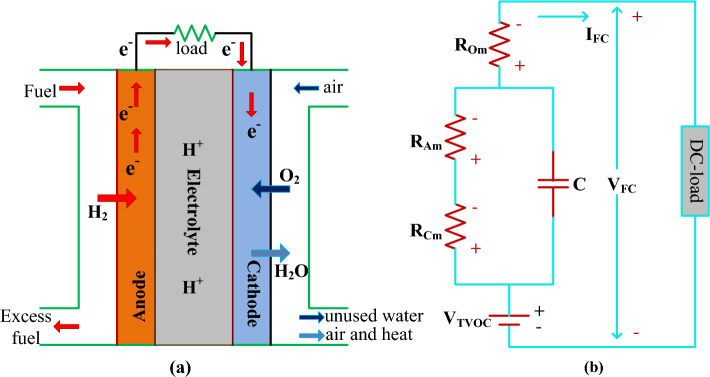
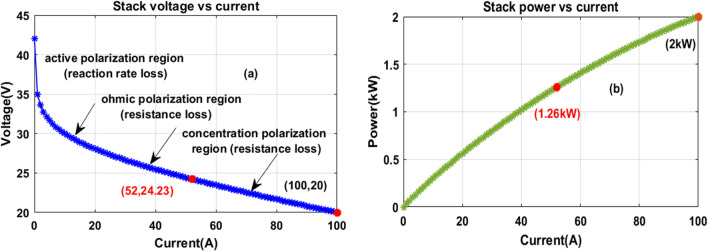
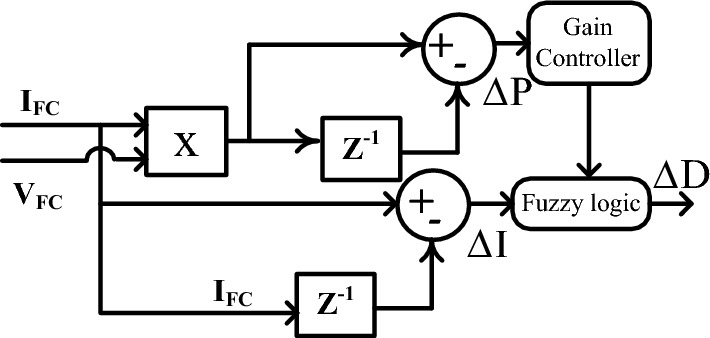
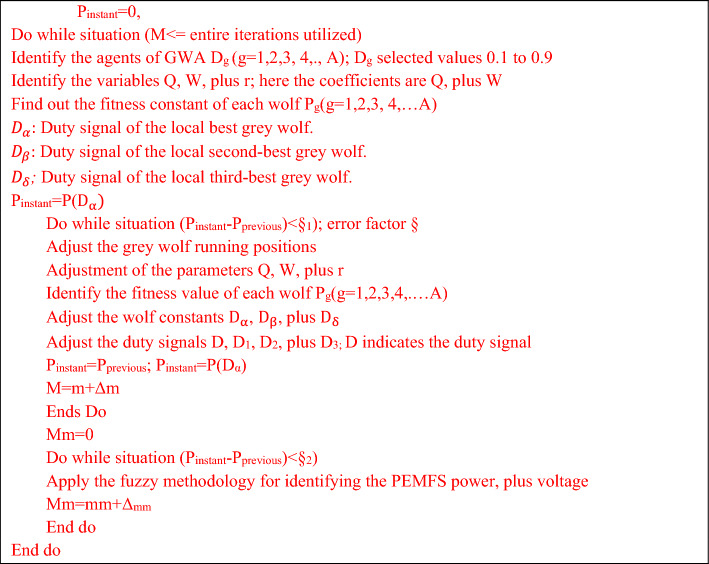
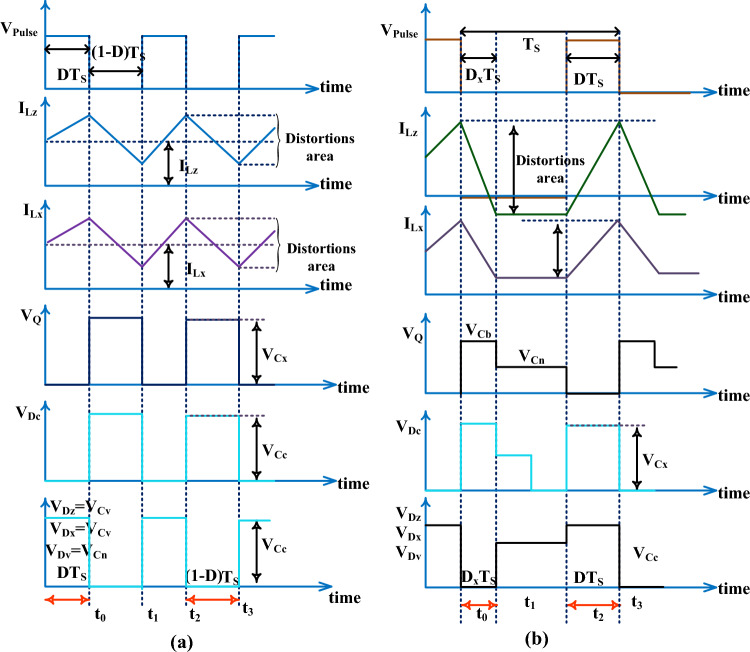
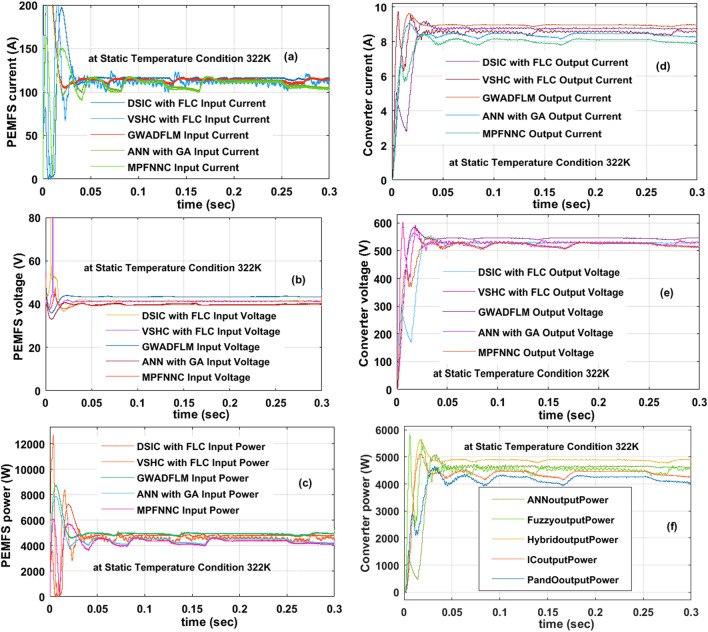
As of now, there are multiple types of renewable energy sources available in nature which are hydro, wind, tidal, and solar. Among all of that the solar energy source is used in many applications because of its features are low maitainence cost, less human power for handling, a clean source, more availability in nature, and reduced carbon emissions. However, the disadvantages of solar networks are continuously depending on the weather conditions, high complexity of the solar energy storage, and lots of installation place is required. So, in this work, the Proton Exchange Membrane Fuel Stack (PEMFS) is utilized for supplying the power to the local consumers. The merits of this fuel stack are high power density, ability to work at very less temperature values, efficient heat maintenance, and water management. Also, this fuel stack gives a quick startup response. The only demerit of PEMFS is excessive current production, plus very less output voltage. To optimize the current supply of the fuel stack, a Wide Input Operation Single Switch Boost Converter (WIOSSBC) circuit is placed across the fuel stack output to improve the load voltage profile. The advantages of the WIOSSBC are less current ripples, uniform voltage supply, plus good voltage conversion ratio. Another issue of the fuel stack is nonlinear power production. To linearize the issue of fuel stack, the Grey Wolf Algorithm Dependent Fuzzy Logic Methodology (GWADFLM) is introduced in this article for maintaining the operating point of the fuel cell near to Maximum Power Point (MPP) place. The entire system is investigated by utilizing the MATLAB software.
截至目前,自然界中有多种可再生能源,包括水能、风能、潮汐能和太阳能。在所有这些能源中,太阳能因其维护成本低、人力操作少、清洁、自然界中可用性高以及碳排放减少等特点而被广泛应用于许多领域。然而,太阳能网络的缺点是持续依赖天气条件、太阳能存储的高复杂性以及需要大量的安装场地。因此,在这项工作中,质子交换膜燃料电池堆(PEMFS)被用于向当地消费者供电。这种燃料电池堆的优点是功率密度高、能够在非常低的温度值下工作、高效的热维护和水管理。此外,这种燃料电池堆具有快速启动响应。PEMFS唯一的缺点是电流产生过多,输出电压非常低。为了优化燃料电池堆的电流供应,在燃料电池堆输出端跨接一个宽输入操作单开关升压转换器(WIOSSBC)电路,以改善负载电压曲线。WIOSSBC的优点是电流纹波小、电压供应均匀以及电压转换率高。燃料电池堆的另一个问题是非线性功率产生。为了使燃料电池堆的问题线性化,本文引入了基于灰狼算法的模糊逻辑方法(GWADFLM),以将燃料电池的工作点维持在最大功率点(MPP)附近。整个系统通过使用MATLAB软件进行研究。