Khan Mohd Jahir, Wibowo Agung, Karim Zoheb, Posoknistakul Pattaraporn, Matsagar Babasaheb M, Wu Kevin C-W, Sakdaronnarong Chularat
Department of Chemical Engineering, Faculty of Engineering, Mahidol University, 25/25 Putthamonthon 4 Road, Salaya, Putthamonthon, Nakhon Pathom 73170, Thailand.
MoRe Research Örnsköldsvik AB, SE-89122 Örnsköldsvik, Sweden.
Polymers (Basel). 2024 Feb 5;16(3):443. doi: 10.3390/polym16030443.
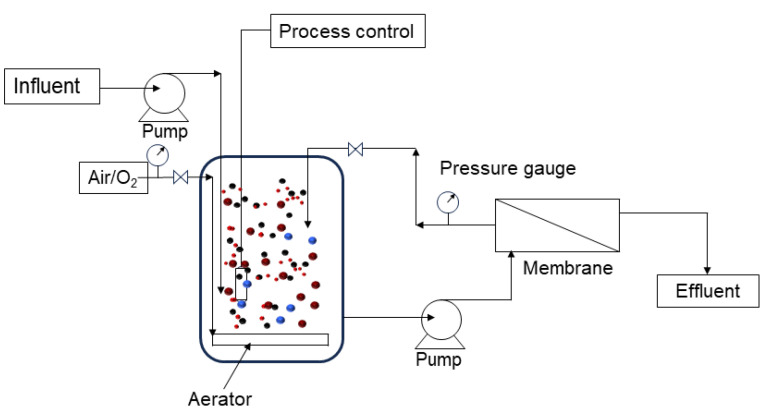
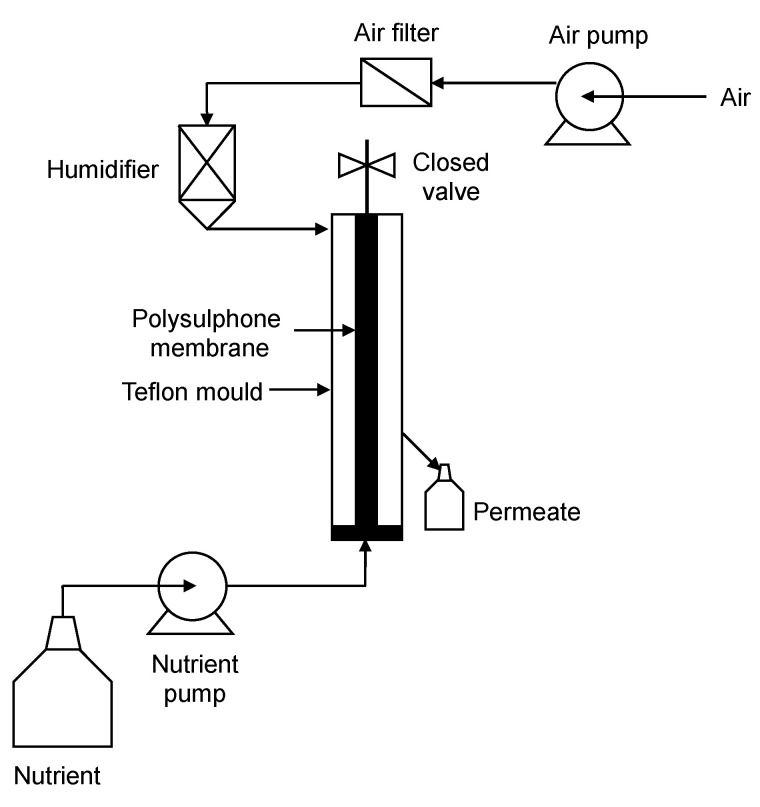
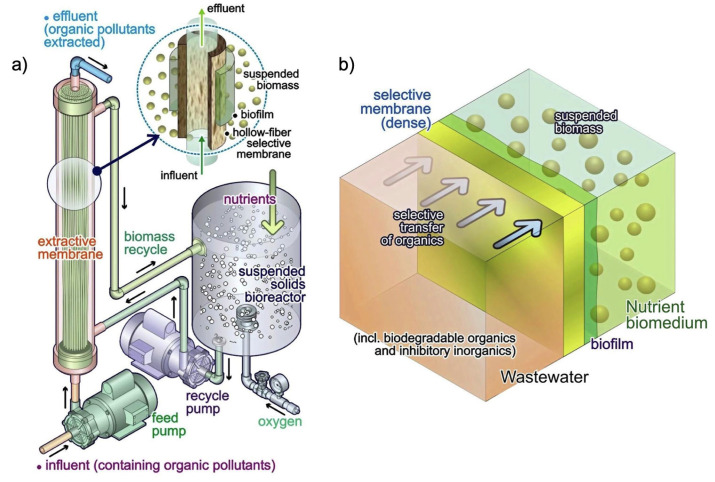
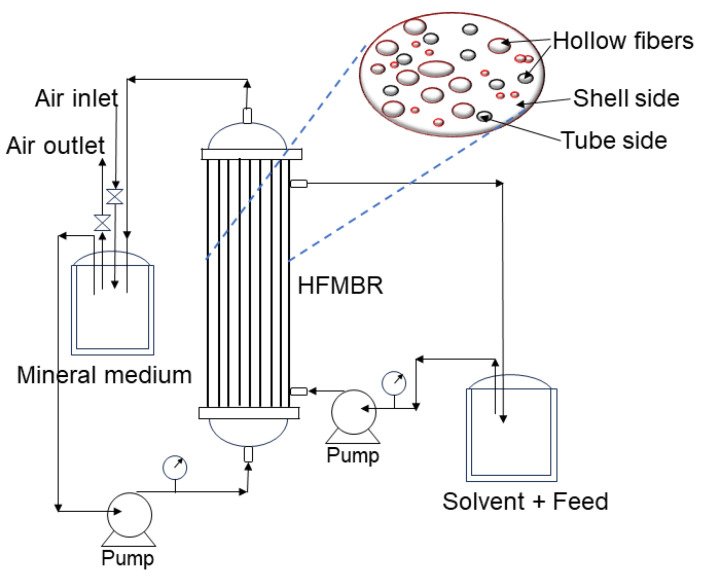
Huge amounts of noxious chemicals from coal and petrochemical refineries and pharmaceutical industries are released into water bodies. These chemicals are highly toxic and cause adverse effects on both aquatic and terrestrial life. The removal of hazardous contaminants from industrial effluents is expensive and environmentally driven. The majority of the technologies applied nowadays for the removal of phenols and other contaminants are based on physio-chemical processes such as solvent extraction, chemical precipitation, and adsorption. The removal efficiency of toxic chemicals, especially phenols, is low with these technologies when the concentrations are very low. Furthermore, the major drawbacks of these technologies are the high operation costs and inadequate selectivity. To overcome these limitations, researchers are applying biological and membrane technologies together, which are gaining more attention because of their ease of use, high selectivity, and effectiveness. In the present review, the microbial degradation of phenolics in combination with intensified membrane bioreactors (MBRs) has been discussed. Important factors, including the origin and mode of phenols' biodegradation as well as the characteristics of the membrane bioreactors for the optimal removal of phenolic contaminants from industrial effluents are considered. The modifications of MBRs for the removal of phenols from various wastewater sources have also been addressed in this review article. The economic analysis on the cost and benefits of MBR technology compared with conventional wastewater treatments is discussed extensively.
煤炭、石化炼油厂和制药行业排放大量有害化学物质到水体中。这些化学物质毒性极强,对水生生物和陆地生物都会产生不利影响。从工业废水中去除有害污染物成本高昂且受环境因素驱动。目前应用的大多数去除酚类及其他污染物的技术基于物理化学过程,如溶剂萃取、化学沉淀和吸附。当浓度极低时,这些技术对有毒化学物质尤其是酚类的去除效率较低。此外,这些技术的主要缺点是运营成本高且选择性不足。为克服这些限制,研究人员将生物和膜技术结合应用,因其使用简便、选择性高且效果显著而受到越来越多关注。在本综述中,讨论了酚类物质与强化膜生物反应器(MBR)结合的微生物降解。考虑了重要因素,包括酚类生物降解的起源和方式以及膜生物反应器从工业废水中最佳去除酚类污染物的特性。本文还探讨了用于从各种废水源去除酚类的MBR的改进。广泛讨论了与传统废水处理相比MBR技术的成本效益经济分析。