Alajroush Waleed A, Alrshid Abdulelah I, Alajlan Ahmed H, Alsalamah Yazeed B, Alhumaidan Mohammed I, Alhoumedan Abeer I, Alrasheed Mansour I, Alowairdhi Yazeed A, Alowirdi Fatimah, Aljoufi Abdulaziz Z, Alsubaie Duhaim S, Alarfaj Nasser H
Department of Pediatric Dermatology, King Abdulaziz Medical City, Riyadh, SAU.
College of Medicine, King Saud University, Riyadh, SAU.
Cureus. 2024 Jan 11;16(1):e52099. doi: 10.7759/cureus.52099. eCollection 2024 Jan.
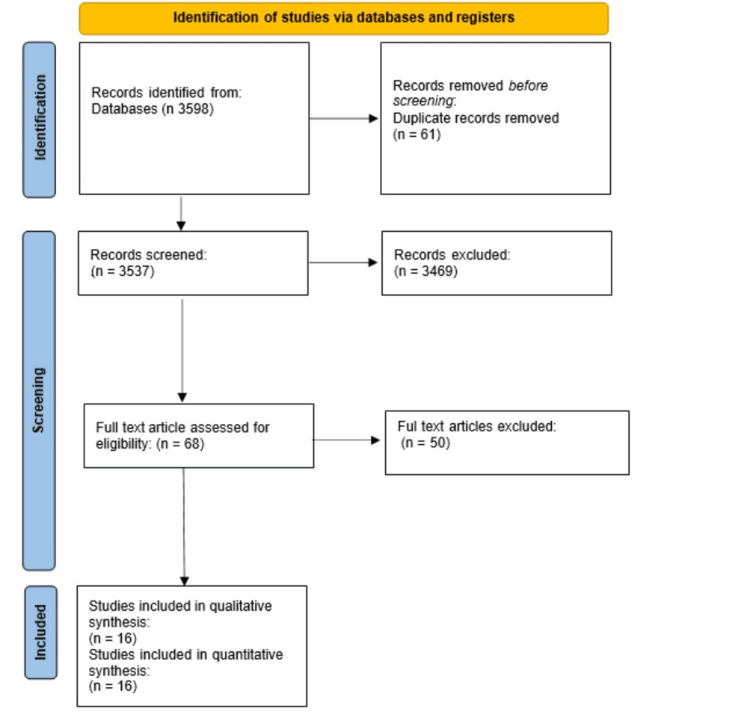
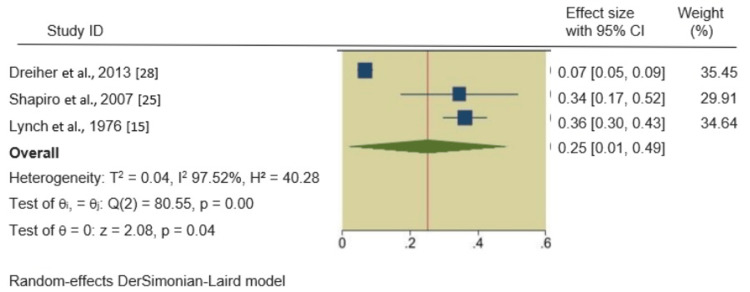
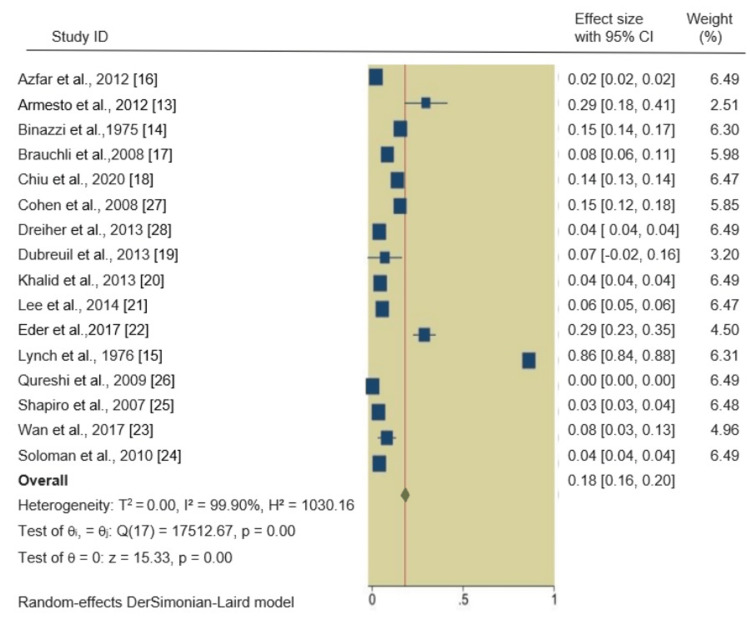
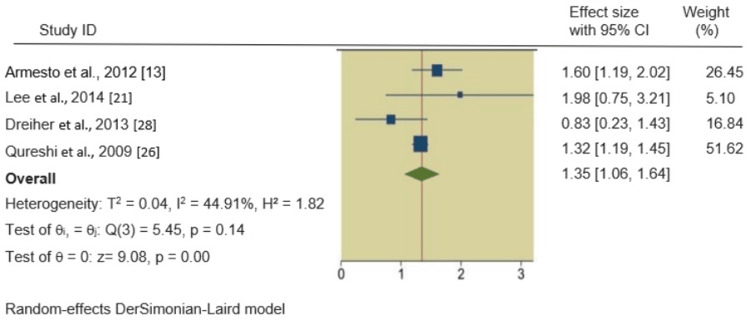
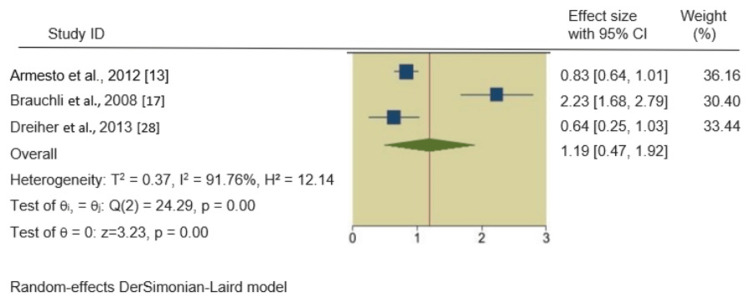
Psoriasis, a chronic inflammatory skin condition, and metabolic disorders, such as obesity, diabetes, and dyslipidemia, have long been recognized as distinct clinical entities. However, emerging evidence suggests a complex bidirectional relationship between these seemingly unrelated conditions. Psoriasis is characterized by an accelerated skin cell turnover, resulting in the formation of erythematous plaques with silvery scales. Metabolic disorders, on the other hand, encompass a range of conditions associated with abnormal metabolic processes, including insulin resistance, dyslipidemia, and chronic low-grade inflammation. It is intriguing to note that psoriasis is commonly associated with several metabolic comorbidities, with a higher prevalence observed in individuals with obesity, type 2 diabetes, and metabolic syndrome. Mounting evidence suggests that chronic inflammation plays a pivotal role in both psoriasis and metabolic disorders. Shared inflammatory mediators, such as tumor necrosis factor-alpha (TNF-α), interleukin-6 (IL-6), and C-reactive protein (CRP), have been implicated in the pathogenesis of both conditions. Moreover, adipose tissue-derived hormones, known as adipokines, including leptin and adiponectin, exert modulatory effects on immune responses and may contribute to the link between psoriasis and metabolic abnormalities. Following Preferred Reporting Items for Systematic Reviews and Meta-Analyses (PRISMA) guidelines, a comprehensive search across databases identified 16 eligible studies (1975-2023), totaling 6,623,379 participants. Inclusion criteria encompassed peer-reviewed observational studies focusing on adults and specified outcomes. Data extraction, quality assessment (Newcastle-Ottawa scale (NOS)), meta-analyses, and heterogeneity evaluations were conducted using rigorous methods. Psoriasis displayed a significant association with diabetes mellitus (DM, 18% increased incidence), hypertension (HTN, 35%), hyperlipidemia (19%), and obesity (25%). Substantial heterogeneity was observed in meta-analyses, particularly for DM. The NOS indicated varied study quality, with some studies categorized as a high or moderate risk of bias.
银屑病是一种慢性炎症性皮肤病,而肥胖、糖尿病和血脂异常等代谢紊乱长期以来一直被视为不同的临床实体。然而,新出现的证据表明,这些看似无关的病症之间存在复杂的双向关系。银屑病的特征是皮肤细胞更新加速,导致形成带有银色鳞屑的红斑斑块。另一方面,代谢紊乱包括一系列与异常代谢过程相关的病症,包括胰岛素抵抗、血脂异常和慢性低度炎症。值得注意的是,银屑病通常与几种代谢合并症相关,在肥胖、2型糖尿病和代谢综合征患者中患病率更高。越来越多的证据表明,慢性炎症在银屑病和代谢紊乱中都起着关键作用。肿瘤坏死因子-α(TNF-α)、白细胞介素-6(IL-6)和C反应蛋白(CRP)等共同的炎症介质与这两种病症的发病机制有关。此外,脂肪组织衍生的激素,即脂肪因子,包括瘦素和脂联素,对免疫反应发挥调节作用,并可能促成银屑病与代谢异常之间的联系。按照系统评价和荟萃分析的首选报告项目(PRISMA)指南,对各数据库进行全面检索,确定了16项符合条件的研究(1975 - 2023年),共有6,623,379名参与者。纳入标准包括针对成年人和特定结局的同行评审观察性研究。使用严格的方法进行数据提取、质量评估(纽卡斯尔-渥太华量表(NOS))、荟萃分析和异质性评估。银屑病与糖尿病(DM,发病率增加18%)、高血压(HTN,35%)、高脂血症(19%)和肥胖(25%)显示出显著关联。在荟萃分析中观察到相当大的异质性,尤其是糖尿病。NOS表明研究质量各不相同,一些研究被归类为高或中度偏倚风险。