Medical Science and Technology Innovation Center, Shandong Provincial Key Medical and Health Laboratory of Ovarian Cancer Multiomics, & Shandong Key Laboratory of Radiation Oncology, Shandong Cancer Hospital and Institute, Shandong First Medical University & Shandong Academy of Medical Sciences, Jinan, Shandong, China.
Medical Science and Technology Innovation Center, Shandong Provincial Key Medical and Health Laboratory of Ovarian Cancer Multiomics, & Shandong Key Laboratory of Radiation Oncology, Shandong Cancer Hospital and Institute, Shandong First Medical University & Shandong Academy of Medical Sciences, Jinan, Shandong, China.
Mol Cell Proteomics. 2024 Mar;23(3):100737. doi: 10.1016/j.mcpro.2024.100737. Epub 2024 Feb 13.
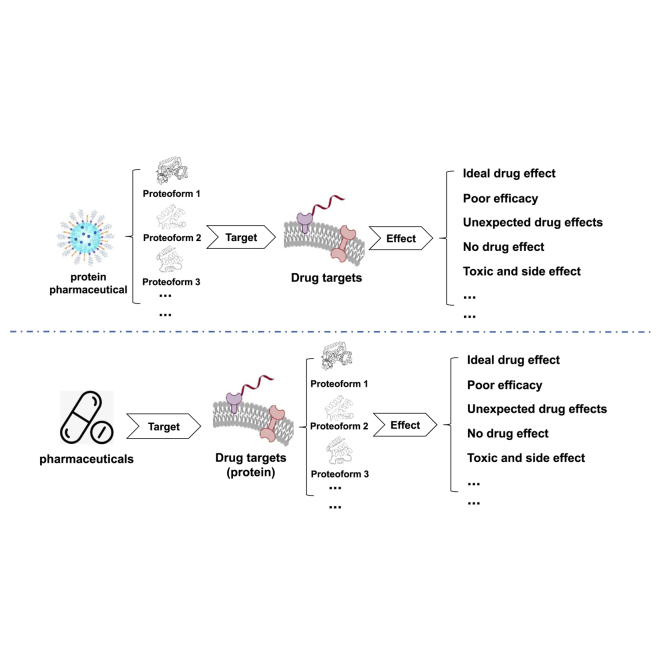
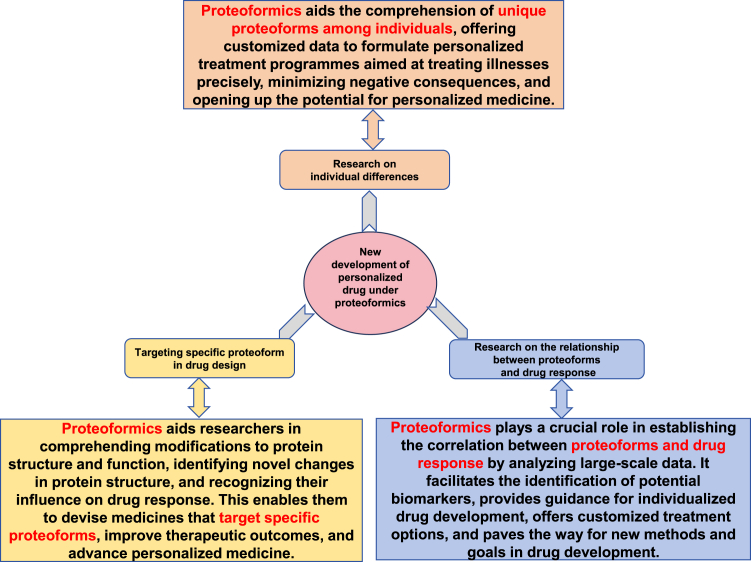
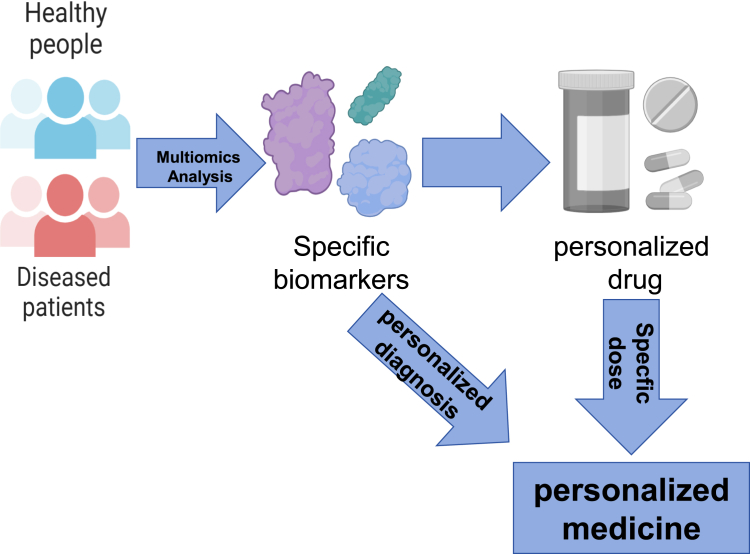
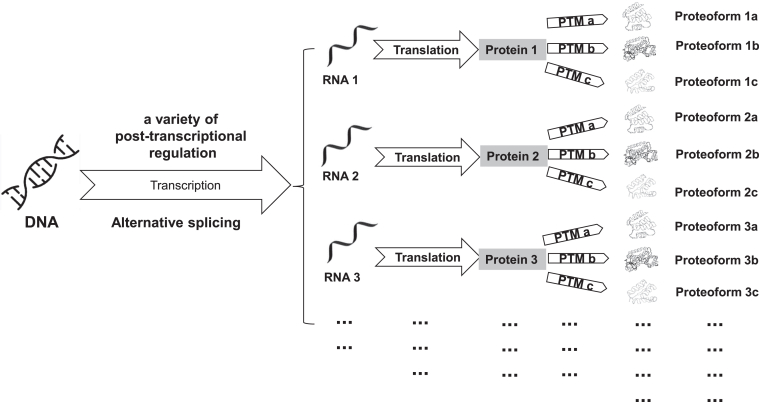
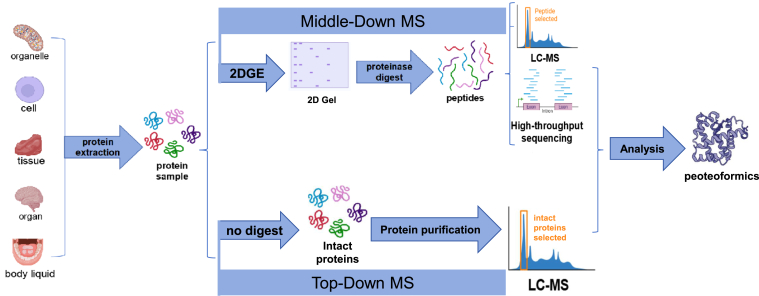
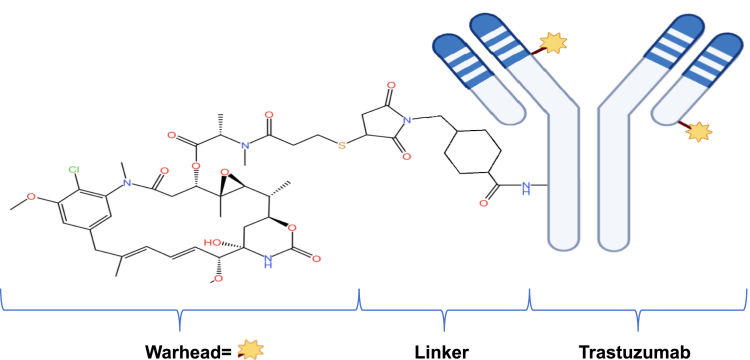
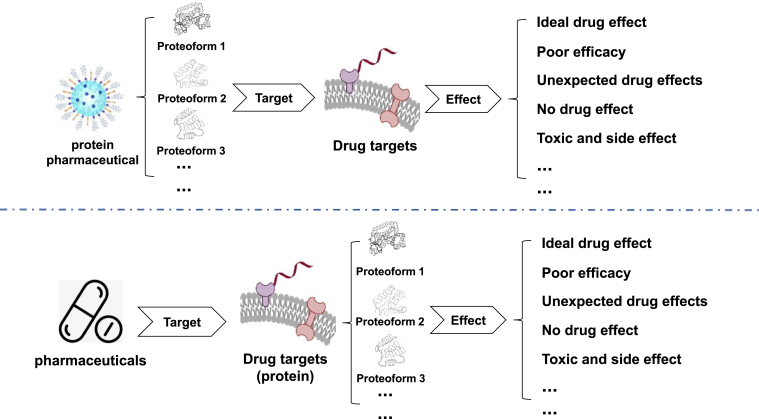
Personalized medicine can reduce adverse effects, enhance drug efficacy, and optimize treatment outcomes, which represents the essence of personalized medicine in the pharmacy field. Protein drugs are crucial in the field of personalized drug therapy and are currently the mainstay, which possess higher target specificity and biological activity than small-molecule chemical drugs, making them efficient in regulating disease-related biological processes, and have significant potential in the development of personalized drugs. Currently, protein drugs are designed and developed for specific protein targets based on patient-specific protein data. However, due to the rapid development of two-dimensional gel electrophoresis and mass spectrometry, it is now widely recognized that a canonical protein actually includes multiple proteoforms, and the differences between these proteoforms will result in varying responses to drugs. The variation in the effects of different proteoforms can be significant and the impact can even alter the intended benefit of a drug, potentially making it harmful instead of lifesaving. As a result, we propose that protein drugs should shift from being targeted through the lens of protein (proteomics) to being targeted through the lens of proteoform (proteoformics). This will enable the development of personalized protein drugs that are better equipped to meet patients' specific needs and disease characteristics. With further development in the field of proteoformics, individualized drug therapy, especially personalized protein drugs aimed at proteoforms as a drug target, will improve the understanding of disease mechanisms, discovery of new drug targets and signaling pathways, provide a theoretical basis for the development of new drugs, aid doctors in conducting health risk assessments and making more cost-effective targeted prevention strategies conducted by artificial intelligence/machine learning, promote technological innovation, and provide more convenient treatment tailored to individualized patient profile, which will benefit the affected individuals and society at large.
个性化药物可以减少不良反应,提高药物疗效,优化治疗效果,这代表了药学领域个性化医学的本质。蛋白质药物在个性化药物治疗领域中至关重要,是目前的主要治疗手段,它们比小分子化学药物具有更高的靶向特异性和生物活性,能够高效调节与疾病相关的生物过程,在个性化药物的开发方面具有显著的潜力。目前,蛋白质药物是根据患者特定的蛋白质数据针对特定的蛋白质靶标进行设计和开发的。然而,由于二维凝胶电泳和质谱技术的快速发展,现在人们普遍认为,一个规范的蛋白质实际上包含多个蛋白质形式,这些蛋白质形式的差异会导致对药物的反应不同。不同蛋白质形式的效果变化可能非常显著,甚至会改变药物的预期疗效,使其从救命药变成毒药。因此,我们建议将蛋白质药物的靶点从蛋白质(蛋白质组学)层面转移到蛋白质形式(蛋白质形式组学)层面。这将使个性化蛋白质药物的开发更能满足患者的特定需求和疾病特征。随着蛋白质形式组学领域的进一步发展,个体化药物治疗,特别是针对蛋白质形式作为药物靶点的个性化蛋白质药物,将提高对疾病机制的认识,发现新的药物靶点和信号通路,为新药的开发提供理论基础,辅助医生进行健康风险评估和更具成本效益的人工智能/机器学习靶向预防策略,促进技术创新,提供更方便的个体化患者特征治疗,使患者和整个社会受益。