Department of Occupational Health, School of Health, Kashan University of Medical Sciences, Kashan, Iran.
Department of Mechanical and Industrial Engineering, College of Engineering and Computers in Al-Qunfudah , Umm Al- Qura University, 21955, Makkah, Saudi Arabia.
BMC Public Health. 2024 Feb 14;24(1):468. doi: 10.1186/s12889-024-17911-5.
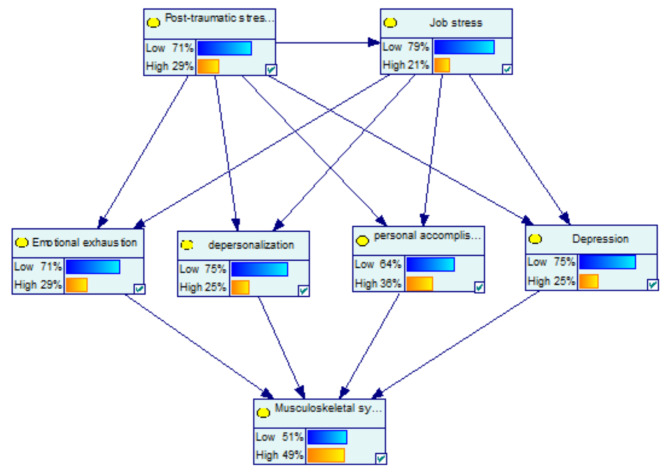
Job stress, post-traumatic stress disorder (PTSD), and negative psychological outcomes in firefighters can be caused, or aggravated, by their work. These mental disorders can impart musculoskeletal symptoms. This study aimed to investigate relationships between musculoskeletal and psychological disorders in a population of firefighters using a Bayesian network model.
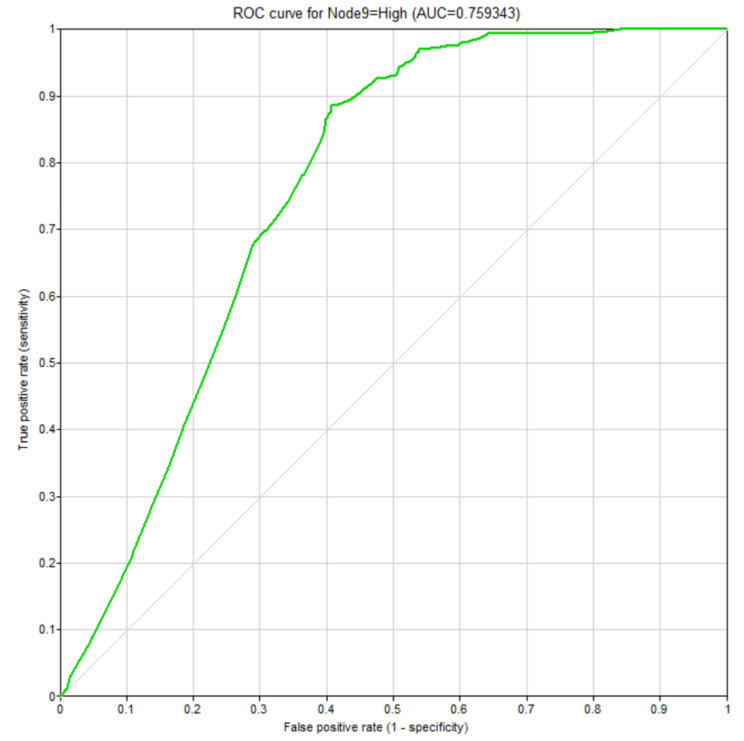
This cross-sectional study, conducted in 2022, included 2339 firefighters who completed questionnaires during their rest periods. The questionnaires comprised of demographical information, the Occupational Stress Questionnaire-HSE, the PTSD Checklist, Maslach Burnout Inventory, Center for Epidemiologic Studies - Depression scale (CES-D), and Nordic Musculoskeletal Questionnaire. GeNIe academic software was used to analyze the Bayesian network.
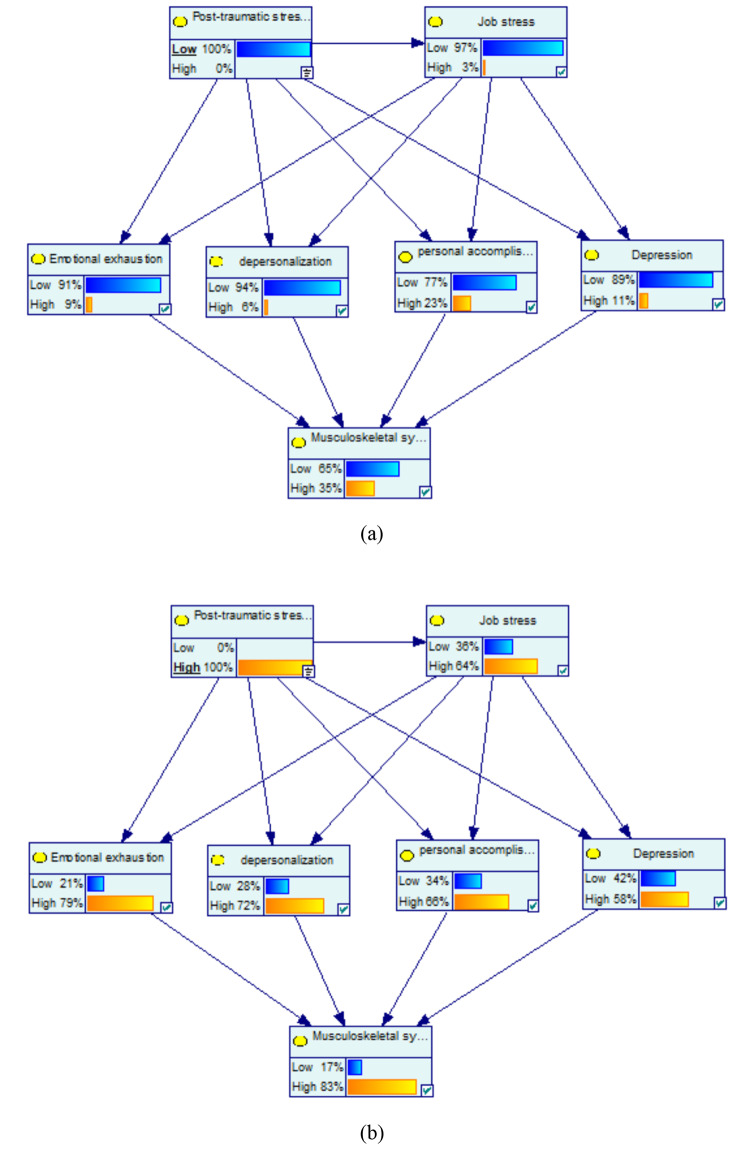
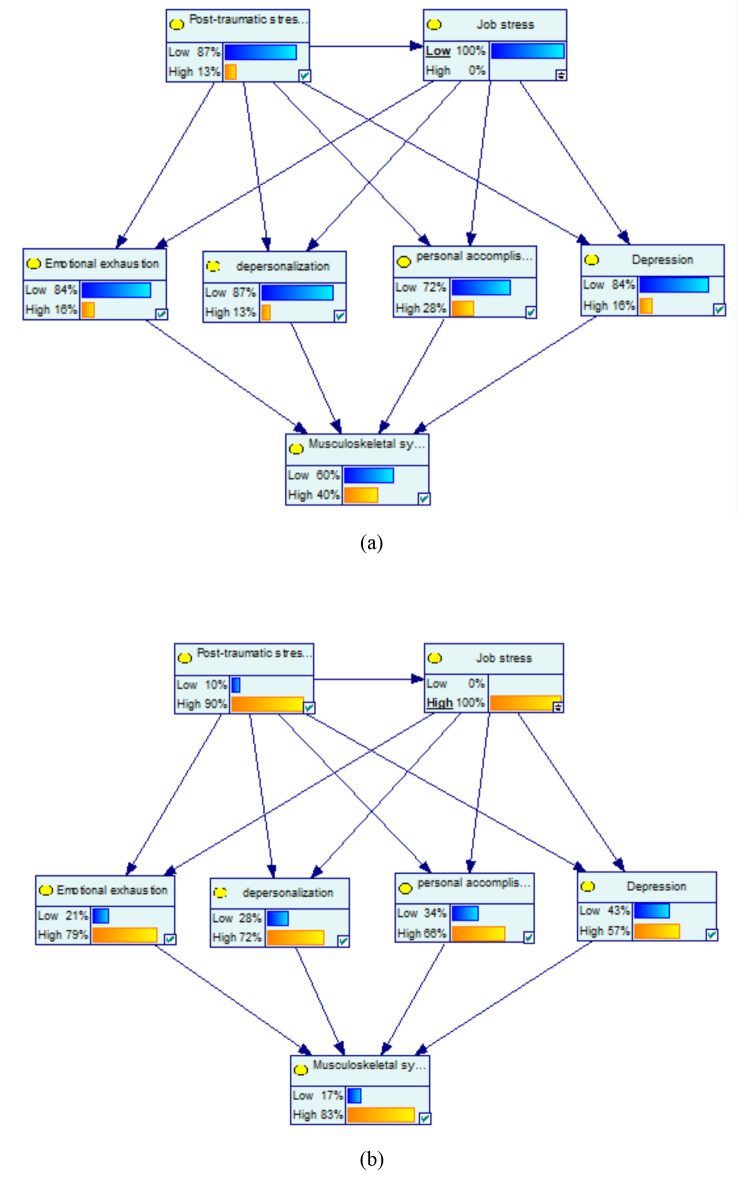
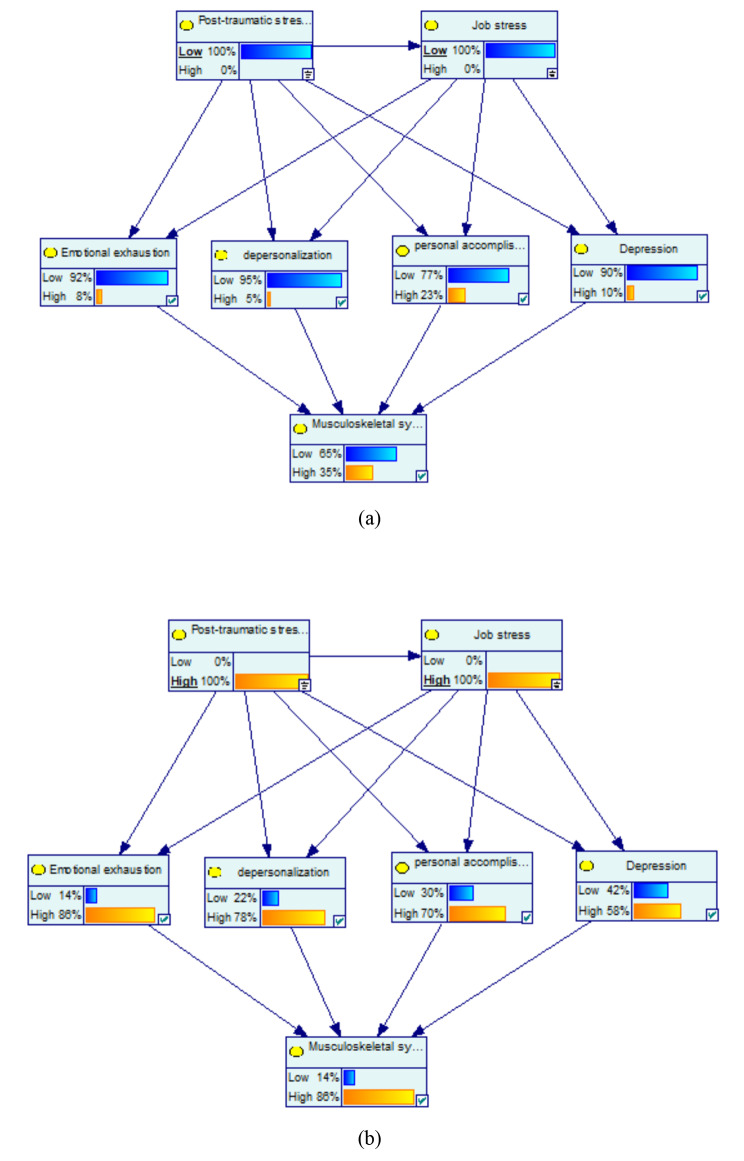
High job stress and high PTSD each increased the probability of musculoskeletal symptoms by 34%. When combined, high job stress and high PTSD increased the probability of musculoskeletal symptoms by 37%. Among the mediator's burnout and depression, depression had the highest association with musculoskeletal symptoms.
Job stress and PTSD can increase musculoskeletal symptoms and are influenced by psychological mediators (like burnout and depression). Adopting preventive and therapeutic measures to mitigate job stress and PTSD, mitigate and rehabilitate WMSD, and manage associated mediators are critical for the mental and physical health of firefighters.
工作压力、创伤后应激障碍(PTSD)和消防员的负面心理后果可能是由他们的工作引起的,也可能会加重这些心理障碍。这些精神障碍会导致肌肉骨骼症状。本研究旨在使用贝叶斯网络模型调查消防员人群中肌肉骨骼和心理障碍之间的关系。
这是一项横断面研究,于 2022 年进行,共纳入 2339 名消防员,他们在休息期间完成了问卷调查。问卷包括人口统计学信息、职业压力问卷-HSE、创伤后应激障碍检查表、马斯拉赫倦怠量表、流行病学研究中心抑郁量表(CES-D)和北欧肌肉骨骼问卷。使用 GeNIe 学术软件分析贝叶斯网络。
高工作压力和高 PTSD 都会使肌肉骨骼症状的概率增加 34%。当两者结合时,肌肉骨骼症状的概率会增加 37%。在中介的倦怠和抑郁中,抑郁与肌肉骨骼症状的关联最高。
工作压力和 PTSD 会增加肌肉骨骼症状,并受心理中介因素(如倦怠和抑郁)的影响。采取预防和治疗措施来减轻工作压力和 PTSD,减轻和康复 WMSD,并管理相关的中介因素,对消防员的身心健康至关重要。