College of Animal Science and Technology, Northwest A&F University, Yangling, China; Department of Molecular Biosciences, The Wenner-Gren Institute, Stockholm University, Stockholm, Sweden.
Department of Molecular Biosciences, The Wenner-Gren Institute, Stockholm University, Stockholm, Sweden.
J Biol Chem. 2024 Mar;300(3):105760. doi: 10.1016/j.jbc.2024.105760. Epub 2024 Feb 16.
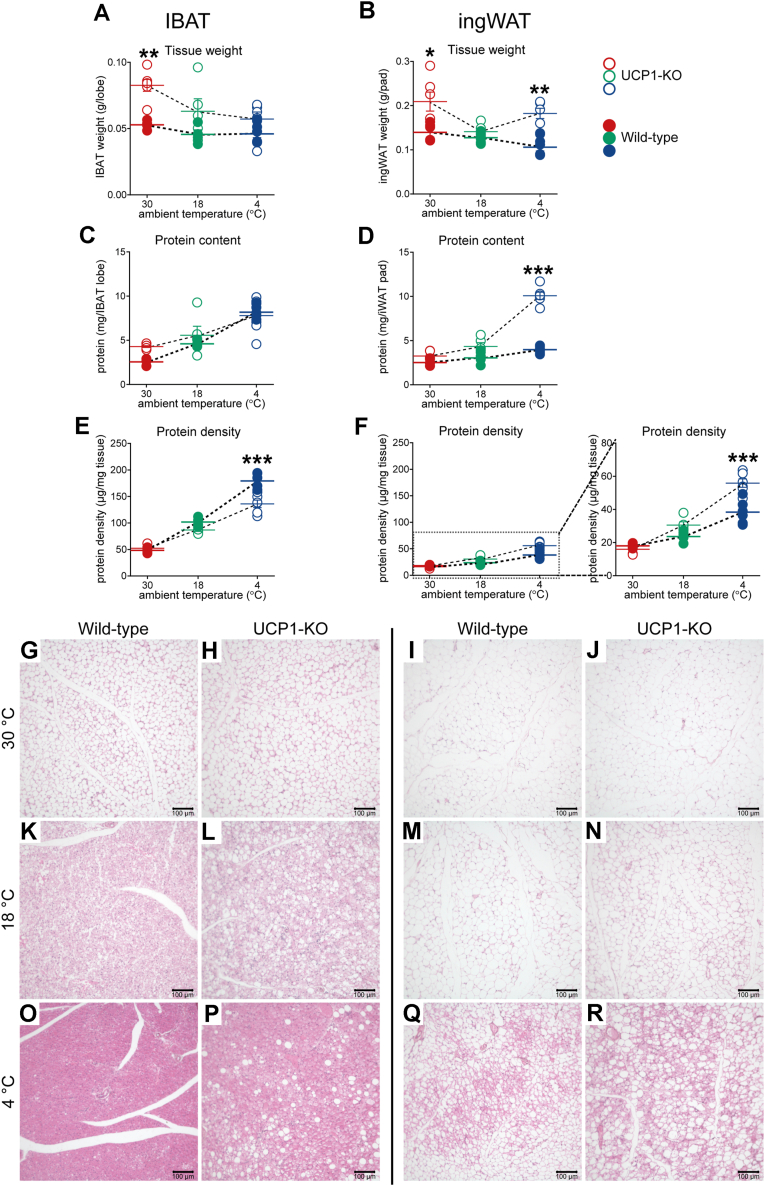
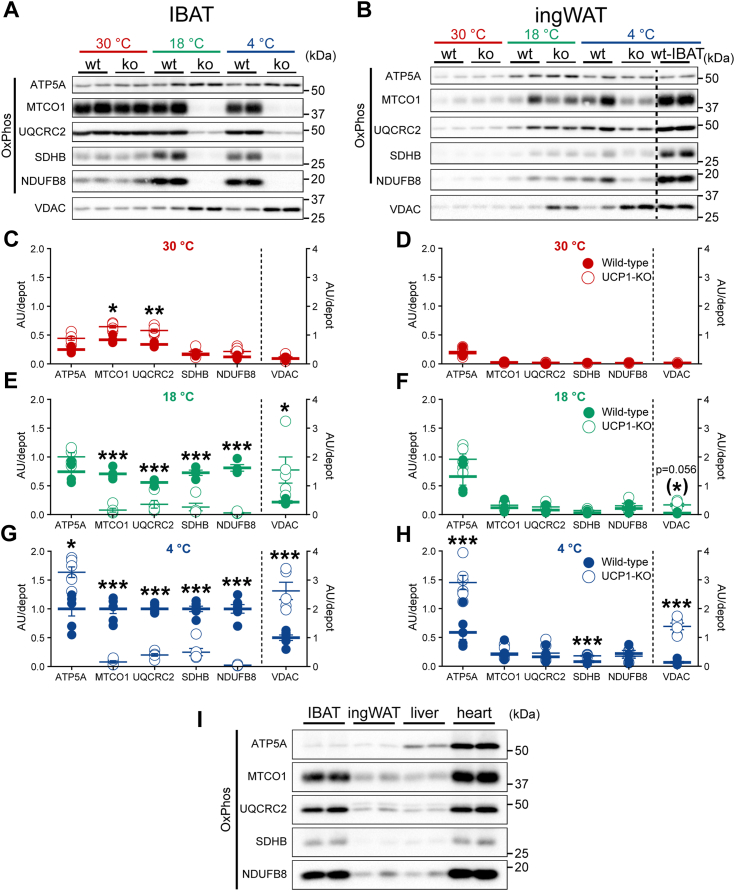
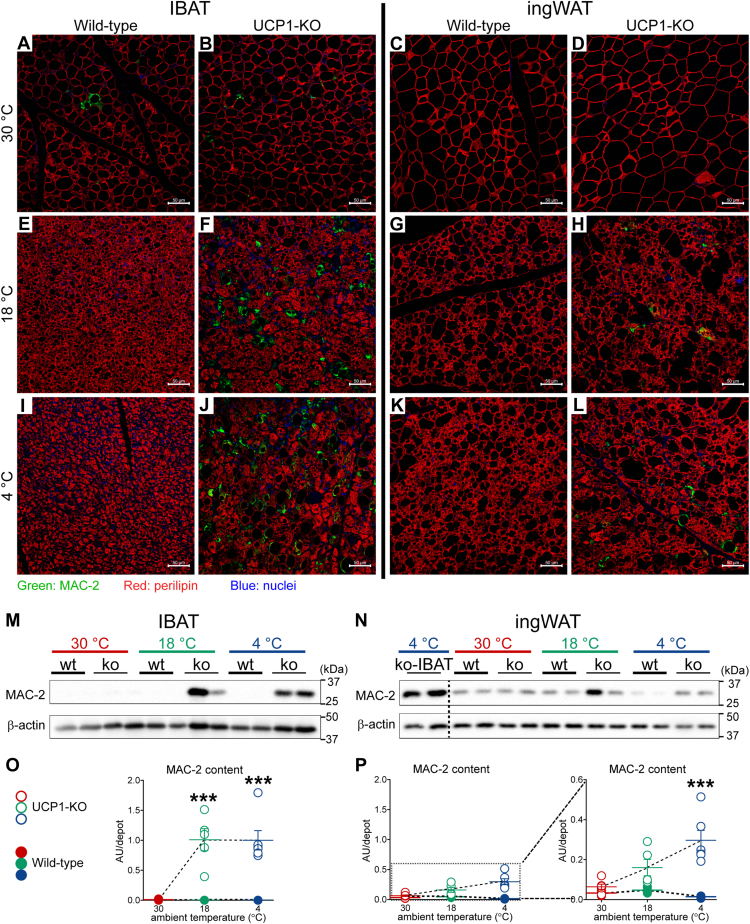
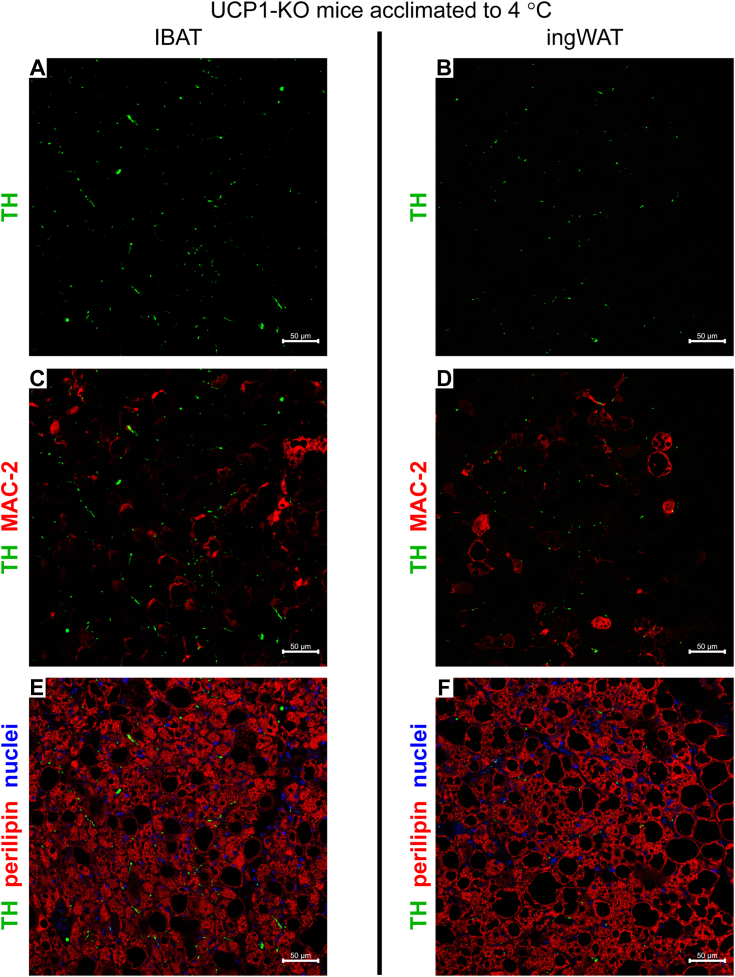
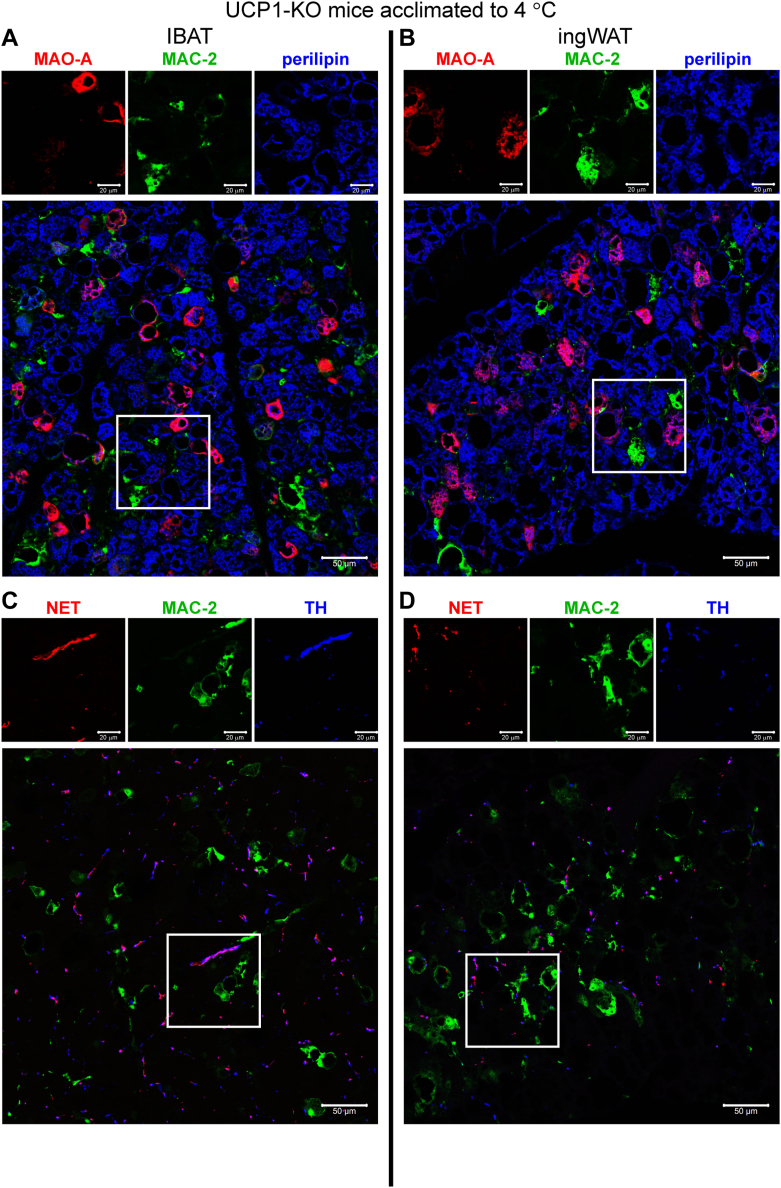
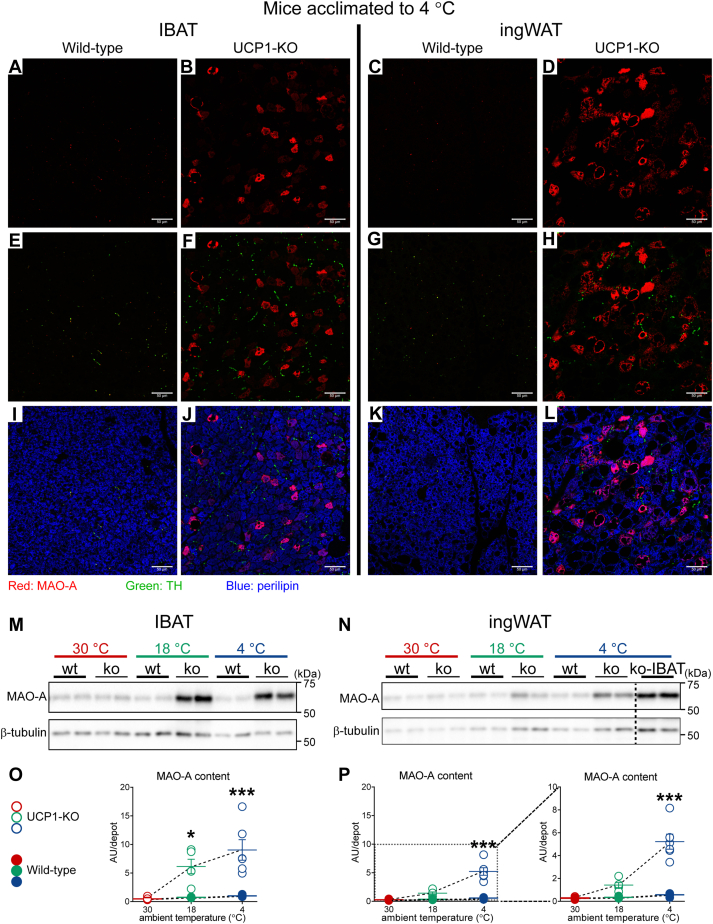
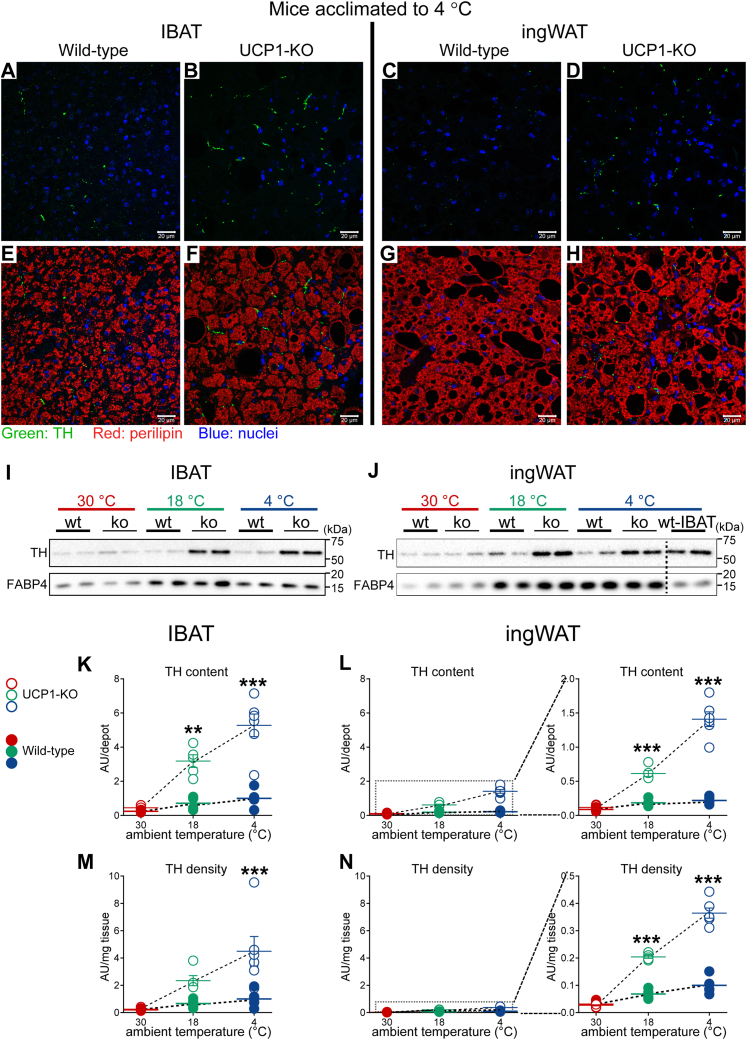
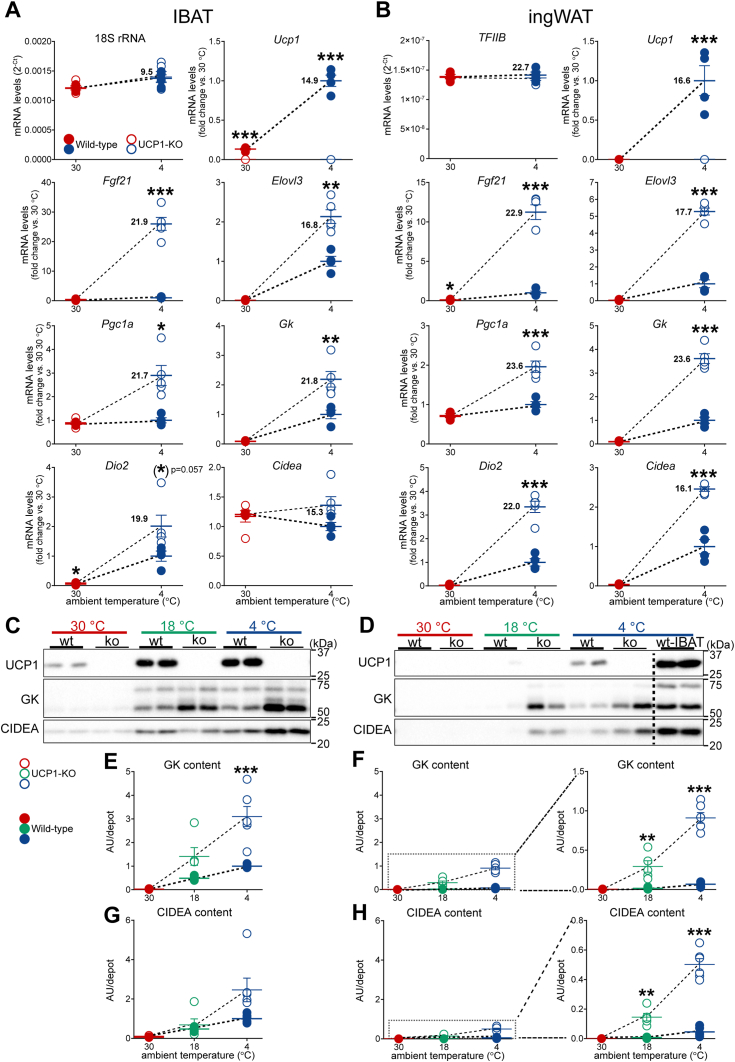
In the cold, the absence of the mitochondrial uncoupling protein 1 (UCP1) results in hyper-recruitment of beige fat, but classical brown fat becomes atrophied. Here we examine possible mechanisms underlying this phenomenon. We confirm that in brown fat from UCP1-knockout (UCP1-KO) mice acclimated to the cold, the levels of mitochondrial respiratory chain proteins were diminished; however, in beige fat, the mitochondria seemed to be unaffected. The macrophages that accumulated massively not only in brown fat but also in beige fat of the UCP1-KO mice acclimated to cold did not express tyrosine hydroxylase, the norepinephrine transporter (NET) and monoamine oxidase-A (MAO-A). Consequently, they could not influence the tissues through the synthesis or degradation of norepinephrine. Unexpectedly, in the cold, both brown and beige adipocytes from UCP1-KO mice acquired an ability to express MAO-A. Adipose tissue norepinephrine was exclusively of sympathetic origin, and sympathetic innervation significantly increased in both tissues of UCP1-KO mice. Importantly, the magnitude of sympathetic innervation and the expression levels of genes induced by adrenergic stimulation were much higher in brown fat. Therefore, we conclude that no qualitative differences in innervation or macrophage character could explain the contrasting reactions of brown versus beige adipose tissues to UCP1-ablation. Instead, these contrasting responses may be explained by quantitative differences in sympathetic innervation: the beige adipose depot from the UCP1-KO mice responded to cold acclimation in a canonical manner and displayed enhanced recruitment, while the atrophy of brown fat lacking UCP1 may be seen as a consequence of supraphysiological adrenergic stimulation in this tissue.
在寒冷环境中,缺失线粒体解偶联蛋白 1(UCP1)会导致米色脂肪大量募集,但经典的棕色脂肪会发生萎缩。在这里,我们研究了这种现象背后可能的机制。我们证实,在适应寒冷环境的 UCP1 敲除(UCP1-KO)小鼠的棕色脂肪中,线粒体呼吸链蛋白的水平降低;然而,在米色脂肪中,线粒体似乎没有受到影响。大量积聚的巨噬细胞不仅在 UCP1-KO 小鼠的棕色脂肪中,而且在适应寒冷环境的米色脂肪中都不表达酪氨酸羟化酶、去甲肾上腺素转运体(NET)和单胺氧化酶-A(MAO-A)。因此,它们无法通过去甲肾上腺素的合成或降解来影响组织。出乎意料的是,在寒冷环境中,UCP1-KO 小鼠的棕色和米色脂肪细胞都获得了表达 MAO-A 的能力。脂肪组织中的去甲肾上腺素仅来自交感神经,UCP1-KO 小鼠的两种组织中的交感神经支配都显著增加。重要的是,交感神经支配的程度和肾上腺素刺激诱导的基因表达水平在棕色脂肪中更高。因此,我们得出结论,支配或巨噬细胞特征的定性差异不能解释棕色脂肪与米色脂肪组织对 UCP1 缺失的反应截然不同。相反,这些相反的反应可能可以通过交感神经支配的定量差异来解释:UCP1-KO 小鼠的米色脂肪组织对寒冷适应以典型方式做出反应并显示出增强的募集,而缺乏 UCP1 的棕色脂肪的萎缩可能被视为该组织中超生理肾上腺素刺激的结果。