Miao Huixian, Meng Huangyang, Zhang Yashuang, Chen Tian, Zhang Lin, Cheng Wenjun
Department of Gynecology, the First Affiliated Hospital of Nanjing Medical University, Jiangsu Province Hospital, Nanjing, 210029, Jiangsu, China.
Cell Death Differ. 2024 Apr;31(4):497-510. doi: 10.1038/s41418-024-01263-z. Epub 2024 Feb 19.
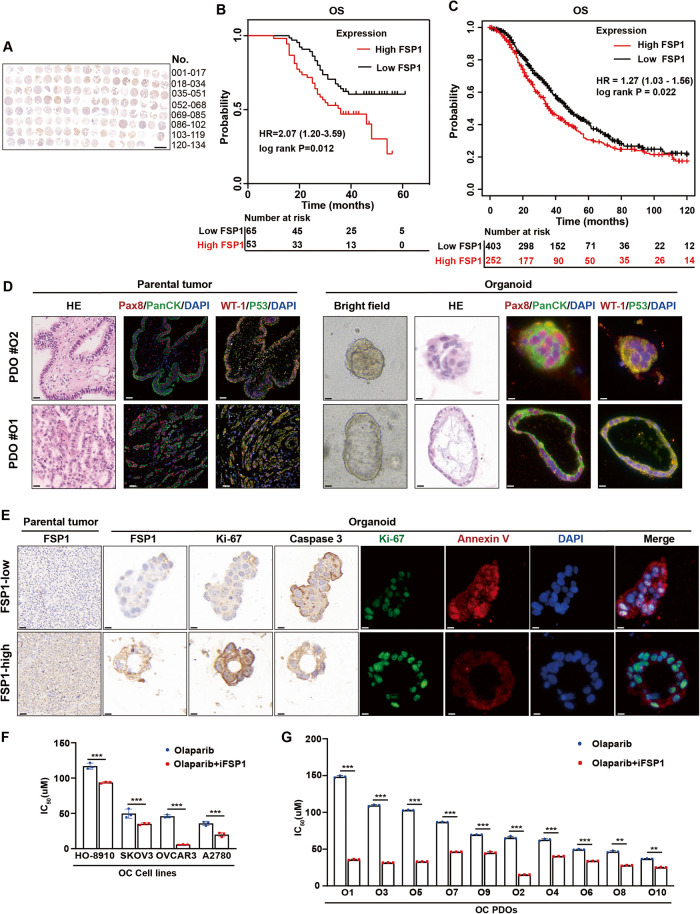
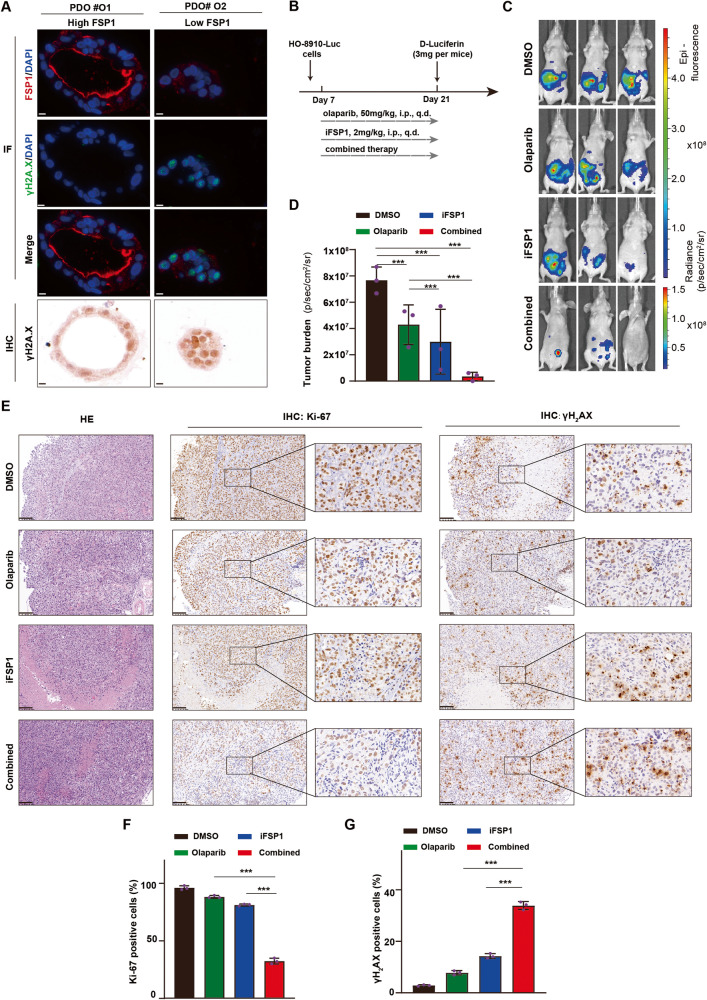
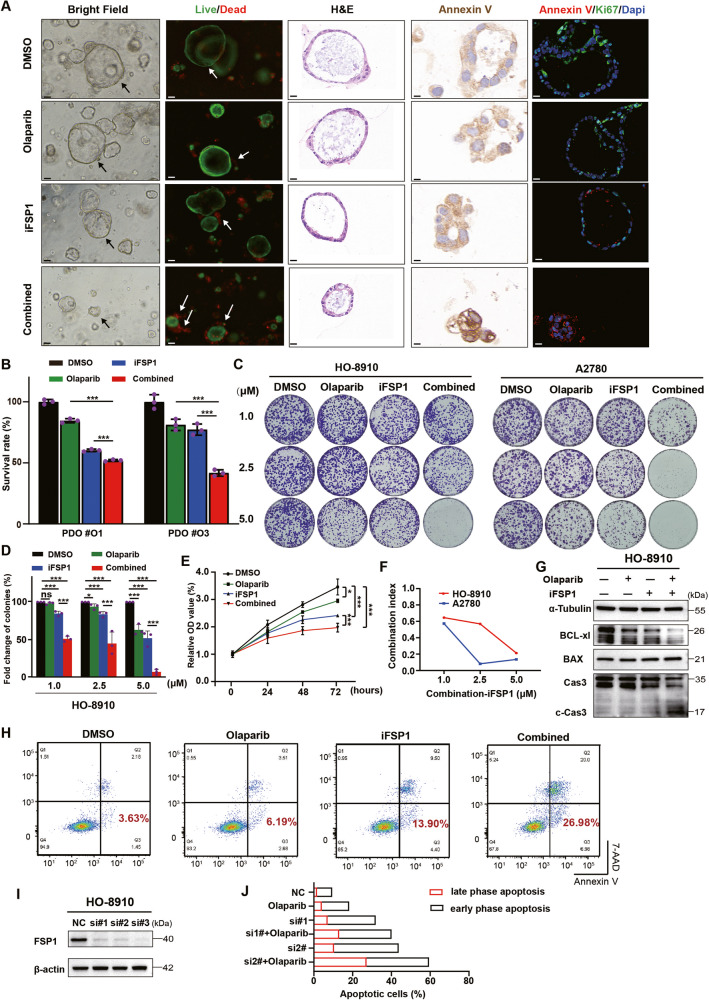
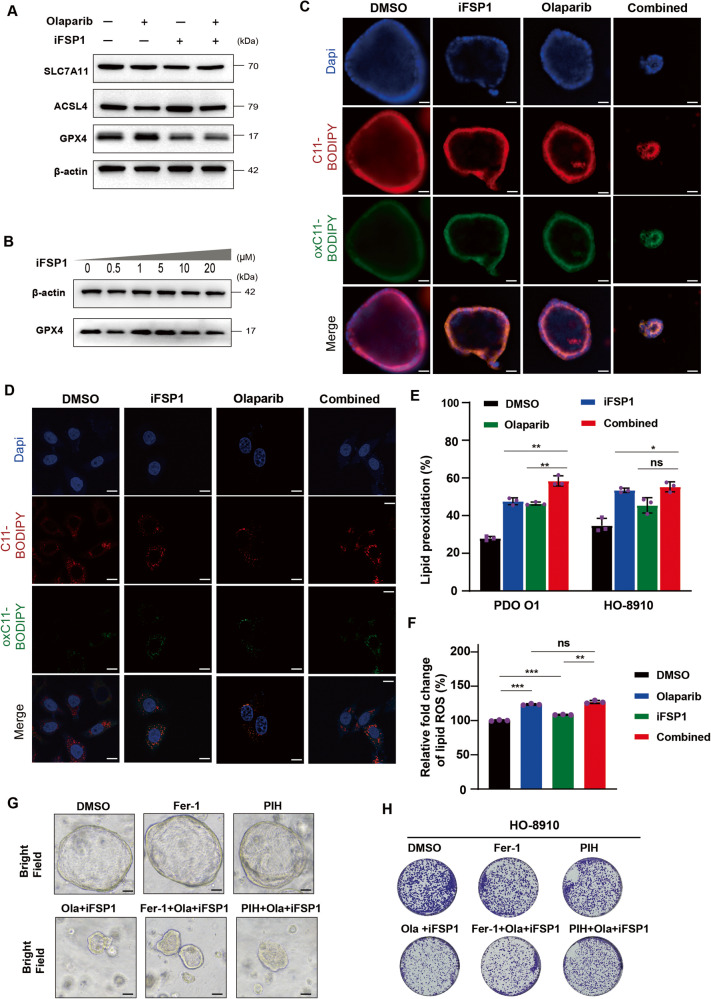
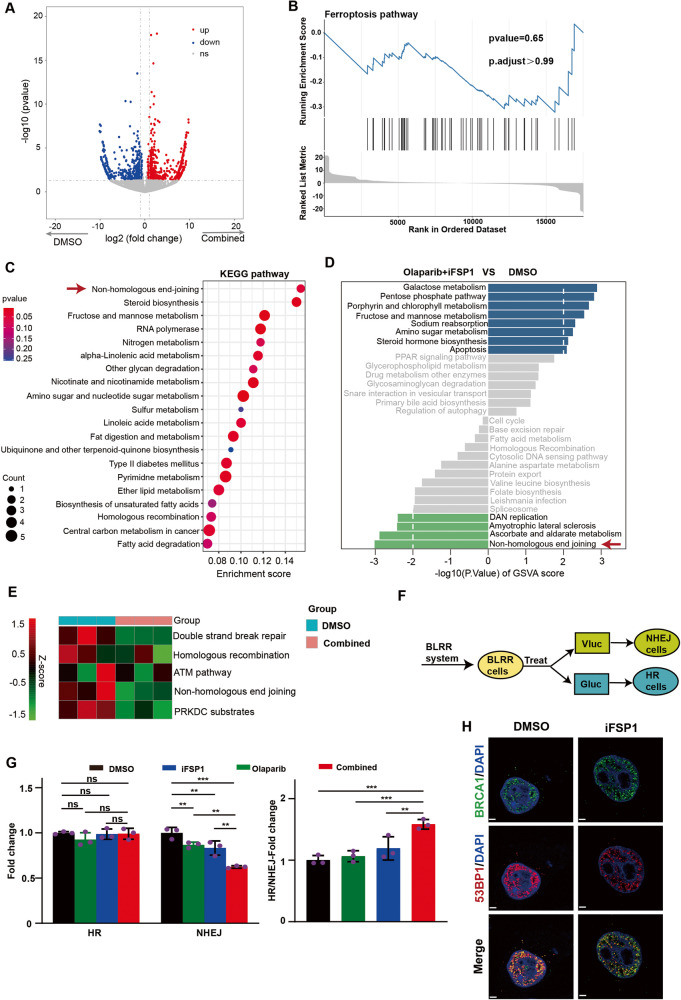
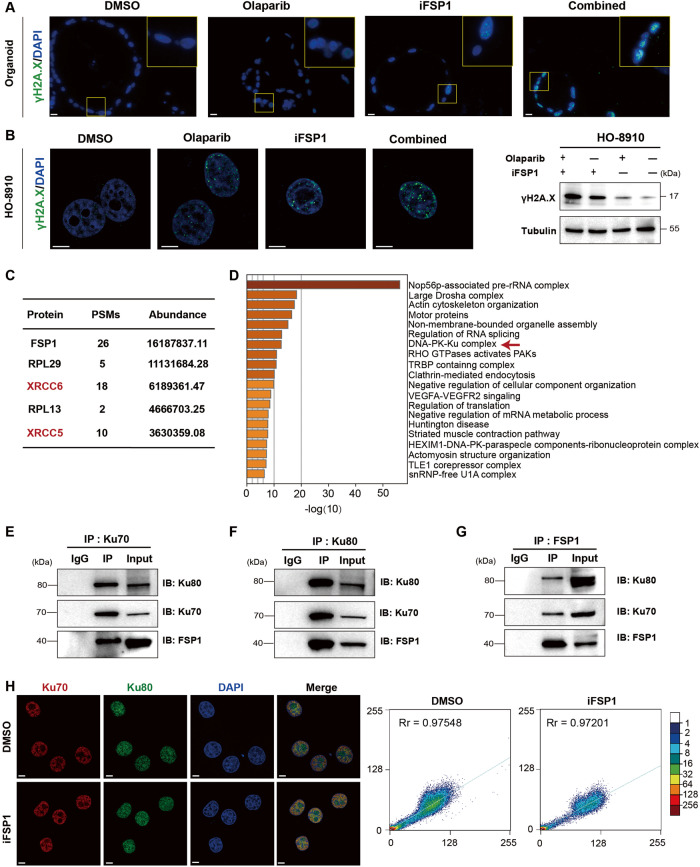
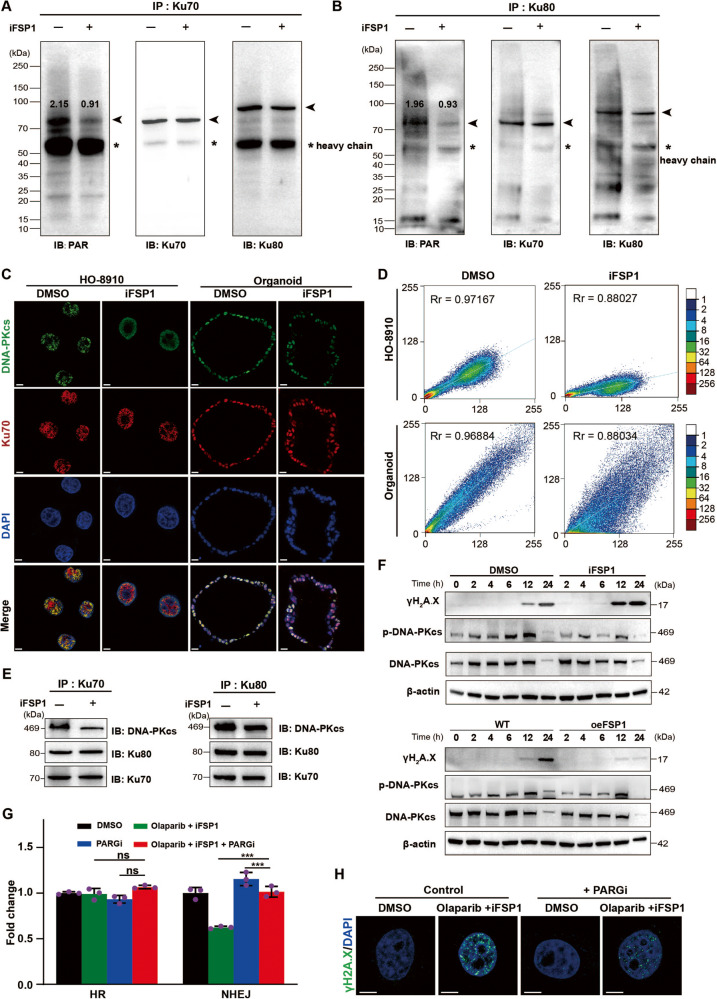
Poly ADP-ribose polymerase inhibitors (PARPis) exhibit promising efficacy in patients with BRCA mutations or homologous repair deficiency (HRD) in ovarian cancer (OC). However, less than 40% of patients have HRD, it is vital to expand the indications for PARPis in BRCA-proficient patients. Ferroptosis suppressor protein 1 (FSP1) is a key protein in a newly identified ferroptosis-protective mechanism that occurs in parallel with the GPX4-mediated pathway and is associated with chemoresistance in several cancers. Herein, FSP1 is reported to be negatively correlated with the prognosis in OC patients. Combination therapy comprising olaparib and iFSP1 (a FSP1 inhibitor) strongly inhibited tumour proliferation in BRCA-proficient OC cell lines, patient-derived organoids (PDOs) and xenograft mouse models. Surprisingly, the synergistic killing effect could not be reversed by ferroptosis inhibitors, indicating that mechanisms other than ferroptosis were responsible for the synergistic lethality. In addition, cotreatment was shown to induce increased γH2A.X foci and to impair nonhomologous end joining (NHEJ) activity to a greater extent than did any single drug. Mass spectrometry and immunoprecipitation analyses revealed that FSP1 interacted with Ku70, a classical component recruited to and occupying the end of double-strand breaks (DSBs) in the NHEJ process. FSP1 inhibition decreased Ku70 PARylation, impaired subsequent DNA-PKcs recruitment to the Ku complex at DSB sites and was rescued by restoring PARylation. These findings unprecedentedly reveal a novel role of FSP1 in DNA damage repair and provide new insights into how to sensitize OC patients to PARPi treatment.
聚(ADP - 核糖)聚合酶抑制剂(PARPis)在患有卵巢癌(OC)的BRCA突变或同源修复缺陷(HRD)患者中显示出有前景的疗效。然而,不到40%的患者存在HRD,因此扩大PARPis在BRCA功能正常患者中的适应症至关重要。铁死亡抑制蛋白1(FSP1)是一种新发现的铁死亡保护机制中的关键蛋白,该机制与GPX4介导的途径并行发生,并且与几种癌症的化疗耐药性相关。在此,据报道FSP1与OC患者的预后呈负相关。奥拉帕利和iFSP1(一种FSP1抑制剂)的联合治疗在BRCA功能正常的OC细胞系、患者来源的类器官(PDOs)和异种移植小鼠模型中强烈抑制肿瘤增殖。令人惊讶的是,铁死亡抑制剂无法逆转这种协同杀伤作用,表明除铁死亡之外的机制导致了协同致死性。此外,联合治疗显示比任何单一药物都能诱导更多的γH2A.X焦点,并在更大程度上损害非同源末端连接(NHEJ)活性。质谱和免疫沉淀分析表明,FSP1与Ku70相互作用,Ku70是在NHEJ过程中被招募并占据双链断裂(DSBs)末端的经典成分。FSP1抑制降低了Ku70的聚(ADP - 核糖)化,损害了随后DNA - PKcs在DSB位点向Ku复合物的募集,并且通过恢复聚(ADP - 核糖)化得以挽救。这些发现前所未有的揭示了FSP1在DNA损伤修复中的新作用,并为如何使OC患者对PARPi治疗敏感提供了新的见解。