Department of Neurology, Massachusetts General Hospital, 55 Fruit St, Wang Ambulatory Care Center 708, Boston, MA, 02114, USA.
Division of Clinical Research, Massachusetts General Hospital, 55 Fruit St, Boston, MA, 02114, USA.
Orphanet J Rare Dis. 2024 Feb 20;19(1):79. doi: 10.1186/s13023-024-03083-3.
TBL1XR1 encodes a F-box-like/WD40 repeat-containing protein that plays a role in transcription mediated by nuclear receptors and is a known genetic cause of neurodevelopmental disease of childhood (OMIM# 608628). Yet the developmental trajectory and progression of neurologic symptoms over time remains poorly understood.
We developed and distributed a survey to two closed Facebook groups devoted to families of patients with TBL1XR1-related disorder. The survey consisted of 14 subsections focused upon the developmental trajectories of cognitive, behavioral, motor, and other neurological abnormalities. Data were collected and managed using REDCap electronic data capture tools.
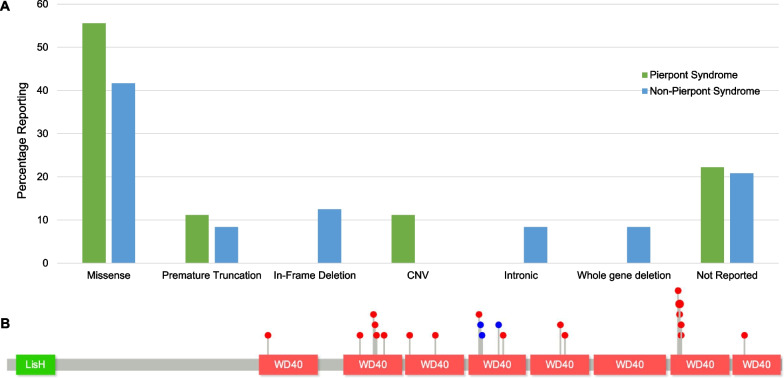
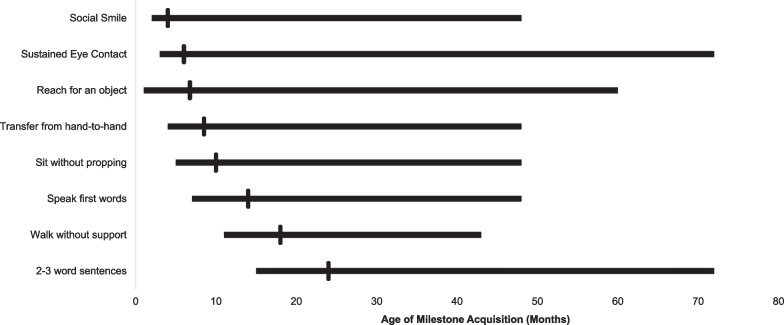
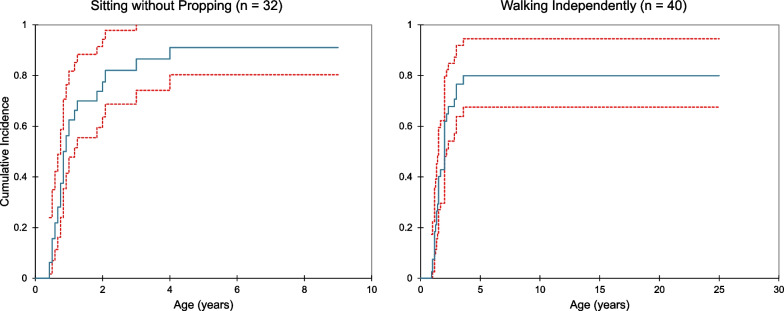
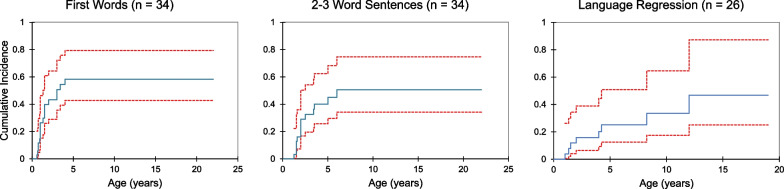
Caregivers of 41 patients with a TBL1XR1-related disorder completed the cross-sectional survey. All reported variants affecting a single amino acid, including missense mutations and in-frame deletions, were found in the WD40 repeat regions of Tbl1xr1. These are domains considered important for protein-protein interactions that may plausibly underlie disease pathology. The majority of patients were diagnosed with a neurologic condition before they received their genetic diagnosis. Language appeared most significantly affected with only a minority of the cohort achieving more advanced milestones in this domain.
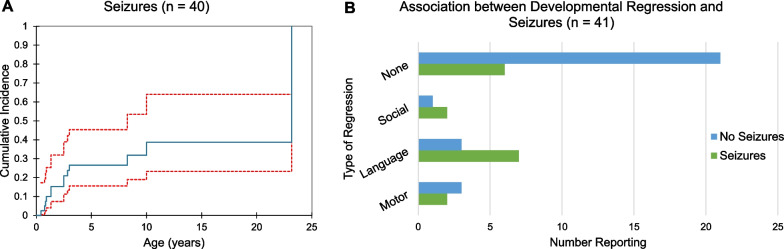
TBL1XR1-related disorder encompasses a spectrum of clinical presentations, marked by early developmental delay ranging in severity, with a subset of patients experiencing developmental regression in later childhood.
TBL1XR1 编码一种 F 盒样/WD40 重复蛋白,在核受体介导的转录中发挥作用,是儿童神经发育疾病的已知遗传原因(OMIM#608628)。然而,神经症状随时间的发展轨迹和进展仍知之甚少。
我们开发并向两个专注于 TBL1XR1 相关疾病患者家庭的封闭 Facebook 群组分发了一份调查。该调查由 14 个部分组成,重点关注认知、行为、运动和其他神经异常的发展轨迹。使用 REDCap 电子数据捕获工具收集和管理数据。
41 名 TBL1XR1 相关疾病患者的照顾者完成了横断面调查。所有报告的影响单个氨基酸的变异,包括错义突变和框内缺失,都位于 Tbl1xr1 的 WD40 重复区。这些结构域被认为对蛋白质-蛋白质相互作用很重要,这可能是疾病发病机制的基础。大多数患者在接受基因诊断之前被诊断为神经疾病。语言似乎受到的影响最大,只有少数患者在这一领域达到了更高级的里程碑。
TBL1XR1 相关疾病包括一系列临床表现,以严重程度不同的早期发育迟缓为特征,一部分患者在儿童后期经历发育倒退。