Nguyen Thanh Liem, Thu Le Huong, Thi Nguyen Quyen, Van Ngo Doan, Gia Hoang Du, Thi Nguyen Phuong-Anh, Bui Viet-Anh, T M Dam Phuong
Vinmec Research Institute of Stem Cell and Gene Technology, Vinmec Healthcare System, Hanoi, Viet Nam.
College of Health Science, Vin University, Vinhomes Ocean Park, Gia Lam District, Hanoi 12400, Viet Nam.
Heliyon. 2024 Feb 10;10(4):e25920. doi: 10.1016/j.heliyon.2024.e25920. eCollection 2024 Feb 29.
Subdural hematoma following spinal anesthesia for cesarean delivery is a rare complication. Surgical removal of the hematoma is the standard treatment. However, there are still many patients who suffer permanent nerve damage of varying degrees after surgery. Cell therapy has recently shown great potential for treating nerve damage.
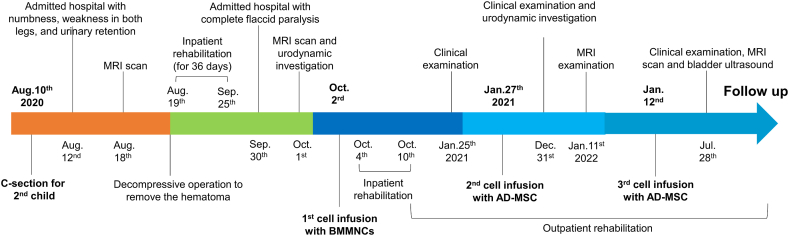
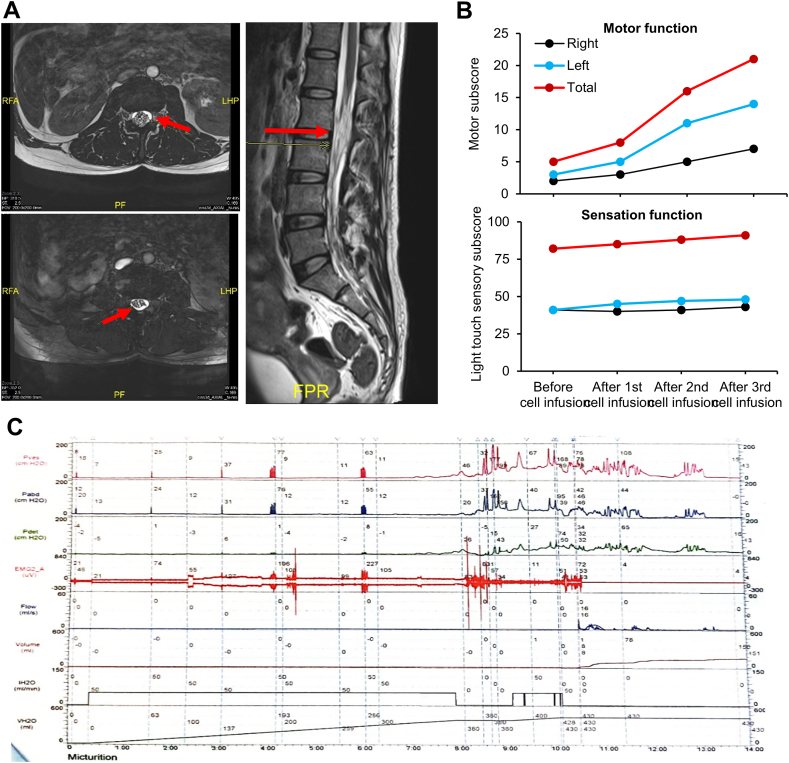
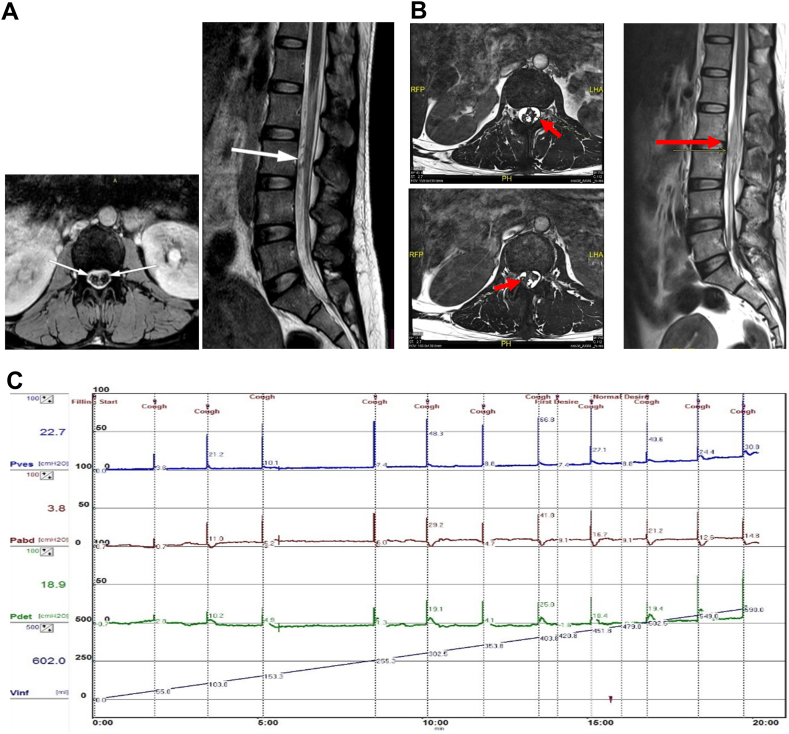
This report described a case of paraplegia due to an epidural hematoma occurring after spinal anesthesia for cesarean section. The patient underwent surgery to remove the hematoma and rehabilitation afterward. However, no improvement was noted. Paralysis of the lower extremities associated with urinary retention and constipation persisted. The patient received three administrations of cell infusion: the first time with autologous bone marrow-derived mononuclear cells and the following two with autologous adipose mesenchymal/stromal cells. After three cell infusions, the patient was able to walk and could urinate and defecate voluntarily. Sensory and motor function were improved and MRI showed a decrease in adherence of the nerve roots and spinal cord.
Our results demonstrated that cell therapy may ameliorate paralysis of the lower extremities as well as fecal and urinary function following spinal hematoma associated with spinal anesthesia.
剖宫产脊髓麻醉后硬膜下血肿是一种罕见的并发症。手术清除血肿是标准治疗方法。然而,仍有许多患者术后遭受不同程度的永久性神经损伤。细胞治疗最近在治疗神经损伤方面显示出巨大潜力。
本报告描述了一例剖宫产脊髓麻醉后因硬膜外血肿导致截瘫的病例。患者接受了血肿清除手术及术后康复治疗。然而,未见改善。下肢瘫痪伴尿潴留和便秘持续存在。患者接受了三次细胞输注:第一次输注自体骨髓来源的单核细胞,后两次输注自体脂肪间充质/基质细胞。三次细胞输注后,患者能够行走,并且能够自主排尿和排便。感觉和运动功能得到改善,磁共振成像显示神经根和脊髓的粘连减少。
我们的结果表明,细胞治疗可能改善脊髓麻醉相关脊髓血肿后的下肢瘫痪以及粪便和排尿功能。