Universität Innsbruck, Innsbruck, Austria.
Biometals. 2024 Jun;37(3):671-696. doi: 10.1007/s10534-024-00584-3. Epub 2024 Feb 28.
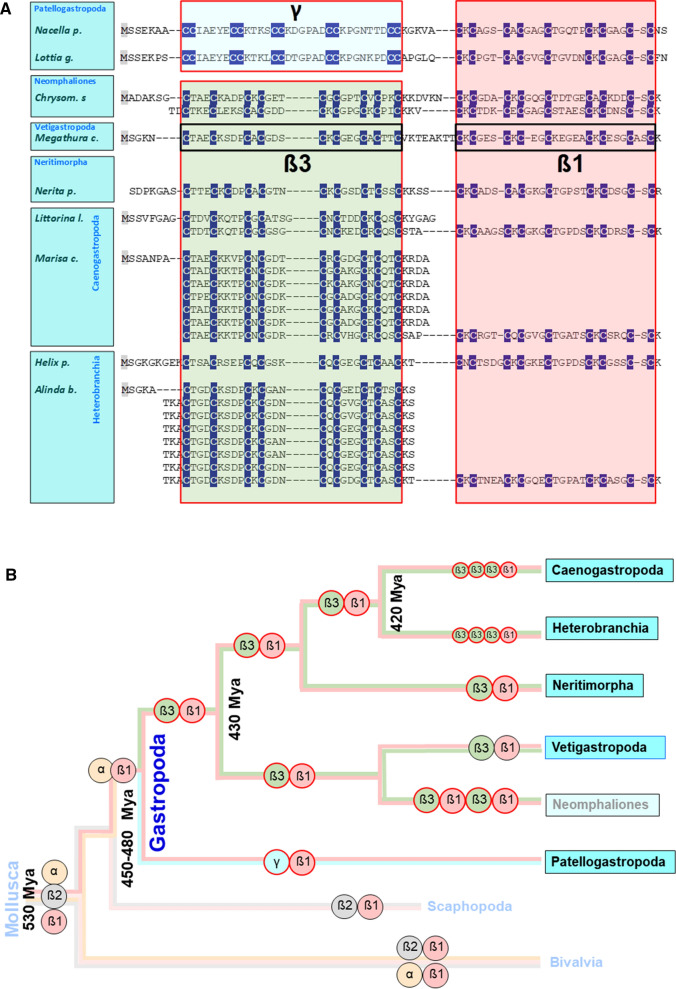
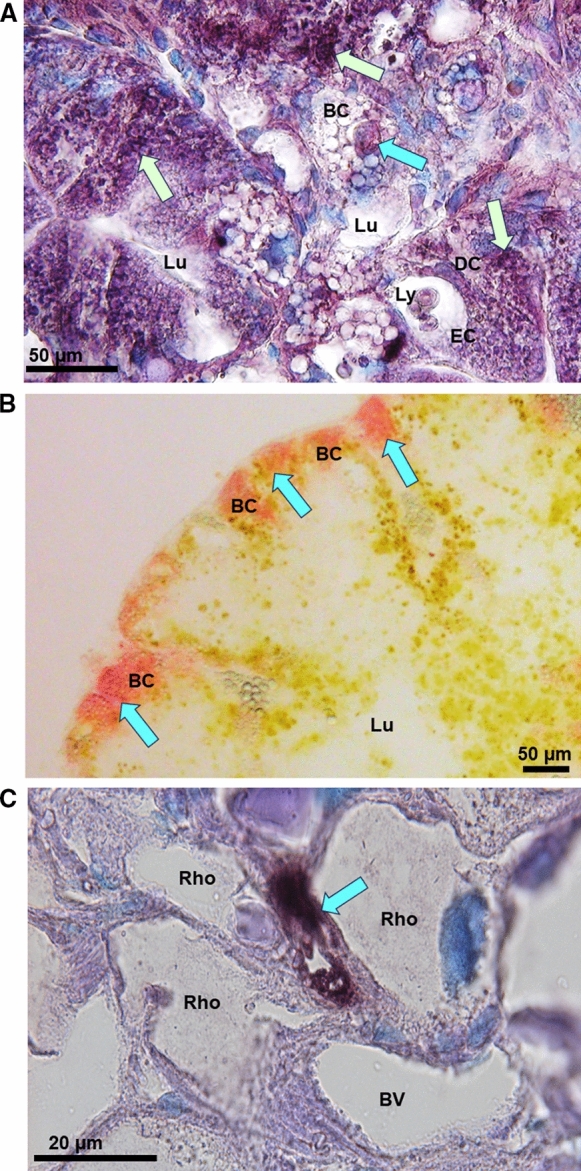
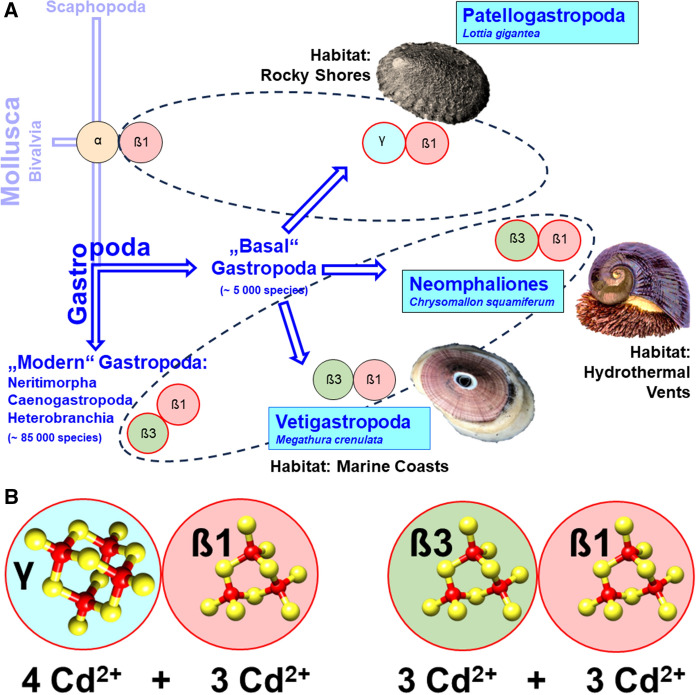
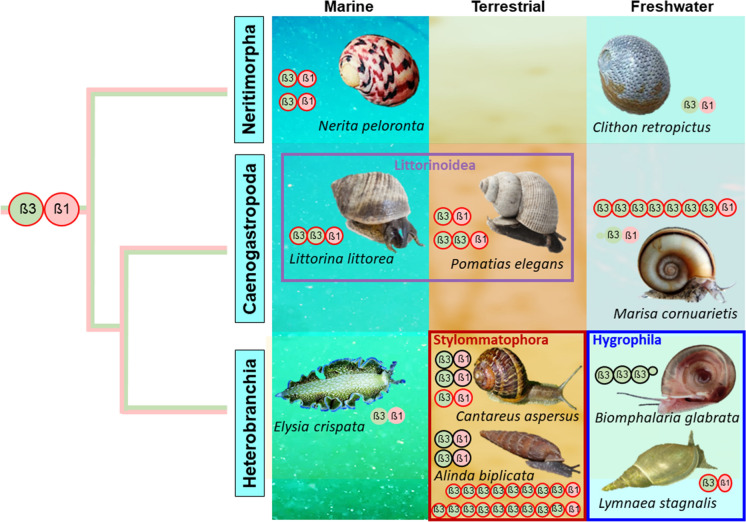
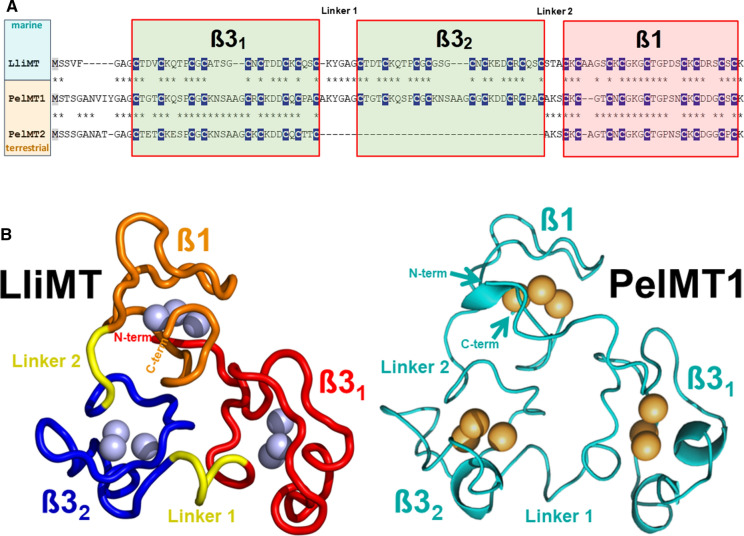
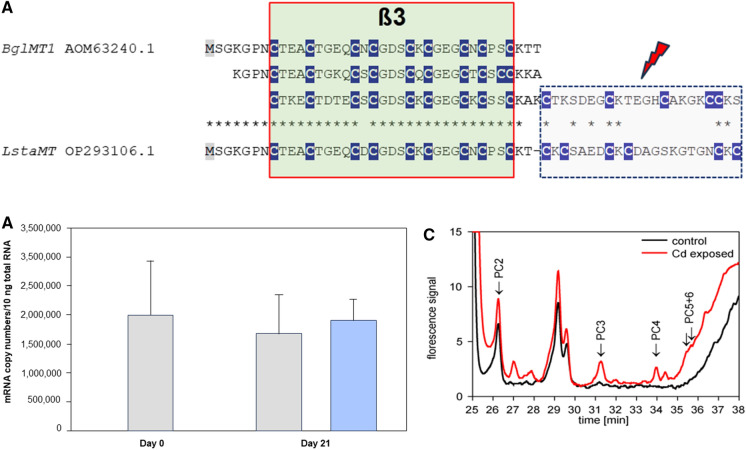
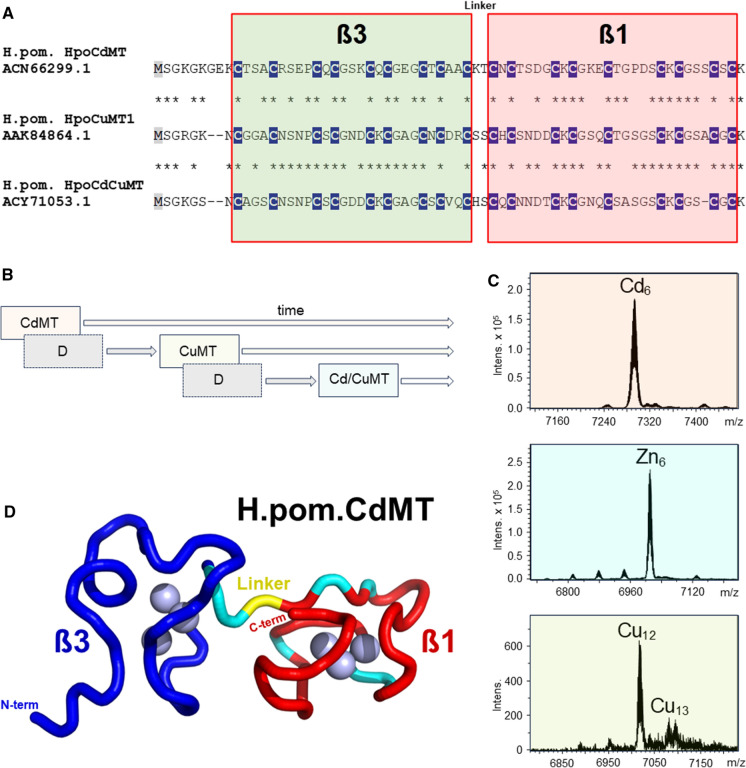
This is a critical review of what we know so far about the evolution of metallothioneins (MTs) in Gastropoda (snails, whelks, limpets and slugs), an important class of molluscs with over 90,000 known species. Particular attention will be paid to the evolution of snail MTs in relation to the role of some metallic trace elements (cadmium, zinc and copper) and their interaction with MTs, also compared to MTs from other animal phyla. The article also highlights the important distinction, yet close relationship, between the structural and metal-selective binding properties of gastropod MTs and their physiological functionality in the living organism. It appears that in the course of the evolution of Gastropoda, the trace metal cadmium (Cd) must have played an essential role in the development of Cd-selective MT variants. It is shown how the structures and Cd-selective binding properties in the basal gastropod clades have evolved by testing and optimizing different combinations of ancestral and novel MT domains, and how some of these domains have become established in modern and recent gastropod clades. In this context, the question of how adaptation to new habitats and lifestyles has affected the original MT traits in different gastropod lineages will also be addressed. The 3D structures and their metal binding preferences will be highlighted exemplarily in MTs of modern littorinid and helicid snails. Finally, the importance of the different metal requirements and pathways in snail tissues and cells for the shaping and functionality of the respective MT isoforms will be shown.
这是对迄今为止我们所了解的腹足纲(蜗牛、海螺、帽贝和蛞蝓)中金属硫蛋白(MTs)进化的批判性评价,腹足纲是一个拥有超过 90,000 种已知物种的重要软体动物类群。特别关注的是蜗牛 MTs 的进化与一些金属微量元素(镉、锌和铜)的作用及其与 MTs 的相互作用,同时也与其他动物门的 MTs 进行比较。本文还强调了腹足纲 MTs 的结构和金属选择性结合特性与其在生物体中的生理功能之间的重要区别,但又密切相关。似乎在腹足纲的进化过程中,痕量金属镉(Cd)在 Cd 选择性 MT 变体的发展中必须发挥了重要作用。通过测试和优化不同的祖先和新型 MT 结构域的组合,展示了在基础腹足纲类群中结构和 Cd 选择性结合特性是如何进化的,以及这些结构域中的一些如何在现代和近代腹足纲类群中建立起来。在这种情况下,还将讨论适应新栖息地和生活方式如何影响不同腹足纲谱系中原始 MT 特征的问题。3D 结构及其金属结合偏好将以现代笠贝和石磺类蜗牛的 MT 为例进行重点说明。最后,将展示蜗牛组织和细胞中不同金属的需求和途径对各自 MT 同工型的形成和功能的重要性。