Galo Jason, Feroze Rafey, Almas Talal, Morera Julianna, Sahadevan Jayakumar
Cardiology, University Hospitals Cleveland Medical Center, Case Western Reserve University, Cleveland, USA.
Internal Medicine, University Hospitals Cleveland Medical Center, Case Western Reserve University, Cleveland, USA.
Cureus. 2024 Jan 29;16(1):e53161. doi: 10.7759/cureus.53161. eCollection 2024 Jan.
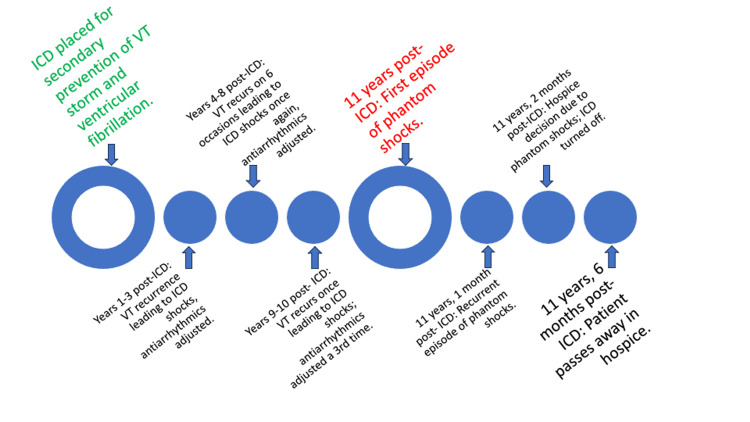
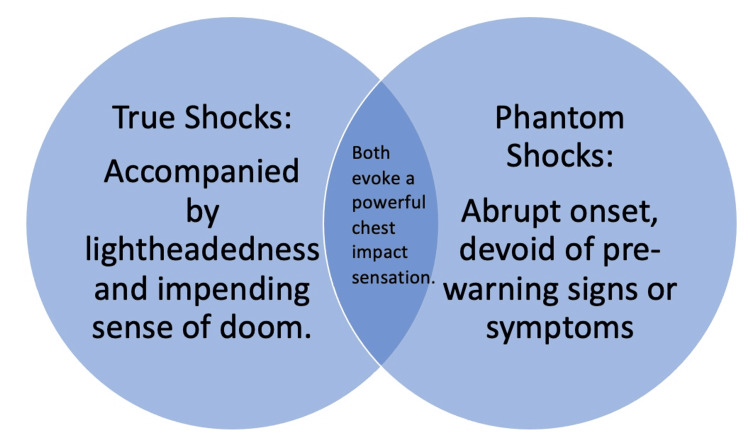
Phantom shocks in implantable cardioverter-defibrillator (ICD) recipients create a complex nexus between cardiac treatment and psychological distress. These sensations, mimicking therapeutic shocks without device activation, deeply affect patients' functionality and well-being. Heightened anxiety, depression, and hopelessness predispose individuals to these occurrences, posing significant challenges. This article delves into the intricate nature of phantom shocks, highlighting subtle clinical cues to differentiate them from genuine therapy shocks. Through a case study of a 75-year-old male with recurrent ICD shocks, diagnosed eventually with phantom shocks, the interplay between psychological distress and physical sensations is underscored. Urgent intervention to address the patient's anxiety and depression using psychotherapy and antidepressants became imperative. The case underscores the immense psychological toll of phantom shocks, exacerbating fear, hopelessness, and post-traumatic stress disorder (PTSD). Despite treatment attempts, their impact persisted, leading to a shift to comfort-focused care. While research identifies factors such as education levels and prior therapy, predicting and managing phantom shocks remains challenging. This article stresses the need for clinician vigilance, urging proactive identification and tailored interventions to mitigate the profound effects of phantom shocks. The current research landscape lacks comprehensive strategies, necessitating further exploration and targeted therapies to restore patient well-being. In conclusion, comprehensive understanding and specialized care for phantom shocks in ICD recipients, addressing both cardiac and psychological aspects, are imperative. Early recognition and tailored interventions offer promise in alleviating their adverse effects, reinstating patient control, and improving their quality of life.
植入式心脏复律除颤器(ICD)接受者所经历的虚幻电击在心脏治疗与心理困扰之间形成了一个复杂的关联。这些感觉模拟了治疗性电击但设备并未激活,深刻影响着患者的功能和幸福感。焦虑、抑郁和绝望情绪的加剧使个体更容易出现这些情况,带来了重大挑战。本文深入探讨了虚幻电击的复杂本质,强调了将其与真正的治疗性电击区分开来的细微临床线索。通过对一名75岁男性反复出现ICD电击最终被诊断为虚幻电击的病例研究,强调了心理困扰与身体感觉之间的相互作用。使用心理治疗和抗抑郁药来解决患者焦虑和抑郁的紧急干预变得势在必行。该病例凸显了虚幻电击带来的巨大心理负担,加剧了恐惧、绝望和创伤后应激障碍(PTSD)。尽管进行了治疗尝试,但其影响仍然存在,导致转向以舒适为重点的护理。虽然研究确定了教育水平和先前治疗等因素,但预测和管理虚幻电击仍然具有挑战性。本文强调临床医生需要保持警惕,敦促积极识别并采取针对性干预措施,以减轻虚幻电击的深远影响。当前的研究领域缺乏全面的策略,需要进一步探索和针对性治疗来恢复患者的幸福感。总之对于ICD接受者的虚幻电击,全面理解并提供兼顾心脏和心理方面的专业护理至关重要。早期识别和针对性干预有望减轻其不良影响,恢复患者的控制感并改善其生活质量。