Fluks Monika, Collier Rebecca, Walewska Agnieszka, Bruce Alexander W, Ajduk Anna
Department of Embryology, Institute of Developmental Biology and Biomedical Sciences, Faculty of Biology, University of Warsaw, Warsaw, Poland.
Department of Molecular Biology and Genetics, Faculty of Science, University of South Bohemia in České Budějovice, České Budějovice, Czechia.
Front Cell Dev Biol. 2024 Feb 15;12:1342905. doi: 10.3389/fcell.2024.1342905. eCollection 2024.
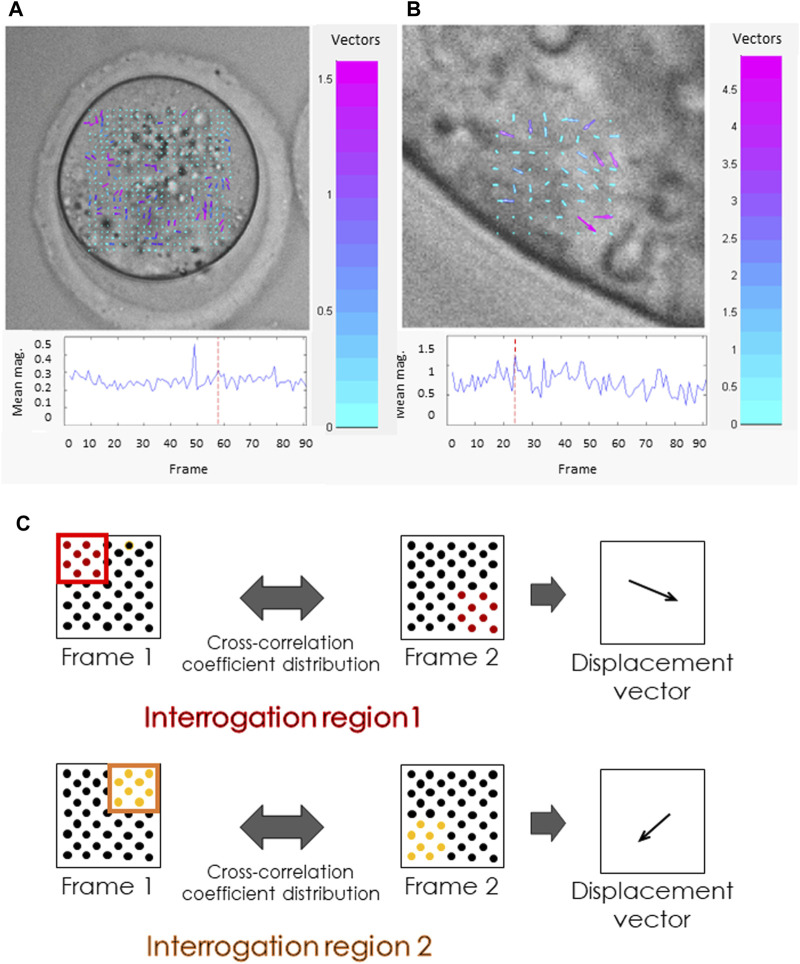
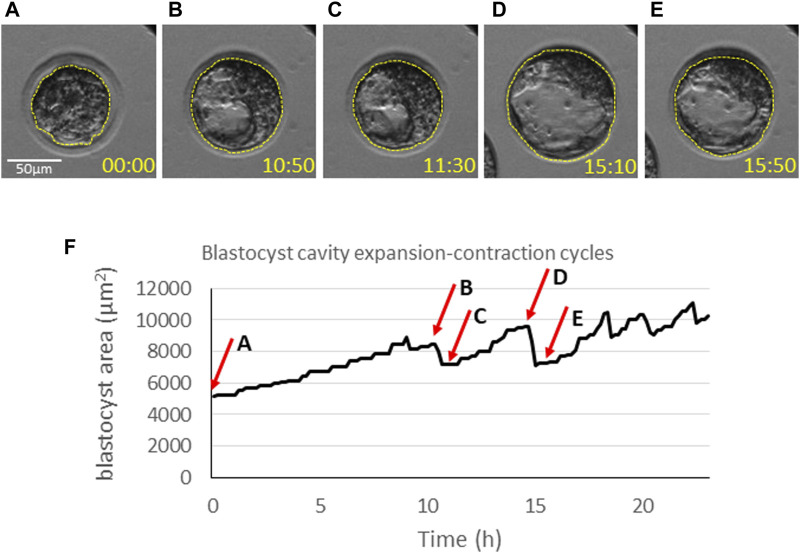
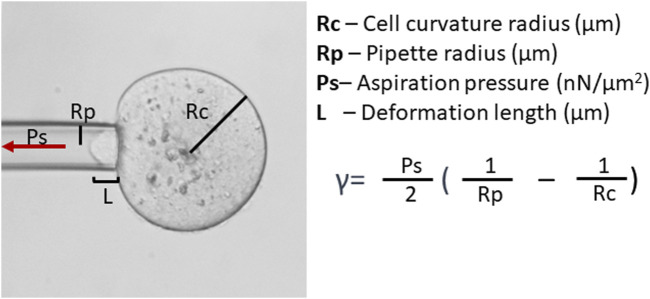
Assisted Reproductive Technologies (ART) have revolutionized infertility treatment and animal breeding, but their success largely depends on selecting high-quality oocytes for fertilization and embryos for transfer. During preimplantation development, embryos undergo complex morphogenetic processes, such as compaction and cavitation, driven by cellular forces dependent on cytoskeletal dynamics and cell-cell interactions. These processes are pivotal in dictating an embryo's capacity to implant and progress to full-term development. Hence, a comprehensive grasp of the biomechanical attributes characterizing healthy oocytes and embryos is essential for selecting those with higher developmental potential. Various noninvasive techniques have emerged as valuable tools for assessing biomechanical properties without disturbing the oocyte or embryo physiological state, including morphokinetics, analysis of cytoplasmic movement velocity, or quantification of cortical tension and elasticity using microaspiration. By shedding light on the cytoskeletal processes involved in chromosome segregation, cytokinesis, cellular trafficking, and cell adhesion, underlying oogenesis, and embryonic development, this review explores the significance of embryo biomechanics in ART and its potential implications for improving clinical IVF outcomes, offering valuable insights and research directions to enhance oocyte and embryo selection procedures.
辅助生殖技术(ART)彻底改变了不孕症治疗和动物育种,但它们的成功在很大程度上取决于选择高质量的卵母细胞进行受精以及选择胚胎进行移植。在植入前发育过程中,胚胎会经历复杂的形态发生过程,如致密化和空化,这些过程由依赖于细胞骨架动力学和细胞间相互作用的细胞力驱动。这些过程对于决定胚胎着床和发育至足月的能力至关重要。因此,全面了解表征健康卵母细胞和胚胎的生物力学特性对于选择具有更高发育潜力的卵母细胞和胚胎至关重要。各种非侵入性技术已成为评估生物力学特性的有价值工具,在不干扰卵母细胞或胚胎生理状态的情况下,包括形态动力学、细胞质运动速度分析,或使用微量抽吸法对皮质张力和弹性进行量化。通过揭示参与染色体分离、胞质分裂、细胞运输和细胞黏附、卵母细胞发生和胚胎发育的细胞骨架过程,本综述探讨了胚胎生物力学在辅助生殖技术中的重要性及其对改善临床体外受精结果的潜在影响,为改进卵母细胞和胚胎选择程序提供了有价值的见解和研究方向。