Siriwardena Diana, Gauci Chahaya M, Mohtashami Ali, Badiani Sarit, Kabir Shahrir
Colorectal Surgery, Royal North Shore Hospital, Sydney, AUS.
Medicine and Health, University of Sydney, Sydney, AUS.
Cureus. 2024 Feb 1;16(2):e53377. doi: 10.7759/cureus.53377. eCollection 2024 Feb.
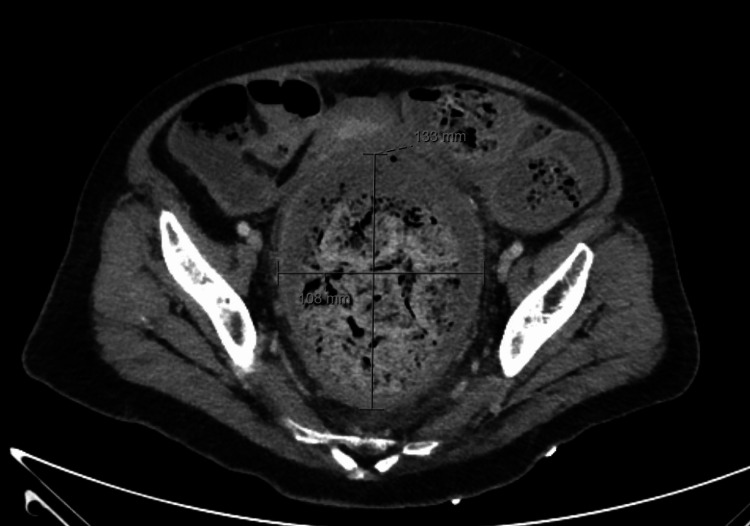
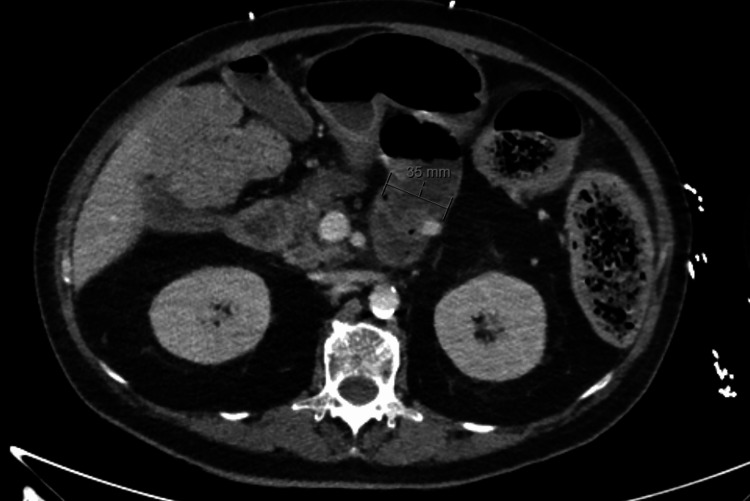
The management of treatment-resistant schizophrenia (TRS) is challenging as the medications involved, often atypical antipsychotics, have a host of associated adverse effects. While complications such as agranulocytosis are well established and necessitate close hematological monitoring, the gastrointestinal effects of particular atypical antipsychotics, such as clozapine, are recognized to a lesser extent. The following case of TRS leading to chronic treatment-resistant pseudo-obstruction, eventually requiring total colectomy, highlights the considerable sequelae of clozapine on the gastrointestinal tract. Beyond the effects of severe constipation, the possible implications of ischemic colitis, stercoral perforation, and intraabdominal sepsis warrant a degree of caution when prescribing such medication. This study sheds light on the importance of monitoring bowel motility when administering antipsychotics, particularly clozapine, to avoid these deleterious consequences.
难治性精神分裂症(TRS)的治疗颇具挑战性,因为所涉及的药物(通常是非典型抗精神病药物)有许多相关的不良反应。虽然诸如粒细胞缺乏症等并发症已广为人知,需要密切进行血液学监测,但某些非典型抗精神病药物(如氯氮平)对胃肠道的影响在很大程度上尚未得到充分认识。以下这例TRS导致慢性难治性假性肠梗阻、最终需要进行全结肠切除术的病例,凸显了氯氮平对胃肠道造成的严重后果。除了严重便秘的影响外,缺血性结肠炎、粪性穿孔和腹腔内感染的潜在影响表明,在开具此类药物处方时需要一定程度的谨慎。本研究揭示了在使用抗精神病药物(尤其是氯氮平)时监测肠道蠕动的重要性,以避免这些有害后果。