National Key Laboratory of Green Pesticide, South China Agricultural University, Guangzhou, Guangdong, China.
Guangdong Province Key Laboratory of Microbial Signals and Disease Control, South China Agricultural University, Guangzhou, China.
Microbiol Spectr. 2024 Apr 2;12(4):e0405223. doi: 10.1128/spectrum.04052-23. Epub 2024 Mar 5.
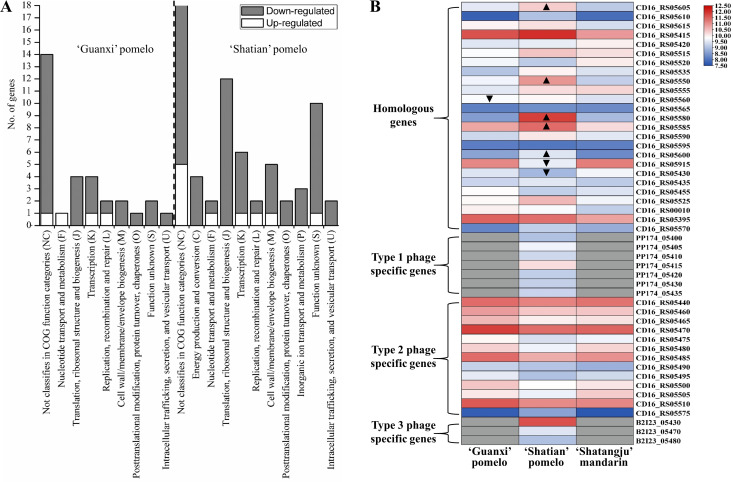
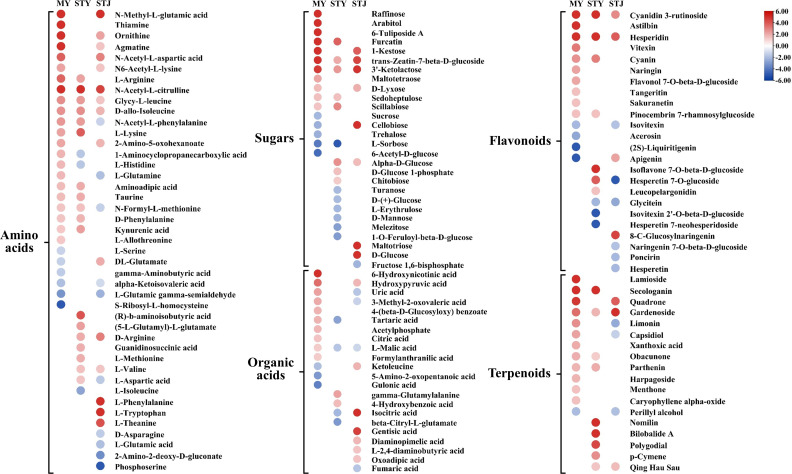
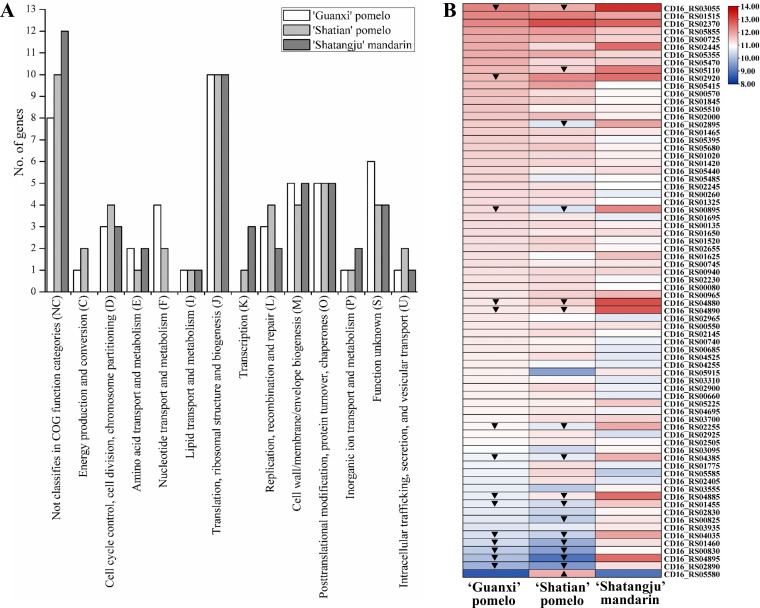
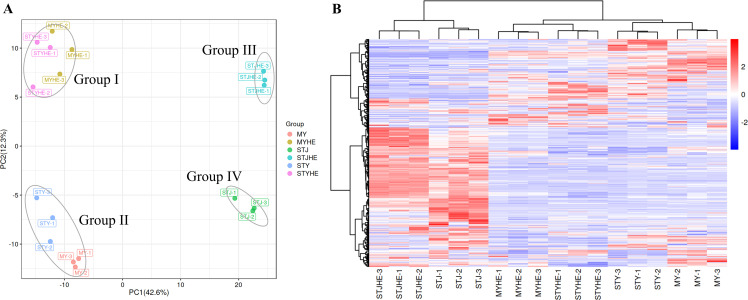
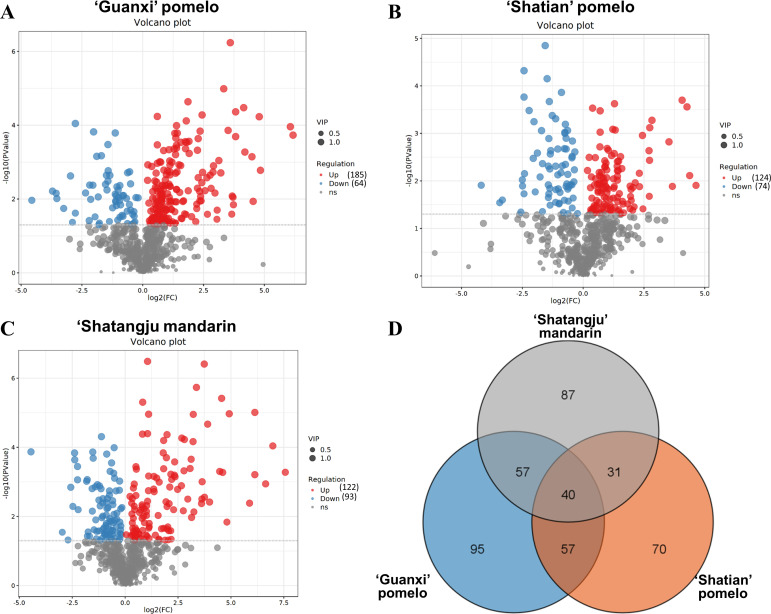
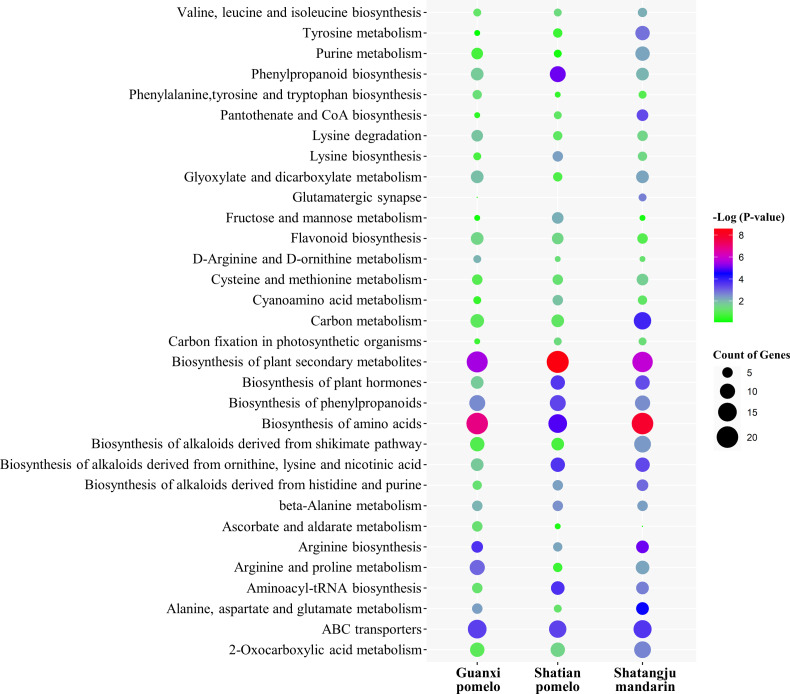
" Liberibacter asiaticus" (CLas), the causal agent of citrus Huanglongbing (HLB), is able to multiply to a high abundance in citrus fruit pith. However, little is known about the biological processes and phytochemical substances that are vital for CLas colonization and growth in fruit pith. In this study, CLas-infected fruit pith of three citrus cultivars ("Shatangju" mandarin, "Guanxi" pomelo, and "Shatian" pomelo) exhibiting different tolerance to CLas were collected and used for dual RNA-Seq and untargeted metabolome analysis. Comparative transcriptome analysis found that the activation of the CLas noncyclic TCA pathway and pathogenic-related effectors could contribute to the colonization and growth of CLas in fruit pith. The pre-established Type 2 prophage in the CLas genome and the induction of its CRISPR/ system could enhance the phage resistance of CLas and, in turn, facilitate CLas population growth in fruit pith. CLas infection caused the accumulation of amino acids that were correlated with tolerance to CLas. The accumulation of most sugars and organic acids in CLas-infected fruit pith, which could be due to the phloem blockage caused by CLas infection, was thought to be beneficial for CLas growth in localized phloem tissue. The higher levels of flavonoids and terpenoids in the fruit pith of CLas-tolerant cultivars, particularly those known for their antimicrobial properties, could hinder the growth of CLas. This study advances our understanding of CLas multiplication in fruit pith and offers novel insight into metabolites that could be responsible for tolerance to CLas or essential to CLas population growth.IMPORTANCECitrus Huanglongbing (HLB, also called citrus greening disease) is a highly destructive disease currently threatening citrus production worldwide. HLB is caused by an unculturable bacterial pathogen, " Liberibacter asiaticus" (CLas). However, the mechanism of CLas colonization and growth in citrus hosts is poorly understood. In this study, we utilized the fruit pith tissue, which was able to maintain the CLas at a high abundance, as the materials for dual RNA-Seq and untargeted metabolome analysis, aiming to reveal the biological processes and phytochemical substances that are vital for CLas colonization and growth. We provided a genome-wide CLas transcriptome landscape in the fruit pith of three citrus cultivars with different tolerance and identified the important genes/pathways that contribute to CLas colonization and growth in the fruit pith. Metabolome profiling identified the key metabolites, which were mainly affected by CLas infection and influenced the population dynamic of CLas in fruit pith.
“亚洲韧皮杆菌”(CLas)是柑橘黄龙病(HLB)的致病因子,能够在柑橘果实的髓中大量繁殖。然而,对于 CLas 在果实髓中定植和生长所必需的生物学过程和植物化学物质,人们知之甚少。在这项研究中,我们收集了三种具有不同耐 CLas 能力的柑橘品种(沙糖桔、贡柑和沙田柚)的受 CLas 感染的果实髓用于进行双重 RNA-Seq 和非靶向代谢组分析。比较转录组分析发现,CLas 非循环 TCA 途径的激活和与致病性相关的效应子可能有助于 CLas 在果实髓中的定植和生长。CLas 基因组中预先建立的 Type 2 前噬菌体及其 CRISPR/Cas 系统的诱导可以增强 CLas 的噬菌体抗性,从而促进 CLas 在果实髓中的种群增长。CLas 感染导致与耐 CLas 相关的氨基酸积累。在 CLas 感染的果实髓中,大多数糖和有机酸的积累可能是由于 CLas 感染引起的韧皮部阻塞,这被认为有利于 CLas 在局部韧皮部组织中的生长。在耐 CLas 品种的果实髓中,类黄酮和萜类化合物的水平较高,特别是那些具有抗菌特性的品种,可能会阻碍 CLas 的生长。本研究增进了我们对 CLas 在果实髓中增殖的理解,并为可能负责耐受 CLas 或对 CLas 种群增长至关重要的代谢物提供了新的见解。
重要性:柑橘黄龙病(HLB,也称为柑橘绿病)是一种极具破坏性的疾病,目前正在威胁着全球的柑橘生产。HLB 是由一种不可培养的细菌病原体“亚洲韧皮杆菌”(CLas)引起的。然而,CLas 在柑橘宿主中的定植和生长机制尚不清楚。在这项研究中,我们利用能够维持 CLas 高丰度的果实髓组织作为双重 RNA-Seq 和非靶向代谢组分析的材料,旨在揭示 CLas 定植和生长所必需的生物学过程和植物化学物质。我们提供了三个具有不同耐 CLas 能力的柑橘品种的果实髓中 CLas 的全基因组转录组图谱,并鉴定了有助于 CLas 在果实髓中定植和生长的重要基因/途径。代谢组学分析确定了关键代谢物,这些代谢物主要受到 CLas 感染的影响,并影响了 CLas 在果实髓中的种群动态。